Exploring Oman's Office Real Estate Market: A Client's Perspective
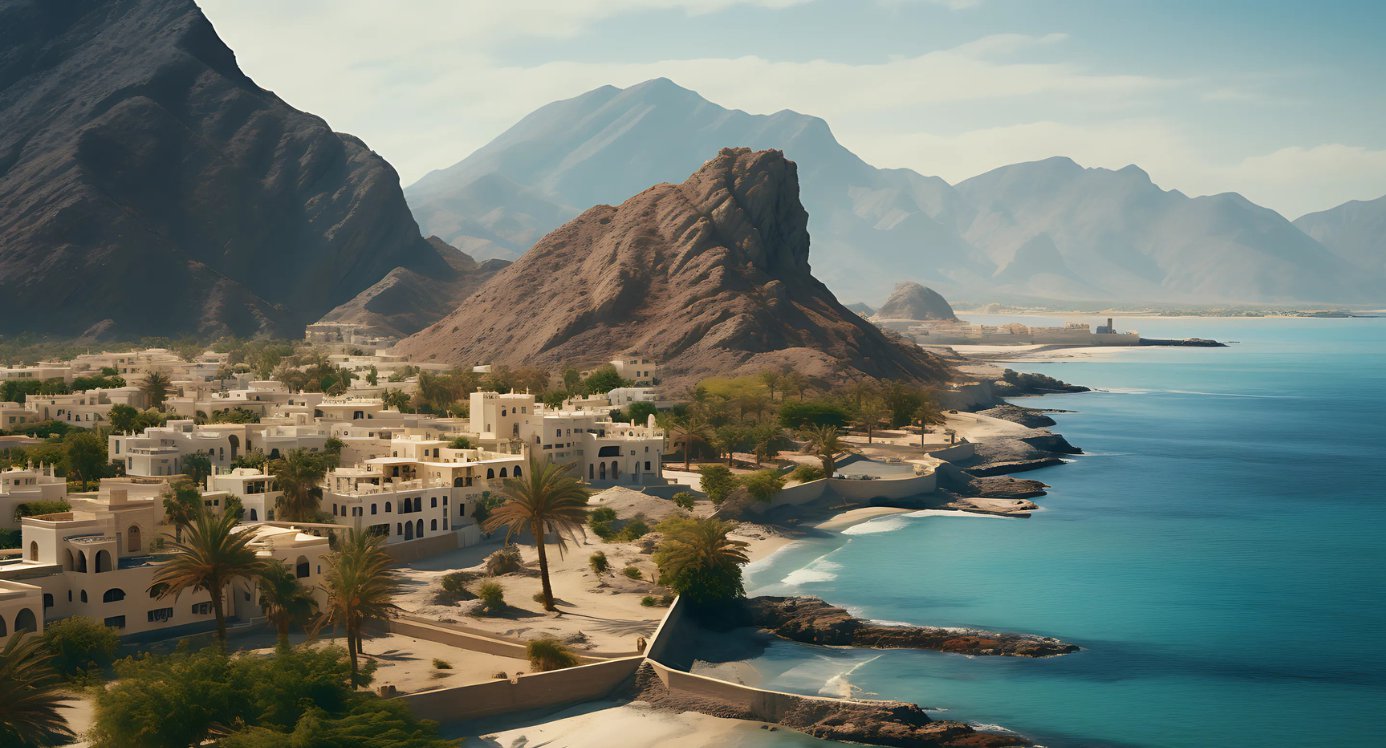
Economic diversification has long been a priority for Gulf nations, with each country adopting its own strategy. The UAE leverages soft power and flexibility, Saudi Arabia pursues an aggressive approach with ambitious megaprojects and its "one regional HQ" policy, while Oman takes a balanced path, integrating the best of both strategies.
The Sultanate has successfully implemented proven tools used by its neighbours — free zones, tax incentives, and Golden Visas — following a structured and calculated approach while learning from competitors’ experiences.
For investor Oliver, the decision to invest in office real estate in 2024 was well-timed. Oman faces a shortage of modern business spaces, a critical element in the country’s broader economic development plans.
Oman’s Office Market in 2025
Capitalisation expectations for commercial real estate across the MENA region remain positive. However, RICS analysts adjusted growth forecasts for office assets three times in 2024 — revising initial projections of +6% for prime offices and +4% for secondary offices down to a more measured +3% and +1.8%, respectively.
These revisions reflect broader market shifts, particularly in North Africa and Saudi Arabia. In Saudi Arabia, landlords are offering rent-free periods of up to six months, sacrificing up to 20% of potential yields to maintain occupancy. Dubai, on the other hand, presents a stark contrast, with a severe shortage of Grade A office spaces — occupancy rates in this segment remain between 94–97%, a trend Cushman & Wakefield expects to persist until at least 2027.
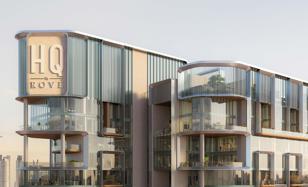 $1,856,000
Total area 114.36 m² 21 floor
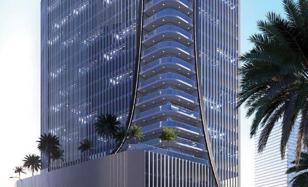 $574,000
Total area 94.9 m² 12 floor
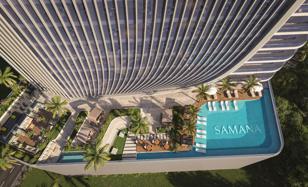 $584,000
Total area 89.19 m² 13 floor
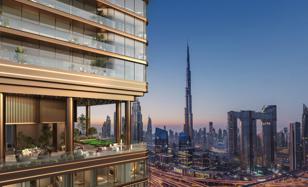 $2,191,000
Total area 167.5 m² 3 floor
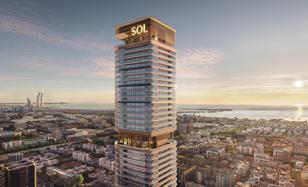 $3,525,000
Total area 267.84 m² 3 floor
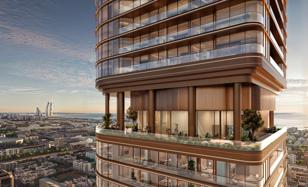 $3,043,000
Total area 175.12 m² 3 floor
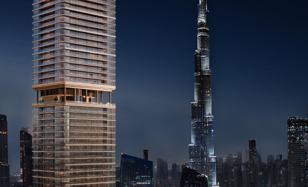 $3,526,000
Total area 239 m² 3 floor
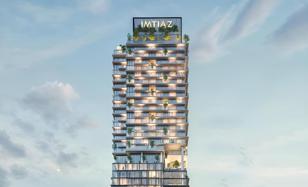 $561,000
Total area 128.9 m² 1 floor
In 2025, Oman’s office market enters a new phase of its cycle, having stabilised after previous disruptions, including the pandemic — during which rental rates fell by at least 25% — and the Omanisation policy, which reduced the expatriate population and cooled private investor interest.
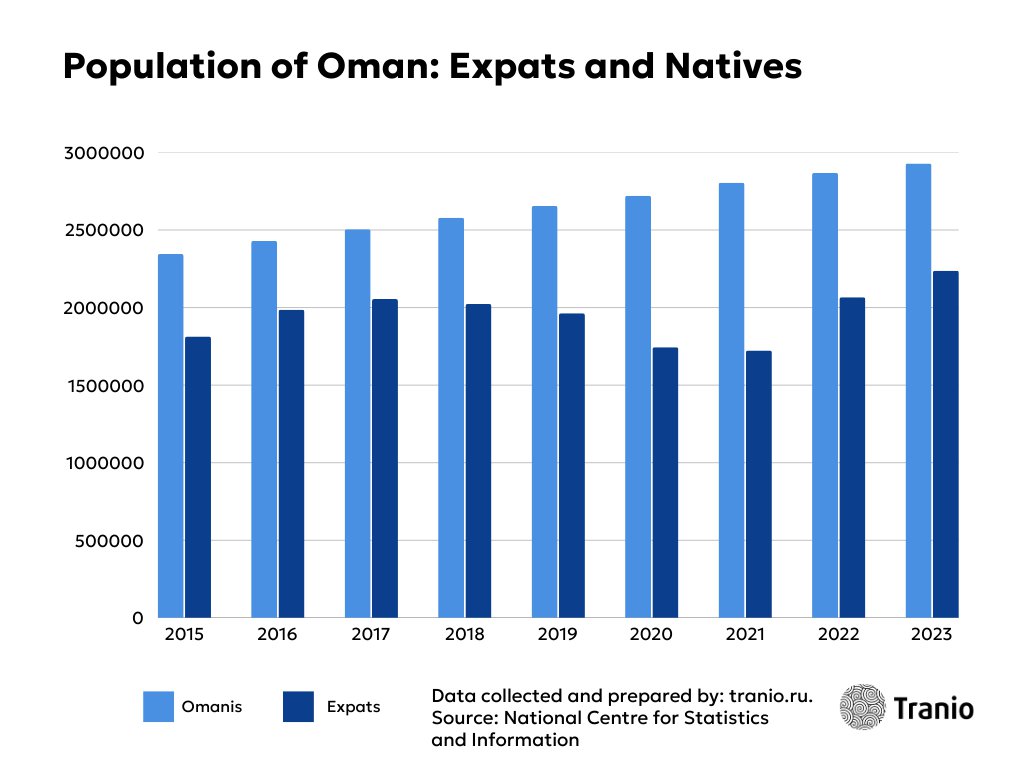
Despite an exodus of foreign companies, Oman continued launching new office developments, creating an oversupply that coincided with lockdowns. As a result, 2021 saw record-low rental rates, dropping a further 30%.
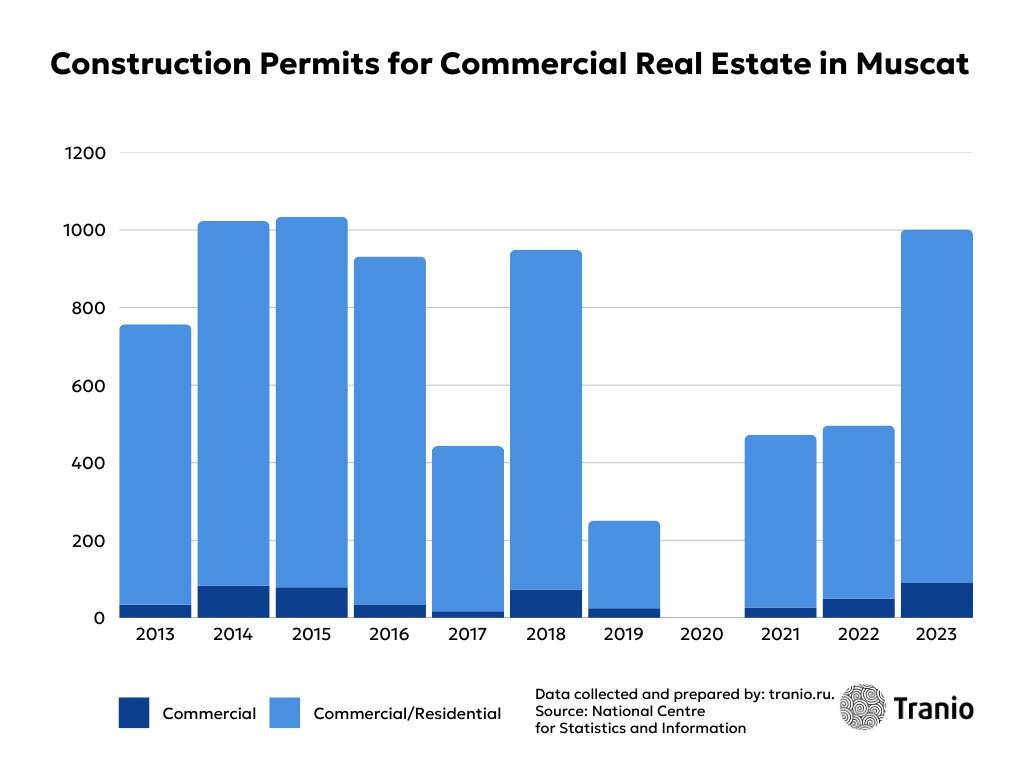
However, since 2022, the market has been recovering. Omanisation requirements have been relaxed, foreign capital is gradually returning, and Muscat is consolidating its business districts, moving away from a scattered structure.
The return of foreign capital has driven a shift in office demand, redistributing business activity across the city. Key trends include:
Industry | Previous Business Hub | Current Business Hub |
Digital Tech | Ghala | Al Khuwair |
Telecommunications | Wadi Al Kabir | Madinat Sultan Qaboos |
Investment | Ghala | Al Khuwair |
Real Estate | Al Mawaleh | Al Ghubrah |
Banking | Shatti Al Qurm | Al Azaiba |
Aviation | Bausher | Madinat Al Irfan |
Manufacturing | Al Khuwair | Shatti Al Qurm |
Many vacant older office spaces suffer from poor layouts, substandard construction quality, limited parking, and accessibility issues. Some buildings lack natural light, there are few premium office spaces, and ESG-compliant developments remain largely in the planning stages.
There is increasing demand for small, flexible office spaces of around 100 sq. m — driven by the return of foreign businesses, the growth of SMEs, and startup activity. Developers and landlords are adapting by subdividing larger offices into smaller units.
Serviced offices and coworking spaces are set to be the most in-demand office solutions in Muscat by 2025, offering low startup costs and flexible lease terms tailored to SMEs.
Lease terms have also changed significantly. Before the crisis, tenants signed contracts for 3–5 years. Today, most leases range between 2–3 years, with some opting for annual contracts with renewal options.
To mitigate risk, landlords often require full advance payment for the entire lease term due to municipal registration requirements. This practice stems from tax obligations that must be paid upfront and are non-refundable, even in cases of tenant bankruptcy. Consequently, full prepayment and penalties for early termination have influenced rental rate adjustments in recent years.
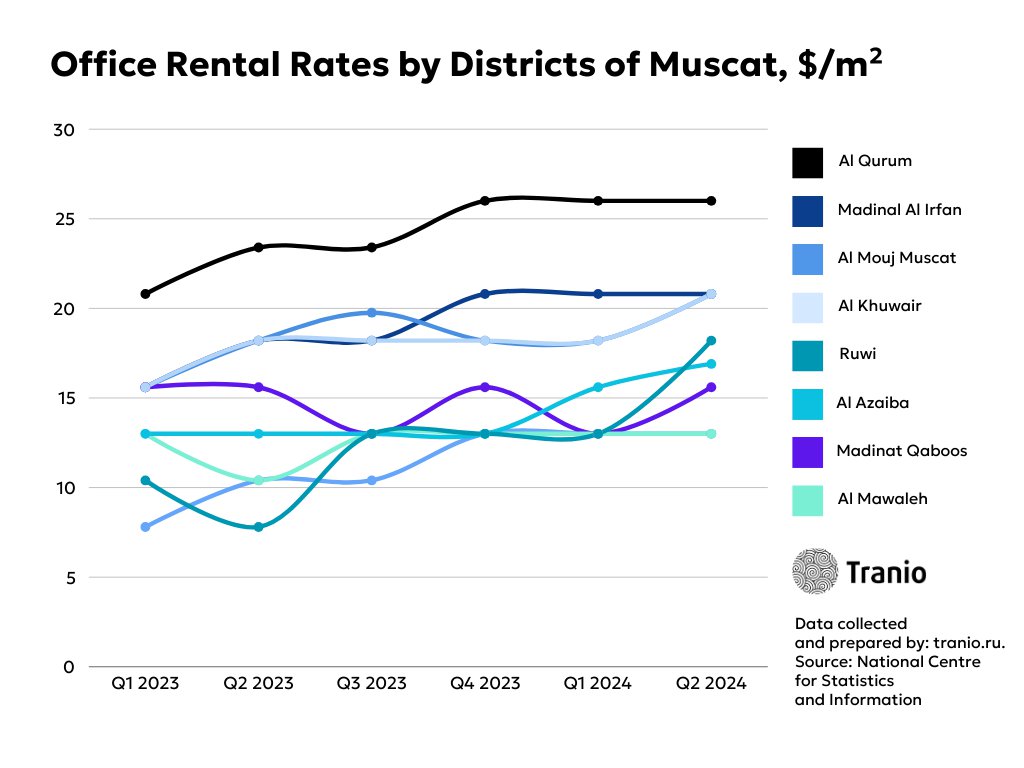
Nevertheless, the market rebounded in 2023–2024, with most districts experiencing rising office rental rates.
Investment Case: Real Estate as a Diversification Tool in Oman
Oliver, a Tranio client, has already invested in Omani real estate — a villa in Muscat that secured him residency and served as a convenient family residence. Now, preparing for a permanent move and having selected an international school for his child, he aims to strengthen his presence in the region by diversifying his investment portfolio. His rationale is clear: managing assets locally is both more convenient and strategically advantageous.
Real estate in Oman grants eligibility for residency with no minimum investment threshold. Submit an enquiry to receive a tailored selection of properties for Omani residency.
Submit an enquiry
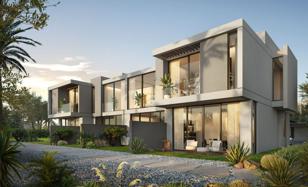 From $714,000
Completion in: 2027.IV 373 units in total
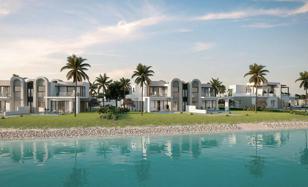 From $245,000
Completion in: 2029.II 500 units in total
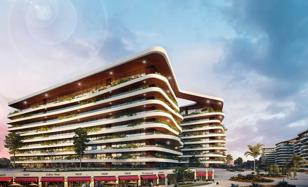 From $107,000
Completion in: 2028.III Total of 447 apartments
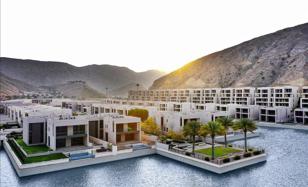
 From $516,000
Completion in: 2028 84 units in total
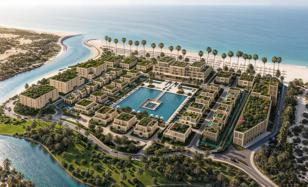 From $149,000
Completion in: 2028.IV Total of 263 apartments
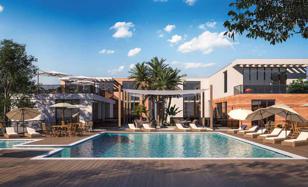 From $300,000
Completion in: 2029.II 240 units in total
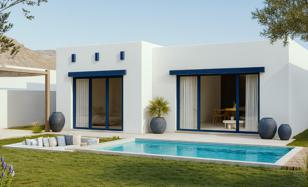 From $211,000
Completion in: 2029.I 23 units in total
Adopting a conservative investment strategy, Oliver chose not to experiment with unfamiliar developers. His previous experience with a trusted developer — whose villa he purchased in late 2023 — met all expectations in terms of quality and reliability.
During the development of his new strategy, Ksenia Kolesnikova, Tranio’s Head of Sales for the Middle East, arranged a series of property viewings and meetings with developers.
The trust built through our previous transaction enabled an open and transparent dialogue, allowing us to refine investment details and discuss the long-term prospects of the asset.


During one of these meetings, Oliver learned about a groundbreaking development — the first Tier-1 office building in Oman.
Such projects are a rarity in the region, and given current market dynamics, it could be one of the few premium office offerings available in the foreseeable future.
The project boasts advanced engineering solutions, including:
- UV-coated facades for heat loss control;
- UV-purified climate systems;
- solar panels;
- smart lighting and energy-efficient HVAC systems;
- high ceilings, restaurant spaces, and relaxation zones.
This development is not just competitive — it is virtually the only viable choice for major tenants prioritising prestige and workplace quality. Businesses will be compelled to choose this project due to the lack of comparable alternatives.
Rental Rates in Muscat ($/m²):
Development | Muscat Grand Mall (2012) | Aqar (2018) | Waterfront (2018) | Oliver’s Project (2026 forecast) |
Min Rate | 23.4 | 18.2 | 26 | 18.2 |
Max Rate | 28.6 | 23.4 | 31.2 | 23.4 |
After analysing market trends and historical data, Oliver made a calculated decision to enter the market with a measured budget, acquiring a 100 sq. m office space to ensure investment flexibility.
The total transaction value exceeded $300,000, with potential rental yields estimated at 8–9% under an optimistic scenario and 5–7% under a conservative outlook.
Tranio’s legal and expert teams support all transaction stages, ensuring a smooth process for both on-site and remote investors. Submit an enquiry to explore investment opportunities in Oman.
Submit an enquiry
Oliver is one of many Tranio investors who chose to diversify their portfolios in 2024. A key trend of the past year has been diversification through the search for new investment products with higher potential returns. Increasingly, investors are exploring new opportunities both within the UAE and across the Gulf region.
In 2024, the share of demand for the UAE real estate outside Dubai more than doubled (13.24% in 2024 compared to 6.3% in 2023). Meanwhile, demand for Oman and Saudi Arabia — two emerging property markets in the Gulf — rose by 173% and 145%, respectively.
We will send you a content digest not more than once a week