Real Estate Developers in Cambodia
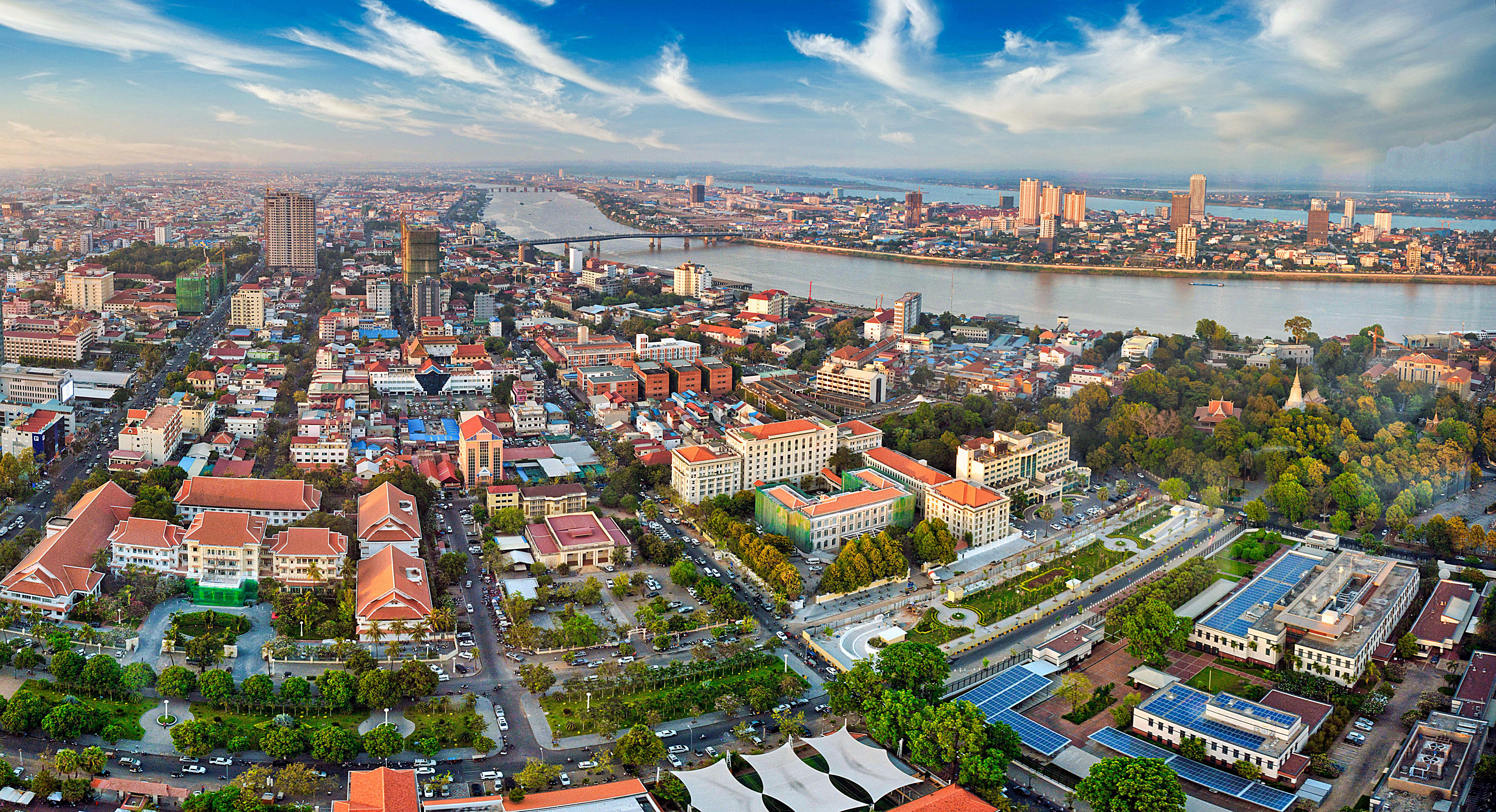
The real estate development market in Cambodia has changed significantly over the past decade. Rapid urbanisation, foreign investment and large-scale construction transformed Phnom Penh and other Cambodian cities, producing new condominiums, residential complexes, commercial centres, hotels and mixed-use districts.
In 2026, however, Cambodia real estate development is more selective than during the previous construction boom. The World Bank describes Cambodia as experiencing a prolonged property downturn, while new residential projects increasingly compete on location, construction quality, developer reputation and long-term property management rather than speculative demand alone.
Cambodia has both large domestic development groups and foreign-backed companies. Some specialise in master-planned cities and infrastructure, while others focus on premium condominiums, landed housing, commercial property or mixed-use developments. For buyers, particularly foreign investors purchasing off-plan, the choice of developer can be as important as the choice of property itself.
Overview of Real Estate Development in Cambodia
Cambodia’s modern real estate sector is centred primarily on Phnom Penh, although substantial development has also taken place in Sihanoukville, Siem Reap and emerging tourism and industrial locations.
The largest developers operate across several property categories. Their portfolios may include condominiums, borey housing, offices, hotels, shopping centres, industrial facilities and large urban developments.
The market has gone through several distinct stages. Strong economic growth, expanding credit and foreign capital drove rapid development during the 2010s. Condominium construction accelerated particularly quickly in Phnom Penh, while Sihanoukville experienced a major foreign-backed construction boom.
The subsequent correction exposed weaknesses in projects dependent mainly on speculative buyers. The property downturn has also contributed to higher non-performing loans in Cambodia’s financial system. As a result, current buyers tend to place greater emphasis on completed projects, established locations and developers with a documented delivery history.
At the same time, new projects continue to be launched. In Phnom Penh, 2026 developments show renewed activity in established districts such as BKK1 and BKK3, suggesting that the market has not stopped developing but has become more differentiated.
Types of Real Estate Developers in Cambodia
Cambodian developers range from large diversified conglomerates to specialised residential companies. Local development groups often have an advantage in understanding land acquisition, planning procedures and domestic buyer preferences. Many are particularly active in residential complexes and large master-planned communities.
International and foreign-backed developers have played a major role in Cambodia’s condominium, resort and mixed-use sectors. Chinese capital was especially influential during the previous development cycle, while Japanese, Korean and other Asian investors are also active.
Boutique developers represent another part of the market. These companies typically concentrate on smaller developments, architecture-led projects or premium residences rather than building thousands of units.
The distinction matters to investors because a large company is not automatically safer than a smaller one. Financial structure, land title, project financing, construction progress and management quality should be assessed at the individual-project level.
Leading Real Estate Developers in Cambodia
Cambodia does not have one official ranking of developers. Different companies lead different segments of the market, from urban master planning to premium condominiums and landed housing.
ISI LAND (formerly Urbanland)
Urbanland was founded in Cambodia in 2013 by architect Hok Kang and developed a reputation for design-focused projects including Embassy Residences, Embassy Central, Raintree, Treeline Urban Resort and Borey Chankiri.
In March 2026, Urbanland officially rebranded as ISI LAND as part of a wider unification of businesses under ISI GROUP. The developer stated that its development philosophy would continue to focus on people-centred design and community building.
Its completed portfolio illustrates the company’s relatively diversified approach. Embassy Central is a residential condominium in BKK1, Embassy Residences is located in the Tonle Bassac embassy district, Raintree is an office development, Treeline Urban Resort is a hospitality project in Siem Reap, and Borey Chankiri focuses on landed residential communities.
Compared with developers focused primarily on high-volume condominium towers, ISI LAND has tended to emphasise architecture, community design and a mix of residential, commercial and hospitality projects.
OCIC
Overseas Cambodian Investment Corporation, commonly known as OCIC, is one of Cambodia’s largest diversified development groups. Its real estate portfolio includes Koh Pich, Chroy Changvar Bay, Olympia City and Norea City. The group is also active in construction, infrastructure, education, healthcare and aviation-related projects.
Koh Pich, or Diamond Island, is one of OCIC’s best-known developments. The approximately 100-hectare district has been developed since 2006 and contains residential property, offices, hotels, schools, event facilities and commercial projects.
Norea City represents an even larger current urban development. OCIC describes the project as a 125-hectare mixed-use development with planned investment of more than $2.5 billion.
OCIC differs from a conventional condominium developer because its projects often combine property development with roads, bridges and other infrastructure. Investors evaluating an OCIC location should therefore assess not only a specific residential project but also the broader urban master plan.
Prince Real Estate Group
Prince Real Estate Group was founded in Cambodia in 2015 and developed residential, commercial and mixed-use property in Phnom Penh and Sihanoukville. Its historical portfolio includes projects such as Prince Central Plaza, Prince Happiness Plaza, One Tropica and other residential and commercial developments.
However, any current assessment of Prince-linked real estate requires particular attention to developments since 2025. In October 2025, the U.S. Treasury designated Prince Holding Group and several associated entities, including Prince Huan Yu Real Estate Cambodia Group, as part of sanctions against what it described as the Prince Group Transnational Criminal Organization.
In January 2026, Cambodia’s real estate regulator ordered a suspension of new sales at five Prince-linked residential projects, including Prince Happiness Plaza, Prince Golden Bay, Prince Huan Yu Center, Prince One Tropica and Samraong Village. Existing buyers were reportedly instructed to continue fulfilling contracts, while fully paid purchasers could continue ownership-registration procedures.
Consequently, historical development scale alone should not be used as a reason to purchase a current Prince-related property. Project status, sanctions exposure, contractual obligations and title-transfer arrangements require updated verification.
Megakim World Corp
Megakim World Corp is particularly associated with Phnom Penh’s Time Square condominium series. The company has developed multiple projects under the Time Square brand and remains active during the 2026 market cycle.
In June 2026, Megakim officially broke ground on Time Square 9 in BKK1 and Time Square 11 in BKK3. Time Square 9 is planned as a 39-storey project with approximately 600 condominium units ranging from one to four bedrooms.
The company’s strategy is heavily focused on condominiums in central or established Phnom Penh locations. This gives buyers a relatively straightforward way to compare new projects with earlier Time Square buildings and assess how completed developments have performed in terms of occupancy, maintenance and resale.
Miraku Capital & Development
Miraku Capital & Development is a Japanese-Cambodian development partnership and one of the newer entrants to Phnom Penh’s premium high-rise market. Its flagship project is G.A.T.O. Tower in BKK1. Construction officially began in July 2026.
The planned 67-storey tower will rise approximately 297 metres and combine 472 residential condominiums with a 224-room luxury hotel. Completion is targeted for the fourth quarter of 2030.
G.A.T.O. Tower illustrates an important current trend in Phnom Penh: rather than launching large numbers of similar investor apartments, some developers are focusing on landmark mixed-use projects in established central areas.
Because Miraku is a comparatively new development partnership, investors should assess the project team and contractual structure in addition to the architectural concept itself.
Real Estate Developers in Phnom Penh
Phnom Penh accounts for most large-scale Cambodia real estate development. The capital contains several distinct developer markets. Condominium companies focus strongly on BKK1, BKK3, Tonle Bassac, Toul Kork and other central districts. Borey developers are more active in suburban areas where larger land parcels are available. Commercial developers concentrate on major business corridors, while industrial projects cluster around logistics routes and Special Economic Zones.
Large developers such as OCIC are also creating entire urban districts rather than single buildings. This diversity means that the phrase «real estate developer in Cambodia» can describe very different businesses. A company developing a 50-unit boutique residence has a substantially different business model from a developer building a 100-hectare satellite city.
Main Areas for Real Estate Development in Phnom Penh
BKK1
BKK1 remains one of the most prominent areas for premium condominium development. Tranio’s 2026 market research found that BKK1 accounted for approximately 36.1% of recorded condominium buyer interest.
The neighbourhood’s attraction comes from established infrastructure rather than future promises. It already contains embassies, offices, restaurants, international services and a strong expatriate rental market.
Recent projects such as Time Square 9 and G.A.T.O. Tower demonstrates that developers are still willing to launch substantial projects in BKK1 despite Cambodia’s broader property downturn.
BKK2 and BKK3
Neighbouring BKK2 and BKK3 provide alternatives to the higher prices of BKK1. BKK3 has attracted new condominium development, including Time Square 11. Buyers may obtain lower entry prices while remaining close to central Phnom Penh, although rental demand and premium positioning can differ from BKK1.
Tonle Bassac
Tonle Bassac has long been one of Phnom Penh’s important premium residential locations. Its proximity to Koh Pich, embassies, malls and central business areas has encouraged condominium, serviced-apartment and mixed-use development. The district is particularly relevant for developers targeting expatriate residents and upper-income Cambodian buyers.
Koh Pich
Koh Pich is one of Cambodia’s clearest examples of large-scale master-planned urban development. OCIC began developing the approximately 100-hectare island in 2006. Today it contains residential developments, commercial buildings, international schools, hotels and event facilities. Rather than functioning as one property project, Koh Pich has evolved into a district containing developments by several companies.
Norea City
Norea City represents the next generation of large-scale urban expansion associated with OCIC. The approximately 125-hectare development is planned as an integrated mixed-use district and is connected to central Phnom Penh through new transport infrastructure, including the bridge linking the Norea area with Koh Pich.
Infrastructure can have a major effect on property values in such emerging districts, but buyers should distinguish completed infrastructure from longer-term master-plan projections.
Toul Kork
Toul Kork is an established residential district with schools, villas, commercial services and increasing condominium development. The area’s residential character makes it attractive to developers targeting families and owner-occupiers rather than purely short-term investment buyers.
Sen Sok and Suburban Phnom Penh
Sen Sok and other suburban districts have become major centres for borey and landed residential development. Large shopping centres, road improvements and population expansion have supported this growth.
Because land is generally cheaper than in BKK1 or Tonle Bassac, developers can provide larger houses and community facilities. The target customer is usually a Cambodian family rather than a foreign condominium investor.
Cambodia Condominium Developers
The modern Cambodian condominium sector expanded rapidly during the 2010s. Foreign investment was a major driver because strata-title condominiums are one of the limited forms of Cambodian property that qualifying foreign nationals can own directly.
The market is now moving toward more practical development models. One-bedroom units dominate current buyer preferences, while new projects increasingly emphasise usable layouts, shared facilities and long-term management rather than simply selling the maximum possible number of units.
Developers launching projects in 2026 also face a more informed buyer base. Buyers can compare new developments with a large inventory of completed buildings and assess real rental performance rather than relying only on sales projections. This increases the importance of a developer’s completed-project history.
A company that has successfully delivered several buildings can demonstrate how its properties age, how common areas are maintained and whether strata titles have been issued efficiently. First-time developers cannot offer the same evidence, meaning buyers must rely more heavily on financial and legal due diligence.
Borey and Landed Housing Developers in Cambodia
Boreys are a major part of Cambodia’s domestic residential market. A borey is typically a gated or master-planned housing development containing link houses, shophouses, twin villas and detached villas.
Unlike condominiums, these homes normally include rights over land. As a result, borey developments primarily target Cambodian citizens because foreign individuals are prohibited from directly owning Cambodian land. Developers compete on location, road access, security, house design, community facilities and financing.
The market has expanded outward from central Phnom Penh because large plots are required for borey projects. Infrastructure development therefore plays a particularly important role in determining which suburban communities become successful. ISI LAND’s Borey Chankiri is one example of a developer extending from central residential and commercial projects into planned landed communities.
Mixed-Use Real Estate Development in Cambodia
Mixed-use development has become increasingly common in Phnom Penh. These projects combine two or more components, such as condominiums, hotels, offices, shopping centres or entertainment facilities.
G.A.T.O. Tower, for example, is planned to combine 472 condominiums with a 224-room hotel. OCIC developments such as Olympia City and Norea City operate on a much larger scale, incorporating residential, commercial and public uses into master-planned districts.
Mixed-use projects can be attractive because residents benefit from integrated services and amenities. They are also more complex to build and operate. Hotel, residential and retail components may have different ownership structures, management agreements and financial performance. Buyers should therefore establish exactly which facilities belong to condominium owners and which remain controlled by the developer or hotel operator.
Commercial Real Estate Developers
Cambodian developers also operate in offices, retail, hospitality and mixed-use commercial property. Phnom Penh has accumulated substantial office and retail supply over the last decade. Modern shopping malls and office towers have changed the commercial landscape, but high supply means developers cannot rely solely on new construction to attract tenants.
Successful commercial development increasingly depends on tenant mix, occupancy, accessibility and building management. Large groups such as OCIC and Prince Real Estate historically developed both residential and commercial property, while ISI LAND’s portfolio includes projects such as Raintree and ISI PARK.
Industrial and Logistics Developers
Industrial property is becoming increasingly relevant to Cambodia’s wider development sector. Foreign direct investment continues to flow strongly into manufacturing. The World Bank reported FDI inflows of $5.1 billion in 2025, supporting employment and new production capacity even while the traditional property sector remained weak.
This creates demand for factories, warehouses, logistics centres and Special Economic Zones. Industrial development differs from speculative residential development because its demand is tied more closely to trade, manufacturing output and logistics networks. Projects near major highways, ports and industrial zones can therefore benefit from economic trends that have little connection with Phnom Penh’s condominium cycle.
Real Estate Development Outside Phnom Penh
Sihanoukville
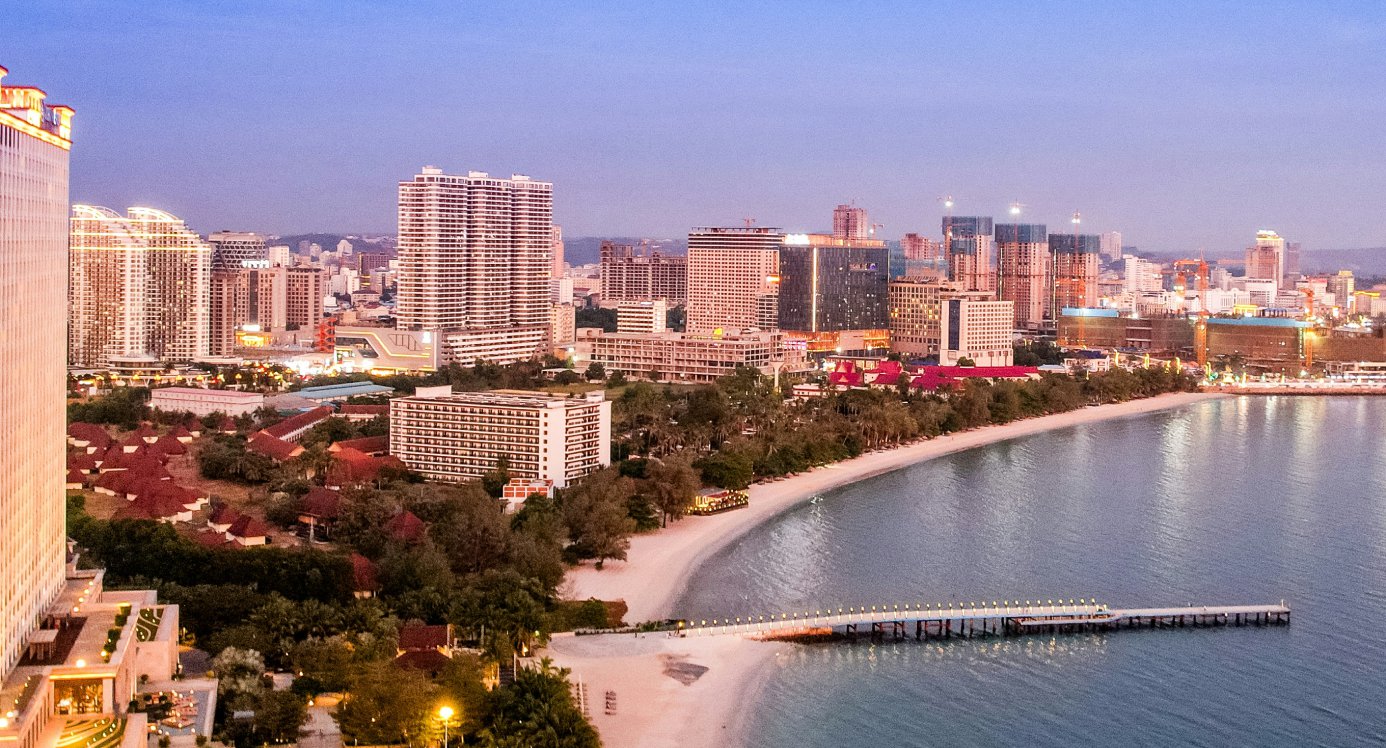
Sihanoukville experienced one of Southeast Asia’s most dramatic development cycles. Rapid Chinese-backed construction produced hotels, condominiums, casinos and commercial developments. When market conditions changed, many projects faced delays or weak demand.
Development now needs to be assessed in the context of both the city’s property history and its more durable economic assets: Cambodia’s principal deep-water port, manufacturing, tourism and logistics.
Buyers should pay particular attention to actual project completion and title status in this market rather than assuming that an unfinished development will necessarily restart.
Siem Reap
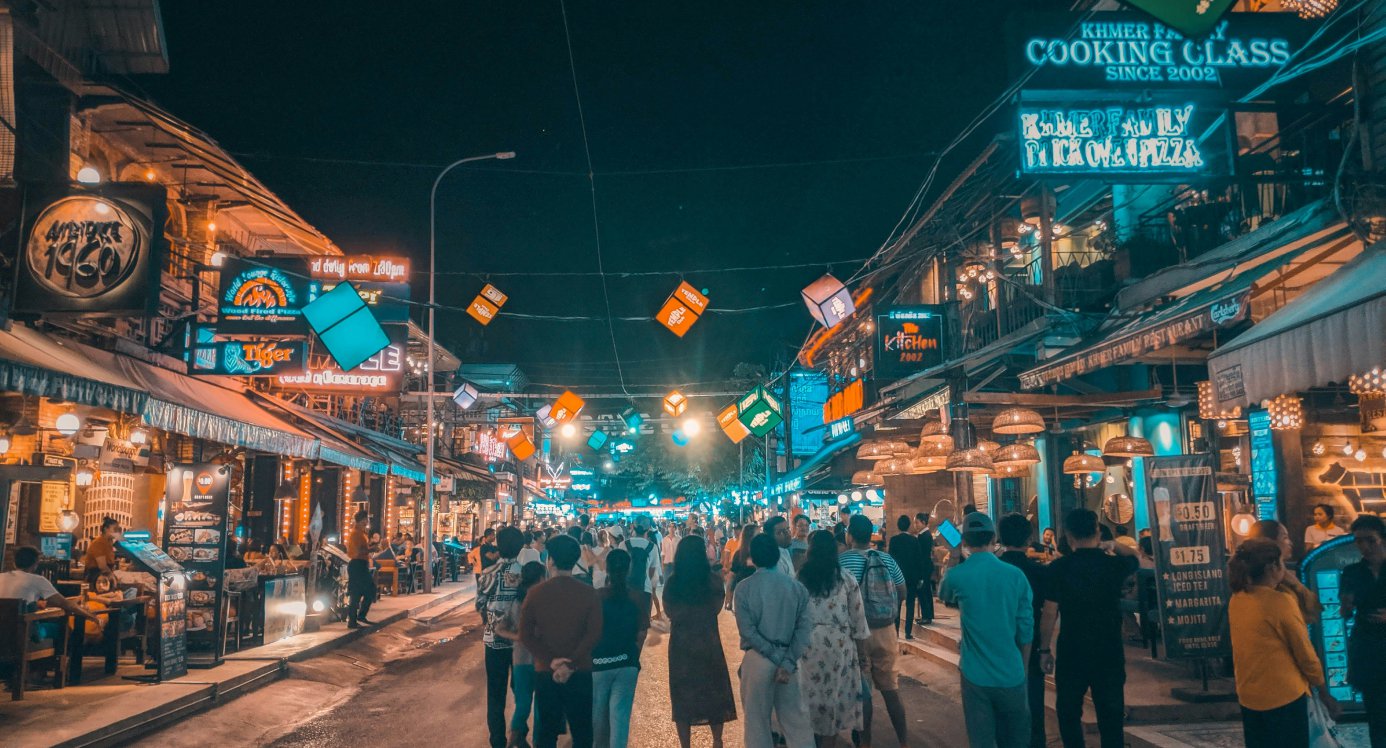
Siem Reap’s development market is driven primarily by tourism. Hotel and resort developers are more important than large condominium companies, although residential projects also exist.
The city’s connection with Angkor creates an established tourism economy, but hospitality property remains exposed to fluctuations in visitor numbers and requires active management.
Kampot and Kep
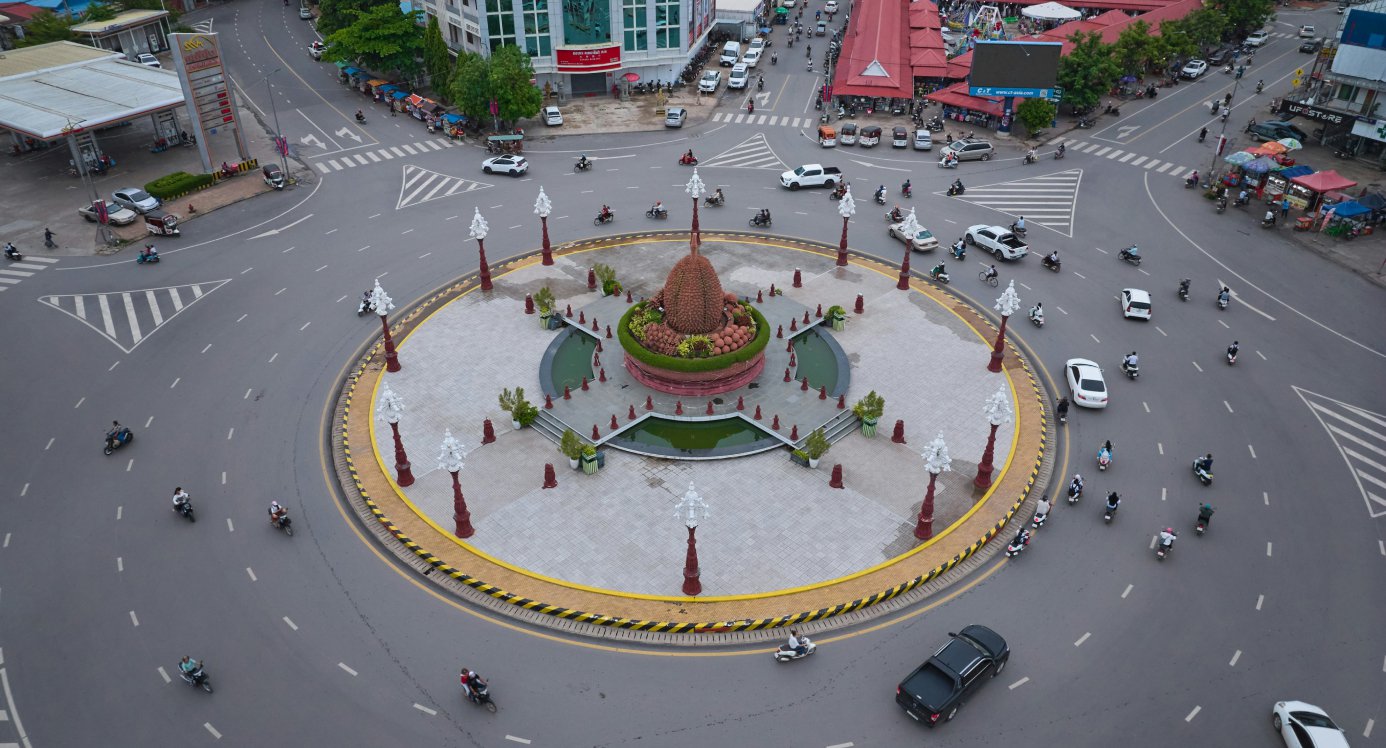
Kampot and Kep are smaller markets where development tends to focus on boutique hotels, resorts, villas and lifestyle property. They may offer lower land costs and a less urban environment than Phnom Penh, but their property markets are considerably less liquid.
How to Choose a Real Estate Developer in Cambodia
The developer’s name should be the beginning of due diligence rather than the end of it. The first consideration is delivery history. Buyers should identify how many projects the company has actually completed and whether handovers took place approximately on schedule.
Completed buildings should then be inspected. Construction quality, elevators, common areas, water systems, parking and maintenance can reveal much more about a developer than a showroom.
Legal documentation is equally important. Buyers should confirm the developer’s corporate registration, the title to the underlying land, applicable construction permits and the project’s eligibility for strata-title ownership where relevant.
The financial structure also matters. A project funded almost entirely through future buyer instalments can have a different risk profile from one supported by substantial developer equity or committed institutional financing.
Finally, buyers should evaluate property management. A development can be well built at handover but deteriorate rapidly if the common areas are poorly maintained or service fees are insufficient.
What Foreign Buyers Should Check Before Buying from a Cambodian Developer
Foreign ownership rules make due diligence particularly important. Cambodian law generally prohibits foreigners from owning land directly. A Cambodian company qualifies as Cambodian for land-ownership purposes only where at least 51% of its ownership is Cambodian.
Foreigners can, however, own qualifying private units in co-owned buildings through the strata-title framework. Foreign ownership can account for up to 70% of eligible private units, while the underlying land remains outside foreign ownership.
The foreign-buyer law also restricts foreign ownership to qualifying units above the ground level. Before buying, an international purchaser should therefore verify the exact ownership title that will be issued rather than relying on general statements that a project is a «foreign freehold.»
A sales agreement should also clearly specify the unit, completion date, payment schedule, handover condition, title-transfer obligations and remedies available if construction is delayed or the project changes materially.
Buying Off-Plan from a Real Estate Developer in Cambodia
Off-plan sales remain common in Cambodia. A buyer typically reserves a unit and then makes staged payments during construction. The developer may offer lower prices during the launch period, flexible instalments or incentives. This approach can reduce the amount of capital required immediately. It also transfers substantial risk to the buyer.
If construction is delayed, the purchaser may have paid a significant proportion of the price without receiving a usable property. If the market weakens, similar completed units may become available for less than the original off-plan price.
Resale can also be difficult during construction because a buyer may compete against the developer’s unsold inventory. Developer payment schedules should therefore be evaluated together with construction milestones rather than simply choosing the longest instalment period. Payments linked to genuine building progress can provide more protection than a schedule based purely on calendar dates.
How to Compare Cambodia Real Estate Developers
A useful comparison should go beyond branding and sales materials.
Criterion | What to evaluate |
Track record | Number and quality of completed developments |
Delivery | Actual vs promised completion dates |
Legal status | Corporate registration, land title and project approvals |
Construction | Materials, contractors and visible progress |
Financial strength | Funding structure and dependence on pre-sales |
Location | Existing demand vs speculative future development |
Pricing | Price per m² compared with completed alternatives |
Management | Service charges and maintenance of previous buildings |
Rental potential | Actual tenant demand rather than projected yields |
Resale | Depth of the secondary market |
Foreign ownership | Strata-title eligibility and remaining foreign quota |
Current compliance | Sanctions, regulatory restrictions or project-specific legal issues |
No single factor is decisive. A respected developer can still have a project in a weak location, while a newer developer may deliver a strong building if its financing, contractors and documentation are sound.
Cambodia Real Estate Development Trends
Shift from Speculation to End-User Demand
One of the clearest changes is greater emphasis on actual residents. During earlier development cycles, many condominiums were marketed primarily as investments. Current projects increasingly need to appeal to people who intend to live in the units. Practical layouts, access to shops, schools, offices and transport therefore matter more.
Greater Emphasis on Developer Reputation
The property correction has made buyers more conscious of completion risk. A record of delivered projects now provides a significant competitive advantage. Developers that can show several completed buildings, active communities and properly maintained facilities can offer evidence that a new entrant cannot.
Focus on Established Locations
BKK1 provides a clear example. Despite already being one of Phnom Penh’s most expensive districts, it continues to attract new projects such as Time Square 9 and G.A.T.O. Tower because developers can point to existing residential and rental demand rather than depending solely on future neighbourhood growth.
Growth of Mixed-Use Projects
Developers are increasingly combining residential property with hotels, offices, retail or leisure components. This can create more attractive urban environments, but it also increases management complexity.
Development of Industrial Real Estate
Manufacturing FDI provides a different growth driver. Factories, warehouses and logistics facilities can benefit from Cambodia’s increasing integration into international supply chains even when residential development remains weak.
Challenges for Real Estate Developers in Cambodia
The first challenge is existing supply. The rapid construction cycle left significant residential and commercial inventory. Developers launching a new project must therefore compete not only with other new developments but also with completed resale units.
Financing is another concern. Cambodia’s prolonged property downturn has contributed to rising non-performing loans, creating greater pressure on banks and borrowers. Developers also face higher expectations from buyers. Investors increasingly ask about titles, construction progress, completed projects and real rental demand.
Regulatory and compliance risk has become more visible as well. The developments involving Prince Group demonstrate that company-level sanctions and regulatory action can directly affect property projects and buyers even when buildings physically exist.
The market therefore increasingly favours developers with transparent ownership, clear documentation and the financial capacity to complete projects without depending excessively on speculative pre-sales.
Are Cambodian Real Estate Developers Reliable?
Cambodia has developers with more than a decade of completed projects, alongside newer companies launching their first major developments. Some large groups have delivered entire urban districts, while other projects in the country have remained unfinished.
Company size alone is therefore an unreliable measure. A stronger test is whether the developer has completed comparable projects, transferred titles successfully and maintained those properties after handover.
For a condominium investment, it is particularly useful to visit an older project by the same developer. Occupancy, common-area maintenance, service charges and resale listings provide evidence of what the new development may look like several years after completion.
For a new developer without such a history, buyers can compensate by conducting deeper checks on the project’s funding, land, construction contractor and contractual protections.
Cambodia Real Estate Development Outlook
Cambodia is unlikely to return immediately to the broad speculative construction boom of the previous decade. The country’s economy continues to attract substantial foreign investment, but the real estate sector is still absorbing the consequences of earlier overdevelopment. The World Bank expects Cambodia’s economic growth to moderate to 3.9% in 2026 before recovering to 4.9% in 2027.
The development outlook is therefore likely to remain selective. Prime Phnom Penh districts can continue attracting premium residential projects, while suburban housing will be driven increasingly by Cambodian owner-occupiers.
Large urban developers such as OCIC will continue shaping new districts through infrastructure and master planning, while the industrial and logistics market may benefit from manufacturing FDI.
At the project level, the emphasis is shifting from quantity to quality. Location, developer track record, completed infrastructure, building management and genuine end-user demand are becoming more important than promises of rapid capital appreciation. For buyers, that transition is positive in one respect: it makes it easier to distinguish strong developments from projects that depend mainly on aggressive marketing.
FAQ about real estate developers in Cambodia
Major and active development names include OCIC, ISI LAND, formerly Urbanland, Megakim World Corp and a range of Cambodian and foreign-backed developers. Prince Real Estate also has a substantial historical portfolio, although Prince-linked projects are currently affected by major sanctions and regulatory developments.
OCIC is particularly important in large-scale master-planned developments, while ISI LAND has developed residential, commercial and community projects. Megakim is active in condominiums through its Time Square series, and Miraku Capital & Development entered the premium market with G.A.T.O. Tower.
Compare completed projects, delivery history, title and permit documentation, construction quality, financing, property management and resale performance. The specific project should be checked separately even when the developer is well established.
Reliability varies considerably. Some Cambodian developers have long records of successful delivery, while the market also contains delayed and unfinished projects. Previous completion history is one of the most useful indicators.
Check the developer’s legal identity, ownership of or rights to the project land, construction permits, title structure, financing, contractual completion date, payment terms and previous projects.
Yes, where the property legally qualifies for foreign ownership. Foreign purchasers commonly buy strata-title condominiums directly from developers.
Yes. Foreign buyers can purchase qualifying off-plan condominium units, but they should confirm that the completed building will qualify for strata-title ownership and remain within the statutory foreign ownership quota.
A strata title gives an owner registered rights over an individual private unit in a co-owned building together with specified rights relating to common areas. Cambodia permits qualifying foreigners to own such units subject to statutory restrictions.
Risks include construction delays, non-completion, developer financial problems, changes in market prices, weak rental demand and difficulty reselling before or after handover.
Central districts including BKK1, BKK3 and Tonle Bassac remain active in condominium development, while Sen Sok and other suburban districts have significant landed-housing development. Koh Pich and Norea City represent larger master-planned urban developments.
Projects include condominiums, borey housing, villas, offices, shopping centres, hotels, mixed-use towers, warehouses, industrial parks and complete urban districts.
New development continues, but growth is selective. Cambodia is still dealing with a broader property downturn, while stronger projects in established locations and industrial sectors continue to move forward.
The market is likely to focus increasingly on quality, established locations and genuine end-user demand. Phnom Penh should remain the principal development centre, while industrial and logistics property may benefit from continued manufacturing investment.
We will send you a content digest not more than once a week