Cambodia Real Estate Market in 2026
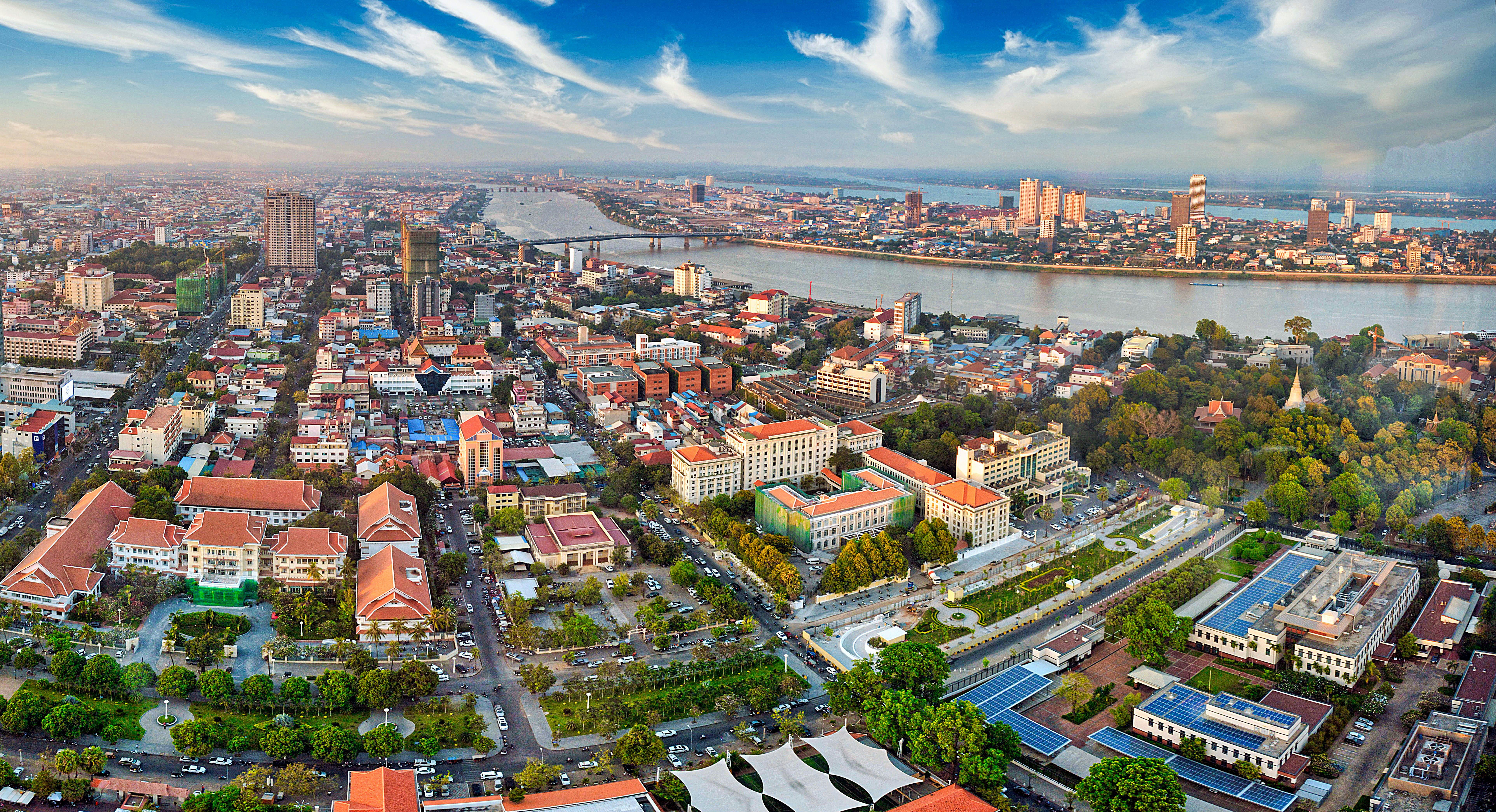
The Cambodia real estate market is going through a period of adjustment after years of rapid construction and property-led growth. In 2026, the market combines weak conditions in some legacy projects with renewed activity in selected condominium, industrial and income-producing property segments.
The wider property downturn remains an economic risk. The World Bank describes Cambodia as facing a prolonged real estate correction that has weakened construction activity and contributed to rising non-performing loans. At the same time, foreign direct investment remains strong, particularly in manufacturing, and selected residential projects are returning to the market.
For property buyers, this means Cambodia is no longer a market where investors can simply rely on rapid construction and general price appreciation. Location, developer quality, rental demand, legal title and resale liquidity have become considerably more important.
Overview of the Cambodia Real Estate Market
Cambodia’s property market consists of several distinct segments: condominiums, apartments, landed houses, residential complexes, villas, commercial buildings, offices, retail property, hotels, industrial facilities and development land.
Phnom Penh is by far the country’s largest and most diversified real estate market. Siem Reap is more closely linked to tourism, while Sihanoukville combines residential property with tourism, logistics, port activity and industrial investment.
The market has changed considerably since the construction boom of the late 2010s. Developers are increasingly focusing on projects with established residential demand rather than purely speculative investment appeal.
The World Bank continues to identify the property downturn as one of Cambodia’s main domestic economic weaknesses in 2026. Non-performing loans rose to 8.9% in 2025, partly reflecting stress in real estate and related sectors.
At the same time, the condominium segment is showing selective signs of stabilisation. Developers launched new projects in early 2026, while buyer interest has increasingly concentrated on established areas, reputable developers and practical unit types.
Cambodia Real Estate Market Trends in 2026
Property Market Recovery and Stabilisation
The recovery is uneven. Cambodia’s broader real estate sector remains under pressure, but some parts of the condominium market are showing stronger buyer activity and renewed development.
Tranio reported four major condominium launches during the first quarter of 2026. More recent projects have tended to focus on established Phnom Penh districts with proven rental demand and better-quality facilities rather than relying only on speculative buyers.
This represents an important shift in the Cambodia property market. During the earlier development cycle, a large portion of condominium supply was marketed primarily to foreign investors. In 2026, developers are placing greater emphasis on liveability, efficient layouts, amenities and long-term occupancy.
Prices are also becoming more differentiated. Strong projects in desirable districts can maintain relatively high asking prices, while older buildings or developments in oversupplied locations may need to compete more aggressively.
Growing Role of Cambodian Buyers
Local demand is becoming more important. According to Tranio’s 2026 condominium analysis, Cambodian buyers account for just over one-fifth of recorded condominium transactions in its dataset. The portal says developers are increasingly adapting their products to younger Cambodian buyers who prioritise affordability, convenience and modern amenities.
One-bedroom apartments dominate buyer preferences in Phnom Penh, accounting for around 61% of the unit mix in the 2026 analysis. Two-bedroom units represented approximately 20.5%, studios 10.1% and three-bedroom properties 8.4%. This trend may help make the condominium market less dependent on overseas investment demand over time.
Foreign Demand
Foreign buyers nevertheless remain important, particularly in the condominium sector. Foreign purchasers accounted for more than three-quarters of condominium purchases in the 2026 transactional dataset by Tranio. Chinese buying has declined compared with earlier market cycles, while buyer activity from countries including Russia, Poland, France and the United States has increased.
This diversification reduces dependence on a single foreign-buyer market, although international demand remains sensitive to economic conditions, currency movements and investor sentiment.
Phnom Penh Real Estate Market
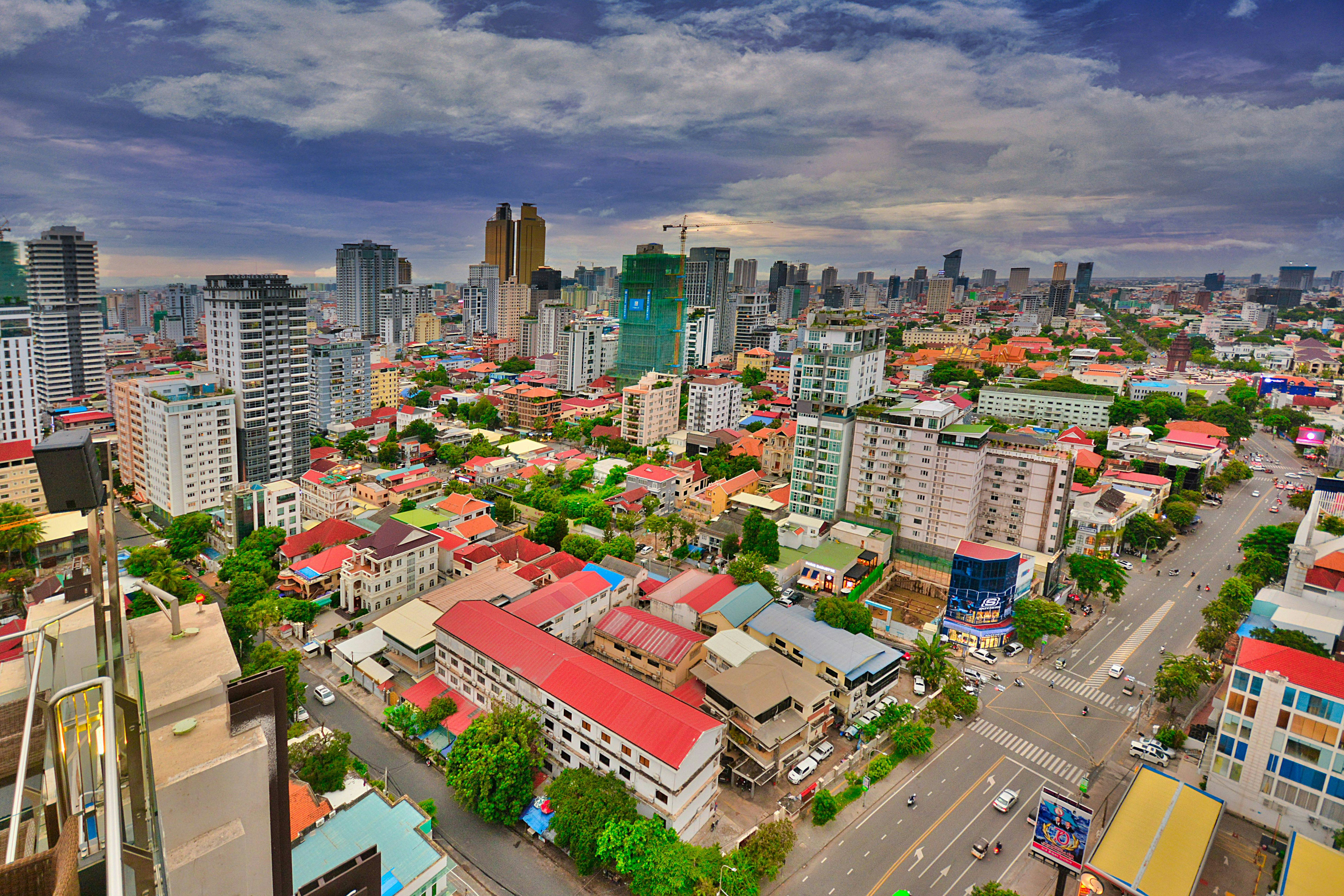
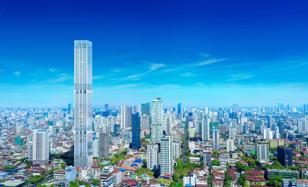
Phnom Penh remains the centre of Cambodia’s residential and commercial real estate sector. The capital has the country’s largest concentration of condominiums, offices, retail space, serviced apartments and large-scale residential developments. It also has the deepest tenant market because demand comes from Cambodian households, expatriates, corporate employees, embassies, international organisations and businesses.
Live listings on Tranio currently indicate an overall Phnom Penh residential asking price of approximately $1,624 per m², although this figure covers multiple property types and should not be interpreted as an achieved transaction price. Actual values vary greatly between central apartments, suburban houses, villas and development land.
 From $98,000
Completion in: 2029.I Total of 600 apartments

 From $82,000
Completion in: 2027 Total of 700 apartments
 From $275,000
Built in 2026 Total of 138 apartments
 From $308,000
Completion in: 2028 Total of 360 apartments

 From $126,000
Built in 2026 Total of 591 apartments
 From $50,000
Yield 7.0% Built in 2024
Phnom Penh Condominium Market
Condominiums are the part of the market most accessible to foreign individual buyers. Tranio’s 2026 market analysis puts the average Phnom Penh condominium price at about $1,800 per m² gross. Current live apartment and condominium listings indicate a median asking level of approximately $1,739 per m², with considerable differences between projects and districts.
Premium developments in BKK1 and other central locations can exceed $2,500—$3,000 per m², while projects in peripheral locations can be available well below $1,500 per m². The condominium market has also become more selective. Buyers increasingly differentiate between developers with a record of delivering projects and those offering less proven off-plan products.
Popular Phnom Penh Districts
BKK1 remains the leading condominium location among buyers tracked by Tranio, accounting for 36.1% of buyer interest in its 2026 analysis. Toul Tom Poung followed with 22.5%, with Mean Chey, BKK3 and Toul Kork also appearing among the leading locations.
BKK1 is popular because of its central location, restaurants, offices, international schools and established expatriate rental market. Tonle Bassac also attracts renters and investors because of its proximity to BKK1, major retail centres and central business areas.
Toul Kork is an established residential district with schools, larger units and growing condominium supply. Sen Sok has developed rapidly around shopping centres, residential compounds and new infrastructure. Chroy Changvar offers newer developments across the river from central Phnom Penh and can provide larger units at lower prices than prime central districts.
Prime vs Emerging Districts
Prime areas generally offer stronger rental demand and better resale visibility, but buyers pay a premium. Emerging districts can offer lower entry prices and more potential upside if infrastructure and population growth continue.
However, rental demand may be shallower and resale periods longer. For this reason, investors should compare not only price per square metre but also actual occupancy, competing supply and the profile of likely tenants.
Cambodia Property Prices
There is no single reliable average that describes all Cambodia property prices. Current national listings on Tranio show a median asking price of roughly $177,000 and approximately $1,461 per m², but these figures combine condominiums, houses, villas and other residential properties across markets with very different characteristics.
From $98,000
Completion in: 2029.I Total of 600 apartments
 From $177,000
Completion in: 2029.III Total of 1300 apartments
From $82,000
Completion in: 2027 Total of 700 apartments
From $275,000
Built in 2026 Total of 138 apartments
From $308,000
Completion in: 2028 Total of 360 apartments
From $126,000
Built in 2026 Total of 591 apartments
Asking prices should also not be confused with completed transaction prices. Cambodia does not have a comprehensive public database showing achieved residential sale prices nationwide.
Condominium Prices
For Phnom Penh condominiums, approximately $1,800 per m² is a useful 2026 benchmark, but individual developments can range substantially above or below this level. Entry-level and suburban projects may be offered around $1,000—$1,500 per m².
Mid-market developments in established locations often fall around $1,500—$2,500 per m². Prime central projects can exceed $2,500—$3,000 per m², depending on the building, floor, amenities and developer.
Higher floors may also cost more. In many Phnom Penh new developments, developers apply floor premiums of approximately $20—$40 per m² for each higher storey, although this varies by project.
From $98,000
Completion in: 2029.I Total of 600 apartments
From $82,000
Completion in: 2027 Total of 700 apartments
From $275,000
Built in 2026 Total of 138 apartments
From $308,000
Completion in: 2028 Total of 360 apartments
From $126,000
Built in 2026 Total of 591 apartments
From $50,000
Yield 7.0% Built in 2024
House and Villa Prices
Houses and villas are more difficult to compare because their value includes land. In Phnom Penh, landed properties in residential complexes can range from relatively affordable link houses to multimillion-dollar villas.
Location, plot size, road access, developer reputation and proximity to the city centre are major pricing factors. Landed property is also less straightforward for foreign buyers because foreigners cannot directly own Cambodian land.
Land Prices
Land values can differ dramatically even within the same city. Central Phnom Penh land can command very high prices where development density and commercial use are permitted, while suburban and provincial plots may cost a fraction of central values.
Investors should evaluate land according to zoning, title quality, infrastructure, road frontage, permitted construction and development potential rather than price per square metre alone.
Real Estate Market in Cambodia by Location
Phnom Penh
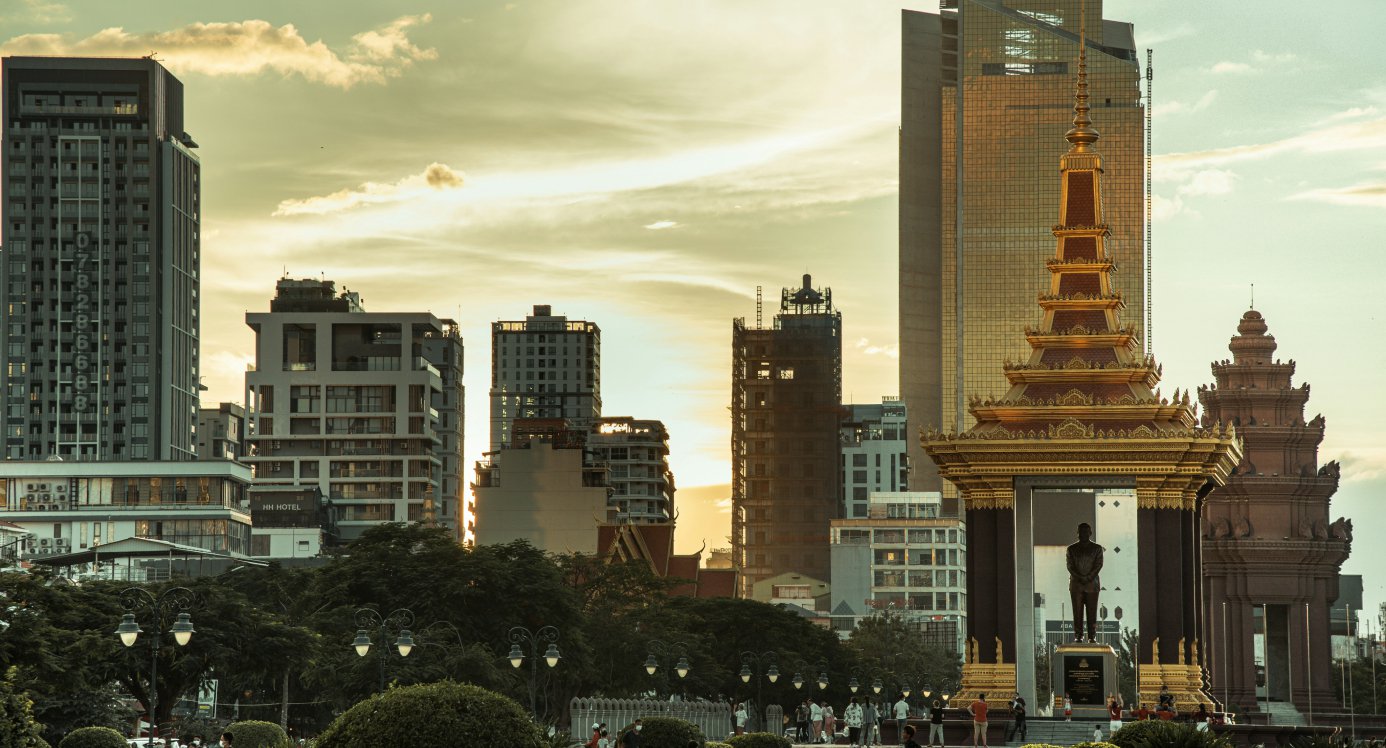
Phnom Penh has the country’s broadest property market and generally provides the deepest rental demand. For investors, condominiums are particularly important because they can be owned directly by qualifying foreign purchasers. The capital also dominates the national condominium sector. More than 70% of condominium sales recorded in Tranio’s 2026 analysis occurred in Phnom Penh.
Siem Reap

Siem Reap is closely connected with tourism and the Angkor temple economy. Its market contains houses, villas, hotels, guesthouses, land and a relatively small condominium sector. Current listings indicate an overall median residential asking price of approximately $159,500 and around $1,250 per m² for properties where floor-area data are available. Condominiums represent only a small part of the city’s listed stock.
For condominiums specifically, current listings show a median asking level of around $1,803 per m², although the sample is much smaller than in Phnom Penh. Tourism recovery can support hotels, serviced apartments and rental accommodation, but investment performance remains more dependent on visitor demand than in Phnom Penh.
Sihanoukville
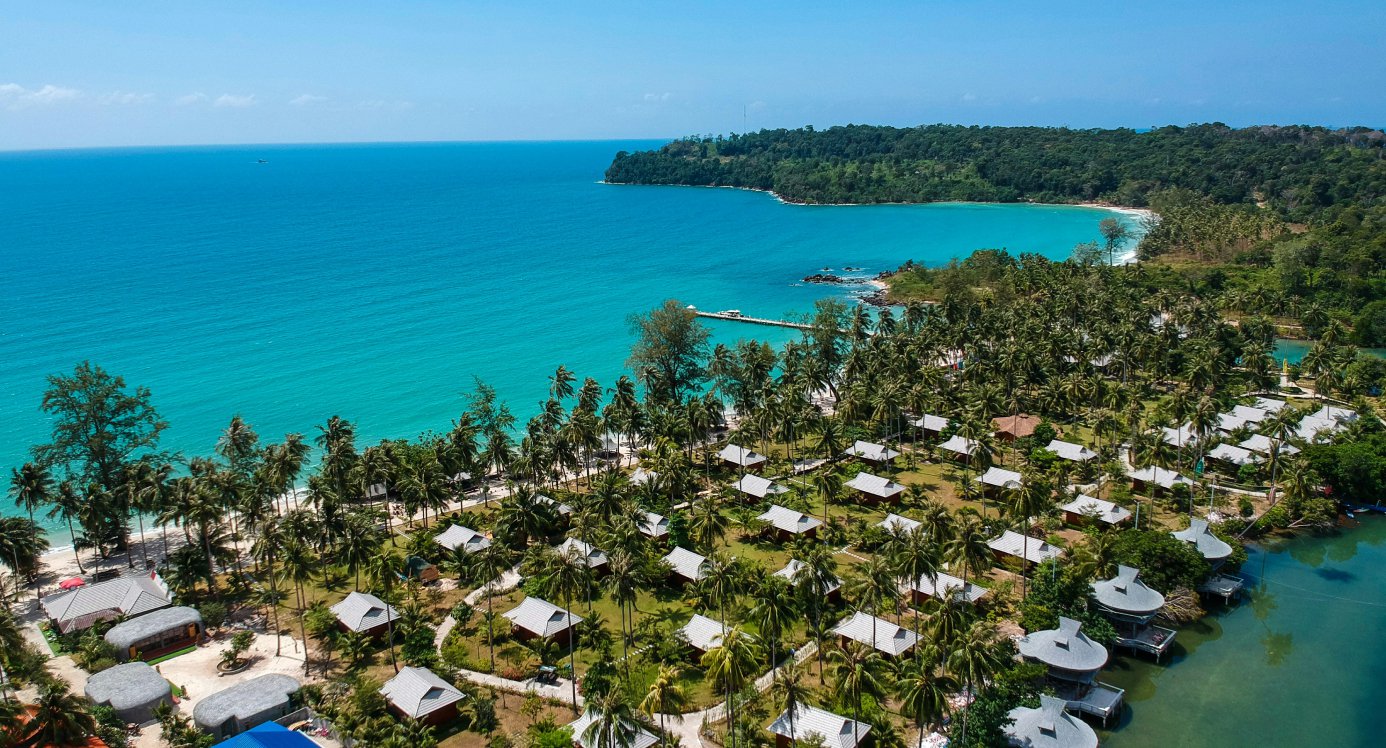
Sihanoukville experienced one of Cambodia’s most dramatic property cycles. Large-scale Chinese-backed development transformed the city during the late 2010s, followed by a severe correction and numerous unfinished projects. The city’s long-term fundamentals include Cambodia’s main deep-water port, industrial development, tourism and proximity to Special Economic Zones.
Current listing data indicate residential asking prices of approximately $1,818 per m², with a median total asking price close to $200,000, although the market contains a wide range of property types and quality levels. Sihanoukville can offer opportunities, but investors should pay particular attention to developer completion risk, oversupply and actual occupancy.
Other Emerging Locations

Kampot has developed as a lifestyle and tourism destination and attracts boutique hospitality and residential investment. Kep is smaller and more tourism-oriented, with resort, villa and land opportunities. Battambang has a substantial local population but a less international property market.
Industrial areas around Phnom Penh, Sihanoukville and major transport corridors may become increasingly important for warehouses, factories and logistics assets as manufacturing FDI expands.
Cambodia Real Estate Market by Property Type
Condominiums
Condominiums are the most internationally traded segment of Cambodia’s residential property market. They are particularly important because qualifying strata-title units can be owned directly by foreigners.
Cambodia had approximately 64,000 existing condominium units nationwide by the end of 2025, according to Tranio’s 2026 market analysis. The large existing stock means investors should examine competing buildings carefully.
Apartments
Cambodia’s apartment market includes conventional rental buildings and serviced apartments. Many apartment buildings are owned as single assets rather than divided into individually titled units. Serviced apartments remain popular with expatriates and corporate tenants, particularly in central Phnom Penh.
From $98,000
Completion in: 2029.I Total of 600 apartments
From $177,000
Completion in: 2029.III Total of 1300 apartments
From $82,000
Completion in: 2027 Total of 700 apartments
From $275,000
Built in 2026 Total of 138 apartments
From $308,000
Completion in: 2028 Total of 360 apartments
From $126,000
Built in 2026 Total of 591 apartments
Residential Complexes
A «borey» is a gated or master-planned landed residential development, typically containing link houses, shophouses, twin villas and detached villas. They are primarily driven by Cambodian buyers rather than foreign individual investors because the underlying properties include land. They have become a major feature of suburban Phnom Penh, particularly in districts experiencing population growth and infrastructure development.
Commercial Property
Commercial real estate includes offices, retail space, mixed-use buildings and shophouses. Current Phnom Penh office listings show a median asking rent of about $12 per m² per month, although quality, building grade and location produce substantial variation. Central office markets face competition from new supply, so tenant demand and occupancy are more important than headline rent.
Hospitality Property
Hotels, resorts and serviced residences are concentrated in Phnom Penh, Siem Reap, Sihanoukville, Kampot and other tourism destinations. Returns depend heavily on management quality, occupancy, seasonality and tourism flows. Hotel property therefore behaves more like an operating business than a conventional passive apartment investment.
Industrial and Logistics Real Estate
Industrial and logistics property has become an increasingly important segment because of Cambodia’s manufacturing growth and foreign direct investment. Strong manufacturing investment can support demand for factories, warehouses, logistics centres and facilities near Special Economic Zones, ports and major transport routes. The World Bank reports that manufacturing FDI continues to provide an important source of investment and employment despite weakness in the property sector.
Cambodia Condominium Market
Condominium Supply
Condo supply increased rapidly during the previous property boom and reached around 64,000 existing units nationwide in 2025. BKK1 has the largest concentration of existing condominium stock among Phnom Penh districts tracked in the 2026 market study.
Despite the large inventory, developers have returned selectively to launching new projects. The focus has shifted toward established locations and projects that can demonstrate construction progress and stronger lifestyle credentials.
Condominium Demand
Foreigners remain the largest buyer group in the condominium market, but Cambodian demand is rising. Developers are increasingly designing units for local owner-occupiers as well as investors. This can improve the long-term resilience of the sector because genuine residential demand is generally less volatile than purely speculative foreign buying.
Most Popular Condo Types
One-bedroom properties are currently the dominant unit type. They represent around 61% of buyer preferences in Phnom Penh and approximately 72% of condominium rental demand in Tranio’s 2026 analysis. Their popularity reflects lower purchase prices, easier rental affordability and demand from single professionals and couples.
Two-bedroom apartments can suit couples, families and shared accommodation but require a larger investment. Studios offer the lowest entry price but can face substantial competition in buildings with many similar units. Three-bedroom units have a smaller buyer market but can perform well in central locations where suitable family apartments are relatively scarce.
Supply and Demand in the Cambodia Property Market
Oversupply remains one of the most important issues. Cambodia produced large volumes of residential and commercial property during the previous construction cycle. In some locations, this supply expanded faster than genuine local and rental demand.
The correction has encouraged developers to reduce new supply and concentrate on stronger projects. Demand is also changing. Local buyers are becoming more important, while international condominium demand is more geographically diversified than before.
The healthiest market segments are likely to be those supported by end users, permanent residents, businesses and tenants rather than speculative resale expectations.
Rental Market in Cambodia
Phnom Penh Rental Market
Phnom Penh has the country’s deepest rental market. Demand comes from Cambodian professionals, expatriates, international companies, diplomatic staff and foreign entrepreneurs. BKK1 is the most popular condominium rental area in the 2026 market analysis, followed by Tonle Bassac, Daun Penh, Toul Tom Poung and BKK3. One-bedroom units account for around 72% of rental demand in the dataset.
Rental Prices
Rental prices vary sharply according to location and building quality. A modern one-bedroom apartment outside the most expensive central districts can rent for several hundred dollars per month, while luxury serviced apartments in BKK1 or Tonle Bassac can command much higher rents.
Current Phnom Penh-wide listing data show a median asking rent of about $800 per month across residential property types, but this average should not be applied directly to individual condominiums.
Rental Yields
Current listing data suggest an overall gross yield of approximately 4.8% for Phnom Penh residential property, based on median asking rents and asking prices. Individual condominium investments can produce significantly higher or lower yields.
Gross yield should always be distinguished from net yield. Service charges, property management, agency commissions, vacancy, repairs, furnishing and taxes reduce the return actually received by an owner. For investment analysis, it is better to use achievable long-term rental figures rather than developer-guaranteed or projected returns.
Foreign Buyers in the Cambodia Real Estate Market
Can Foreigners Buy Property in Cambodia?
Yes, but direct ownership is largely limited to eligible units in co-owned buildings. Under Cambodia’s Law on Providing Foreigners with Ownership Rights in Private Units of Co-Owned Buildings, foreigners can own qualifying strata-title units above the ground floor.
Foreign ownership is limited to 70% of private residential units in a qualifying co-owned building. Foreigners are not permitted to own the underlying land. The strata title is therefore one of the most important documents for foreign buyers.
Can Foreigners Own Land?
Foreigners cannot directly own Cambodian land. Land ownership is reserved for Cambodian citizens and qualifying Cambodian legal entities. Alternative structures can include long-term registered leases or a Cambodian-majority company where appropriate, but these do not provide the same rights as direct personal freehold ownership. Foreign investors should be particularly cautious with informal nominee structures because contractual control does not necessarily equal legal ownership.
Property Due Diligence for Foreign Buyers
Before purchasing, an investor should confirm the legal title, ownership history, mortgages or other encumbrances, building approvals, developer identity and foreign ownership quota.
For off-plan condominiums, buyers should also verify whether the developer has the legal right to develop the land and whether the completed unit will qualify for strata-title registration. Due diligence becomes especially important where the property is marketed with guaranteed rental returns or complex lease structures.
New-Build and Off-Plan Property Market
Buying Off-Plan Property in Cambodia
Off-plan property can offer lower launch prices and extended payment schedules. Developers may allow buyers to pay during construction rather than financing the entire purchase at completion. Early buyers can also have a wider choice of floors and layouts. However, any potential price advantage needs to be balanced against construction risk.
Risks of Off-Plan Investment
The main risks are delay, non-completion, developer financial problems and a weaker market by the time the property is delivered. Rental projections can also prove optimistic.
A project advertised with a high rental guarantee should be assessed according to who is legally responsible for making those payments and whether the underlying rental market realistically supports them. Resale during construction can also be difficult if the developer is still selling similar new units.
How to Assess a Developer
A strong track record is particularly valuable in the current market. Completed buildings provide evidence of construction quality, title issuance, management standards and actual occupancy. Investors should also examine construction progress, financing arrangements, the terms of the sale contract and the developer’s obligations if completion is delayed.
Cambodia Commercial Real Estate Market
Office Property
Phnom Penh contains Grade A, Grade B and smaller local office buildings. New supply has increased competition, giving tenants more choice and placing pressure on weaker or older properties. Current listing data show office asking rents around $12 per m² per month at the market-wide median, although prime offices can be significantly more expensive. For investors, tenant quality and occupancy can be more important than nominal rent.
Retail Property
Cambodia has developed shopping malls, community centres and mixed-use retail projects alongside traditional street retail. Retail performance depends strongly on location, surrounding population, tenant mix and consumer spending. Well-established centres can attract international retailers, while oversupplied or poorly positioned projects may struggle to maintain occupancy.
Industrial Property
Industrial and logistics real estate may have stronger structural demand than several traditional property sectors because Cambodia continues to receive manufacturing investment. Factories, warehouses and logistics facilities near Special Economic Zones and transport infrastructure can benefit from growth in production and exports.
What Drives the Cambodia Real Estate Market?
Several forces shape property demand. Economic growth and employment affect household purchasing power. Foreign direct investment generates demand for factories, offices, warehouses and housing. Urbanisation increases long-term residential demand in Phnom Penh and secondary cities.
Infrastructure can change the attractiveness of suburban areas and industrial corridors. Tourism affects hospitality and short-term accommodation markets in Siem Reap, Sihanoukville and other destinations. Credit conditions are also important. A property market dependent on high leverage can weaken when banks tighten lending, which has been part of Cambodia’s recent correction.
Property Taxes and Transaction Costs in Cambodia
Property buyers should include taxes and transaction expenses in their investment calculations. Cambodia generally imposes 4% stamp tax on transfers of immovable property. An annual tax on immovable property is generally charged at 0.1% of the taxable property base, subject to the applicable threshold and valuation rules. Rental income can also create tax obligations.
Cambodia is introducing a 20% capital gains tax regime. Capital gains tax on investment assets, leases, goodwill, intellectual property and foreign currency became effective from 1 January 2026, while implementation for capital gains from immovable property is scheduled for 1 January 2027. Investors should therefore distinguish between the tax rules applying during ownership, transfer taxes on purchase or sale and the future capital gains regime.
Risks in the Cambodia Real Estate Market
Oversupply
Excess supply remains one of the principal risks, particularly in the condominium sector. The national condominium stock reached approximately 64,000 units in 2025, and not all buildings have equally strong occupancy. Projects competing primarily on discounts rather than location or quality can face continuing pressure.
Developer Risk
Cambodia has experienced delayed and unfinished projects. The current market increasingly rewards developers with completed buildings and recognised track records. For an off-plan investor, developer risk can be more important than the theoretical appreciation potential.
Liquidity Risk
The secondary market is less developed than in mature property markets. Selling an apartment can take time, particularly if many comparable units remain available directly from the developer. An investment that works only if it can be resold quickly should therefore be treated cautiously.
Title and Legal Risk
Cambodia has several forms of property rights and title documentation. Foreign buyers need to ensure that the property can legally be owned in their name and that the title matches the asset being marketed. Land ownership restrictions also make legal structuring more important for houses, villas and land.
Economic and Financing Risk
The property downturn has contributed to pressure within Cambodia’s financial system. The World Bank reported that the banking sector’s non-performing loan ratio reached 8.9% in 2025, up from 7.4% in 2024. Tighter lending can reduce both developer financing and buyer purchasing power, potentially slowing recovery.
Is Cambodia Real Estate a Good Investment?
Cambodian property can be attractive, but investment quality varies widely. The market offers relatively accessible condominium entry prices, direct strata ownership for foreigners, rental demand in Phnom Penh and long-term exposure to urbanisation and economic development.
At the same time, investors face oversupply, developer risk, a relatively illiquid secondary market and restrictions on foreign land ownership. The strongest opportunities are therefore likely to be properties with a clear economic purpose: a well-located apartment serving actual tenants, industrial property serving expanding manufacturers or hospitality assets with demonstrated operating demand.
Purchasing primarily because a property is inexpensive compared with Singapore, Bangkok or another regional city is not sufficient. A lower price can reflect lower liquidity and weaker demand.
Cambodia Real Estate Market vs Other Southeast Asian Markets
Cambodia differs from its neighbouring property markets in several important ways. Foreign buyers can own up to 70% of qualifying private units in a Cambodian co-owned building, which is relatively liberal compared with Thailand’s commonly applied 49% foreign condominium quota.
Cambodia also offers lower entry prices than many prime districts in Bangkok, Kuala Lumpur or major Vietnamese cities. However, those larger markets generally have deeper domestic demand, more developed mortgage systems and more liquid resale markets. Cambodia may therefore offer higher emerging-market upside in selected segments, but investors accept greater developer, liquidity and market-cycle risk.
Cambodia Real Estate Market Outlook
Short-Term Outlook
The near-term outlook is one of gradual adjustment rather than a broad property boom. The World Bank expects Cambodia’s real GDP growth to moderate to 3.9% in 2026 before recovering to 4.9% in 2027, while continuing to identify the property downturn as a domestic vulnerability.
Residential prices are therefore unlikely to move uniformly. High-quality developments in established districts may perform better than secondary projects in oversupplied areas. Rental income is also likely to remain more important to investors than assumptions of rapid capital appreciation.
Long-Term Outlook
Cambodia still has structural factors that can support real estate over the longer term. Urbanisation, population growth, manufacturing investment, infrastructure development and expansion of the domestic middle class can increase demand for housing, industrial property and commercial space.
The condominium sector may also become more sustainable as Cambodian buyers represent a larger proportion of demand. The market is therefore evolving from a highly speculative development cycle toward a more differentiated market in which asset quality, rental income, location and end-user demand matter increasingly.
FAQ about real estate market in Cambodia
Cambodia is still experiencing a broader property-sector downturn in 2026, but selected condominium projects and locations are showing signs of stabilisation and renewed development.
There is no single national trend. Some oversupplied and older projects remain under pressure, while well-located new developments can maintain stronger pricing. The market is increasingly differentiated by location, developer and property quality.
Current national listings indicate a median residential asking price of roughly $177,000 and about $1,461 per m², but these figures combine many different types of property and locations.
Tranio’s 2026 condominium market analysis places the average Phnom Penh condo price at approximately $1,800 per m² gross.
Parts of the market are stabilising. New condominium projects have launched in 2026 and demand is increasingly focused on strong developers and established neighbourhoods, but the wider property sector remains under pressure.
Yes. Foreigners can directly own qualifying strata-title units in co-owned buildings, subject to legal restrictions.
No. Foreign individuals cannot directly own Cambodian land. They can consider legal alternatives such as registered long-term leases or appropriately structured Cambodian-majority companies.
BKK1 has the strongest recorded condominium buyer interest, while Tonle Bassac, Toul Tom Poung, BKK3, Toul Kork, Sen Sok and Chroy Changvar can suit different investment strategies.
Current Phnom Penh-wide asking data imply a gross residential yield of around 4.8%, although individual condominiums can perform substantially above or below this level. Net yields are lower after expenses.
Supply is substantial. Cambodia had around 64,000 existing condominium units nationwide by the end of 2025, with Phnom Penh accounting for the majority of the market. Investors should therefore assess competing supply at district and building level.
It can be attractive for investors who select assets with genuine rental or end-user demand and are comfortable with emerging-market risk. It is less suitable for strategies dependent on rapid resale or guaranteed price appreciation.
The main risks include oversupply, developer delays, limited resale liquidity, title issues, foreign land ownership restrictions, vacancy and the wider property-sector downturn.
The short-term outlook remains cautious, with continued pressure in weaker projects. Over the longer term, urbanisation, manufacturing investment, infrastructure and growing Cambodian buyer demand could support stronger property segments.
We will send you a content digest not more than once a week