Phnom Penh Real Estate Market in 2026
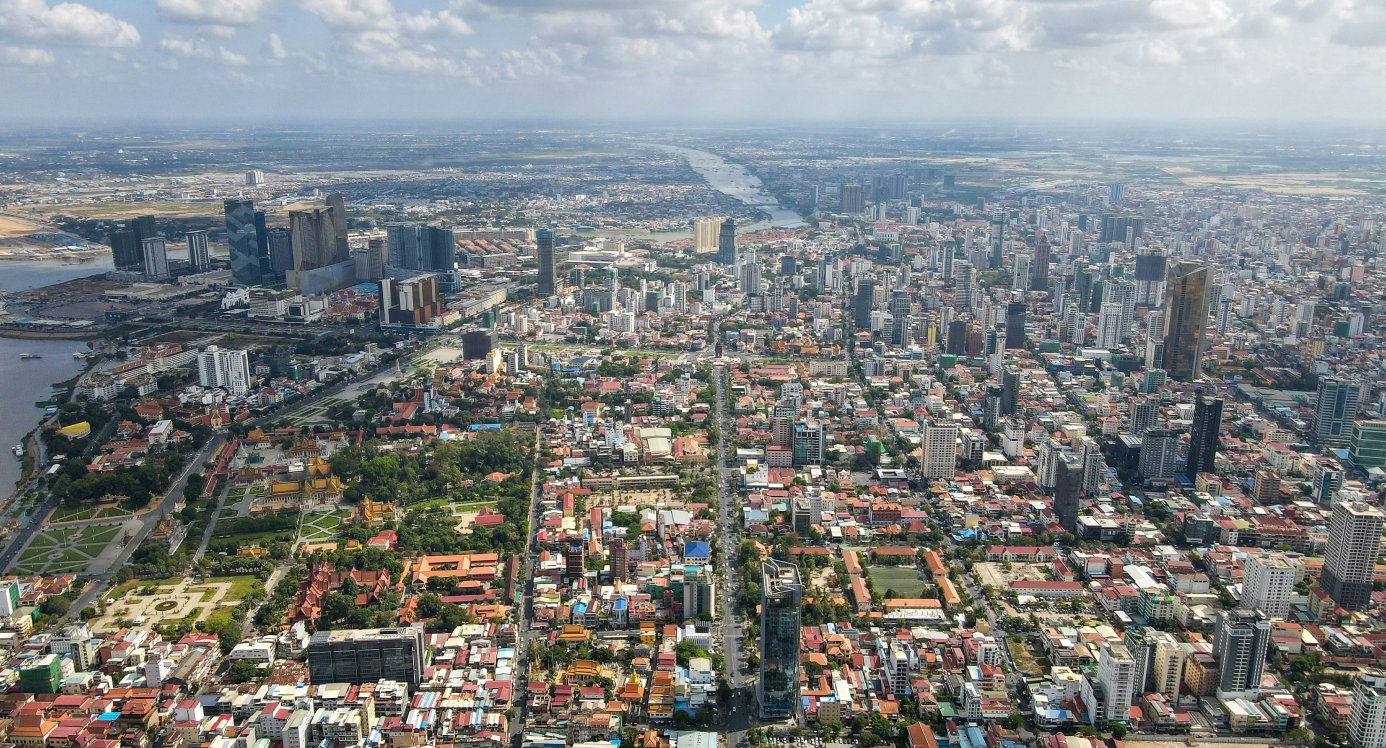
The Phnom Penh real estate market is Cambodia’s largest and most diverse property market, covering condominiums, serviced apartments, landed housing, offices, retail property, warehouses and development land. In 2026, it remains in a period of adjustment following the construction and credit boom of the previous decade.
Cambodia’s wider property sector is still under pressure. The World Bank describes the country as navigating a property-sector downturn and reports that non-performing loans reached 8.9% in 2025. At the same time, foreign direct investment reached $5.1 billion, supporting manufacturing and employment, while Cambodia’s economy is forecast to grow by 3.9% in 2026.
For Phnom Penh property investors, this creates a mixed market. Oversupply and weak resale liquidity remain concerns in some developments, but central locations with established rental demand continue to attract buyers. New condominium launches in 2026 are increasingly concentrated in mature neighbourhoods and are putting greater emphasis on developer reliability, amenities and long-term liveability.
Overview of the Phnom Penh Real Estate Market
Phnom Penh is Cambodia’s political, commercial and financial centre. It has the country’s deepest market for residential rentals and the largest concentration of condominiums, offices, shopping centres and mixed-use developments.
Current live listings on Tranio put the city-wide median residential asking price at approximately $200,000, with an asking price of about $1,624 per m² for properties where floor area is available. Median asking rent is around $800 per month, implying a headline gross yield of approximately 4.8%.
These figures should be treated as market indicators rather than transaction statistics. Cambodia does not publish a comprehensive public register of residential sale prices, so most readily available price data relate to asking prices rather than the amounts ultimately paid by buyers.
The main sources of residential demand are Cambodian households, young professionals, expatriates, employees of foreign companies and international organisations. Foreign investors remain particularly important in the condominium segment because condos are one of the few forms of Cambodian real estate that foreigners can own directly under specific conditions.
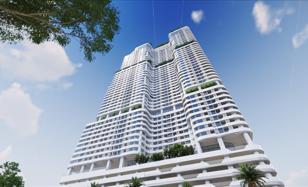
 From $98,000
Completion in: 2029.I Total of 600 apartments
 From $177,000
Completion in: 2029.III Total of 1300 apartments

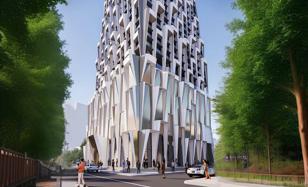 From $82,000
Completion in: 2027 Total of 700 apartments
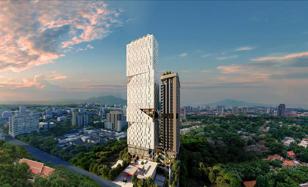 From $275,000
Built in 2026 Total of 138 apartments
 From $308,000
Completion in: 2028 Total of 360 apartments
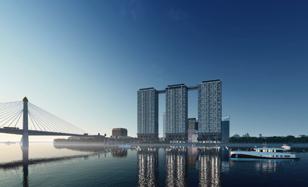 From $126,000
Built in 2026 Total of 591 apartments
Phnom Penh Real Estate Market Trends in 2026
Market Stabilisation After the Property Downturn
The property market is not experiencing a broad-based boom in 2026. Instead, conditions vary considerably between projects and districts. The correction that followed Cambodia’s previous construction boom has left significant residential inventory and has increased pressure on developers and banks. The World Bank links the prolonged property downturn with rising financial-sector stress and weaker asset quality.
At the same time, new activity has not stopped. Several significant Phnom Penh condominium projects broke ground or reached important construction milestones in 2026. New launches increasingly favour locations with existing residents and proven rental demand rather than undeveloped areas where appreciation depends mainly on future infrastructure.
This makes the market more selective. Completed buildings with good occupancy and recognised developers can perform very differently from unfinished or heavily investor-oriented projects in oversupplied areas.
Growing Domestic Buyer Demand
Cambodian buyers are becoming more important in the condominium segment. Tranio’s 2026 analysis indicates that Cambodian purchasers account for just over 20% of condominium buyers, compared with 18.2% in its previous analysis. Foreign purchasers still represent the majority, but younger Cambodian professionals and couples are increasingly considering condos as primary residences rather than only landed houses.
This shift could strengthen the market over the long term. A larger owner-occupier base makes the condo sector less dependent on foreign investment cycles and speculative purchases.
Foreign Buyer Trends
International investors continue to play a major role in Phnom Penh real estate, particularly in central condominium developments. The foreign buyer base is also becoming more diverse. Instead of relying as heavily on one source market, projects increasingly target buyers from several parts of Asia, Europe and other regions.
From $98,000
Completion in: 2029.I Total of 600 apartments
From $82,000
Completion in: 2027 Total of 700 apartments
From $275,000
Built in 2026 Total of 138 apartments
From $308,000
Completion in: 2028 Total of 360 apartments
From $126,000
Built in 2026 Total of 591 apartments
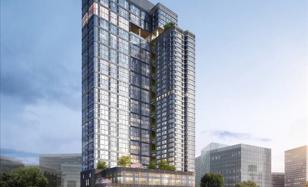 From $50,000
Yield 7.0% Built in 2024
Foreign rental demand is similarly broad. Tranio’s 2026 research identifies Americans, Chinese, French, South Africans, British, Japanese and Koreans among major expatriate renter groups.
Phnom Penh Property Prices
Property prices vary substantially by district, asset type, building age and quality. A city-wide figure of approximately $1,624 per m² provides a general benchmark, but it includes many different residential property types. Central condos can cost considerably more, while units in suburban or older developments can be available below the city average.
Phnom Penh Condo Prices
The broad market average for Phnom Penh condominiums is around $1,800 per m² gross according to 2026 market analysis. In practical terms, the market can be divided roughly into three segments. Entry-level and peripheral projects may be marketed from around $1,000—$1,500 per m².
Mid-market developments in established districts commonly fall around $1,500—$2,500 per m², while premium projects in areas such as BKK1 can exceed $2,500—$3,000 per m². BKK1 demonstrates how much location can change the figures. Current residential listings there show an asking price of approximately $2,784 per m², around 71% above the Phnom Penh-wide level.
For condos and apartments specifically, current BKK1 listings have a median asking price around $175,000 and approximately $2,448 per m². Individual listings range substantially above and below that figure depending on the project and unit.
From $98,000
Completion in: 2029.I Total of 600 apartments
From $82,000
Completion in: 2027 Total of 700 apartments
From $275,000
Built in 2026 Total of 138 apartments
From $308,000
Completion in: 2028 Total of 360 apartments
From $126,000
Built in 2026 Total of 591 apartments
From $50,000
Yield 7.0% Built in 2024
House and Villa Prices
Landed housing is an important part of the local market but is more difficult to compare on a price-per-square-metre basis because much of its value is tied to land. The market includes link houses, shophouses, twin villas and detached villas, particularly within residential complexes.
Prices vary according to plot size, road access, location, developer reputation and proximity to central Phnom Penh. Cambodian buyers dominate this segment because foreign individuals cannot directly own Cambodian land.
Land Prices
Land prices show even greater variation. Central commercial plots can command very high values because of their development potential, while suburban land may be far cheaper. Road frontage, zoning, permitted construction density, infrastructure access and legal title can have more impact on value than geographic distance from the centre alone. Investors buying land or land-linked assets should therefore focus on development rights and title quality rather than using a broad Phnom Penh average.
Phnom Penh Real Estate Market by District
BKK1
BKK1 is generally regarded as Phnom Penh’s prime condominium and expatriate rental district. It combines offices, restaurants, international schools, hotels and modern residential developments within a central location. Current listings show a median residential asking price of approximately $216,750, rent of about $1,081 per month and a headline gross yield around 6%. BKK1 is expensive on a price-per-square-metre basis, but investors pay for rental liquidity and an established tenant base.
Tonle Bassac
Tonle Bassac sits close to BKK1, Koh Pich and major retail and commercial destinations. It contains upscale condominiums, embassies, serviced apartments and mixed-use developments. Rental demand is supported by expatriates and corporate tenants. Tranio ranks Tonle Bassac among the most popular Phnom Penh locations for condominium renters.
BKK2 and BKK3
BKK2 and BKK3 can provide lower entry prices than BKK1 while remaining close to central Phnom Penh. BKK3 in particular has a growing supply of apartments and condos. Current area data indicate an asking price of roughly $1,839 per m² and a headline gross yield around 4.6%, although the available property mix differs from BKK1.
Toul Tom Poung
Toul Tom Poung, commonly associated with the Russian Market, combines local neighbourhood character with increasing numbers of cafes, apartments and small developments. It attracts younger expatriates and Cambodian residents and is one of the leading condominium rental locations in Phnom Penh.
Toul Kork
Toul Kork is an established family-oriented district with schools, villas, residential complexes and newer condominium projects. It can appeal to buyers looking for larger units and less dense surroundings while remaining reasonably close to the centre.
Daun Penh
Daun Penh includes Phnom Penh’s historic centre and riverside. Its property stock is diverse, ranging from older shophouses and apartments to hotels and modern residences. Tourism and commercial activity support rental demand, although building quality varies significantly.
Chroy Changvar
Chroy Changvar has attracted major residential and mixed-use developments because of its riverside location and availability of larger development sites. Entry prices can be lower than in prime central Phnom Penh, but investment performance is more dependent on future infrastructure, population growth and completion of surrounding developments.
Sen Sok
Sen Sok has grown into one of Phnom Penh’s major suburban residential zones. Shopping centres, residential complexes and infrastructure improvements have attracted Cambodian family demand. The district can suit buyers prioritising space and lower land costs rather than central-city rental demand.
Meanchey
Meanchey provides a comparatively affordable entry point and continues to benefit from urban expansion. New housing and condominium developments have followed population and infrastructure growth, although resale and expatriate rental demand are generally less established than in BKK1 or Tonle Bassac.
Prime vs Emerging Areas in Phnom Penh
Prime areas generally offer stronger rental liquidity but require a larger investment. A BKK1 condo may cost substantially more per square metre than a unit in an emerging district, yet the central property may also have access to a much larger tenant pool. The lower-priced suburban property may provide greater potential appreciation if the area develops successfully, but it also carries more execution and liquidity risk.
Investors should therefore compare the total return profile, not simply the acquisition price. Rental demand, service charges, vacancy, resale competition and future construction nearby all affect the result.
Phnom Penh Condominium Market
Condominium Supply
Phnom Penh has accumulated substantial condominium stock. According to Tranio, the supply of condominiums in Phnom Penh in the second half of 2025 amounted to 63,334 units.. More than 70% of Cambodia’s condominium sales occur in the capital, confirming its dominant position in the national market.
The size of the existing inventory is one reason buyers need to assess supply at the neighbourhood and individual-building level. A district can appear attractive overall while a particular project faces heavy competition from hundreds of similar units.
Condominium Demand
International purchasers remain the majority, but domestic buyers are becoming more significant. The local buyer share exceeding 20% in 2026 represents a structural shift from the earlier market, when condos were much more heavily associated with international investment. Rental demand also remains concentrated in central locations where expatriates and professionals work and socialise.
Most Popular Condo Sizes
One-bedroom units dominate both buyer and renter demand. They account for approximately 61% of Phnom Penh buyer preferences, followed by two-bedroom units at 20.5%, studios at 10.1% and three-bedroom units at 8.4%.
On the rental side, one-bedroom units represent about 72% of demand, while two-bedroom units account for around 18%. The popularity of one-bedroom apartments reflects a relatively accessible purchase price and broad appeal to single professionals and couples.
Completed vs Off-Plan Condos
Off-plan properties may offer instalment plans, lower launch prices and a larger choice of units. Completed condos provide greater certainty. Buyers can inspect the finished building, assess management quality, see actual occupancy and estimate achievable rent.
In the current market, those advantages are particularly relevant because developer and construction risk remain important. An apparently cheaper off-plan unit may not represent better value if completion is delayed or surrounding supply increases substantially before handover.
Supply and Demand in the Phnom Penh Property Market
The central challenge is the relationship between substantial existing supply and genuine end-user demand. Cambodia’s earlier construction cycle created a large inventory of investor-oriented condominiums. The market is now gradually shifting toward projects designed for actual residents.
The growth of Cambodian condo buyers supports this transition, but it does not eliminate oversupply. Developers still compete intensely on price, payment terms, amenities and guaranteed-rental offers.
For investors, building-level occupancy is often a better indicator than city-wide supply figures. A well-managed building in BKK1 with high occupancy may have little in common with a largely empty tower in a weaker location.
Phnom Penh Rental Market
The rental market includes foreign employees, entrepreneurs, international organisations, diplomatic staff, students and Cambodian professionals. Expatriate tenants tend to concentrate in areas with restaurants, offices, gyms, international schools and convenient transport links. BKK1 is currently the most popular condominium rental area in Tranio’s analysis, followed by Tonle Bassac, Daun Penh, Toul Tom Poung and BKK3.
Apartment and Condo Rents
Rental prices vary according to size, location, age and services. Market research indicates that one-bedroom condos have the broadest demand. Historical 2025–2026 survey data put typical one-bedroom preferences around several hundred dollars per month, although premium projects in BKK1 and Tonle Bassac can be considerably more expensive. Across all residential property types, the current Phnom Penh median asking rent is approximately $800 per month.
Rental Yields
City-wide asking data imply a headline gross rental yield of approximately 4.8%. In BKK1, the comparable listing-based figure is around 6%. These are gross calculations based on asking prices and rents rather than completed transactions.
Actual net yield will be lower after service charges, property management, repairs, vacancy, agency fees, furnishing and taxes are deducted. An investor should therefore calculate return using realistic achievable rent rather than a developer’s advertised rental guarantee.
Phnom Penh Property Market by Property Type
Condominiums
Condos are the most accessible asset for international buyers because qualifying units can be registered in a foreigner’s name. The best-performing segment is likely to remain well-located one- and two-bedroom units in buildings with professional management and established tenant demand.
Serviced Apartments
Serviced apartments cater mainly to expatriates and corporate tenants. They can generate higher rents than conventional apartments, but operating costs are also higher because investors effectively pay for management, cleaning, reception and other services.
Boreys
Boreys are master-planned landed developments that typically contain link houses, shophouses and villas. They primarily serve local families and have become an important part of Phnom Penh’s suburban expansion.
Villas
Villas occupy the higher end of the landed residential market. They can be valuable because of the underlying land, but foreign individuals cannot directly own the land component.
Shophouses
Shophouses combine residential and commercial uses and remain popular among Cambodian businesses and families. Their value can depend strongly on road frontage, pedestrian activity and commercial location.
Development Land
Land provides exposure to Phnom Penh’s long-term expansion but requires greater legal and development expertise. Investors must consider title quality, zoning, infrastructure costs and foreign ownership restrictions before assessing potential returns.
Foreign Buyers in the Phnom Penh Real Estate Market
Foreigners can directly own qualifying private units in co-owned buildings. Cambodia’s law provides foreigners with ownership rights from the first floor above ground level upward. Ground-floor and underground units cannot be owned by foreigners.
Foreign ownership is generally limited to 70% of the private residential units in an eligible co-owned building under the strata ownership framework. Foreign buyers do not acquire ownership of the underlying land.
Can Foreigners Own Land in Phnom Penh?
Foreign nationals cannot directly own Cambodian land. Cambodian law distinguishes Cambodian companies from foreign companies for land ownership purposes. A qualifying Cambodian company must generally be at least 51% Cambodian-owned. Foreigners may use structures such as long-term leases where appropriate, but these provide different rights from outright freehold land ownership.
Due Diligence for Foreign Buyers
Foreign buyers should verify the strata title, seller ownership, building registration and remaining foreign ownership quota before completing a transaction. They should also check for mortgages, liens and other encumbrances and investigate the developer’s previous projects.
Off-plan buyers need additional confirmation that the underlying land and development permissions are in order and that the completed unit will qualify for individual ownership registration.
New-Build and Off-Plan Property in Phnom Penh
Advantages of Buying Off-Plan
Developers often provide staged payment schedules that reduce the amount of capital required at the beginning of the investment. Launch-stage buyers may also receive discounts and have a wider selection of floors, layouts and views. If a project succeeds and market conditions improve before completion, early buyers may benefit from higher resale values.
Risks of Off-Plan Property
The main risks are delays, non-completion and weaker-than-expected demand. The large amount of existing condominium supply makes resale particularly important. An investor trying to sell an off-plan contract may be competing directly with the developer, which can offer new units with incentives and payment plans. Rental projections should also be stress-tested. A promised 8% yield is less meaningful if the developer’s projection assumes unrealistic occupancy or rent.
How to Assess a Phnom Penh Developer
Past delivery is one of the clearest indicators. Completed buildings show whether the developer can finish projects, obtain titles and operate common facilities effectively. Investors should also assess construction progress, financing, contract terms, refund or delay provisions and long-term building management.
Phnom Penh Commercial Real Estate Market
Office Market
Phnom Penh has a growing supply of Grade A, Grade B and smaller office buildings. Current listings show a median office asking rent of approximately $12 per m² per month across more than 1,100 advertised offices. Premium Grade A space can command considerably more; some current central listings are marketed in the $15—$28 per m² range.
Office investors should focus on occupancy and tenant quality rather than headline rent. High supply means older or poorly located buildings can struggle to compete with newer towers.
Retail Market
Retail development includes major shopping malls, community malls, mixed-use schemes and traditional street-front premises. Successful retail depends strongly on catchment population, accessibility and tenant mix. A new shopping centre is not automatically attractive simply because Phnom Penh’s population is growing.
Mixed-Use Developments
Mixed-use developments combine residential, retail, offices and sometimes hospitality. They can create their own destination and reduce reliance on a single market segment, but their scale also makes execution and management more complex.
Phnom Penh Industrial and Logistics Real Estate
Industrial and logistics property has a different demand profile from residential real estate. Cambodia continues to receive significant manufacturing FDI. The World Bank reports that $5.1 billion of FDI entered the country in 2025 and expects FDI-led manufacturing capacity to support economic recovery after 2026.
This can support demand for factories, warehouses and logistics facilities around Phnom Penh, Special Economic Zones and major transport corridors. For investors seeking exposure to Cambodia’s underlying industrial development rather than its residential cycle, this segment may be increasingly relevant.
What Drives the Phnom Penh Real Estate Market?
The long-term market is influenced by urbanisation, employment, infrastructure and household incomes. Foreign direct investment creates demand for offices, industrial facilities and housing for employees. A growing Cambodian middle class supports domestic housing demand, while infrastructure can open suburban districts to development.
Credit is another important factor. Cambodia’s earlier property expansion coincided with rapid lending growth, while the subsequent increase in bad loans has contributed to tighter conditions. The World Bank reported that non-performing loans increased to 8.9% in 2025. Tourism and expatriate employment affect central rental markets but are less important for suburban owner-occupied housing.
Property Taxes and Transaction Costs in Phnom Penh
Property purchases involve costs beyond the advertised price. Cambodia generally imposes a 4% stamp tax on the transfer of immovable property. The taxable base can be determined by reference to official valuation rules and transaction values. Annual tax on immovable property is generally charged at 0.1% of the taxable property value after a KHR 100 million threshold.
Cambodia is also introducing capital gains tax. A 20% capital gains tax applies to several categories of assets from 1 January 2026, while its implementation for gains from the sale or transfer of immovable property is scheduled for 1 January 2027. Legal review, registration expenses, agent fees, furnishing and ongoing property management should also be included when calculating the total investment cost.
Main Risks in the Phnom Penh Real Estate Market
The most important risks are oversupply, developer execution, vacancy and resale liquidity. The city already has more than 63,000 condominium units, meaning investors cannot assume that every new unit will find a tenant or buyer quickly. Developer risk matters particularly for off-plan property. Construction problems or weak financing can leave buyers waiting for completion while their capital remains tied up.
Rental vacancy differs substantially by location. Central areas with established tenant demand generally provide more resilience than peripheral districts containing large numbers of similar investor units. Resale liquidity is another concern. Cambodia does not have the same depth of secondary market as mature Asian property markets, and buyers may compete against developers offering new units.
Legal risk can be reduced by verifying title, ownership and the foreign quota before purchase. Finally, the broader financial environment remains important. The property downturn and rise in non-performing loans show that Cambodia’s market cycle can affect both developers and buyers.
Is Phnom Penh Real Estate a Good Investment?
Phnom Penh can offer attractive opportunities, but the market is highly property-specific. Advantages include relatively accessible prices compared with many Asian capitals, direct foreign ownership of qualifying condominiums and an established expatriate rental market in central districts. Long-term urbanisation and manufacturing investment may also support residential and commercial demand.
The disadvantages are equally important. Condominium supply is high, the secondary market can be illiquid, and buying off-plan involves greater developer risk than purchasing a completed property with visible occupancy. For income-focused investors, a completed one-bedroom or two-bedroom unit in a proven rental district can therefore be more predictable than a cheaper off-plan apartment in an emerging area.
Phnom Penh Real Estate vs Other Southeast Asian Capitals
Compared with Bangkok, Kuala Lumpur or Ho Chi Minh City, Phnom Penh generally has a smaller and less liquid property market. Entry prices can be lower, and Cambodia’s foreign condominium ownership regime is comparatively accessible. Foreigners can own qualifying units subject to a 70% building quota, whereas Thailand generally uses a 49% foreign ownership limit for condominium floor area.
The trade-off is market maturity. Bangkok and Kuala Lumpur have deeper mortgage, resale and rental markets, while Phnom Penh carries more developer and liquidity risk. Compared with Ho Chi Minh City, Phnom Penh also has a smaller domestic buyer base but can provide a more straightforward route to direct foreign condominium ownership in qualifying projects. Cambodia therefore offers emerging-market potential rather than the stability of a mature regional property market.
Phnom Penh Real Estate Market Outlook
Short-Term Outlook
The 2026 outlook remains cautious. Cambodia’s broader property downturn has not fully ended, and high existing inventory will continue to constrain weaker projects. The World Bank expects economic growth of 3.9% in 2026 before a recovery to 4.9% in 2027.
New condominium launches indicate that developers still see demand, but recent projects are increasingly concentrated in established areas such as BKK1 and emphasise quality and liveability. Price performance is therefore likely to remain uneven rather than producing a city-wide rise.
Long-Term Outlook
Over the longer term, Phnom Penh has several structural drivers. Urbanisation, infrastructure investment, manufacturing FDI and growing local purchasing power can support housing demand. The increasing role of young Cambodian condominium buyers may also reduce reliance on foreign investors.
Industrial and logistics properties could benefit particularly from Cambodia’s manufacturing expansion, while central residential markets should continue to benefit from employment and expatriate demand.
The most likely development is a more mature and differentiated market in which location, construction quality, rental income and actual end-user demand become more important than speculative appreciation.
FAQ about real estate market in Phnom Penh
The market remains affected by Cambodia’s broader property downturn, but selected central condominium projects are showing renewed development and buyer activity. Conditions differ substantially by district and project.
There is no reliable single city-wide transaction-price index. Current asking prices remain relatively strong in prime locations, while oversupplied projects can face discounts and slower resale.
Current listings show a city-wide median residential asking price of approximately $200,000 and around $1,624 per m².
2026 market analysis places average Phnom Penh condominium pricing at roughly $1,800 per m² gross.
BKK1 is the leading prime condominium market, while Tonle Bassac, BKK3, Toul Tom Poung and Toul Kork can also offer strong rental demand. Emerging locations such as Sen Sok and Chroy Changvar may suit buyers seeking lower entry prices and longer-term growth.
BKK1 has high entry prices but one of the strongest rental markets in the city. Current data show asking prices around $2,784 per m² and a headline gross yield of approximately 6%.
Across all residential property types, the current median asking rent is approximately $800 per month. Central premium districts can be significantly more expensive.
City-wide asking-price data imply a gross yield of about 4.8%, while BKK1 currently shows approximately 6%. Actual net yield is lower after expenses.
Supply is substantial. Phnom Penh had approximately 63,334 condominium units by the second half of 2025, which makes building-level demand and occupancy important considerations.
Yes. Foreigners can directly own qualifying private units in co-owned buildings from the first floor above ground upward, subject to the applicable foreign ownership quota.
Foreign individuals cannot directly own Cambodian land. Long-term leases and other legally compliant structures may be used depending on the investment.
It can offer lower launch prices and payment plans, but buyers assume construction, developer and resale risks. Completed properties make it easier to evaluate actual occupancy, management and rental income.
It can offer lower launch prices and payment plans, but buyers assume construction, developer and resale risks. Completed properties make it easier to evaluate actual occupancy, management and rental income.
It can be attractive for investors who prioritise established rental demand, quality developers and a long-term holding period. The market is less suitable for strategies dependent on quick resale or guaranteed capital appreciation.
The main risks are condominium oversupply, developer delays, vacancy, limited secondary-market liquidity, title issues and wider financial-sector stress linked to the property downturn.
The short-term outlook is selective rather than strongly bullish. Over the longer term, urbanisation, manufacturing FDI, infrastructure and growing Cambodian buyer demand could support well-located residential, commercial and industrial property.
We will send you a content digest not more than once a week