Real Estate Management in Cambodia

Real estate management in Cambodia covers much more than collecting rent and arranging occasional repairs. Professional property managers can handle leasing, tenant relations, financial reporting, maintenance, building operations and, for larger assets, long-term asset management.
The role of property management has become particularly important as Cambodia works through a prolonged property-sector downturn. The World Bank continues to identify weakness in real estate as a source of pressure on construction, credit quality and domestic demand in 2026. In this environment, owners cannot rely only on capital appreciation: occupancy, tenant retention, operating costs and the condition of the asset have a greater effect on investment performance.
Phnom Penh has the country’s most developed professional management market, but management services are also available for tourism and investment property in Siem Reap, Sihanoukville, Kampot and Kep.
Overview of Real Estate Management in Cambodia
Property management is the day-to-day administration of real estate on behalf of an owner. Depending on the type of property and management agreement, this can include:
- marketing the property;
- finding and screening tenants;
- negotiating leases;
- collecting rent;
- coordinating repairs;
- inspecting the property;
- paying or monitoring bills;
- preparing financial statements;
- handling tenant complaints;
- managing check-in and check-out;
- monitoring building service charges;
- helping coordinate tax documentation.
For foreign owners, professional property management in Cambodia can be particularly useful because many investors do not live in the country permanently. A manager effectively becomes the local operational contact between the owner, tenant, building management company and service contractors.
It is important to distinguish management of an individual investment property from management of an entire building. A condominium owner may pay one company to manage their particular apartment while separately paying the building’s management fee for elevators, security, swimming pools, landscaping and common areas.
Types of Property Management in Cambodia
Residential Property Management
Residential management covers condominiums, conventional apartments, serviced apartments, villas, houses and individual rental units. For an individual condominium investor, the manager’s main responsibilities are generally tenant acquisition, rent collection, inspections, maintenance and reporting. For an entire apartment building, the scope can be wider and include security, cleaning, reception, technical systems and common-area maintenance.
Commercial Property Management
Commercial management applies to:
- office buildings;
- retail property;
- shopping centres;
- mixed-use developments;
- business parks;
- commercial shophouses.
Commercial leases are typically more complex than residential tenancies. Property managers may need to administer service charges, fit-out works, access rules, tenant alterations, insurance and building operating budgets.
Industrial Property Management
Cambodia’s continued manufacturing investment creates demand for professionally managed:
- warehouses;
- factories;
- distribution centres;
- logistics facilities;
- industrial parks.
Industrial management places greater emphasis on access, utilities, power supply, loading facilities, safety systems, site security and maintenance of large technical installations.
Cambodia received $5.1 billion of foreign direct investment in 2025, with manufacturing providing an important source of jobs and investment even while the conventional property market remained weak.
Building and Facilities Management
Facilities management concentrates on the physical operation of a building. Typical responsibilities include:
- security;
- cleaning;
- waste management;
- landscaping;
- lifts;
- air-conditioning systems;
- water systems;
- electrical equipment;
- fire-safety systems;
- swimming pools and gyms;
- preventive maintenance.
For condominium owners, these services are generally funded through recurring building or homeowners’ management fees. Knight Frank’s Cambodia Residential Property Guide 2026–27 indicates typical building management charges of around $1—$2 per m² per month, covering services such as lifts, landscaping, reception, security and common-area cleaning. A sinking fund may be charged separately or included to finance major long-term repairs.
Property Management Services in Cambodia
Leasing and Tenant Acquisition
A property manager can market the unit, answer enquiries, arrange viewings and negotiate the tenancy agreement. Finding the right tenant is particularly important in buildings where many similar apartments are competing for the same renter. A slightly lower rent with a stable long-term tenant can sometimes produce a better annual return than a higher advertised rent combined with long vacancy periods.
Residential rental agency commissions are commonly paid by the landlord. APS Cambodia describes one month’s gross rent as a standard commission for a successful residential tenancy, although individual agencies and contracts can differ.
Rent Collection and Financial Management
A full-service manager can collect rent, monitor payment dates and transfer funds to the owner. Financial management may also include:
- statements of rent received;
- maintenance invoices;
- building fees;
- contractor payments;
- security-deposit records;
- monthly or quarterly owner statements.
Owners should require supporting documentation rather than accepting a single unexplained deduction from rental income.
Maintenance and Repairs
Maintenance can range from replacing a broken appliance to coordinating major air-conditioning, plumbing or electrical work. The management agreement should specify the amount a manager may spend without advance approval.
For example, an owner might allow routine repairs up to an agreed limit while requiring approval for larger works. This prevents two opposite problems: minor repairs being delayed because the overseas owner cannot be reached, and major expenses being approved without sufficient oversight.
Tenant Management
Property managers act as the main contact for the tenant. This can include:
- maintenance requests;
- rent reminders;
- noise or building-rule issues;
- renewal discussions;
- access for contractors;
- check-out procedures.
Good tenant management can support retention. Keeping a reliable tenant for another year may be more valuable than increasing rent aggressively and facing several months of vacancy.
Property Inspections
Periodic inspections help identify damage and maintenance problems before they become expensive. Inspections are particularly useful for furnished apartments, where owners need to monitor appliances, air conditioners, furniture and interior finishes. A move-in inventory with photographs also reduces disputes about the security deposit when the tenant leaves.
Asset Management
Asset management goes beyond daily operations. The asset manager focuses on improving the overall investment performance of the property. This can involve:
- reviewing rent against competing properties;
- deciding whether to renovate;
- changing the target tenant segment;
- controlling recurring expenses;
- planning major capital expenditure;
- deciding when to sell or refinance;
- comparing actual return with the investment plan.
An owner with one simple apartment may need only property management. Investors with a large portfolio, commercial building or mixed-use asset may benefit from both property and asset management.
Real Estate Management in Phnom Penh
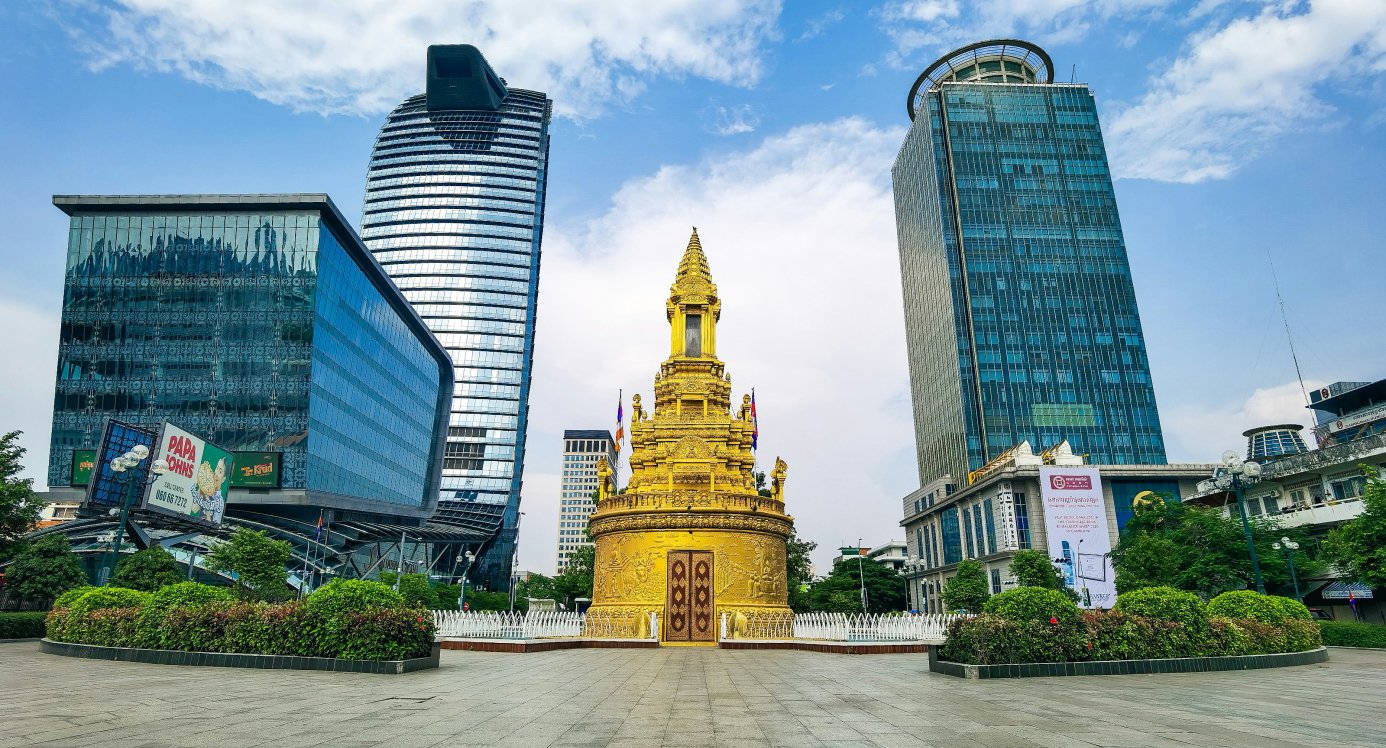
Phnom Penh has Cambodia’s deepest residential and commercial rental markets and consequently the largest concentration of professional property managers.
Condominium Management
A Phnom Penh condominium can involve two levels of management. The building manager operates the tower itself: common areas, lifts, security, amenities and building systems. The unit manager represents the individual owner, finding tenants and managing the apartment.
These two roles should not be confused when calculating expenses. For example, an investor may pay the building $1—$2 per m² each month and separately pay a rental manager a percentage of rent collected.
Serviced Apartment Management
Serviced apartments require more active management than conventional long-term rentals. Services may include:
- housekeeping;
- linen;
- reception;
- utilities;
- internet;
- guest support;
- maintenance;
- booking administration.
Higher gross rental income can therefore be accompanied by substantially higher operating expenses.
Office and Mixed-Use Building Management
Office managers must coordinate corporate tenants, access, common areas and building systems. Mixed-use projects are more complicated because residences, offices, retail and hotels may share entrances, parking, utilities or facilities while operating under different commercial models. Clear allocation of operating costs becomes essential.
Most Active Property Management Areas
The strongest professional rental-management demand is generally found in areas with significant condominium and expatriate rental stock, including:
- BKK1;
- Tonle Bassac;
- Daun Penh;
- Toul Tom Poung;
- Toul Kork;
- Koh Pich.
Owners in peripheral locations may still use professional managers, but the manager’s ability to generate occupancy can matter more where tenant demand is weaker.
Rental Property Management in Cambodia
Long-Term Rental Management
A conventional residential tenancy in Cambodia commonly starts from six months, although one-year agreements are also widespread. Knight Frank’s 2026–27 residential guide states that leases are typically six months or longer and that security deposits of one to two months’ rent are common. Rent is generally payable monthly in advance.
Long-term management normally involves less operational work than short-term accommodation. Once a reliable tenant is in place, the manager mainly deals with rent collection, repairs, inspections and eventual renewal.
Short-Term Rental Management
Short-term rentals require a more intensive operating model. Tasks can include:
- listing management;
- pricing;
- guest communication;
- frequent cleaning;
- check-in and check-out;
- linen and supplies;
- platform administration;
- maintenance between stays.
Management charges are therefore generally higher than for a conventional annual lease. Market guides commonly quote long-term unit-management fees around 8–12% of collected rent, whereas short-stay management may be substantially higher depending on whether the operator provides a complete hospitality service. Short-term letting should also be checked against the building’s rules and the legal and tax treatment applicable to the specific operating model.
Long-Term vs Short-Term Rentals
Long-term leasing generally offers:
- more predictable cash flow;
- fewer tenant turnovers;
- lower cleaning expenses;
- less management work.
Short-term letting can potentially generate higher gross revenue, particularly in tourism locations, but results depend more heavily on occupancy and operational efficiency. An investor should therefore compare net income, not nightly rent versus monthly rent.
Property Management for Foreign Owners
Why Foreign Owners Use Property Managers
A foreign investor living abroad may not be able to attend inspections, meet tenants, supervise repairs or respond to emergencies. Professional management can provide a local point of contact and make the property relatively hands-off.
Typical services for overseas landlords include:
- finding tenants;
- negotiating the lease;
- collecting rent;
- organising repairs;
- checking the apartment;
- sending financial reports;
- arranging check-in and departure;
- communicating with building management;
- assisting with local administrative documentation.
Foreigners can directly own qualifying strata-title units in Cambodia, subject to the country’s foreign ownership rules. Foreign ownership in eligible co-owned buildings is generally limited to 70% of qualifying private units, while direct foreign ownership of Cambodian land remains restricted.
Services for Overseas Landlords
A useful management package should give the owner enough information to control the property without handling everyday operations personally. Monthly reporting may include:
- rent collected;
- outstanding rent;
- management fee;
- maintenance expenditure;
- building fees;
- copies of invoices;
- photographs following inspections;
- lease-expiry date.
Overseas owners should also establish how money is held and transferred. The management agreement should distinguish owner funds, security deposits and the manager’s own revenue.
Power of Attorney and Local Representation
A manager does not automatically need unrestricted authority over the property. Where a power of attorney is required for specific administrative or legal actions, its scope can be limited to the tasks genuinely needed. The management agreement should also state whether the company may:
- sign leases;
- approve repairs;
- receive deposits;
- make tax payments;
- represent the owner before a building manager or public authority.
Authority involving sale, mortgage or transfer of ownership should be treated separately from ordinary rental management.
Property Management Fees in Cambodia
There is no single statutory fee for property management. Pricing depends on the asset, services and rental strategy.
How Management Fees are Structured
For an individually owned long-term rental property in Phnom Penh, a common market model is a percentage of collected rent. Current Cambodia market sources typically place full rental-management fees around 8–12% of rent, with approximately 10% a frequently quoted benchmark.
For example, if an apartment rents for $800 per month and the manager charges 10%, the monthly management fee would be $80 while the property is occupied. This individual-unit management fee is different from the building fee. Knight Frank places typical building management charges at approximately $1—$2 per m² per month.
Additional Costs
Owners may also encounter:
- tenant-placement commission;
- lease-renewal fees;
- advertising costs;
- cleaning;
- inspections;
- maintenance call-outs;
- furnishing;
- contractor mark-ups;
- accounting or tax support.
APS Cambodia describes one month’s gross rent as the standard market commission for residential tenant placement. For a property renting at $1,000 per month, this means a new tenant could generate a $1,000 leasing commission in addition to ongoing management fees.
What Should Be Included in the Management Fee?
A full-service agreement might include:
- rent collection;
- tenant communication;
- routine inspections;
- monthly owner reporting;
- coordination of repairs;
- rent reminders;
- lease administration;
- emergency contact.
Owners should not assume these services are included automatically. Fee structures vary considerably.
Rental Income and Tax Obligations
Tax treatment is one of the areas where landlords should distinguish between different taxpayer situations rather than assuming that every rental is taxed in exactly the same way.
Tax on Property Rental
Cambodia’s March 2024 rules on tax on rental of immovable property apply to owners or beneficiaries who are not taxpayers under the self-assessment regime. The tax is generally 10% of gross rental income, based on the lease amount or applicable market value. The property rental tax is generally filed and paid by the 20th of the following month.
The rules contain specific exemptions, including certain rental income already subject to withholding or included in taxable income under the self-assessment regime. This distinction matters because an individual private landlord and a tax-registered business landlord may have different compliance mechanisms.
Withholding Tax on Rent
Cambodian tax rules also impose a 10% withholding tax on rental payments made by relevant resident business taxpayers to resident recipients. For Cambodian-source payments to non-residents, a 14% withholding regime can apply depending on the nature of the payment and taxpayer circumstances.
These rules should not be added together mechanically. Whether rental tax, withholding tax or income-tax treatment applies depends on the landlord, tenant and tax-registration status.
Commercial Leases and VAT
Commercial property can involve additional tax considerations. GDT Instruction No. 33000 of September 2024 clarified the treatment of Tax on Income, withholding tax and VAT in leases that include rent-free or reduced-rent periods for construction, design, repairs or fit-out.
Such periods can be recognised under stated conditions, including the requirement that they generally not exceed 10% of the overall lease period. This is especially relevant to office, retail and industrial landlords offering tenants a fit-out period before normal rent begins.
Lease Management in Cambodia
Preparing a Tenancy Agreement
A tenancy agreement should clearly state:
- names of the parties;
- property description;
- lease period;
- rent;
- payment date;
- deposit;
- responsibility for utilities;
- maintenance responsibilities;
- inventory;
- renewal arrangements;
- termination conditions;
- treatment of damage.
Tranio notes that Cambodian residential agreements are commonly prepared in Khmer and English, with the Khmer text prevailing in a legal dispute where both versions are used.
Security Deposits
One to two months’ rent is a common residential deposit range. The agreement should specify what can be deducted. Typical deductions may include:
- unpaid rent;
- unpaid bills for which the tenant is responsible;
- damage beyond normal wear;
- missing furniture or equipment.
A signed inventory and photographic condition report reduce disputes.
Lease Renewal and Rent Review
The manager should contact both owner and tenant before the lease expires. Renewal decisions should consider:
- current market rent;
- tenant payment record;
- condition of the property;
- competing supply;
- cost of replacing the tenant.
Maximising rent is not always the same as maximising investment return. Losing a good tenant over a small increase can create a vacancy period and another leasing commission.
End of Tenancy
The property should be inspected against the original inventory. The manager then identifies outstanding rent or damage, coordinates repairs and determines the balance of the refundable deposit according to the lease. The unit may also need cleaning, painting or furnishing replacement before being remarketed.
Maintenance and Facilities Management
Preventive Maintenance
Preventive maintenance is generally cheaper than emergency repairs. Common items include:
- air-conditioning servicing;
- plumbing inspections;
- electrical systems;
- water pumps;
- lifts;
- fire alarms;
- generators;
- swimming-pool systems.
Cambodia’s climate makes air-conditioning and moisture management particularly important for residential assets.
Emergency Maintenance
A management company should define how it handles urgent problems such as:
- water leaks;
- electrical faults;
- failed air conditioning;
- blocked drainage;
- access-control failures.
Owners should agree on an emergency spending limit so urgent repairs are not delayed.
Contractor Management
The manager may maintain a network of electricians, plumbers, cleaning contractors and technicians. For larger works, owners should normally expect:
- quotations;
- approval;
- invoice;
- evidence of completion.
A manager should not be incentivised to choose the most expensive contractor simply because maintenance charges generate additional commission.
Building Safety
For whole-building management, fire protection, evacuation procedures, access control and emergency response are core responsibilities. This is particularly important for high-rise residential and mixed-use buildings, where unit owners depend on the building operator to maintain common safety systems.
Condominium Management in Cambodia
Condo management has two distinct components.
Management of Common Areas
The building manager is typically responsible for areas such as:
- lobby;
- lifts;
- corridors;
- pool;
- gym;
- parking;
- gardens;
- security areas.
Fees are normally charged to owners through a monthly or periodic management charge.
Service Charges
Service charges should be evaluated before buying an investment apartment, not after. A building charging $2 per m² each month would cost an owner of a 70 m² apartment approximately $140 per month, or $1,680 per year, before individual rental-management expenses. High service charges are not automatically negative if the building is well maintained and tenants value the facilities. However, they reduce net rental yield.
Owners and Building Management
An individual apartment manager cannot control the entire building. A well-managed apartment inside a poorly maintained tower can still struggle to attract tenants. Investors should therefore assess both:
- the company managing their unit; and
- the organisation managing the building.
Commercial Property Management
Office Management
Office management typically includes:
- leasing;
- service-charge administration;
- air conditioning;
- lifts;
- parking;
- access control;
- tenant fit-outs;
- common-area maintenance.
Tenant retention can be especially important because replacing a large corporate occupant may take much longer than replacing an apartment tenant.
Retail Management
Retail managers also need to consider:
- tenant mix;
- footfall;
- signage;
- opening hours;
- common marketing;
- parking;
- customer experience.
A shopping centre with strong physical maintenance can still underperform if its tenant mix does not attract sufficient customers.
Mixed-Use Developments
Mixed-use management is more complex because residential owners, office tenants, retailers and hotel guests can all use the same development differently. Operating agreements should clearly allocate shared costs and facilities.
Asset Management vs Property Management
Property management answers the question: «How should the property operate today?». Asset management answers: «How can the owner improve the value and return of the investment over time?». A property manager focuses on rent, tenants and repairs. An asset manager may recommend:
- renovating;
- changing the rental strategy;
- refinancing;
- repositioning;
- combining units;
- changing the tenant mix;
- selling.
Large commercial owners often need both services.
How to Choose a Property Management Company in Cambodia
Check Local Experience
The company should have experience with the same type of property. Managing a one-bedroom condominium is different from managing an office tower, hotel or logistics centre.
Review the Management Portfolio
Ask how many similar properties the company manages and in which locations. A manager with established leasing activity in BKK1 may have stronger access to tenants there than a firm operating primarily in another part of Phnom Penh.
Check Reporting Standards
Ask for a sample owner report before signing. A useful report should clearly identify:
- rent;
- fees;
- maintenance expenses;
- outstanding amounts;
- cash transferred to the owner.
Evaluate Maintenance Capabilities
Establish whether maintenance is handled by employees or third-party contractors. Also ask whether repair costs include a manager’s mark-up.
Review the Management Agreement
The contract should define:
- services;
- fees;
- authority;
- repair limits;
- reporting;
- deposit handling;
- term;
- termination process.
Owners should also check whether they remain free to sell the property or change managers.
Questions to Ask a Property Manager
Before appointing a company, an owner should ask:
- How many similar units do you currently manage?
- What percentage of rent is your management fee?
- Is the fee charged on rent invoiced or rent actually collected?
- Is there a separate tenant-placement fee?
- Who holds the tenant’s deposit?
- How frequently will I receive reports?
- How are repairs approved?
- Do you add a mark-up to contractor invoices?
- How quickly do you normally find tenants in this building or district?
- Do you assist with rental-tax documentation?
- Can I terminate the agreement if service is poor?
The answers can matter more than a difference of one or two percentage points in the management fee.
Common Property Management Problems in Cambodia
Vacancy
Vacancy is often the largest hidden cost. Cambodia’s property downturn and substantial condo supply mean some buildings face much stronger competition than others. A manager cannot fully overcome a poor location or oversupplied building, but realistic pricing and fast remarketing can reduce downtime.
Maintenance Quality
Problems include delayed repairs, inadequate contractor supervision and excessive costs. A maintenance approval policy and invoice documentation help control this risk.
Tenant Payment Issues
The manager should have a clear process for late payments rather than allowing arrears to accumulate without informing the owner. The lease should also specify payment dates and consequences of default.
Poor Owner Reporting
A common management weakness is providing little visibility into income and expenses. Owners should insist on regular reports supported by receipts and invoices.
Conflict Between Unit and Building Management
Responsibility can be unclear when a problem affects both the apartment and common property. For example, a water leak may originate in a central pipe rather than the owner’s plumbing. The unit manager should coordinate with building management to establish who is responsible before authorising substantial expenditure.
How to Improve Rental Property Performance
Effective management is partly about increasing income and partly about avoiding unnecessary losses. Owners can improve performance by:
- setting rent according to actual competing listings;
- keeping the property in good condition;
- furnishing it for the intended tenant;
- responding quickly to maintenance issues;
- renewing reliable tenants;
- reducing time between leases;
- monitoring service and management fees;
- reviewing annual net return.
Gross yield can be misleading. If an apartment generates $12,000 of annual rent but loses $1,200 to rental management, $1,500 to building fees, additional money to repairs and a month or two to vacancy, the true return is substantially below the headline figure. Professional management should therefore be evaluated according to its effect on net income and asset condition, not simply by the management fee.
Real Estate Management in Cambodia by Location
Phnom Penh
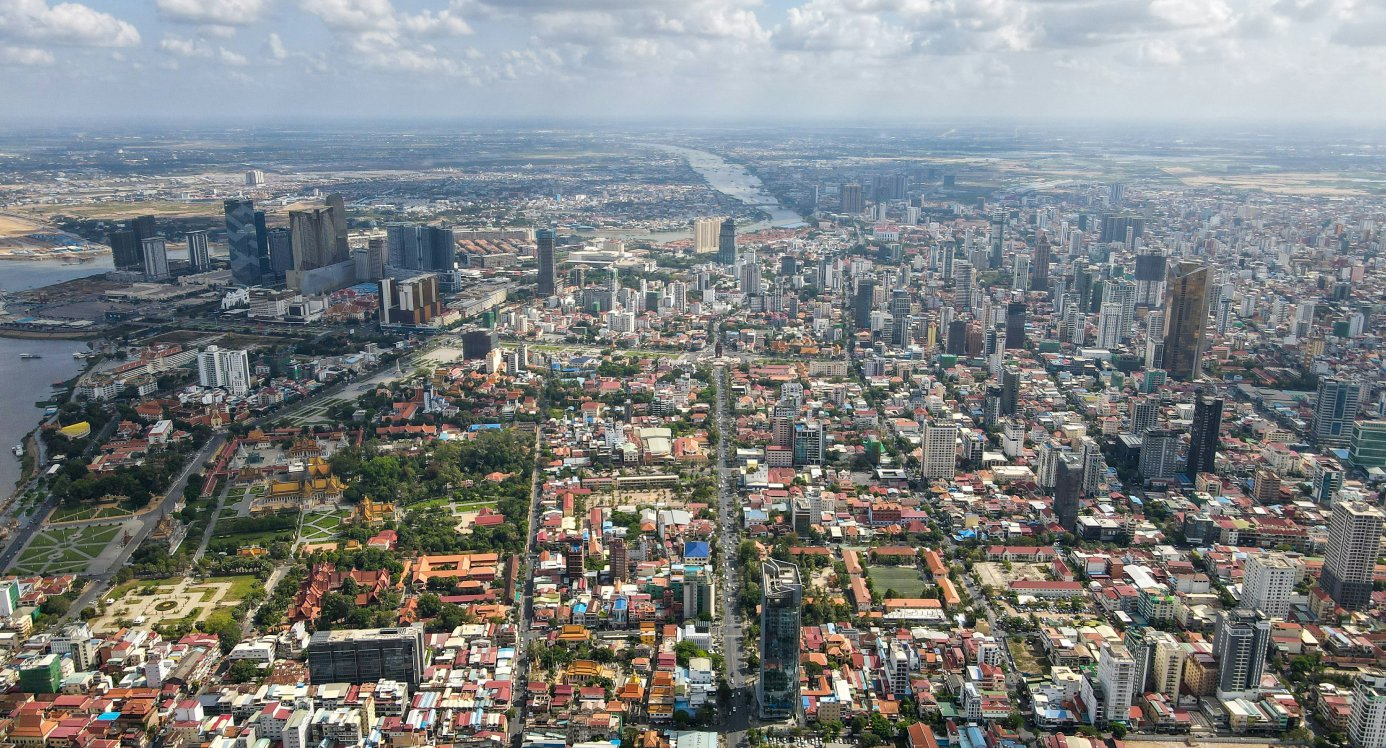
Phnom Penh has the widest range of professional managers and the strongest market for condominium, serviced-apartment, office and mixed-use management. Central areas also provide the country’s strongest expatriate rental demand.
Siem Reap

Siem Reap management is more closely connected with tourism. Relevant assets include:
- hotels;
- serviced apartments;
- villas;
- holiday accommodation.
Management quality is particularly important because hospitality revenue depends heavily on daily operations and guest experience.
Sihanoukville

Sihanoukville includes condominiums, hotels, commercial assets and mixed-use projects. Given the city’s volatile development history and Cambodia’s broader property correction, owners should examine occupancy and building operations carefully rather than relying on original developer projections.
Kampot and Kep

Kampot and Kep have smaller markets centred on villas, boutique accommodation and tourism-related property. Owners living abroad may need broader management packages because there are fewer large institutional property managers than in Phnom Penh.
Trends in Cambodia Real Estate Management
Several changes are shaping the sector. First, professional management is becoming more important as owners focus on income rather than speculative appreciation. Second, overseas investors increasingly expect digital reporting, photographs, electronic statements and remote approval of repairs.
Third, the focus is shifting from simple rent collection toward asset performance. A manager who keeps a property continuously occupied, controls maintenance costs and protects its condition can create more value than a cheaper manager who only transfers rent.
Finally, the property downturn reinforces the importance of tenant retention. With more competition for renters, service quality has become part of the investment strategy rather than an administrative afterthought.
Is Professional Property Management Worth It in Cambodia?
For an owner living overseas, professional management is often practical. Current market benchmarks of around 8–12% of collected long-term rent can appear substantial, particularly once building fees and leasing commissions are added.
However, the alternative must be compared realistically. Self-management works best when the owner:
- lives in Cambodia;
- speaks directly with tenants;
- can supervise contractors;
- has time to handle emergencies;
- understands local leasing procedures.
For an overseas investor, one additional month of vacancy or one badly handled maintenance problem can cost more than a year of management fees. The right question is therefore not simply whether management is expensive, but whether the manager improves net income, occupancy and preservation of the property.
FAQ about property management in Cambodia
Services can include tenant acquisition, lease administration, rent collection, inspections, maintenance coordination, financial reporting and check-in and check-out. Whole-building management can additionally include security, cleaning and technical systems.
Full management of an individual long-term rental commonly costs around 8–12% of rent collected. Building management is a separate cost and is commonly around $1—$2 per m² per month for residential developments, depending on facilities.
It is not automatically necessary. Owners living abroad often use one because it provides local tenant, repair and administrative support.
Yes. These are standard services offered under many full-service rental-management agreements.
The tenancy agreement should allocate responsibilities. Owners generally remain responsible for major property repairs, while tenants may be responsible for damage they cause and specified routine expenses.
Tax treatment depends on the owner’s tax status and the tenant. Cambodia has a 10% tax on rental of immovable property for relevant owners outside the self-assessment regime, while withholding-tax rules can apply in other situations.
For owners or beneficiaries outside the self-assessment regime who fall within the immovable property rental tax rules, the rate is generally 10% of gross rental fees. Different treatment can apply where rental income is already dealt with under the self-assessment or withholding-tax regime.
Owners normally pay building management fees covering common facilities and services. Tranio indicates a typical benchmark of around $1—$2 per m² per month, although individual developments can charge more or less.
The agreement should define services, fees, repair authority, financial reporting, deposit handling, lease administration and termination terms.
Compare experience with similar properties, tenant-acquisition ability, reporting standards, maintenance procedures, fees and the terms of the management contract.
Long-term rentals generally provide more predictable income and lower operating costs. Short-term rentals can potentially produce higher gross revenue but require substantially more management and are more sensitive to occupancy.
Property management handles everyday operations. Asset management focuses on long-term investment performance, capital expenditure, repositioning and eventual sale or refinancing.
It can be particularly valuable for overseas owners or investors with several properties. The benefit should be measured through occupancy, net income, tenant retention and preservation of the asset rather than the management fee alone.
We will send you a content digest not more than once a week