Top quarters of Nice: where to stay on vacation and buy property
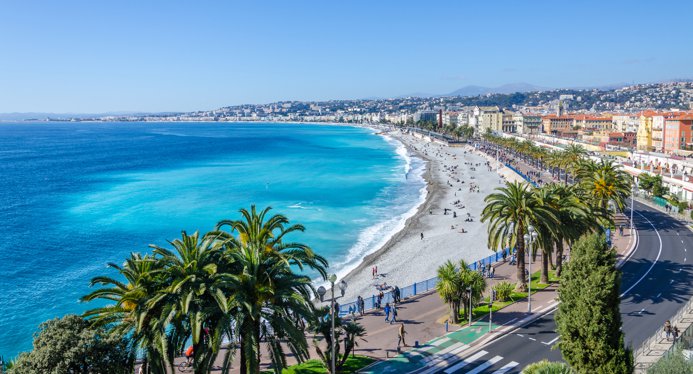
The River Paillon divides Nice into two large parts, although today it is almost entirely channelled underground. The left bank is the historic centre, with architecture reminiscent of Turin: narrow streets, pastel façades and a distinctly Italian character. The right bank feels more French, with wide boulevards, straight street grids and buildings in the Haussmann style of Paris.
Nice is a mosaic of neighbourhoods, each with its own way of life. On the hills of Mont Boron and Cimiez, life moves at a slower pace: spacious villas, green slopes and sea views create a sense of seclusion. Saint-Pancrace, Saint-Antoine and Fabron are also well suited for those who choose comfort and tranquillity away from the main entertainment areas.
Closer to the sea and the city centre, the rhythm becomes livelier. The “Carré d’Or” attracts visitors with its shops and restaurants, while the Musicians’ Quarter offers convenient infrastructure and an active urban atmosphere. Around the port, life revolves around the waterfront: cafés, yachts and coastal promenades. Vieux Nice remains the most lively part of the city, with narrow streets, markets, cafés and a lively atmosphere all year round.
Among the most prestigious neighbourhoods of Nice, property investors most often choose Mont Boron, the Golden Square, Cimiez and Fabron.


Territories and quarters of Nice
1 | Plaine et Coteaux | Saint-Augustin, Le Moulin, Sainte-Marguerite, Arenas, Saint-Isidore, Lingostière, Les Combes, Saint-Antoine |
2 | Collines Niçoises | Estienne d'Orves, Saint-Philippe, Grosso, le Piol, Pessicart, Saint-pierre-de-Féric, Saint-Pancras |
3 | Trois Collines | Cimiez, Rimiez, Gairaut |
4 | Rives du Paillon | Ariane, La Lauvette, L'Abadie, Pasteur, Saint-Pont, Le Trident, Roquebillière, Saint-Charles, Bon Voyage |
5 | Est Littoral | Port, Riquier, Mont Boron, Diablotin-Roche, Vinaigrier, Des Corniches, Vieux-Nice |
6 | Nord Centre Nice | La Plana, Saint-Sylvestre, Cessole, Gorbella, Borriglione, Saint-Maurice, Le Ray |
7 | Cœur de Ville | Carabacel, Medzen, Gambetta, Liberation, Malaussena, Joseph Garnier |
8 | Ouest Littoral | La Madeleine, Magnan, California, Fabron, Canta-Galet, Ventabren |
The best neighbourhoods of Nice to live in
Mont Boron

Mont Boron is called the «Hollywood Hills of Nice». This is one of the most prestigious places to live on the Côte d’Azur. The main advantages are beautiful sea views, high-quality property and proximity to the airport (15 min by car).
Mont Boron is in the borderline: no longer densely populated Nice, but not yet the high hills of Villefranche, which, on the one hand, provides the developed infrastructure, and on the other — magnificent sea views as well as the opportunity to purchase not only an apartment, but a large family house or a land plot for an own building project.
Mont Boron does not chase the buzz of the city centre. There are only a few cafés, restaurants and shops, yet the local amenities are sufficient for comfortable everyday living: a convenience store nearby, a bakery on the corner, and a couple of good restaurants with sea views. The majority of residents are homeowners – almost two thirds. The area is rich in greenery: the Parc Forestier du Mont Boron, with its walking trails and viewpoints, is located right within the district.
Homes on the hillside overlook either the Baie des Anges or the picturesque bay of Villefranche. In apartments, prices typically range from 5,000 to 13,000 euros per square metre, and from 5,000 to 16,000 euros in private houses. Mont Boron remains the most expensive district in Nice. One-bedroom apartments usually start at around 400,000 euros and often include spacious terraces and secure parking. The cost of villas can vary from 1 to 5 million euros.
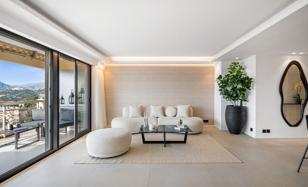 1,290,000 €
Total area 84 m² 2 bedrooms
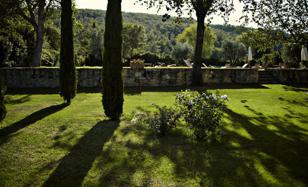
Cimiez
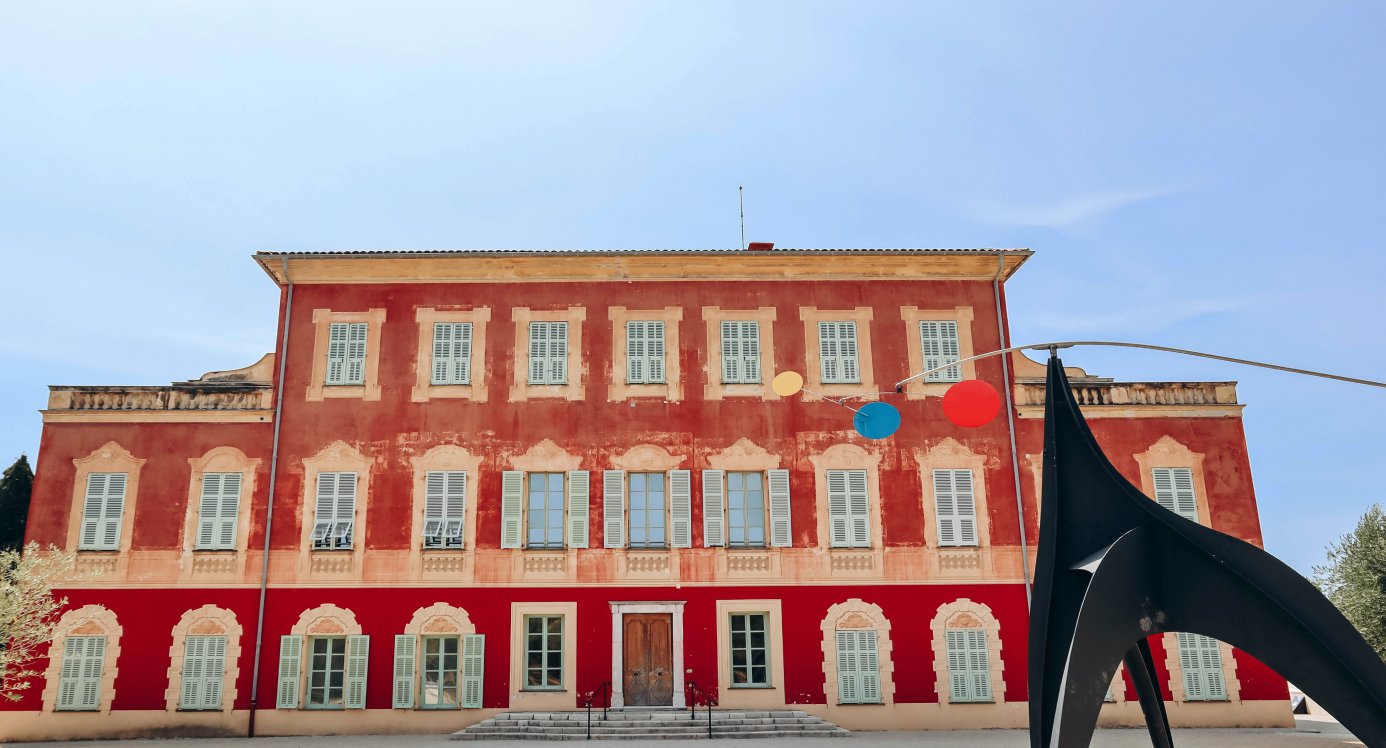
Cimiez is a prestigious residential district on a hillside, long regarded as an “aristocratic” address. In the 19th century, the Regina Hotel was located here, hosting Queen Victoria during her stays in Nice, which helped cement the area’s reputation among affluent Europeans.
It takes around 10 minutes to reach the city centre by car or public transport. The beach is about a 25–30 minute walk away, although most residents prefer to use their own transport. The district is known for its quiet atmosphere, well-developed amenities and close proximity to parks and museums.
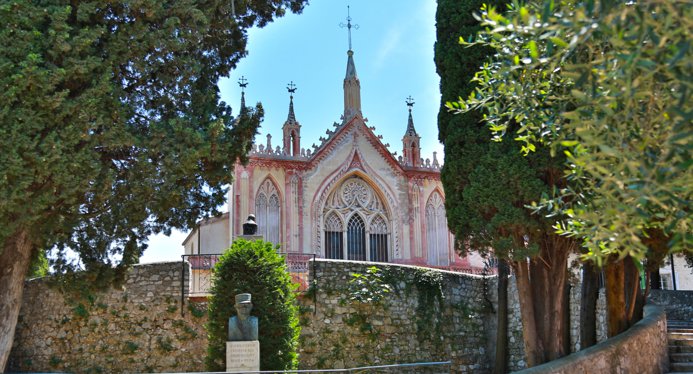
Cimiez is located on a hill with a picturesque view of the city. Among the sights are the ancient monastery of Notre Dame, the museums of Henri Matisse and Marc Chagall, the Alhambra Palace with minarets and ancient Roman ruins. Every year in July there is a jazz festival.
Many apartments in Bas Cimiez have views of the Mediterranean Sea. Luxury and spacious apartments are offered at prices similar to those in the Musicians Quarter — from 4,000 to 7,000 euros per square metre.
Saint-Pancrace

Saint-Pancrace is located in the north of Nice, on a hill of the same name at an altitude of around 350 metres. In winter it can even see snowfall, which is unusual for the French Riviera. The district has a very peaceful atmosphere: there are few cafés and shops, but it is well known for its bakeries and patisseries. Saint-Pancrace is considered the greenest neighbourhood in Nice.
It is often referred to as Nice’s “affluent village” (une campagne aisée), as household incomes here are above the city average. The area is predominantly made up of private houses and villas, many of them offering views of the sea and the Mercantour mountains. Apartment prices range from 3,000 to 7,000 euros per square metre, while private houses cost between 4,000 and 8,000 euros. Around 83% of residents are homeowners.
Next to it lies the district of Gairaut, which has a similar atmosphere. It is likewise a quiet, green hillside neighbourhood dominated by detached houses. Although local infrastructure is limited, the panoramic views and sense of seclusion make it a sought-after residential area.
Saint-Antoine
Saint-Antoine is a quiet, green residential district popular with local residents thanks to its convenient location. It offers easy access to the airport and the Promenade des Anglais: by car the journey takes around 10–15 minutes, and there are also bus routes serving the area.
The housing stock consists mainly of low-rise apartment buildings and small residences with well-kept courtyards. Local amenities are moderately developed: there are grocery shops, pharmacies, schools and sports facilities, which makes the district comfortable for year-round living. Evenings here are peaceful, with very little tourist activity.
Fabron

Fabron is an upmarket residential district to the west of Nice’s city centre, set on a hillside overlooking the sea. The location is highly convenient: the beaches and the Promenade des Anglais are about a 5-minute drive away, the city centre around 10 minutes, and the airport even closer. It is a popular choice for those who value peace and quiet while staying close to the main transport routes.
Like Mont Boron and Cimiez, Fabron is situated on elevated ground and is known for its clean streets, well-maintained surroundings and a good level of safety. Many properties offer views of the sea and the city, which contributes to the district’s high residential appeal.
The local infrastructure supports an active lifestyle, with tennis clubs, swimming pools, squash courts, equestrian facilities and golf courses in the vicinity. For cultural activities, the Anatole Jakovsky Museum of Naive Art is located here and is considered one of the area’s notable attractions.
Fabron is often chosen by families and second-home owners who appreciate a balance of tranquillity, greenery and quick access to the full range of services the city has to offer.
Property prices range from 5,000 to 12,000 euros per square metre. Two-bedroom apartments start from 400,000 euros, villas — from 1 million euros.
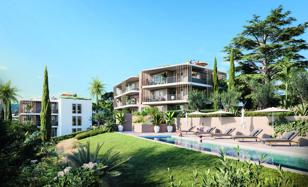 From 405,000 €
Completion in: 2026.I Total of 44 apartments
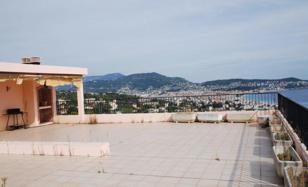 980,000 €
Total area 119 m² 3 bedrooms
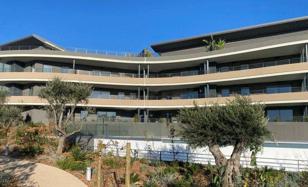 1,050,000 €
Total area 93 m² 3 bedrooms
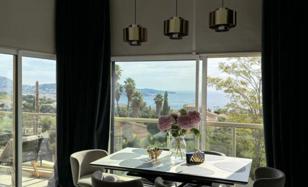 870,000 €
Total area 86 m² 3 bedrooms
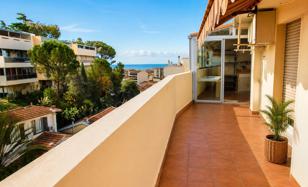 499,000 €
3 bedrooms
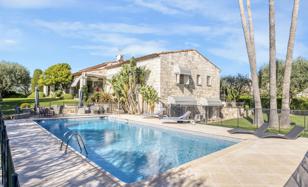 2,480,000 €
Total area 360 m² Land area: 2,262 m²
The Promenade des Anglais
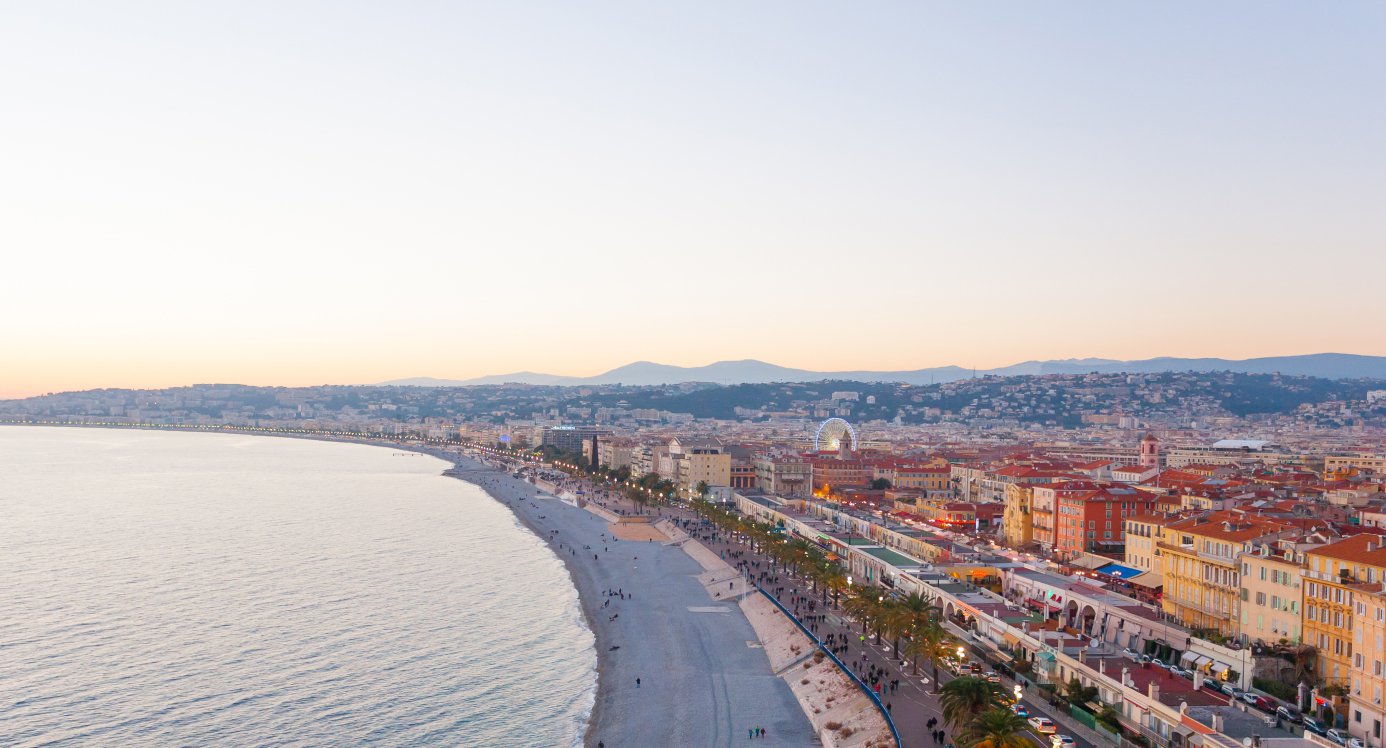
The Promenade des Anglais is Nice’s main seafront boulevard, stretching for almost seven kilometres along the coastline from the Old Port to the airport. It was first created in the early 19th century on the initiative of English aristocrats who spent their winters in Nice and funded the construction of the original seaside walkway. After Nice was annexed to France in 1860, the promenade received its current name and gradually evolved into an elegant urban avenue lined with palm trees and offering direct access to the pebble beaches.
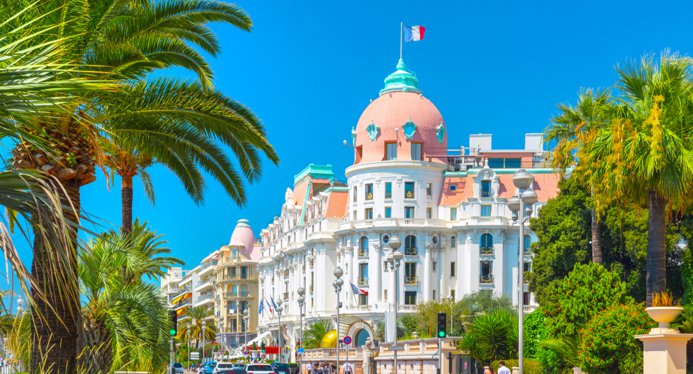
Today, the promenade is home to well-known hotels, including the iconic Negresco, as well as numerous restaurants, cafés and beach clubs. During the early 20th century, the area developed into the centre of Nice’s resort life, with grand Belle Époque hotels and villas being built along the waterfront. The views of the Baie des Anges from the promenade are considered among the most recognisable and picturesque in the city.
The Promenade des Anglais is well connected to the rest of the city: major bus routes run nearby, there are car parks, and access to the beaches is straightforward. During the warmer months it becomes particularly lively throughout the day and into the evening, with seats on benches and space on the beach quickly filling up. It is one of Nice’s main tourist areas and a favourite place for jogging, cycling and meeting by the sea.
Next to the Promenade des Anglais is the prestigious Gambetta quarter, a lively place with many cafes and shops. Property prices here reach 7,000-8,000 euros per square metre.
The Golden Square (Carré d’Or)
The “Carré d’Or” (Golden Square) is a central and highly prestigious district of Nice. It is located close to the Promenade des Anglais and Place Masséna, covering an area with some of the most sought-after addresses in the city. The neighbourhood is characterised by a regular street layout, Belle Époque architecture and a high concentration of hotels, boutiques and restaurants.
The Carré d’Or is traditionally associated with Nice’s resort and tourist life: it features well-known designer shops, offices, cafés and galleries, while the city’s best beaches are within walking distance. The district is in high demand among those seeking property for holiday use and rental income, as the steady flow of visitors ensures strong occupancy levels.
The area is well connected to public transport and local infrastructure, and its central location makes it ideal for residents who prefer to have the seafront, historic landmarks and business facilities all within easy reach.
The cost per square metre reaches 12 thousand euros. Minimum prices for studios in the "Golden Square" start from 350,000 euros. A two-bedroom apartment costs about twice as much. More spacious apartments are sold for at least 600,000 euros.
The Musicians' Quarter or Thiers (le quartier des Musiciens ou Thiers)
The Musicians’ Quarter, also known as Thiers (le quartier des Musiciens / Thiers), is located in the central part of Nice, between Nice-Ville railway station and Boulevard Victor Hugo. The district began to take shape after Nice was annexed to France in 1860, during a period of rapid urban expansion away from the seafront. It takes its name from the many streets dedicated to famous composers such as Rossini, Verdi and Berlioz — a tradition that emerged during the wave of development in the late 19th and early 20th centuries, when the area attracted affluent Europeans who wintered on the French Riviera. As a result, many buildings from the Belle Époque and Art Deco periods with decorative façades have been preserved here.
This is primarily a residential neighbourhood with well-developed amenities: supermarkets, pharmacies, schools and small parks for strolling. Many of the apartment buildings were originally constructed as prestigious “city palaces” for the bourgeoisie, while some were updated or built in the Art Deco style during the interwar years. The area’s walkability — with both the seafront and key shopping streets nearby — makes it well suited for year-round living. The housing stock ranges from mid-market apartment buildings to more high-end residences, particularly closer to Boulevard Victor Hugo.
Proximity to the train station provides excellent transport connections: it is easy to reach the airport, Monaco, Cannes and other towns along the Côte d’Azur. The district is attractive to buyers who value a central location, historical architecture and a calm atmosphere away from the busiest tourist areas along the seafront.
Property in the Musicians' quarter is in demand both among the French themselves and from foreigners. A square metre costs about 3,700 to 8,500 euros.
The Port (Le Port)
Le Port is a historic and rapidly developing district located east of Vieux Nice, centred around the Lympia harbour. The port was built in the mid-18th century by order of the King of Sardinia, and since then this part of the city has evolved as an important maritime and commercial hub. Today, the neighbourhood combines preserved historic buildings with ongoing modern redevelopment projects, making it attractive both for living and for investment.
Yachts and pleasure boats line the quays, and ferries to Corsica depart from here. The surrounding streets are filled with cafés, bars and restaurants, creating a lively atmosphere throughout the day and into the evening. The area has a varied architectural character: from 18th–19th-century buildings in warm terracotta and ochre tones to modern residential developments introduced as part of the district’s transformation.
The Port district is well connected to the city centre: the tram line runs nearby, and Vieux Nice and Place Garibaldi are within walking distance. It appeals to those who want to live close to the sea, with access to dining and an active urban environment, while still remaining slightly removed from the busiest tourist areas along the seafront. Strong demand for real estate is driven by ongoing improvements to the infrastructure and continued redevelopment around the harbour.
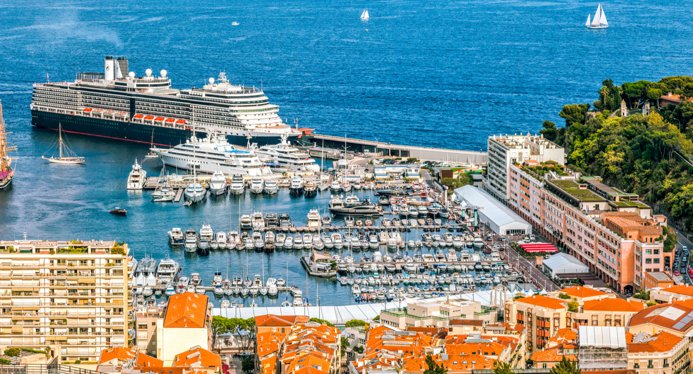
Unlike buildings in Old Nice, houses near the port often have elevators and balconies with French windows. At the same time, the charm and special atmosphere inherent in the historical centre are preserved here.
Many apartments in this quarter have views of the port, yachts and the Mediterranean Sea. In view of this, the prices here are only slightly lower than on the Promenade des Anglais.
The cost per square metre reaches 8,000 euros. Housing on the prestigious Boulevard Franck Pilatte is especially expensive, mainly because of the sea view.
The Old Nice (Vieux-Nice)

The historical centre of the city is the Old Nice, more precisely, the Castle Hill, where until the XVIII century there was a castle destroyed by Louis XIV. From this hill there is a wonderful view of the city centre.
There are many old houses in Old Nice, some of which were built in the XVI century. The streets here are narrow and winding. There are many traditional shops selling Provence products. The variety of bars and restaurants is amazing: there are both French brasseries (bars) and Irish pubs, as well as Indian restaurants. This is a very busy quarter: for every 100 square metres on average, there are 11.8 cafes, bars or restaurants and 25 retail outlets. However, it is too noisy for permanent residence here.
This quarter is a popular place for walking. Here are the Cathedral of Saint-Reparata, the Government Palace, as well as Cours Saleya, the main market square of the city.
Prices range from 6,000 to 15,000 euros per square metre. Housing is rented at a price from 800 euros per month in winter to 1,000 euros per week in summer.
The property offer is very different, however, almost all houses without elevators and terraces, and apartments most often require repairs. The price per square metre starts from about 5,000 euros. It is rare to find houses with a height of less than four floors, because the Payon River prevented the expansion of the area, and the population always arrived. This distinguishes Old Nice from other quarters.
The most prestigious part of Old Nice is the neighbourhood of Ponchettes beach, next to the Promenade des Anglais. Apartments in this area cost from 8,000 to 12,000 euros per square metre and often have a sea view.
Other neighbourhoods of Nice
The other quarters are not so interesting for investors. For example, Ariane is a quarter on the northeastern outskirts of the city, where there are many social housing facilities, many immigrants, and crime is higher than in other places in Nice. Another poor quarter is Saint-Augustin, located in the southwest of the city.
Some quarters, although uninteresting for foreign buyers, still have their own sightseeings. So, in the Saint-Isidore quarter there is the largest stadium in the city and the Zygofolis amusement park. The other quarter, Arenas, is the most important business centre of Nice, a significant part of which is occupied by the Nice Côte d’Azur Airport.
Property prices in Nice neighbourhoods in October 2025
Quarter | Price, euro per sq.m | Quarter | Price, euro per sq.m | ||
Min | Max | Min | Max | ||
Arenas | 2,568 € | 11,194 € | Pessicart | 2,433 € | 9,034 € |
Ariane | 1,058 € | 7,600 € | Port | 3,607 € | 11,497 € |
Baumettes | 3,346 € | 10,351 € | Riquier | 2,994 € | 11,298 € |
Ventabrun | 2,586 € | 7,882 € | Rimiez | 3,410 € | 12,726 € |
Vernier | 2,998 € | 8,608 € | Roquebillière | 1,807 € | 11,026 € |
Vinaigrier | 3,512 € | 12,223 € | Saint-Antoine | 3,055 € | 10,761 € |
Gambetta | 3,534 € | 11,965 € | Saint-Isidore | 3,138 € | 10,153 € |
Gairaut | 3,534 € | 11,965 € | Sainte-Marguerite | 3,525 € | 10,443 € |
Carabacel | 3,546 € | 10,421 € | Saint-Maurice | 3,203 € | 12,552 € |
Caucade | 3,333 € | 11,507 € | Saint-Augustin | 2,706 € | 10,649 € |
Crémat-Saint-Roman | 2,470 € | 9,893 € | Saint-pierre-de-Féric | 2,931 € | 7,979 € |
le Piol | 3,064 € | 10,385 € | Saint-Roch | 2,946 € | 12,159 € |
Le Ray | 2,744 € | 10,161 € | Saint-Sylvestre | 2,866 $ | 10,643 € |
Liberation | 3,316 € | 10,810 € | Saint-Philippe | 3,494 € | 9,936 € |
La Madeleine | 2,551 € | 7,867 € | Cimiez | 3,694 € | 12,567 € |
Mantega | 2,822 € | 11,142 € | Vieux-Nice | 3,957 € | 10,333 € |
Médecin | 3,673 € | 9,396 € | Thiers | 3,646 € | 9,008 € |
Mont Boron | 4,100 € | 22,172 € | Rue de France | 3,940 € | 9,298 € |
Pasteur | 2,535 € | 12,119 € | Fabron | 3,478 € | 11,378 € |
Sourse: Meilleursagents
Our experts will help you choose the best option on the Côte d’Azur, depending on your investment goals and needs. We carefully check the reliability of developers before concluding contracts.
Contact us
We will send you a content digest not more than once a week