Invest in Greece Real Estate in 2026
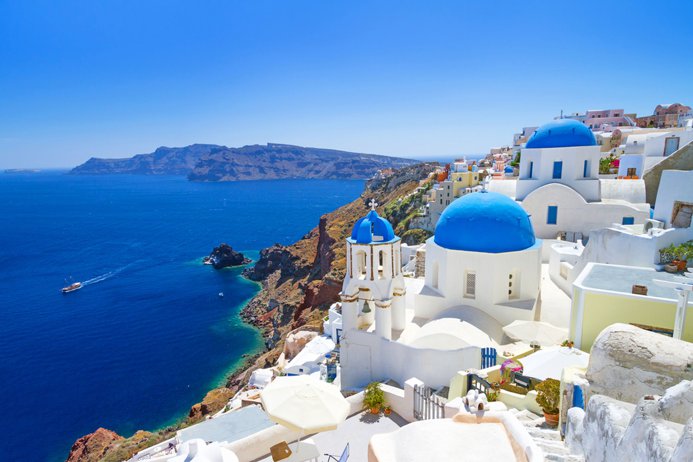
Greece is currently one of the few undervalued markets in Europe with strong potential for property investment. George Kachmazov, CEO and founder of Tranio, explains why Greece is an attractive choice.
Nearly all other European markets are overheated, while Greece remains one of the last countries where property is still affordable. Ready-to-move-in homes in central Athens can be bought for an average of 2,300 euros per square metre — compared to around 6,000 euros per square metre in cities like Barcelona and Berlin.
Prices have been steadily climbing since late 2017, when a square metre in Athens cost roughly 1,800 euros. Despite a 25% increase since then, prices are still well below pre-crisis levels. Back in 2008, apartments in the Athens neighbourhoods where we actively deal in property sold for around 3,500 — 4,000 euros per square metre. That means current prices are still 40–50% lower than in 2008. In my view, barring any major external economic shifts, prices are likely to keep rising.
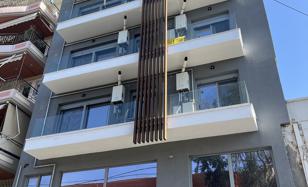 From 177,000 €
Built in 2025 Total of 11 apartments
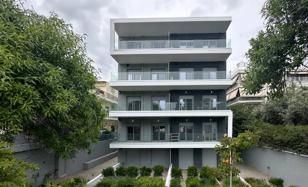 From 200,000 €
Built in 2024 Total of 17 apartments
 From 167,000 €
Completion in: 2027 Total of 56 apartments
 From 302,000 €
Completion in: 2027.III Total of 48 apartments
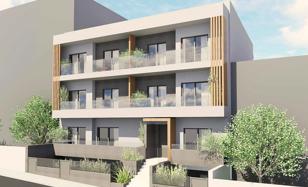 From 500,000 €
Built in 2026 Total of 13 apartments
 From 240,000 €
Completion in: 2027.I Total of 35 apartments
 From 335,000 €
Completion in: 2027.IV Total of 159 apartments
The price rise was driven mainly by 2 factors:
- Increased demand from foreign investors.
- Growth in tourist numbers.
Revenue from inbound tourism in Greece has been climbing, with 2024 bringing a record 21 billion euros into the economy. Rental rates also rose — in central Athens, they increased by over 9% in 2024. Institutional investors have also taken greater interest in Greece: since 2017, funds from the US, China, Turkey, and the Middle East have launched major commercial and residential property developments in Athens, with total investment nearing 1 billion euros.
The change of government following the 2019 parliamentary elections gave Greece’s economy a further boost. The New Democracy-led administration cut both personal and corporate taxes — property tax was reduced (by 10–30%, depending on the property’s value), while corporation tax was gradually lowered from 29% in 2018 to 22% by 2025. Additionally, capital controls, in place since 2015, were scrapped entirely. On 25 October 2019, VAT on new-build sales was abolished, giving developers fresh opportunities and reviving the new construction market.
These financial incentives were made possible by Greece’s broader economic recovery. Since 2015, the country’s GDP per capita has grown at an average rate of 2.5% annually. The Economist journal even ranked Greece third in its 2024 list of top-performing economies.
How to Invest Money in Greece
Another driver of foreign investment has been Greece’s Golden Visa scheme, which grants residence permits to individuals and their families for just 250,000 euros. In 2024, a record 9,289 applications were filed — a 10% increase on the previous year.
Greece’s Golden Visa is the most affordable in Europe. Spain’s programme closed in 2025, while Portugal and Hungary have already removed the real estate investment option.
Meanwhile, properties bought for Golden Visas can be rented out long-term or sublet. Due to a shortage of available housing and rising tourist numbers, authorities are gradually introducing extra taxes and restrictions on short-term lets. Long-term rentals can be more profitable, offering steady income, fewer void periods, and lower costs from constantly finding new tenants.
From 177,000 €
Built in 2025 Total of 11 apartments
From 200,000 €
Built in 2024 Total of 17 apartments
From 167,000 €
Completion in: 2027 Total of 56 apartments
From 302,000 €
Completion in: 2027.III Total of 48 apartments
From 500,000 €
Built in 2026 Total of 13 apartments
From 240,000 €
Completion in: 2027.I Total of 35 apartments
From 335,000 €
Completion in: 2027.IV Total of 159 apartments
Property in Greece remains more affordable than in many other countries: according to Numbeo, a one-bed apartment in central Athens typically rents for around 480 euros per month, compared to 1,300 euros or more in central Madrid, Lisbon, or Paris.
Based on all these factors, I consider Greece to be one of the most promising European destinations for investment, and Athens to be the most attractive location in the country. Since 2017, our company has been carrying out development and renovation projects in Greece, as well as assisting with other processes: obtaining residence permits and managing properties.


The sole risk worth noting isn’t tied to Greece itself, but rather the threat of another global recession, as forecast by many analysts. The Tranio team mitigates this risk by purchasing property without bank financing. Even in a downturn, this means we won’t lose our assets or capital: in the worst-case scenario, investments would simply be ‘frozen’ for 3–4 years, still generating a rental yield of roughly 3–4% annually.
Where to Invest in Greece: Best Places
Athens as a Prime Investment Location
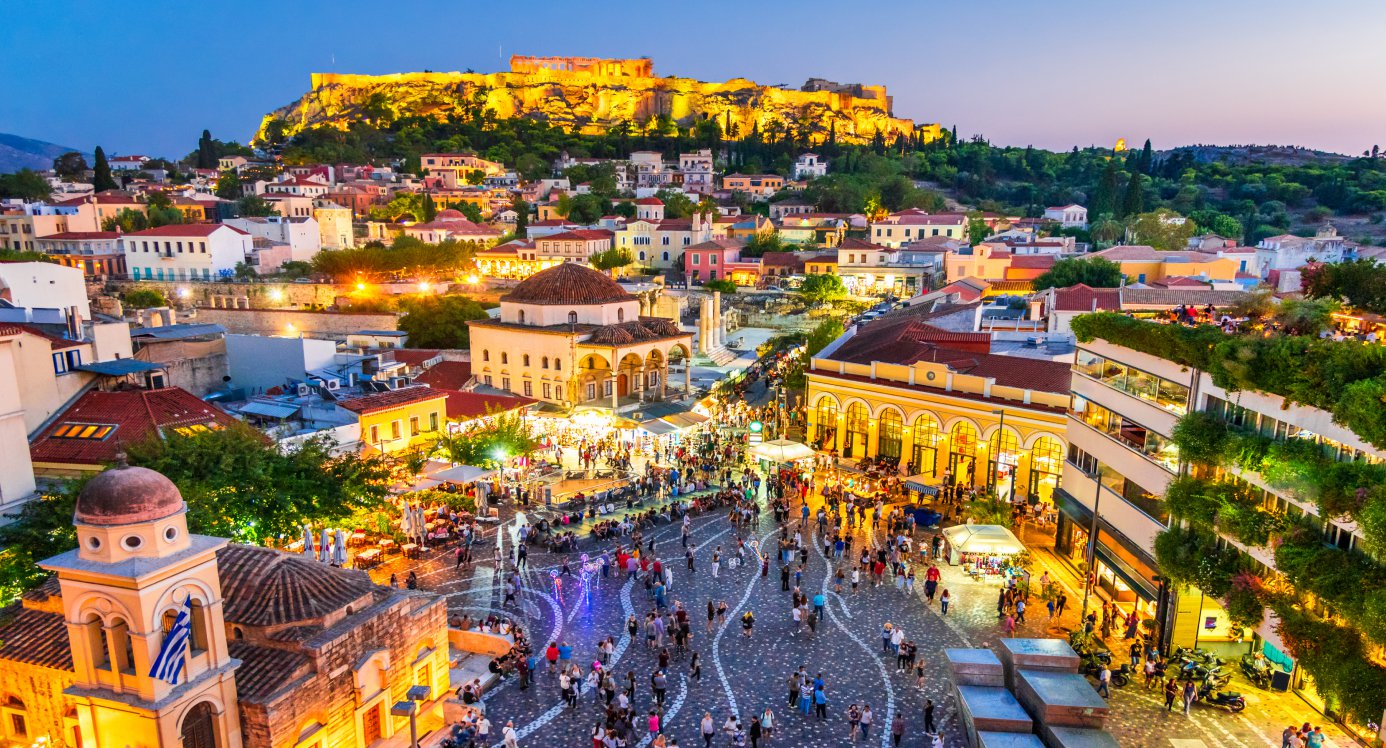
Greece’s capital isn’t just for tourists. It’s becoming a hub for expats too. With numerous universities and international companies based here, there’s consistent demand for long-term rentals across the city. It’s worth noting that under the residence permit programme rules, only long-term rentals qualify for income generation, with short-term holiday lets being ineligible.
Athens provides investors with a broader selection of properties, all available at the 250,000 euros, minimum threshold for the Golden Visa scheme. The city centre, for instance, features vacant former retail units that are currently being converted into residential apartments.
Beyond the central districts, investment opportunities and desirable living locations can be found in:
- the southern coastal areas along the Athens Riviera, home to premium properties;
- the prestigious green northern suburbs;
- the western districts near the University of West Attica, offering both tranquillity and academic connections.
Market overview: Q1 2025 (source: Spitogatos):
- Property prices: €2,055 — 4,000 per m² (annual increase of 7–11%, varying by area).
- Rental rates: €8—11 per m² (annual growth of 3–7%).
From 177,000 €
Built in 2025 Total of 11 apartments
From 200,000 €
Built in 2024 Total of 17 apartments
From 167,000 €
Completion in: 2027 Total of 56 apartments
From 302,000 €
Completion in: 2027.III Total of 48 apartments
From 500,000 €
Built in 2026 Total of 13 apartments
From 240,000 €
Completion in: 2027.I Total of 35 apartments
From 335,000 €
Completion in: 2027.IV Total of 159 apartments
Chalkidiki: Northern Greece’s Green Coastal Retreat
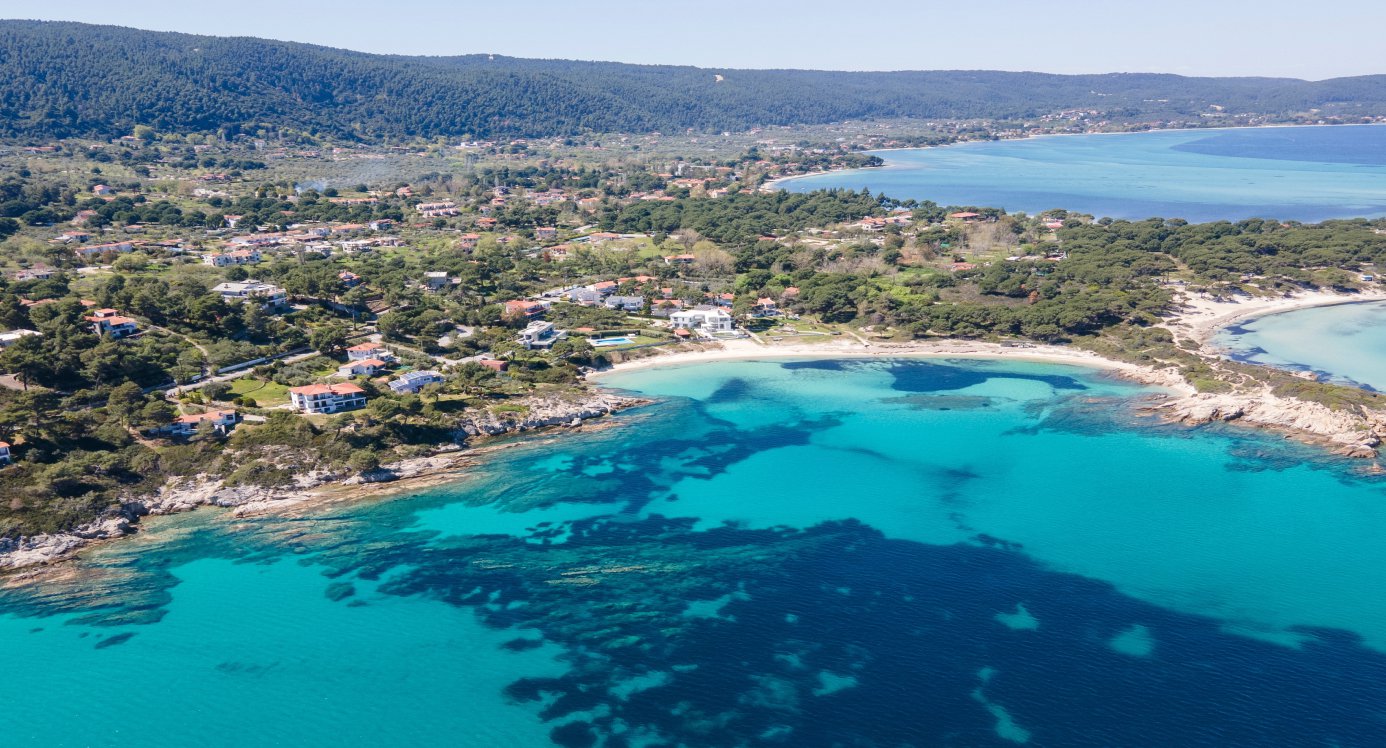
Chalkidiki boasts stunning green hills and crystal-clear waters, home to resort towns across 2 distinct areas: Kassandra, offering active holiday options, and Sithonia, renowned for its secluded coves and pristine beaches.
Thanks to its convenient access from Thessaloniki International Airport, the region draws both Greek and international visitors. Its coastline features numerous white sandy beaches, most bearing the Blue Flag certification, the mark of exceptional water quality and environmental standards.
Notable attractions include the majestic Mount Olympus, Mount Athos with its historic monasteries, the ancient ruins of Olynthos, and the Byzantine tower at Nea Fokea.
For investors, Chalkidiki presents an attractive opportunity with its 400,000 euros Golden Visa property threshold, which is significantly lower than Attica’s popular areas where prices start at 800,000 euros.
Market overview: Q1 2025 (source: Spitogatos):
- Property prices: €2,553 per m² (12.3% annual increase).
- Rental rates: €27.5 per m² (the highest in the country).
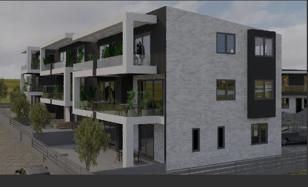 From 327,000 €
Built in 2024 Total of 12 apartments
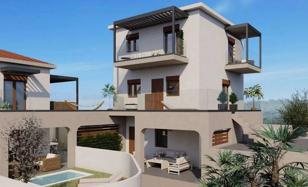 From 185,000 €
Built in 2023 12 units in total
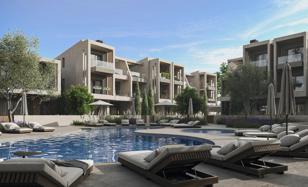 From 670,000 €
Built in 2025 20 units in total
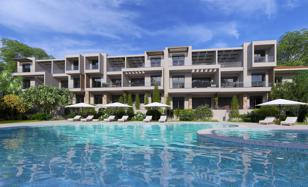 From 172,000 €
Completion in: 2026.II Total of 56 apartments
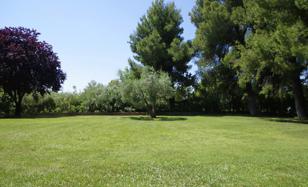 4,100,000 €
Land area: 370 m²
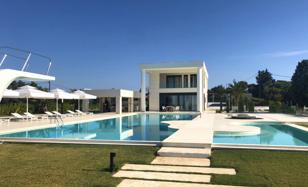 3,800,000 €
Land area: 600 m²
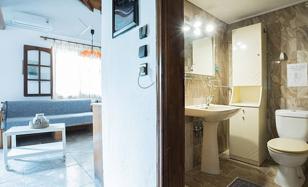 390,000 €
Land area: 114 m²
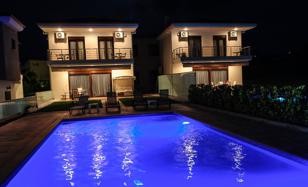 650,000 €
Land area: 170 m²
Crete: Sun-Drenched Island of Natural Wonders and Historic Treasures
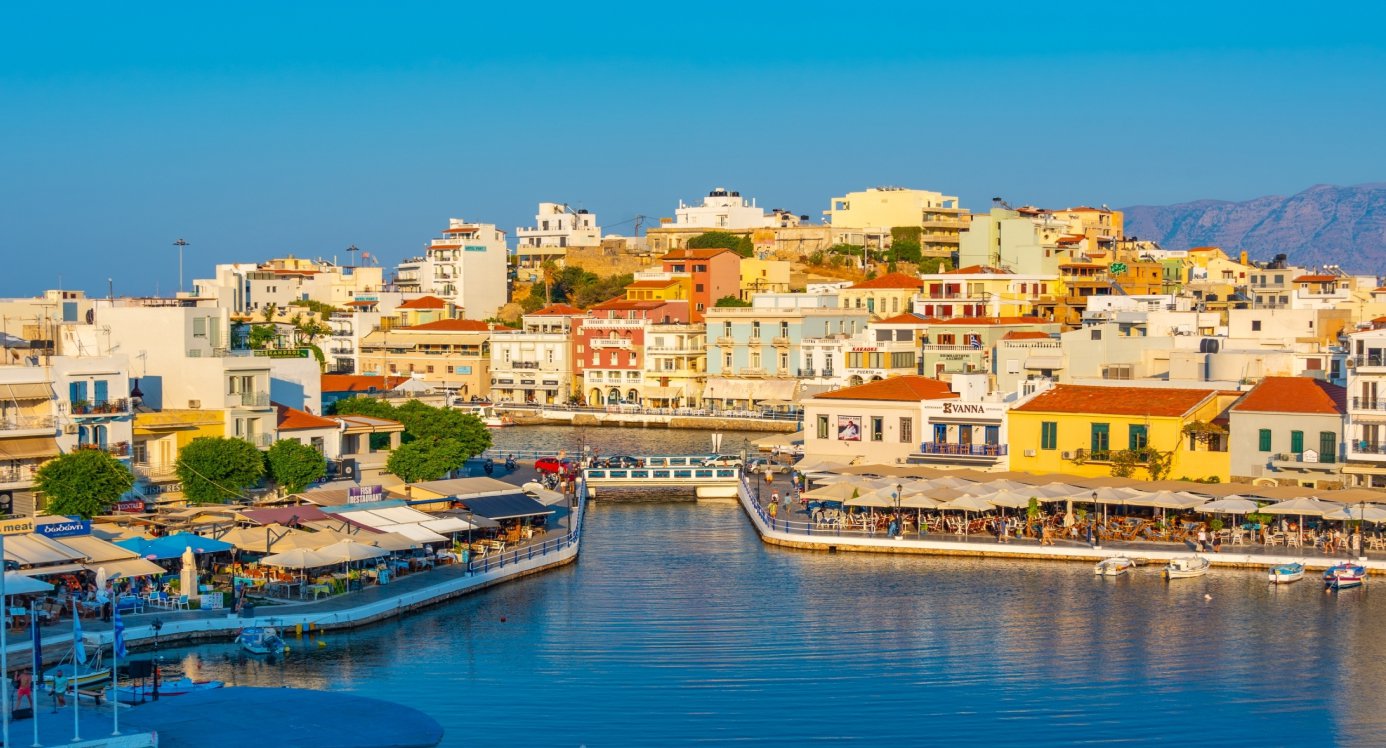
Greece’s largest island dazzles with pristine beaches, a wealth of cultural heritage and breathtaking scenery. Its remarkably diverse landscape encompasses mountain ranges, ancient caves, stunning coastlines, tranquil lakes, lush valleys, endless olive and citrus groves.
The property market caters to all tastes, offering everything from sea-view apartments to luxury villas in sought-after tourist locations. Investors should note the Golden Visa threshold starts at 800,000 euros for property purchases.
The island divides into 4 distinctive regions:
- Chania: Venetian charm, verdant countryside and a picture-perfect harbour.
- Heraklion: convenient airport access and world-class archaeological sites.
- Rethymno: a haven for history and mountain enthusiasts.
- Lassithi: exclusive resorts with premium hotels and dining.
Tripadvisor has ranked Crete among its top 10 global destinations for tourists in 2025.
Market overview: Q1 2025 (source: Spitogatos):
- Property prices: €1,692 — 2,636 per m² (annual growth of 6–18% by area).
- Rental rates: €7—10 per m² (annual increase of 3–9%).
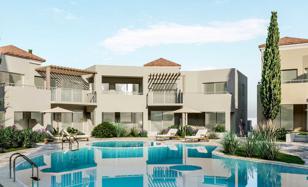 From 235,000 €
Yield 3.0% Completion in: 2026.IV
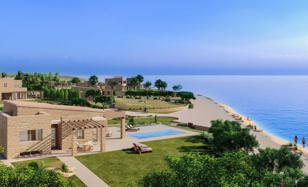 From 2,200,000 €
15 units in total
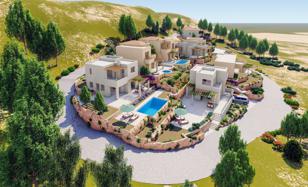 From 418,000 €
23 units in total
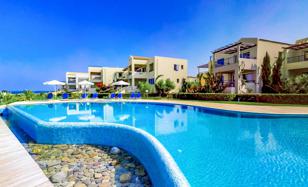 From 198,000 €
Completion in: 2026.IV 43 units in total
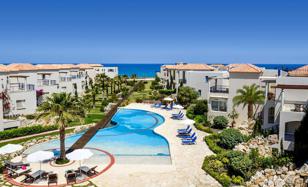 From 465,000 €
Built in 2026 Total of 43 apartments
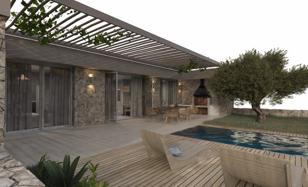
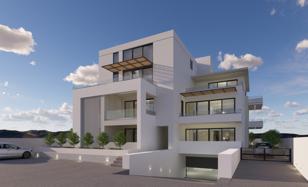 From 345,000 €
Total of 9 apartments
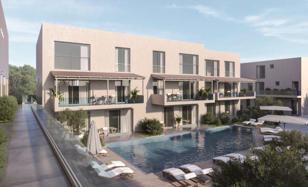 From 280,000 €
Built in 2026 Total of 18 apartments
We will send you a content digest not more than once a week