Buying Property in Abu Dhabi: Guide for Expats and Investors
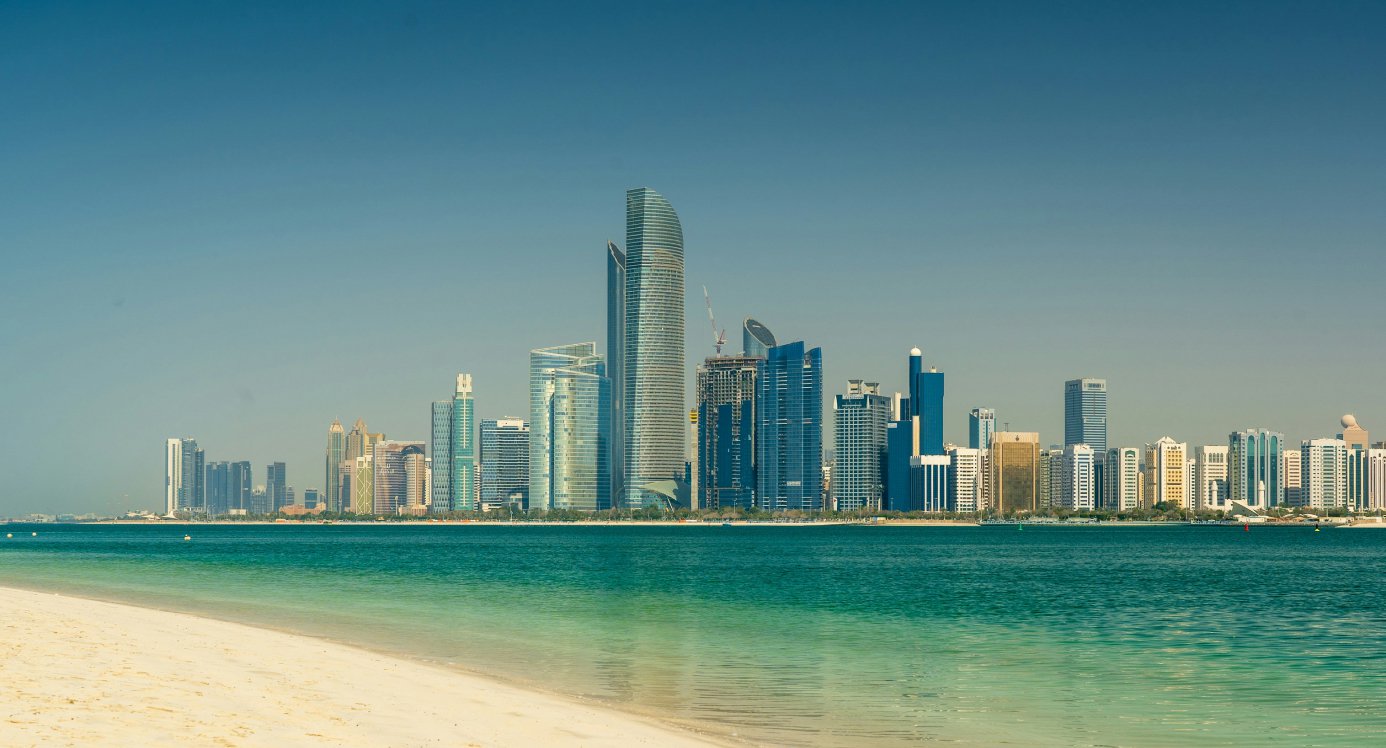
Abu Dhabi has become an increasingly important destination for international property buyers. The emirate combines a regulated real estate market, expanding residential supply, high-quality infrastructure and access to both ready and off-plan properties. Foreign nationals can own real estate in designated investment zones, making buying property in Abu Dhabi an option for UAE residents as well as overseas investors.
The market has expanded rapidly. According to the Abu Dhabi Real Estate Centre (ADREC), total real estate transactions reached AED 117 billion in the first half of 2026. Residential sales alone amounted to AED 70.4 billion, while resident expatriates and non-resident foreign buyers accounted for 70% of residential sales value.
Overview of the Real Estate Market in Abu Dhabi
The Abu Dhabi property market includes apartments, townhouses and villas across established residential districts and new master-planned communities. Buyers can choose between completed homes and off-plan projects, with the latter representing a particularly large share of recent transactions.
In H1 2026, Abu Dhabi had approximately 409,000 residential units, while another 71,000 units were projected to enter the market by 2030. Off-plan properties accounted for 89% of residential sales value and 82% of transactions during the period. Repeat sales prices increased by 20% year on year for apartments and 12% for villas, according to ADREC.
Foreign investment is also becoming more significant. ADREC reported AED 13.8 billion of foreign direct investment in Abu Dhabi real estate in the first half of 2026, with investors from 116 nationalities participating in the market.
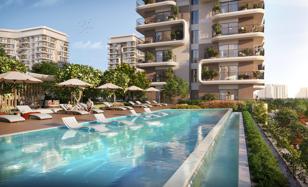 From $871,000
Completion in: 2030.I Total of 780 apartments
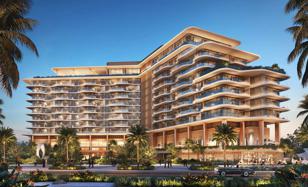 From $3,996,000
Completion in: 2028.II Total of 281 apartments
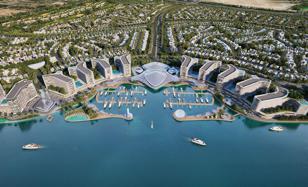 From $357,000
Completion in: 2029.IV 500 units in total
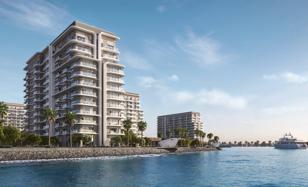 From $368,000
Completion in: 2029.IV Total of 950 apartments
 $1,429,000
Total area 230 m² 5 bedrooms
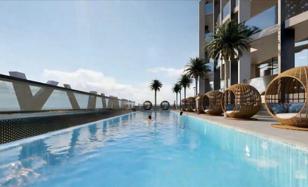 From $464,000
Completion in: 2026.IV Total of 370 apartments
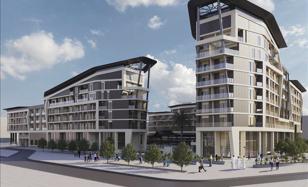 From $218,000
Built in 2023 Total of 300 apartments
Can Foreigners and Expats Buy Property in Abu Dhabi
Foreigners and expatriates can buy property in Abu Dhabi, but freehold ownership is generally available within designated investment zones. Under Abu Dhabi’s property ownership legislation, non-UAE individuals and legal entities may acquire and dispose of real rights over property located within investment areas. This includes the ability to own real estate rather than being limited exclusively to short-term lease rights.
The number of investment zones has continued to increase. ADREC reported that eight additional zones were approved during H1 2026, taking the emirate-wide total to 50. These areas are open to investors of different nationalities. Foreign buyers should nevertheless confirm the ownership status of the specific project or plot before making a reservation, as the rules depend on whether the property is located within an approved investment zone.
How to Buy Property in Abu Dhabi Step by Step
The exact purchase procedure depends on whether the buyer is purchasing a completed or off-plan property and whether mortgage financing is required. A typical ready-property transaction involves property selection, due diligence, a purchase agreement, payment arrangements and registration of the ownership transfer.
Choosing a Property and Making an Offer
The first step is to identify properties that match the buyer’s objectives. Investors should compare not only the purchase price but also location, expected rent, annual service charges, occupancy demand, building quality and potential future supply.
Foreign buyers should verify that the property is eligible for their form of ownership. For ready properties, due diligence should also cover the existing title, outstanding service charges, mortgages and any other registered rights affecting the property. Once the buyer and seller agree on the price and main conditions, the parties can formalise the offer and proceed to the contractual stage.
Signing the Agreement and Paying the Deposit
The sale agreement establishes the purchase price, payment schedule, completion deadline and obligations of both parties. A deposit may be required to secure the transaction; its amount and treatment should be clearly stated in the agreement. A reservation or contractual deposit should not be confused with the mortgage down payment. For buyers using financing, the minimum equity contribution depends on UAE Central Bank loan-to-value limits.
For expatriates purchasing a first owner-occupied home valued at up to AED 5 million, banks may provide financing of up to 80% of the property value, meaning the buyer generally needs at least 20% from their own funds. The maximum LTV is 70% for a first home above AED 5 million, 60% for subsequent or investment properties and 50% for off-plan schemes.
Registration and Transfer of Ownership
The final stage is the legal transfer and registration of the property. Abu Dhabi’s registration rules require the seller and buyer, or their duly authorised representatives, to complete the transfer before the registrar. Documents generally include the property’s title deed and identification documents for the parties. Additional corporate documentation is required if a legal entity is involved, while representatives must provide an appropriately authenticated power of attorney.
Where a mortgage is involved, the bank’s financing and mortgage registration requirements must also be coordinated with the transfer. After the transaction has been completed and registered, ownership is recorded in the real estate register.
Cost of Buying Property in Abu Dhabi
The price advertised for a property is only part of the total acquisition cost. Buyers should budget for government transaction charges, brokerage, mortgage-related expenses and, depending on the transaction, developer or conveyancing costs.
Purchase Price and Deposit
Purchase prices vary considerably between communities and property types. Premium waterfront locations such as Saadiyat Island can require a significantly higher budget than mid-market or affordable residential areas. For cash buyers, the main upfront expense is the property price plus transaction costs.
Mortgage buyers also need sufficient cash for their required down payment because UAE mortgage regulations generally require this contribution to come from the borrower’s own resources rather than another loan. Buyers of off-plan property should study the developer’s payment plan carefully. Instalments may be linked to construction stages or specific dates, and some schemes continue after handover.
Registration, Agency and Mortgage Fees
ADREC’s current mortgage calculator uses a transaction fee equivalent to 2% of the property value when estimating upfront purchase costs. It separately identifies brokerage fees, developer NOC fees, conveyancing or legal expenses and service-charge settlement as possible additional costs.
The broader registration regulations provide that sale registration charges may be set within a range of 1% to 4% of the transaction value and divided between the seller and purchaser unless otherwise agreed. Buyers should therefore confirm the charge applicable to their specific transaction when budgeting.
For transactions involving a licensed broker, Abu Dhabi regulations set the real estate broker’s commission for sale and purchase contracts at 2%, subject to a maximum of AED 500,000. Mortgage registration also carries a government charge. ADREC’s published regulations state a fee of 0.1% of the mortgage value, subject to the applicable maximum. Banks may additionally charge valuation, arrangement, insurance and other financing-related fees.
Buying a House vs an Apartment in Abu Dhabi
The choice between buying a house and an apartment depends mainly on budget, investment objectives and target tenants. Apartments normally have a lower entry price and can be easier to rent to singles, couples and smaller households. They are particularly common on Al Reem Island, Yas Island, Al Raha Beach, Saadiyat Island and in Masdar City. For an investor focused on rental yield and liquidity, a studio or one-bedroom apartment can offer a relatively accessible entry point.
From $871,000
Completion in: 2030.I Total of 780 apartments
From $3,996,000
Completion in: 2028.II Total of 281 apartments
From $357,000
Completion in: 2029.IV 500 units in total
From $368,000
Completion in: 2029.IV Total of 950 apartments
From $464,000
Completion in: 2026.IV Total of 370 apartments
From $218,000
Built in 2023 Total of 300 apartments
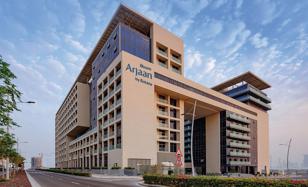
Villas and townhouses require a larger investment but attract families looking for additional bedrooms, privacy and outdoor space. They may also have longer tenant stays, particularly in mature family communities.
From $357,000
Completion in: 2029.IV 500 units in total
$1,429,000
Total area 230 m² 5 bedrooms

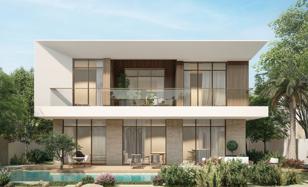 From $1,355,000
Completion in: 2026.I 176 units in total
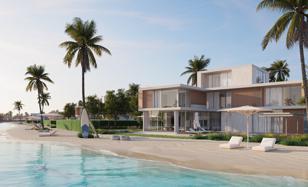 From $495,000
Completion in: 2027.II 1252 units in total
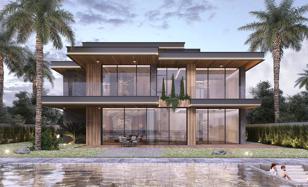 From $847,000
Completion in: 2027.I 140 units in total
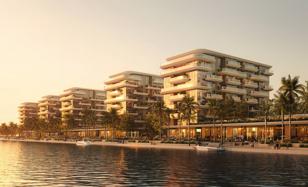 From $858,000
Completion in: 2029.IV 3194 units in total
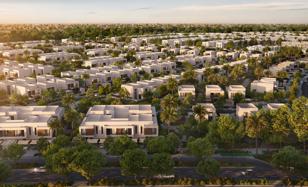 From $504,000
Completion in: 2029.IV 352 units in total
Returns differ by location and segment. H1 2026 asking-price data indicated gross apartment yields of around 6.34% on Al Reem Island, 7.63% in Masdar City and 8.92% in Al Reef. Its villa data showed lower but still competitive indicative returns, including approximately 5.92% in Al Reef. These figures are based on advertised sale prices and rents rather than completed transactions and should therefore be treated as market indicators rather than guaranteed returns.
Best Areas to Buy Property in Abu Dhabi
The best area depends on whether the priority is capital appreciation, rental income, lifestyle or a lower purchase price:
Saadiyat Island is one of Abu Dhabi’s leading premium markets. It combines beachfront residences with cultural and leisure infrastructure and is particularly relevant to buyers targeting the luxury and ultra-luxury segments.
From $3,996,000
Completion in: 2028.II Total of 281 apartments
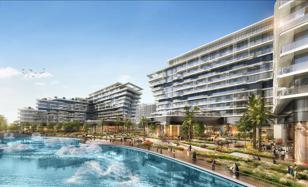 From $626,000
Completion in: 2026.III Total of 200 apartments
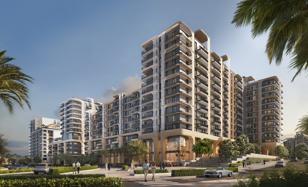 From $286,000
Completion in: 2028.II Total of 400 apartments
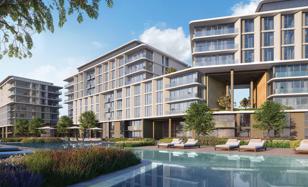 From $477,000
Completion in: 2028.II Total of 212 apartments
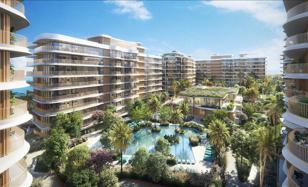 From $1,960,000
Completion in: 2028.II Total of 493 apartments
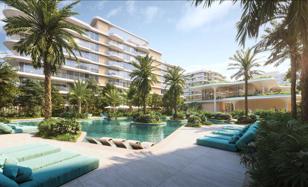 From $2,505,000
Completion in: 2028.II 493 units in total
 $1,830,000
Total area 168 m² 2 bedrooms
Yas Island combines residential developments with major entertainment attractions and established tourism infrastructure. It can suit both lifestyle buyers and investors targeting long-term rental demand.
From $871,000
Completion in: 2030.I Total of 780 apartments
From $368,000
Completion in: 2029.IV Total of 950 apartments
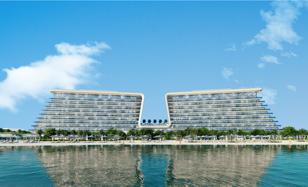 From $204,000
Built in 2024 Total of 371 apartments
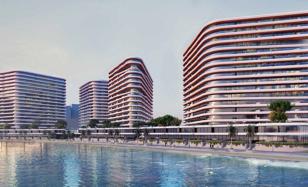 From $610,000
Built in 2026 Total of 660 apartments
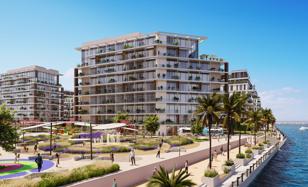 $5,447,000
Land area: 3,542 m²
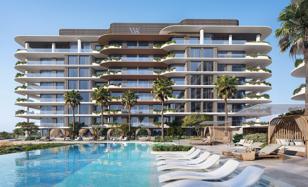
From $858,000
Completion in: 2029.IV 3194 units in total
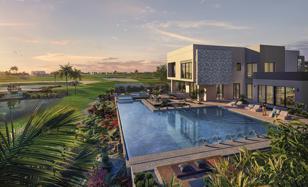
 From $1,035,000
Completion in: 2028.IV Total of 123 apartments
 From $802,000
Built in 2025 Total of 120 apartments
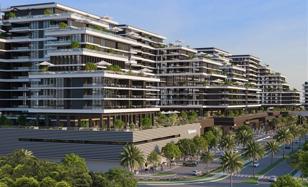
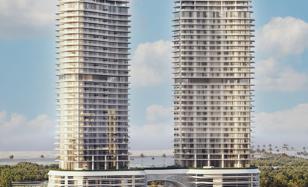
Al Reem Island has one of the largest concentrations of apartments in Abu Dhabi’s investment-zone market. ADREC reported around 27,500 residential units there in H1 2026, making it the largest investment-zone residential market by existing stock. Its proximity to central Abu Dhabi and Al Maryah Island also supports tenant demand.
From $464,000
Completion in: 2026.IV Total of 370 apartments
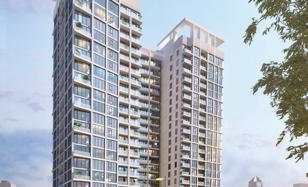 From $1,014,000
Built in 2023 Total of 206 apartments
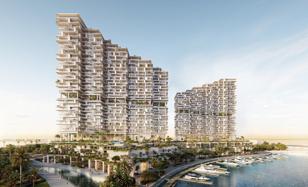 From $788,000
Completion in: 2029.I Total of 453 apartments
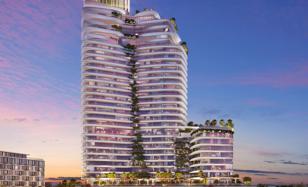 From $389,000
Completion in: 2027.II Total of 270 apartments
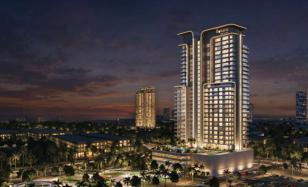 From $661,000
Total of 439 apartments
 From $327,000
Completion in: 2027.II Total of 468 apartments
 From $572,000
Completion in: 2028.I Total of 268 apartments
Al Raha Beach offers established waterfront communities and a mix of apartments and larger properties. It can appeal to families and professionals looking for convenient access to Yas Island, the airport and central Abu Dhabi.
Masdar City is an alternative for investors seeking smaller apartments and potentially higher gross rental yields at a more moderate entry level than Abu Dhabi’s prime island developments.
Al Hudayriyat Island has become an important new high-end development area. ADREC recorded AED 19 billion of residential sales there in H1 2026, the highest value among the districts highlighted in its report. Saadiyat Island followed with AED 13.3 billion, while Al Reem and Al Maryah Islands together accounted for AED 10.5 billion and Yas Island for AED 7.3 billion.
Buyers should confirm foreign ownership eligibility for the exact project rather than assuming that every property within a wider district has identical ownership conditions.
Is It Worth Buying Property in Abu Dhabi
Buying property in Abu Dhabi can be attractive to both long-term investors and residents, particularly where the property combines a strong location, realistic acquisition price and sustainable rental demand. The decision should nevertheless be based on the economics of the individual property rather than market growth alone.
Investment Benefits and Rental Returns
One of the main attractions is the depth of the rental market. ADREC recorded approximately 233,000 active residential lease contracts in H1 2026, with a combined lease value of AED 9.3 billion. New-lease prices increased by 17% for apartments and 9% for villas year on year, while the increases within investment zones reached 21% and 16% respectively.
Investors can also select from very different strategies. Prime properties on Saadiyat or Yas Island may prioritise quality, scarcity and potential capital appreciation, while areas such as Masdar City or Al Reef may offer a stronger income-to-purchase-price ratio.
Rental yield should be calculated after deducting service charges, maintenance, vacancy periods, management expenses and other recurring costs. Gross headline yield alone can significantly overstate the investor’s actual return.
Main Risks and Considerations
Property values and rents can move in both directions. A large pipeline of new construction may also affect future rents and resale competition. ADREC expects approximately 71,000 additional residential units across Abu Dhabi through 2030, so supply conditions should be considered at both emirate and neighbourhood level.
Off-plan buyers should assess the developer, construction progress, escrow arrangements, payment schedule and expected completion date. Completed-property buyers should review the physical condition of the unit, service-charge history and building management. Other considerations include mortgage rates, resale liquidity, currency exposure for international investors and the difference between advertised rents and achievable rents.
FAQ about Buying Property in Abu Dhabi
Yes. Expats and other foreign nationals can acquire property rights in Abu Dhabi’s designated investment zones. The legal basis for foreign ownership is set out in Abu Dhabi’s real estate ownership legislation.
Yes. UAE residency is not in itself a requirement for purchasing eligible property in an investment zone. ADREC reported participation by non-resident investors from numerous nationalities in the Abu Dhabi market in 2026.
For a mortgage purchase, an expatriate buying a first owner-occupied property worth up to AED 5 million can generally borrow up to 80% under Central Bank LTV limits, implying a minimum equity contribution of 20%. Higher contributions apply to properties above AED 5 million, investment properties and off-plan purchases.
Costs can include transaction and registration charges, a broker’s commission, mortgage registration, bank fees and, where applicable, developer NOC and conveyancing costs. ADREC’s current purchase-cost calculator uses a 2% transaction-fee assumption.
The emirate has a large rental market, increasing international participation and a substantial pipeline of new development. However, performance differs significantly between individual districts and projects. Investors should compare purchase price, realistic rent, service charges, future supply and resale demand before making a decision.
We will send you a content digest not more than once a week