Buying Property in the UAE: a Guide for Expats

Buying property in the UAE is open to expatriates and overseas investors, but there is no single set of property-ownership rules covering every emirate. Foreign ownership, registration procedures and transaction fees are determined largely at emirate level. Dubai, Abu Dhabi, Sharjah, Ras Al Khaimah and Ajman therefore have different rules governing where foreigners can purchase real estate and how a transaction must be registered.
In Dubai, non-resident foreigners and expatriate residents can acquire freehold ownership in designated areas. Abu Dhabi allows non-UAE nationals to acquire real estate rights in designated investment zones, while other emirates operate their own freehold or project-based systems. The UAE Government’s official guidance therefore recommends checking the rules applicable to the emirate and property concerned.
What Are the Fees for Buying Property in the UAE?
There is no nationwide property-transfer fee. Registration charges are imposed by the relevant emirate, and the amount payable by a buyer can therefore differ significantly between Dubai, Abu Dhabi, Sharjah and the northern emirates.
In addition to the purchase price and registration costs, a buyer may need to budget for brokerage, mortgage registration, bank valuation, conveyancing, developer charges and annual service fees.
Registration and Transfer Fees
Dubai provides one of the clearest examples. Dubai Land Department currently charges a total sale-registration fee equal to 4% of the sale value, formally allocated as 2% to the seller and 2% to the buyer. The parties can agree on a different allocation. The standard registration service also carries charges for issuing the title deed, property map and Real Estate Registration Trustee services.
Abu Dhabi uses a different system. ADREC’s official mortgage calculator currently uses 2% of the property value as the transaction-fee assumption when estimating the upfront cost of a purchase. Abu Dhabi’s regulations allow sale-registration fees within a statutory range of 1% to 4%, with the applicable percentage determined by the competent authority and normally divided between buyer and seller unless agreed otherwise.
Sharjah also has its own tariff. Its official property-sale service currently lists a buyer’s fee of 2% of the contract value, a seller’s fee of 1% and an AED 500 title-deed issuance charge. Additional foreign-ownership charges can apply depending on the ownership structure.
In Ras Al Khaimah, the municipality currently lists a fee of 2% of the property’s market value for the buyer and another 2% for the seller, in addition to title-deed and plan issuance charges.
The practical conclusion is that buyers should calculate acquisition costs using the rules of the individual emirate rather than applying Dubai’s 4% registration figure to the UAE as a whole.
Real Estate Agency Fees
There is no single federal brokerage commission for UAE property purchases. In Dubai, the broker’s commission is determined by agreement between the broker and client. The Dubai Land Department states that the brokerage contract should specify the agreed commission rate. If no commission is specified, prevailing market custom may be considered.
Abu Dhabi takes a different approach. ADREC regulations set the real estate broker’s commission for a sale and purchase transaction at 2%, subject to a maximum commission of AED 500,000. Buyers should therefore check the brokerage agreement before signing it and establish whether the quoted commission includes VAT and whether any additional administrative fees apply.
Mortgage-Related Fees
Mortgage buyers normally face two categories of additional cost: fees charged by the bank and fees for formally registering the mortgage against the property. Mortgage-registration charges differ by emirate. In Dubai, DLD currently charges 0.25% of the mortgage value, together with applicable title-deed and service charges.
Abu Dhabi’s published fee schedule sets mortgage registration at one per thousand, or 0.1%, of the mortgage value, subject to the applicable maximum. Banks can separately charge valuation, processing or arrangement fees. These are commercial charges rather than a single government tariff and therefore vary between lenders.
Mortgage availability is governed by Central Bank of the UAE rules. For expatriates purchasing their first owner-occupied home, the maximum loan-to-value ratio is 80% where the property is worth AED 5 million or less and 70% where it is worth more than AED 5 million. The maximum is 60% for a second, subsequent or investment property and 50% for off-plan property.
Valuation, Conveyancing and Administrative Costs
Mortgage lenders generally require a property valuation before confirming the final loan amount. The price agreed between buyer and seller does not automatically determine how much the bank will lend: financing is normally calculated against the valuation accepted by the lender and the applicable LTV limit.
Buyers may also pay for conveyancing or legal assistance, particularly when purchasing a resale property, using a power of attorney, buying through a company or dealing with a mortgaged property.
Developer NOC fees and service-charge settlement may also arise in secondary-market transactions. ADREC’s official mortgage calculator expressly includes brokerage, developer NOC, conveyancing or lawyer costs and service-charge closeout costs among the items a purchaser may need to budget for. These expenses are not uniform across the UAE, so they should be confirmed for the individual development and transaction.
Ongoing Service Charges and Ownership Costs
Apartments and other properties within jointly owned developments normally carry annual service charges for maintenance and operation of common areas, security, cleaning, landscaping, lifts, swimming pools and other shared facilities.
The amount can materially affect an investor’s net return. A comparatively inexpensive apartment with high annual service charges may produce a weaker net rental yield than a more expensive unit in a more efficiently managed development.
Dubai provides an official Service Charge Index through DLD and RERA where owners and prospective buyers can check approved service charges for jointly owned properties. Owners should also budget for maintenance inside the unit, insurance where applicable, property management, periods without a tenant and furnishing or renovation.
How Much Money Do You Need to Buy Property in the UAE
The amount required depends on the property price, emirate, financing structure and whether the unit is ready or off-plan. A cash buyer needs sufficient funds for the full purchase price plus registration and transaction expenses.
An expatriate using a mortgage to purchase a first owner-occupied home worth no more than AED 5 million can, under the Central Bank’s maximum LTV rules, finance up to 80%. This means that the buyer generally needs at least 20% of the property value from their own funds, plus all applicable acquisition costs. The Central Bank specifically states that the down payment should come from the borrower’s own resources rather than another personal loan or credit card.
For example, the regulatory minimum equity contribution on an AED 1 million qualifying first home would be AED 200,000. The buyer would then need additional cash for registration, mortgage registration, bank costs, brokerage where applicable and other transaction expenses.
For a first home worth more than AED 5 million, an expatriate may need at least 30% equity. For an investment property or subsequent home, at least 40% is required under the maximum 60% LTV. Off-plan mortgage financing is capped at 50%, although individual bank policies can be stricter.
A buyer should therefore avoid treating the deposit as the entire cash requirement. The more useful calculation is:
- required cash = down payment + registration fees + brokerage + mortgage and bank fees + transaction costs + initial ownership expenses.
How to Buy Property in the UAE Step by Step
The precise procedure differs between emirates and between ready and off-plan property, but the main stages are broadly similar.
Choosing a Property and Making an Offer
The first step is to determine the purpose of the purchase: own residence, long-term rental, short-term rental, capital appreciation or commercial use. Buyers should compare actual registered transactions rather than relying only on advertised prices. Dubai Land Department, for example, provides an official database containing transaction values, dates, property sizes, areas, projects and property types.
For a ready property, checks should cover the title, existing mortgage, seller’s authority, tenancy status, outstanding service charges and condition of the unit. Foreign buyers must also confirm that their nationality is eligible for the form of ownership offered in the particular area or project. Mortgage buyers should seek financing approval early. A bank valuation lower than the negotiated price can increase the buyer’s required cash contribution.
Signing the Sale Agreement
Once the commercial terms are agreed, buyer and seller enter into the appropriate sale agreement. The contract should identify the property, purchase price, payment terms, completion requirements, treatment of the deposit, obligations of each party and what happens if either side fails to complete the transaction. The exact contractual format differs by emirate and by whether the unit is ready or off-plan.
In Dubai’s digital sale process, for example, the buyer and seller can generate and sign a Sale and Purchase Agreement through the Dubai Now process, transfer the purchase amount and fees through the relevant escrow mechanism and receive the title deed electronically. For off-plan property, the buyer should ensure the project and developer satisfy the local registration and escrow requirements before substantial payments are made.
Registration and Transfer of Ownership
A property purchase is completed legally through registration with the competent land or real estate authority. In Dubai, the current sale-registration procedure requires identification documents and, for a conventional transfer in a freehold development, an electronic NOC from the developer. Non-resident foreign purchasers can use a valid passport. Following completion of the registration process, DLD issues an electronic title deed.
Other emirates operate their own registration systems through bodies such as ADREC and the relevant municipalities or real estate registration departments. Buyers should not treat a signed private sale agreement alone as a substitute for formal registration of ownership.
Best Areas and Property Types to Buy Property in the UAE
There is no single best area in the UAE. The appropriate location depends on budget, intended use, rental strategy and the level of risk the buyer is prepared to accept.
In Dubai, established freehold districts offer the deepest transaction market. Official 2025 data placed Business Bay and Dubai Marina among the leading areas both by transaction volume and value, while Palm Jumeirah and the Burj Khalifa area were among the highest-value markets.
For buyers focused on apartments and liquidity, Dubai Marina, Business Bay and other established high-density districts can therefore be relevant. Buyers seeking villas and townhouses may instead prefer master-planned suburban communities.
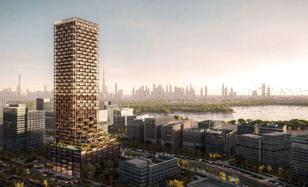 From $505,000
Completion in: 2029.II Total of 1097 apartments

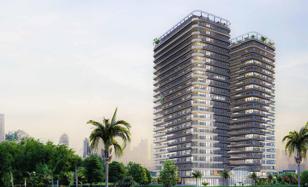 From $213,000
Completion in: 2027.IV Total of 210 apartments

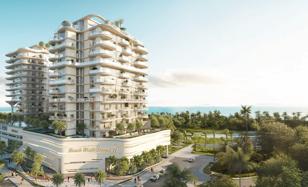 From $729,000
Completion in: 2027.IV 108 units in total
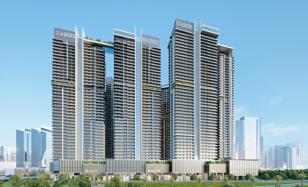 From $157,000
Completion in: 2028.II Total of 5800 apartments
 From $272,000
Completion in: 2029.II Total of 726 apartments
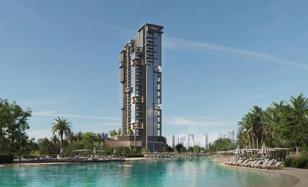 From $589,000
Completion in: 2027.IV Total of 291 apartments
In Abu Dhabi, foreign investors should focus on designated investment zones. In H1 2026, Al Hudayriyat Island, Saadiyat Island, Al Reem and Al Maryah Islands and Yas Island recorded substantial residential sales activity. ADREC reported that investment zones attracted AED 75 billion of investment during the period and are open to investors of all nationalities.
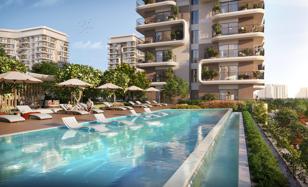 From $871,000
Completion in: 2030.I Total of 780 apartments
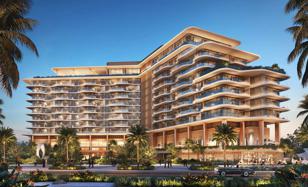 From $3,996,000
Completion in: 2028.II Total of 281 apartments
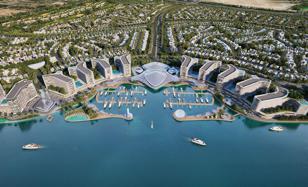 From $357,000
Completion in: 2029.IV 500 units in total
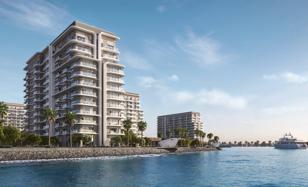 From $368,000
Completion in: 2029.IV Total of 950 apartments
 $1,429,000
Total area 230 m² 5 bedrooms
 From $464,000
Completion in: 2026.IV Total of 370 apartments
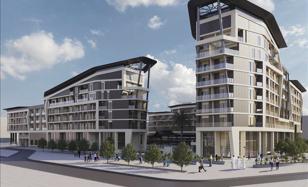 From $218,000
Built in 2023 Total of 300 apartments
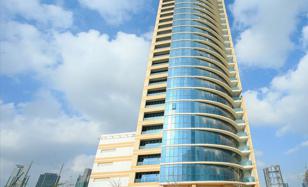
In Ras Al Khaimah, official freehold areas include Al Marjan Island, Al Hamra Village, Mina Al Arab, RAK Central and Julphar Towers.
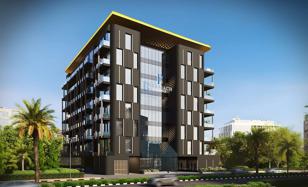 From $636,000
Completion in: 2027.II Total of 92 apartments
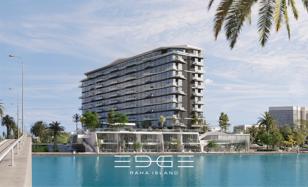 From $618,000
Completion in: 2027.II Total of 100 apartments
 From $820,000
Completion in: 2028.I 355 units in total
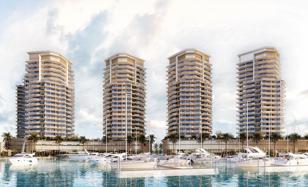 From $382,000
Completion in: 2027.I Total of 641 apartments
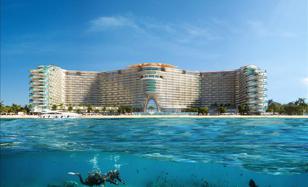 From $798,000
Completion in: 2026.IV Total of 1000 apartments
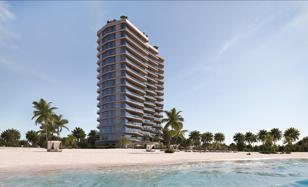 From $1,231,000
Built in 2024 Total of 151 apartments
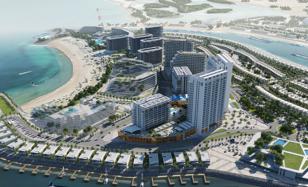 From $3,268,000
Built in 2026 Total of 668 apartments
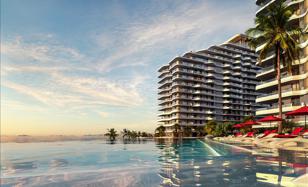 From $1,840,000
Completion in: 2028.I 803 units in total
Sharjah and Ajman can provide lower entry prices in many segments, but foreign buyers should verify ownership eligibility for the exact project.
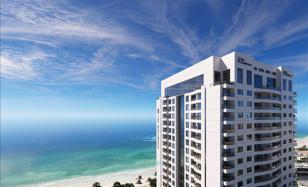 From $517,000
Built in 2025 Total of 168 apartments
 From $648,000
Completion in: 2027.II 619 units in total
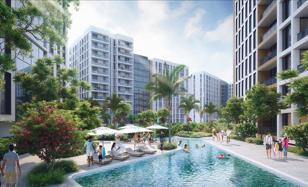 From $223,000
Completion in: 2029.I Total of 2633 apartments
 From $277,000
Total of 173 apartments
 From $1,120,000
Completion in: 2027.IV 58 units in total
 From $519,000
Completion in: 2027.I Total of 123 apartments
 From $309,000
Completion in: 2027.I Total of 358 apartments
 From $219,000
Completion in: 2027.IV Total of 1775 apartments
 From $254,000
Completion in: 2026.IV Total of 200 apartments
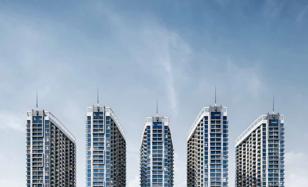 From $164,000
Completion in: 2026.IV Total of 1680 apartments
 From $536,000
Built in 2025 Total of 90 apartments
 From $5,777,000
Completion in: 2025.IV Total of 13 apartments
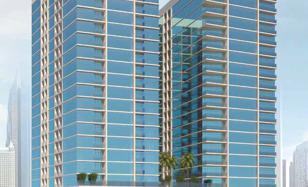 From $149,000
Completion in: 2024.I Total of 576 apartments
 From $90,000
Completion in: 2024 Total of 160 apartments
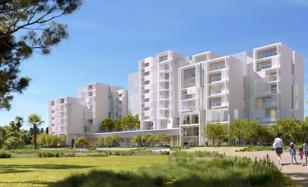 From $388,000
Completion in: 2026.IV Total of 20 apartments
Property type is equally important. Studios and one-bedroom apartments often require less capital and can target a broad tenant market. Larger apartments are more dependent on family demand.
From $505,000
Completion in: 2029.II Total of 1097 apartments
From $213,000
Completion in: 2027.IV Total of 210 apartments
From $729,000
Completion in: 2027.IV 108 units in total
From $157,000
Completion in: 2028.II Total of 5800 apartments
From $272,000
Completion in: 2029.II Total of 726 apartments
From $589,000
Completion in: 2027.IV Total of 291 apartments
Villas and townhouses usually require a higher investment but may appeal to longer-term family tenants. Branded residences and prime waterfront properties target a different buyer and tenant segment and can carry substantially higher service charges.
 From $543,000
Completion in: 2027.III 500 units in total
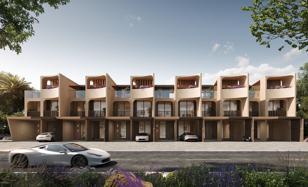 From $889,000
Completion in: 2027.IV 47 units in total
 From $2,639,000
Completion in: 2028.IV 5 units in total
From $820,000
Completion in: 2028.I 355 units in total
From $648,000
Completion in: 2027.II 619 units in total
From $1,120,000
Completion in: 2027.IV 58 units in total
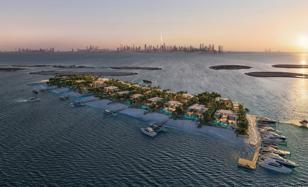 From $20,265,000
Completion in: 2027.I 24 units in total
 From $762,000
Built in 2025 155 units in total
The most useful comparison is therefore not simply «Dubai versus Abu Dhabi» or «apartment versus villa,» but expected net return, resale liquidity, ownership costs and future competing supply.
Buying Property in the UAE for Expats and Foreigners
Foreigners can buy property in the UAE, but ownership rights are determined at emirate level. Dubai allows expatriate residents and non-resident foreigners to acquire freehold property in designated areas. Abu Dhabi allows non-UAE nationals to acquire real estate rights in investment zones. Ras Al Khaimah also expressly permits non-Emirati buyers to own property in designated freehold areas.
Foreign buyers do not necessarily need UAE residency merely to own an eligible property. Dubai’s registration procedure, for example, expressly accepts a valid passport from a non-resident foreign purchaser. Residency and property ownership are nevertheless separate legal matters. A qualifying real estate investment may provide a route to UAE residence, but purchasing any property does not automatically create visa eligibility.
The Federal Authority for Identity, Citizenship, Customs and Port Security currently provides a 10-year Golden Residency route for qualifying real estate investors. Among the principal requirements is ownership of one or more UAE properties with a total value of at least AED 2 million. Qualifying financed property and approved off-plan purchases can also be accepted subject to the applicable conditions.
US Citizens Buying Property in the UAE
US citizens can purchase eligible UAE property under the same local foreign-ownership framework that applies to other non-UAE buyers. The official UAE and emirate-level property rules reviewed for foreign ownership generally classify purchasers as UAE/GCC nationals or foreign/non-UAE nationals rather than creating a separate real estate ownership category for US citizens.
US nationals are already significant participants in the market. For example, ADREC listed the United States among the leading sources of foreign direct real estate investment in Abu Dhabi during H1 2026.
However, US tax rules remain relevant after the purchase. The IRS states that US citizens and resident aliens are generally subject to US tax on their worldwide income, including income earned outside the United States. This can include rental income generated by UAE real estate.
Directly owned foreign real estate itself is not a specified foreign financial asset that must be reported on Form 8938, and directly owned foreign real estate is also not an FBAR financial account. The position can change if the property is held through a foreign corporation, partnership or other entity, or if the owner maintains reportable UAE financial accounts.
How to Buy Off-Plan Property in the UAE
An off-plan property is purchased before construction has been completed. Buyers may acquire a unit at launch or during construction and normally pay according to a staged payment schedule. The regulatory framework differs between emirates, so buyers should verify the project through the relevant land or real estate authority.
Dubai provides a clear example of the safeguards used in a regulated off-plan market. A developer seeking to sell a new project off-plan must register the project and establish an escrow account. DLD also requires the developer to satisfy financial-security requirements, which can include completion of 30% of construction, a qualifying bank guarantee or an equivalent cash deposit.
The buyer’s off-plan sale must then be entered in Dubai’s provisional real estate register. DLD currently requires the sale and purchase agreement to be registered within 90 days of signing. Before buying off-plan, the purchaser should check the project registration, developer, escrow account, construction progress, expected handover date, payment schedule and contractual provisions covering delays and default.
 $608,000
Total area 121 m² 1 bedroom
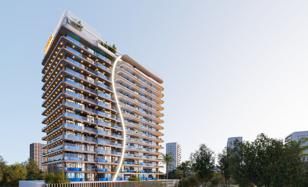

 $193,000
Total area 42 m² 1 bedroom
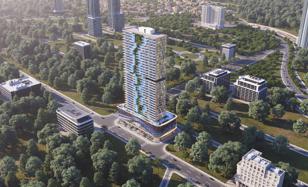
 $254,000
Total area 34 m² 1 bathroom
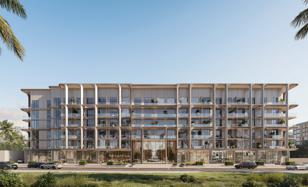
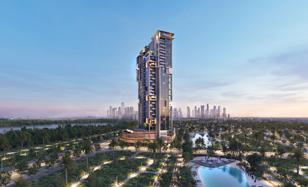
Off-plan payment plans can reduce the immediate cash requirement compared with a completed property, but they do not eliminate risk. The buyer is exposed to construction timing, future market prices and the volume of competing units that may be completed at the same time. Mortgage financing should also be considered separately. Central Bank rules cap off-plan LTV at 50%, compared with higher maximum ratios for qualifying completed homes.
Buying Commercial Property in the UAE
Foreign investors can also purchase commercial property where the relevant emirate and development permit foreign ownership. Options can include offices, retail units, warehouses and other income-producing property.
Commercial purchases require additional due diligence. The buyer should verify the permitted use of the premises, existing lease agreements, tenant payment history, fit-out obligations, service charges, building rules and whether the activity of a future occupier is permitted at the location.
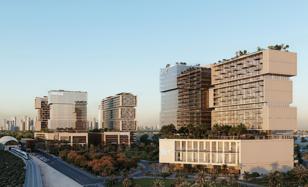 $1,781,000
Total area 157.13 m² 1 floor
 $1,591,000
Total area 140.44 m² 1 floor
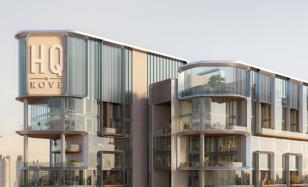 $1,820,000
Total area 114.36 m² 21 floor
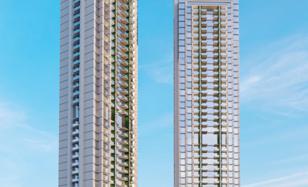 $2,964,000
Total area 302.96 m² 1 floor
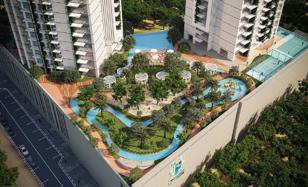 $2,294,000
Total area 235.14 m² 1 floor
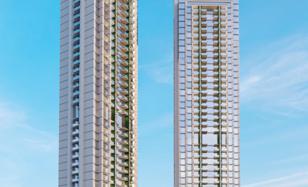 $2,970,000
Total area 301.19 m² 1 floor
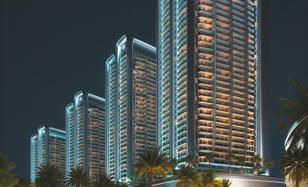 $2,209,000
Total area 103.35 m² 1 floor
 $926,000
Total area 80 m² 1 floor
Tax treatment is also different from most residential real estate. The Federal Tax Authority states that supplies, including sales and leases, of commercial real estate are generally subject to VAT at the standard 5% rate. Residential property is generally exempt, while the first supply of qualifying residential property within three years of completion is zero-rated.
VAT should therefore be considered when calculating the acquisition price and expected investment return from commercial property. Where property is purchased through a company rather than personally, additional corporate, licensing, tax and ownership considerations may also apply.
Government Support for Buying a Home in the UAE
Government housing assistance in the UAE should be divided into two categories: programmes for UAE citizens and newer initiatives that also support expatriate residents. At the federal level, traditional housing assistance is aimed primarily at UAE nationals.
The UAE Government states that housing assistance for citizens can include land, interest-free or subsidised loans and affordable housing. The Sheikh Zayed Housing Programme and local housing authorities provide various forms of support to eligible Emirati households. The federal Housing Assistance Request service likewise identifies its target audience as UAE citizens. Dubai, however, introduced a significant programme that also covers expatriates.
The First-Time Home Buyer Programme, launched by Dubai Land Department and the Dubai Department of Economy and Tourism in July 2025, is open to UAE residents of any nationality who are at least 18 years old, do not currently own a freehold residential property in Dubai and are seeking a home valued below AED 5 million.
Benefits can include priority access to new launches, preferential developer pricing, flexible payment arrangements, instalment options for DLD registration fees and preferential mortgage products from participating banks. There is no additional fee to join the programme, although normal registration, developer and bank charges still apply.
By June 2026, the programme had helped more than 3,200 residents purchase their first homes, generating more than AED 5 billion of residential sales. Expats should therefore distinguish between federal housing benefits, which are predominantly citizen-focused, and individual emirate initiatives that may be available to residents of all nationalities.
Risks and Benefits of Buying Property in the UAE
One of the principal benefits of UAE property is access to several distinct markets within one country. Buyers can select between highly liquid metropolitan markets such as Dubai, investment-zone property in Abu Dhabi, emerging tourism-led markets such as Ras Al Khaimah and comparatively affordable options in Sharjah and Ajman.
Foreign ownership rights have also expanded considerably, and qualifying property investment can support long-term UAE residency. There is substantial rental demand in the largest markets.
Abu Dhabi, for example, recorded approximately 233,000 active residential lease contracts in H1 2026, while foreign and expatriate purchasers represented 70% of residential sales value during the period. Dubai recorded more than 270,000 real estate transactions worth AED 917 billion in 2025, reflecting significant market depth and liquidity. The risks should be considered with equal care.
Property prices and rents can decline as well as rise. Off-plan projects introduce construction and timing risk. A large pipeline of new supply can reduce rental growth and increase competition between sellers. Service charges can substantially reduce net rental returns, particularly in buildings with extensive facilities.
Mortgage buyers are exposed to financing costs and property valuations. If a bank values a unit below the agreed purchase price, the purchaser may have to provide more equity than initially planned. Investors should also distinguish between gross and net yield. A quoted gross yield normally ignores maintenance, service charges, management costs, vacancy and transaction expenses.
The strongest purchase is therefore usually one where the buyer understands the ownership structure, comparable transaction prices, realistic rental income, recurring expenses and likely exit market before committing funds.
FAQ about Buying Property in the UAE
Yes. Foreigners can purchase property in locations where the relevant emirate permits foreign ownership. The rules differ between emirates, so eligibility must be checked for the specific area or project.
Not necessarily. Dubai, for example, allows non-resident foreigners to register eligible freehold property using a valid passport. Residency requirements for financing may be different from the rules governing ownership.
Under Central Bank rules, an expatriate can finance up to 80% of a qualifying first owner-occupied property worth AED 5 million or less, implying a minimum 20% equity contribution. The regulatory maximum falls to 70% for a first home above AED 5 million, 60% for an investment or subsequent property and 50% for off-plan property.
No. Registration fees are set at emirate level. Dubai, for example, charges 4% of the sale value in total, formally divided between buyer and seller, while other emirates use different fee structures.
Yes, subject to the lender’s eligibility criteria and Central Bank regulations. Banks may impose stricter lending limits than the regulatory maximums.
The legal requirement is to complete the appropriate contractual and registration procedures. Where a broker is used, buyers should verify that the broker is properly licensed and understand the agreed commission. Dubai Land Department maintains official broker information through its real estate systems.
Not automatically. Property-based residence routes have separate eligibility requirements. The federal Golden Residency programme currently provides a 10-year route for qualifying real estate investors holding at least AED 2 million of eligible UAE property.
Yes, subject to the same emirate-specific foreign-ownership rules that apply to other non-UAE buyers. US citizens should additionally account for US worldwide-income reporting obligations if the property generates rental or other taxable income.
Residential property is generally exempt from UAE VAT, although the first supply of qualifying residential property within three years of completion is zero-rated. Commercial property sales and leases are generally subject to 5% VAT.
Off-plan transactions are regulated, but they still carry construction and market risk. Buyers should verify the project, developer and escrow arrangements with the relevant authority. In Dubai, registered off-plan projects must meet DLD project-registration and escrow requirements.
Key checks include foreign-ownership eligibility, title and mortgage status, comparable registered sale prices, service charges, tenancy status, building condition, developer reputation, future supply and the full transaction cost. For off-plan property, project registration, escrow arrangements and the SPA should also be reviewed before substantial payments are made.
We will send you a content digest not more than once a week