Costa Blanca: Property on Spain’s Sun-Drenched Coast
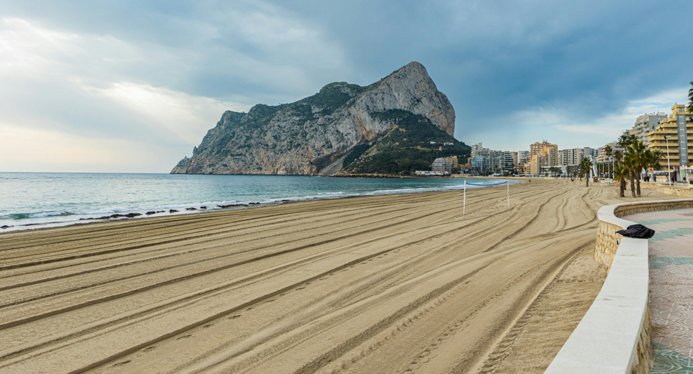
Alicante remains Spain’s most international property market. According to the Association of Land and Mercantile Registrars of Spain (Colegio de Registradores de la Propiedad, Bienes Muebles y Mercantiles de España), foreign buyers accounted for around 45–46% of all residential property transactions in the province in 2025, meaning that nearly every second home purchase in Alicante was made by a non-Spanish buyer.
Spanish provinces with the highest share of foreign property buyers, 2025
Province / Region | Foreign demand, % | |
1 | Alicante | 45.7% |
2 | Balearic Islands | 32.8% |
3 | Málaga | 32.3% |
4 | Santa Cruz de Tenerife | 30.7% |
5 | Girona | 28.9% |
6 | Murcia | 22.8% |
7 | Almería | 20.0% |
8 | Las Palmas | 19.7% |
Source: Idealista
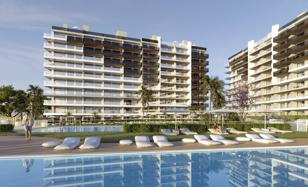 From 304,000 €
Completion in: 2027.I Total of 250 apartments
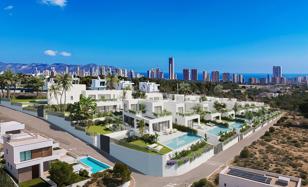 From 710,000 €
Completion in: 2026.IV 41 units in total
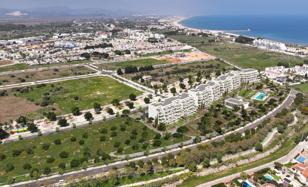 From 318,000 €
Completion in: 2027.I Total of 280 apartments
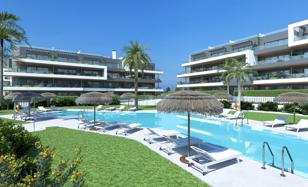 From 251,000 €
Built in 2025 Total of 240 apartments
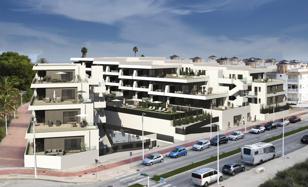 From 246,000 €
Completion in: 2027.I Total of 64 apartments
 276,000 €
Total area 92 m² 2 bedrooms
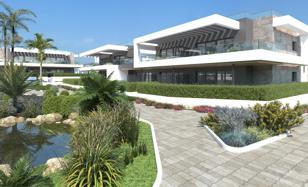 398,000 €
Total area 138 m² 3 bedrooms
 620,000 €
Total area 261 m² Land area: 239 m²
Much of this demand is concentrated along the Costa Blanca, a stretch of more than 200 kilometres of Mediterranean coastline in the province of Alicante. The area is one of Spain’s most popular tourist destinations, with around 320 sunny days per year, mild winters, hot summers and more than 60 Blue Flag beaches recognised for their quality. The southern part of the coast — including Torrevieja and the pink salt lakes of Las Salinas de Torrevieja — is particularly popular among international buyers. The combination of climate, well-developed tourism infrastructure and steady visitor flows makes southern Costa Blanca attractive both for lifestyle purchases and for investment, as many owners rent their properties to tourists throughout the year.
Property prices gradually rising
According to data from the Spanish property portal Idealista, residential prices in Spain have risen significantly since the late-2010s recovery cycle. While in 2018 the national average price stood at about €1,664 per square metre, by 2026 the average price across Spain exceeds €2,200/m², reflecting strong post-pandemic demand, rising construction costs and limited supply in many regions.
Despite this growth, Alicante remains one of the more affordable coastal property markets in Spain. As of 2026, the average asking price in the province is about €2,200—2,300 per square metre, significantly lower than in Spain’s most overheated markets such as Madrid, Barcelona and the Balearic Islands, where prices now range from roughly €4,000 to over €5,000 per square metre. At the same time, Alicante is more expensive than neighbouring Murcia, but remains broadly comparable with Valencia and significantly cheaper than other Mediterranean investment hotspots such as Málaga.
Average residential property prices in Spain, 2026
Province / Region | Average price, €/m² |
Madrid | ~5,100 |
Balearic Islands | ~4,800 |
Barcelona | ~4,600 |
Málaga | ~3,200 |
Valencia | ~2,400 |
Alicante | ~2,250 |
Murcia | ~1,650 |
Spain (average) | ~2,200 |
This combination of moderate pricing, strong tourism demand and high international buyer activity has supported steady price growth in the province over the past decade. Southern Costa Blanca cities — particularly Torrevieja, Orihuela Costa and Guardamar del Segura — continue to attract both lifestyle buyers and investors thanks to relatively affordable entry prices compared with other Spanish coastal destinations.
Construction activity in Alicante reaches a 15-year high
After the collapse of Spain’s construction boom in 2008, residential development in Alicante slowed dramatically for almost a decade. Only in the late 2010s did the market begin to recover, supported by rising tourism, growing international demand and gradually increasing property prices. By the mid-2020s the province once again became one of the most active construction areas on Spain’s Mediterranean coast.
According to data cited by Idealista, 9,301 homes were started in Alicante in the 12 months to early 2025, marking the highest level of residential construction since the 2008 housing boom. The recovery in development reflects sustained demand from both domestic buyers and international second-home purchasers, particularly in coastal municipalities along the Costa Blanca.
Residential construction starts in Alicante province
Year | Housing starts |
2018 | ~8,300 |
2019 | ~8,000 |
2020 | ~6,500 |
2021 | ~7,400 |
2022 | ~8,100 |
2023 | ~8,800 |
2024 | ~9,000 |
2025 | 9,301 |
Despite the increase in new development, the structure of the market remains dominated by existing housing stock. Across Spain, new-build homes typically account for only around 15–20% of total residential transactions, while the majority of purchases involve properties in the secondary market. This pattern is particularly pronounced in mature resort regions such as Alicante, where large volumes of housing were built during earlier development cycles.
From 304,000 €
Completion in: 2027.I Total of 250 apartments
From 710,000 €
Completion in: 2026.IV 41 units in total
From 318,000 €
Completion in: 2027.I Total of 280 apartments
From 251,000 €
Built in 2025 Total of 240 apartments
From 246,000 €
Completion in: 2027.I Total of 64 apartments
276,000 €
Total area 92 m² 2 bedrooms
398,000 €
Total area 138 m² 3 bedrooms
620,000 €
Total area 261 m² Land area: 239 m²
Nevertheless, the number of new projects has been rising steadily in response to demand, especially in areas with strong international interest such as Torrevieja, Orihuela Costa, Benidorm, Dénia and Alicante city. Compared with the pre-2008 construction boom, the current cycle is characterised by more moderate and demand-driven development, with developers launching projects gradually rather than building at speculative scale.
Profitable lease
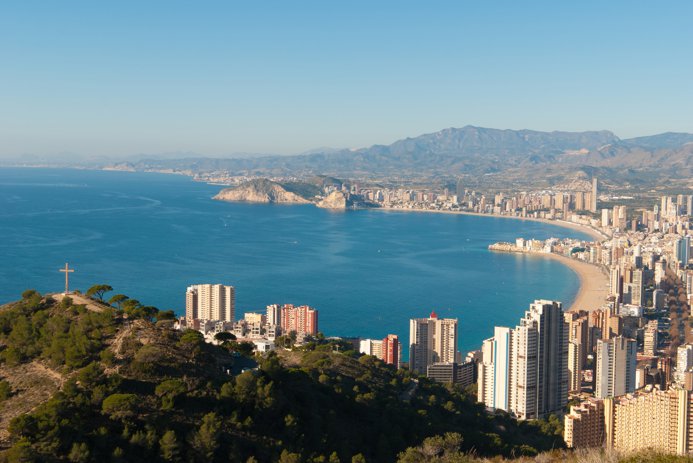
Tourism and the rental market remain key drivers of the Alicante property sector. The province has long been one of Spain’s most popular destinations for short-term apartment rentals thanks to its climate, developed tourism infrastructure and strong international visitor flows. Over the past decade, steady growth in tourism and the expansion of short-term rental platforms have significantly increased demand for rental housing across the Costa Blanca, particularly in cities such as Torrevieja, Benidorm, Alicante and Orihuela Costa.
Average rental rates for residential property in Spain, 2026
Province / Region | Rental rate €/m² per month |
Barcelona | ~22 |
Madrid | ~20 |
Balearic Islands | ~19 |
Málaga | ~15 |
Valencia | ~14 |
Alicante | ~11.5 |
Murcia | ~9 |
Spain (average) | ~13 |
This demand has translated into strong rental price growth. According to data from the property portal Idealista, the average residential rent in Alicante province has risen from about €6.7 per square metre per month in 2018 to roughly €12—13 per square metre in 2026, meaning that rents have almost doubled in less than a decade. Over the last five years alone, rental prices in the province have increased by around 69%, reflecting the tightening of the rental market amid growing tourism flows, migration and limited housing supply. Despite this growth, rental prices in Alicante remain noticeably lower than in Spain’s most expensive markets such as Barcelona, Madrid or the Balearic Islands, while benefiting from strong demand from both tourists and international residents.
Evolution of rental prices in Alicante
Year | Average rent €/m² per month |
2018 | 6.7 |
2021 | ~7.2 |
2022 | ~7.5 |
2023 | ~9.5 |
2024 | ~11 |
2025 | ~12.9 |
2026 | ~13.0 |
From an investment perspective, this combination of relatively moderate property prices and rapidly rising rents supports attractive rental yields. In many coastal municipalities of southern Costa Blanca, smaller apartments aimed at tourists and seasonal residents can generate gross rental yields of roughly 5–7% annually, depending on location, property type and management strategy. The region also benefits from strong transport connectivity: Alicante—Elche International Airport, one of the busiest airports in Spain, provides direct flights to dozens of European cities and serves as the main gateway to the Costa Blanca, supporting both tourism demand and the attractiveness of the region for international property buyers.
Our experts will help you choose property in Alicante based on your budget, investment strategy and expected rental yield.
Contact us
We will send you a content digest not more than once a week