Phuket Property Prices in 2026


Thailand plays an important role in the Asia-Pacific region. In the past, economic growth in the area was associated with the rise of the so-called Asian Tigers: Singapore, Hong Kong, South Korea, and Taiwan. While the development potential of these four economies has already reached its limits, Thailand still has prospects for future growth.
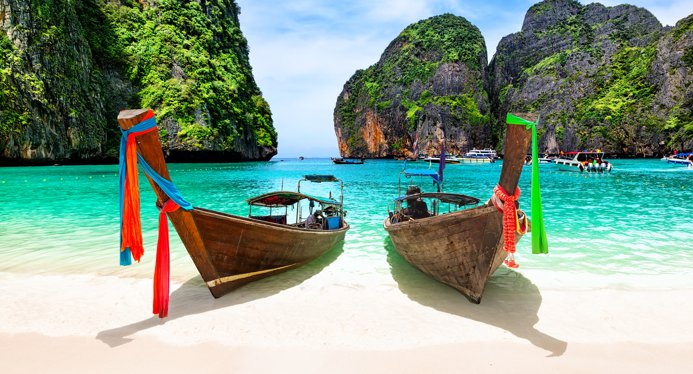
Phuket is recognised as Thailand’s main centre for foreign investment in resort property. The island owes its popularity to the clean, picturesque beaches with white sand and clear blue water, tropical flora, a warm and humid climate, a variety of cuisines, and a relatively low cost of living. Visitors who come for a few weeks often decide to invest in rental property on the island. Property prices in Phuket are affordable compared with those in European coastal resorts.
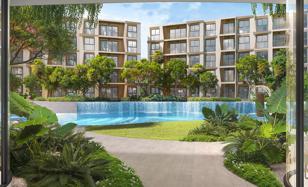 From $128,000
Completion in: 2027.IV 295 units in total
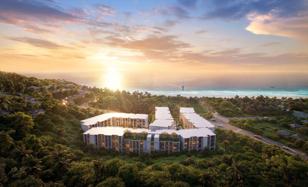 From $171,000
Completion in: 2029.I 350 units in total
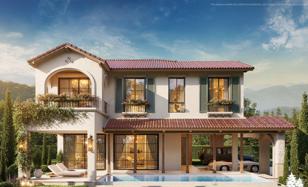 From $351,000
Completion in: 2029.I 37 units in total
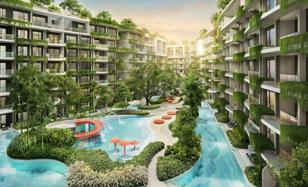 From $142,000
Completion in: 2027.I 859 units in total
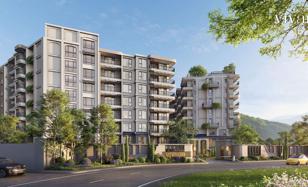 From $123,000
Completion in: 2028.III 363 units in total
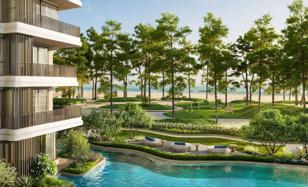 From $160,000
Completion in: 2028.I 542 units in total
 From $140,000
Completion in: 2028.I 564 units in total
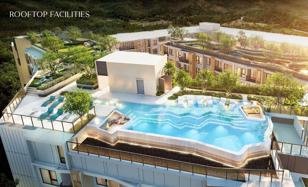 From $87,000
Completion in: 2028.II 452 units in total
Phuket Real Estate Market
The price per square metre in Phuket depends largely on the location and view of the property. Even with the same floor plan, apartments with a sea view can be 1.5–2 times as expensive as those with a mountain or courtyard view. There is also a simple rule: the closer a property is to the beach, the higher its price.
Bang Tao and Laguna
The elite Laguna resort is located in the centre of Bang Tao, one of Phuket’s long west-coast beaches. It is one of the first high-end destinations in Phuket. Currently, most of the luxury hotels, villas, and condominiums are located in this part of the island.
Laguna Bay is an oasis and the pearl of Phuket. The infrastructure is well integrated into its surroundings, giving visitors the impression of being lost in the tropics and a sense of unity with nature. Nevertheless, golf courses, lakes with boats, spa facilities, and restaurants offering a variety of cuisines are comfortably situated within the Laguna area.
Condominium prices in Laguna range from 250,000 dollars for a studio to 5 million dollars for a private villa.
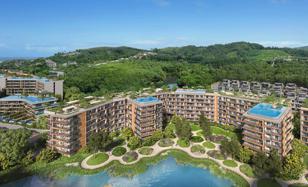 From $255,000
Completion in: 2027.IV 220 units in total
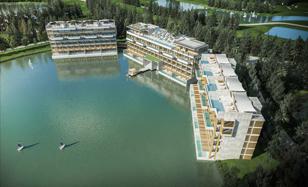 From $1,751,000
Built in 2025 Total of 72 apartments
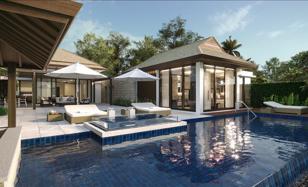
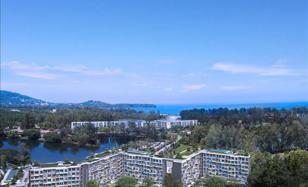
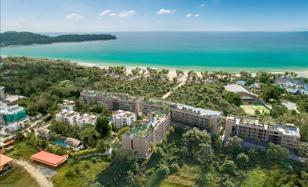 From $817,000
Total of 185 apartments
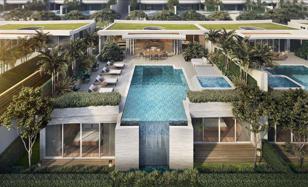
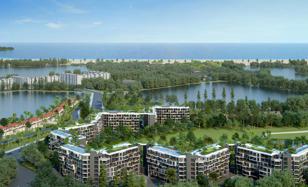 From $161,000
Built in 2026 Total of 420 apartments
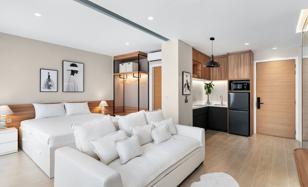 $263,000
Total area 40 m² 1 bedroom
In other parts of Bang Tao, budget examples include villas from around US$560,000 for 150 sq. metres; asking prices vary by project, size and completion stage. Most of Bang Tao’s supermarkets, bars, and restaurants are located along Boat Avenue. The aquapark is a 10-minute drive away.
The northern end of Bang Tao Beach suits those who prefer a quiet stay. The picturesque Layan Beach lies apart from the tourist infrastructure of the island. A condominium in Layan starts from 103,000 US dollars for 25 sq. metres, and the average price of a villa is 1.5 million US dollars for 500 sq. metres.
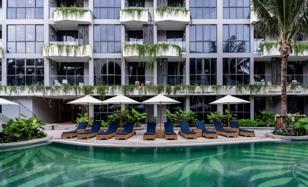 From $150,000
Built in 2025 Total of 9 apartments
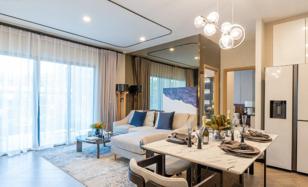
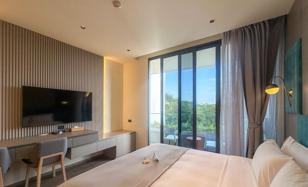
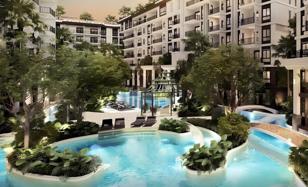
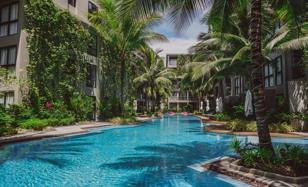
 From $255,000
Completion in: 2027.IV 220 units in total
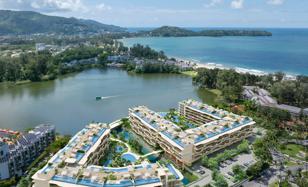 From $868,000
Completion in: 2028.IV 237 units in total
Kamala
Kamala Beach lies on Phuket’s west coast, north of Patong. It is also home to private luxury villas along Millionaires’ Mile. In recent years, the northern end of the beach has seen active development. The upmarket Mont Azure district is under construction.
The beach is ideal for a quiet holiday, as there is no noisy nightlife nearby. During the day, visitors can enjoy a largely empty beach and clear, azure water, with few, if any, tourists. Kamala condominiums start from 115,000 US dollars for 38 sq. metres.
From $123,000
Completion in: 2028.III 363 units in total
From $140,000
Completion in: 2028.I 564 units in total
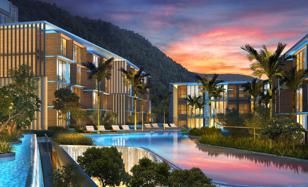 From $143,000
Built in 2024 Total of 432 apartments
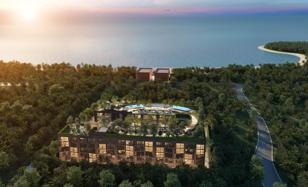 From $173,000
Built in 2023 Total of 200 apartments
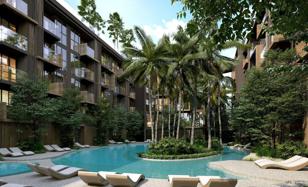 $187,000
Total area 39 m² 1 bedroom
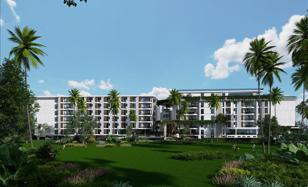 From $185,000
Completion in: 2027.IV 222 units in total
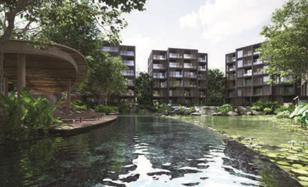 $307,000
Total area 47 m² 1 bedroom
Karon and Kata
Karon and Kata Beaches are located on the southwest coast of Phuket, south of the famous Patong Beach and north of Rawai Beach. These beaches are known for incredible views of the bay from the nearby hills, their creaking sand, and a promenade running the length of the shore. The swimming season runs from November to April, but it is restricted during other month due to strong currents in the monsoon season.
The area offers a wide range of restaurants and cafés. At Karon Beach, the difference between seafront and hillside property is particularly visible: the hillside property is up to 4 times cheaper than the seafront apartments. So, condominiums in Kata start from 130,000 US dollars for 31 sq. metres, while villas start from 566,000 US dollars for 365 sq. metres.
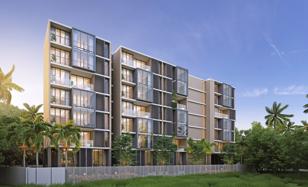 From $160,000
Completion in: 2026.IV Total of 94 apartments
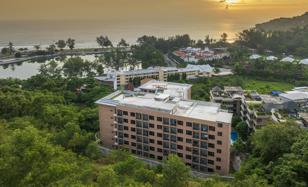 From $149,000
Built in 2024 Total of 191 apartments
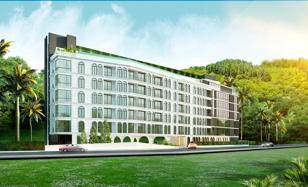 From $149,000
Built in 2026 Total of 77 apartments
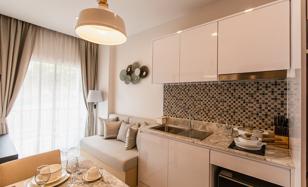 From $131,000
Built in 2022 Total of 30 apartments
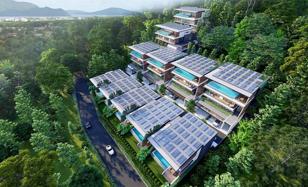 $1,360,000
Total area 700 m² Land area: 441 m²
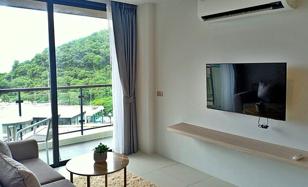 $142,000
Total area 34 m² 1 bedroom
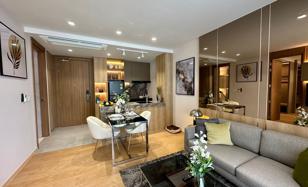 $191,000
Total area 57 m² 1 bedroom
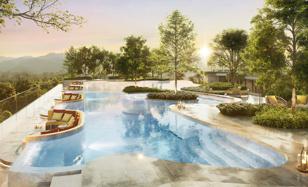 From $155,000
Completion in: 2029.I Total of 180 apartments
Rawai and Nai Harn
Rawai and Nai Harn Beaches are located on the south coast of Phuket. They are better developed in terms of infrastructure, as locals and expats from different countries prefer to settle here. The area has several international schools and hospitals, as well as a large seafood market.
One of the best viewpoints, Cape Phrom Thep, is located at the southern tip of the island. Condominium prices in Rawai start from 107,000 US dollars for 44 sq. metres. Villa prices start from 479,000 US dollars for 440 sq. metres.

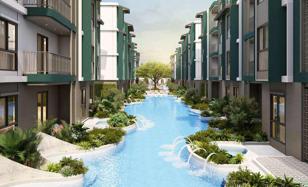 From $159,000
Completion in: 2027.II 210 units in total
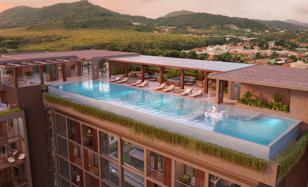 From $207,000
Completion in: 2026.IV Total of 172 apartments
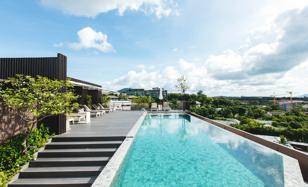 From $112,000
Built in 2020 Total of 48 apartments
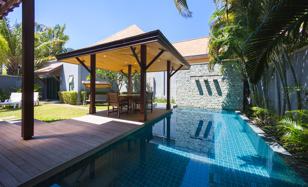 $335,000
Total area 180 m² Land area: 300 m²
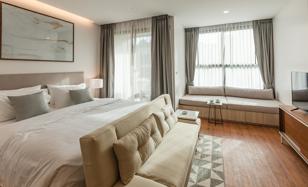 From $108,000
Built in 2020 Total of 48 apartments
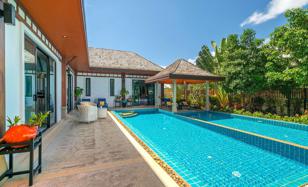 $1,043,000
Total area 380 m² Land area: 664 m²
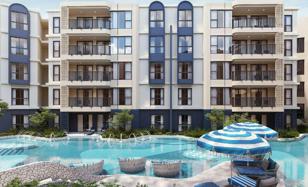 From $144,000
Completion in: 2026.IV 171 units in total
Nai Yang
Nai Yang is located in the north of Phuket Island within Sirinat National Park, which is known for its mangrove forests. Due to its natural park status, there is no large-scale beachfront development, and Nai Yang is considered a quiet place for family holidays.
The properties available for sale in the Nai Yang area are mostly villas and condominiums, and the local infrastructure comprises markets, shops, and cafés. Nai Yang is close to the airport, which sits right by the beach. Condominiums in this part of Phuket start from 96,000 US dollars for 29 sq. metres, villas — from 462,000 US dollars for 114 sq. metres.
Chalong
The area is located on the east coast of Phuket Island, with well-developed infrastructure, including international schools, hospitals, sports centres, and kindergartens. Chalong is not suited to a beach holiday because of the rocky shore, but it is a popular spot for diving. This area of the island is mainly populated by locals and expats with children. There is little rental property in Chalong; apartments are purchased mostly for private living. Condominiums in this part of Phuket start from 82,000 US dollars for 29 sq. metres, villas in Chalong — from 638,000 US dollars for 338 sq. metres.
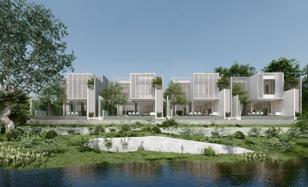
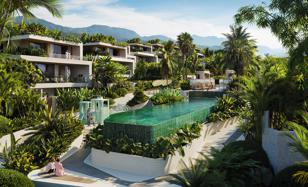 From $594,000
Completion in: 2027.II 37 units in total
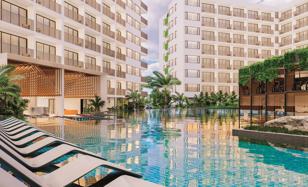 From $89,000
Completion in: 2026.IV Total of 398 apartments
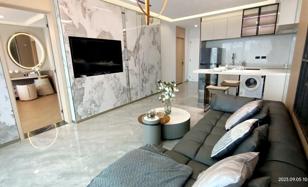 From $265,000
Built in 2024 Total of 67 apartments
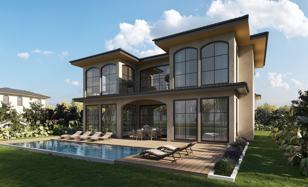 From $436,000
Completion in: 2027.IV 54 units in total
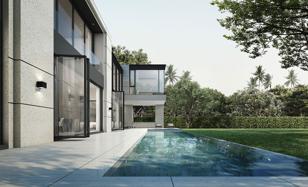 From $1,186,000
Completion in: 2025.IV 13 units in total
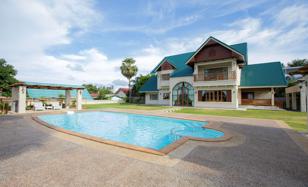 $1,040,000
Total area 2,060 m² Land area: 2,060 m²
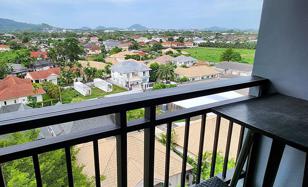 $223,000
Total area 90 m² 2 bedrooms
Thus, you can find both budget and premium property on almost every beach in Phuket. Depending on your goals, you can pursue different investment strategies — either by buying a family villa in an area with well-developed infrastructure in the east and south of the island, or by investing in rental property on Phuket’s west coast.
What Affects Property Values in Phuket?
When assessing how much property in Phuket costs, and what drives prices, investors need to consider several factors. We can mention the geographical features of the island, strong foreign-buyer demand in the Phuket region, and Thailand’s economic position in the global market.
Limited Land Supply
Phuket is a relatively small island, and land supply is constrained by zoning and environmental restrictions. A map-based estimate puts the main residential and mixed-use zones at roughly 30% of the island’s land area under the 2011 town plan and its 2015 map amendment. These zones include existing development, so their area does not measure the vacant land available for new projects. Some housing is also permitted in agricultural zones, subject to restrictions. The scope for development on an individual plot depends on its zoning, protected status and applicable building rules.
Labour Force Factor
During the COVID-19 pandemic, a large number of workers in the tourism and construction sectors were forced to relocate from Phuket to other parts of Thailand in search of work. Consequently, once the pandemic ended, there was an increase in labour costs, with knock-on effects across the property sector.
Strong Interest of Foreign Investors
Since the very beginning of the development of Phuket’s resort tourism sector, there has been growing interest in the island’s property market from foreign investors. US and European investors were the first to recognise the potential of buying resort property in Thailand; later, the resorts became popular with residents of Russia, and interest from Chinese and other Southeast Asian buyers grew. This sustained demand helps explain the strong returns available in Phuket’s property market.
Tourist Attractions
Property values in Phuket are directly affected by the attractiveness of a given tourist location. An apartment complex located in a premium resort area will command a higher price than a similar complex in another part of the island. A sea view and proximity to the coast play a major role — property with these characteristics is usually more expensive. Beach rankings also matter — the west coast enjoys an advantage in overall resort appeal. In some cases, access to international schools, and the level of the surrounding infrastructure, are also important.
Thailand’s Sustainable Economy
Thailand’s tourism industry supports Phuket’s investment appeal. The island attracts international buyers looking for holiday homes and a place to live for longer periods, while its beaches and established resort infrastructure support demand for accommodation. Colliers’ 2025–2026 market review highlights renewed interest from overseas buyers, including those from Russia and the Middle East, and growing demand for spacious, low-density villa developments. Together, these factors create opportunities for well-located properties designed around the needs of tourists and long-term residents.
Off-plan projects may be marketed with an assumed capital gain of around 10-15% by completion. This is an optimistic project scenario: completion delays, competing supply, resale costs and rental occupancy can materially change the outcome.
Rental Income in Phuket
The best strategy for achieving high rental income from rental property in Phuket is to invest in condominiums with professional hotel management in a resort area on the west coast of the island. This is because the most profitable segment is short-term renting, which is only permitted in Thailand with a hotel licence that ensures compliance with hotel standards. As a rule, at the construction stage the future management company is identified, as is the preferred rental programme:
-
Fixed rental returns. For example, a contract may provide that the management company covers operating and renting out costs and manages the units for 2–5 years; in return, it guarantees the investor a fixed annual return of 5 to 8% of the purchase price. For example, on a purchase of 200,000 US dollars and a 5-year contract at 5% per annum, the operator undertakes to pay the investor 10,000 US dollars annually, regardless of actual rental performance. This allows you to reduce risk during adverse market conditions and void periods.
-
Rental Pool. Under this programme, the management company aggregates actual revenue from all apartments in the resort complex for the reporting period and distributes it between owners according to a pre-agreed split: 30% remains to the management company, and 70% — to investors. In strong tourist seasons, the investor’s annual revenue can be up to 10% of the property value. This model can also benefit owners of non-sea-view apartments, as revenue is pooled and shared, rather than tied to individual occupancy.
-
Mixed scheme. Under this programme, the investor receives a guaranteed fixed annual return with the commission of the management company, and if the complex generates revenue above the guarantee, the excess revenue is shared between investors and the management company under the rental-pool split.
A fixed rental commitment depends on the operator meeting its obligations; costs, taxes, exclusions and personal-use rules affect the investor’s net return.
After the expiry of the contract term, the owner may switch to a different rental programme by agreement with the management company.
Rental yields in Phuket depend on tourism. The developed scheme of rental programmes allows investors to minimise risk in adverse conditions by delegating operations and issue resolution to the management company.
In the near future, tourist arrivals to Thailand are expected to increase significantly, which means now is a good time to buy investment property with strong income potential.
Our experts will find the best property to match your requirements, help calculate its potential profitability, and decide on an investment strategy.
Contact us
We will send you a content digest not more than once a week