Sihanoukville Real Estate Market in 2026
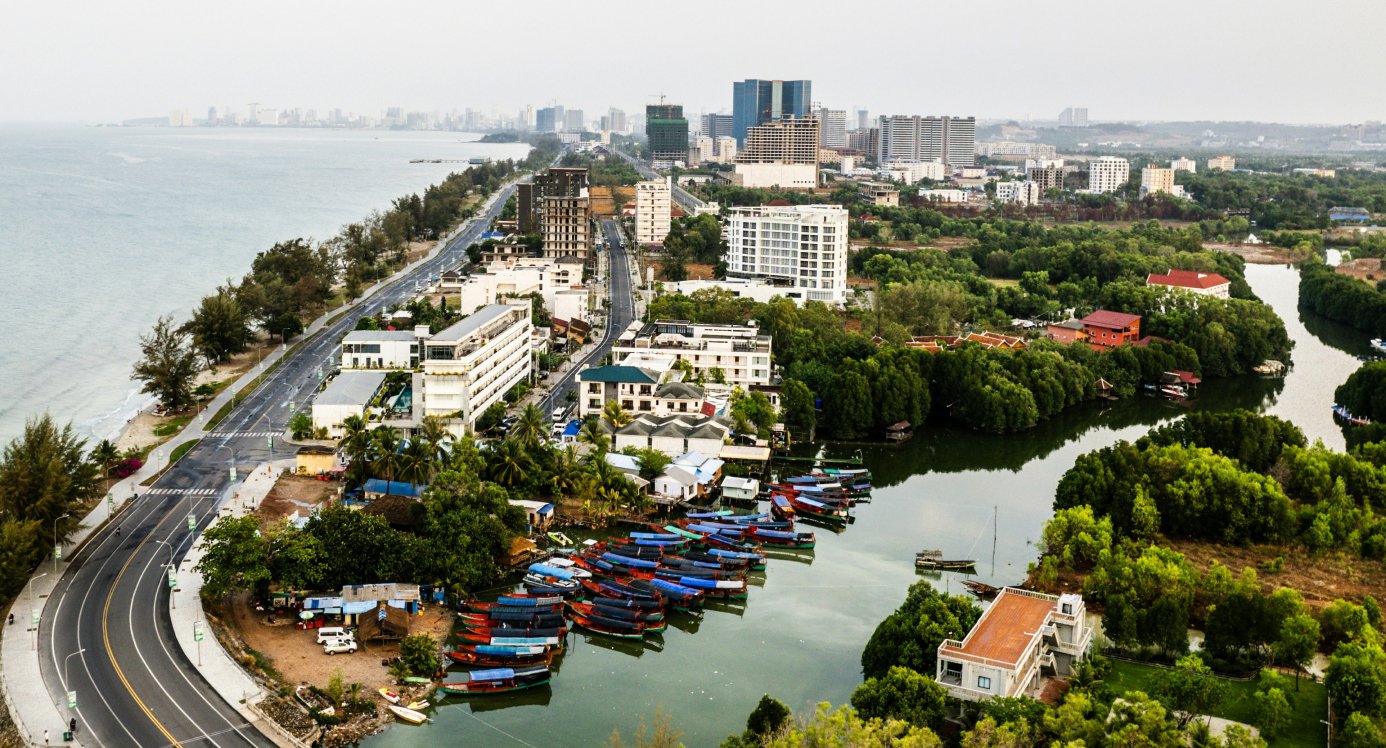
The Sihanoukville real estate market is one of the most unusual property markets in Cambodia. The coastal city went through a rapid construction boom driven largely by Chinese capital, casinos, tourism and speculative development, followed by a sharp correction that left a substantial number of projects unfinished.
In 2026, the market is no longer defined by rapid across-the-board construction. Instead, Sihanoukville is going through a selective restructuring. Completed condominiums and beachfront projects continue to trade, the government is offering incentives to restart stalled developments, and large infrastructure projects around the port and logistics sector could support longer-term demand. At the same time, oversupply, incomplete buildings, weak resale liquidity and developer risk remain important considerations.
For investors, the Sihanoukville property market is therefore very different from Phnom Penh. It offers coastal tourism exposure and significant port and industrial potential, but it also carries greater project-specific and market-cycle risk.
Overview of the Sihanoukville Real Estate Market
Sihanoukville is Cambodia’s main coastal city and home to the country’s principal deep-water seaport. Its property market includes condominiums, apartments, villas, houses, hotels, casinos, commercial buildings, development land and industrial and logistics property.
The market is highly fragmented. Some completed coastal developments have active rental and resale markets, while other buildings remain partly occupied or unfinished. In April 2026, a local property-market specialist cited approximately 400 stalled buildings in downtown Sihanoukville, although this was an industry estimate rather than an official comprehensive count.
The government has been trying to accelerate the recovery. Between 2024 and February 2026, incentive policies were approved for 467 projects in Preah Sihanouk province worth approximately $8.18 billion, including 209 projects related to unfinished structures, according to figures cited by CamboJA.
The investment-promotion programme has also been extended through the end of 2027. In January 2026, another 24 projects worth more than $208 million received in-principle approval for special incentives, including eight stalled-building projects. The result is a market where recovery is taking place, but not uniformly.
How the Sihanoukville Property Market Developed
The Property Boom of the Late 2010s
Sihanoukville changed rapidly during the second half of the 2010s. Chinese investors financed hotels, casinos, condominiums and commercial buildings across the city. Property and land prices increased, and large numbers of projects were launched to serve foreign investors, tourists and workers.
A significant part of the market was driven by speculative rather than end-user demand. Developers could sell units based on expectations of continuing Chinese investment and rapid urban transformation. This construction boom also increased the city’s dependence on a relatively narrow group of buyers and businesses.
Market Correction After 2019
Conditions changed after Cambodia prohibited online gambling operations and Chinese investor activity declined. The COVID-19 pandemic subsequently disrupted tourism, travel, construction and capital flows. Many foreign workers and investors left the city, while developers struggled to finance or complete projects.
Numerous commercial buildings and projects were left incomplete after investors returned to China, and weak new capital inflows continue to make restarting some projects difficult. The market correction was therefore not simply a temporary decline in property prices. It affected construction activity, rental occupancy, land leases, developer finances and the broader local economy.
Sihanoukville Market in 2026
In 2026, Sihanoukville is best described as a market in transition rather than a fully recovered property market. Some stalled projects have restarted or received government incentives. New projects are also being marketed, particularly in coastal and sea-view locations.
However, in April 2026 legitimate investment remained limited in some parts of the city and concerns about structural quality made certain unfinished buildings difficult to sell to new investors. The local economy is also being reshaped by enforcement against online scam operations. That may improve Sihanoukville’s long-term business environment, but it has also reduced demand associated with workers and businesses linked to those operations in the short term.
Sihanoukville Property Prices
There is no comprehensive official transaction-price index for the Sihanoukville property market, so most readily available market data are based on advertised properties rather than completed sales.
Current Tranio listings show an overall residential asking price of approximately $1,784 per m² across properties where floor area is available, with a median asking price of roughly $199,500. These figures include multiple property types and should not be treated as the average transaction price for a condominium or house.
Condominium Prices
For apartments and condominiums specifically, current listings show a median asking price of approximately $82,300 and around $1,818 per m². The majority of listed apartment and condo stock is relatively small, with one-bedroom units particularly common. There is substantial variation within this market.
Current entry-level listings include studios and one-bedroom units priced around $45,000—$60,000, with some projects asking approximately $1,000—$1,500 per m². Mid-market and newer sea-view units can move above $1,500—$2,500 per m², while selected premium resort or island developments are marketed considerably higher.
This price spread illustrates why a single average can be misleading. A completed studio in an older city building is fundamentally different from a new sea-view residence associated with a resort project.
House and Villa Prices
Houses and villas are more difficult to compare because the underlying land is a major component of value. Prices depend on:
- plot size;
- title status;
- distance from the beach;
- road access;
- commercial potential;
- sea views;
- building condition.
Landed property is primarily relevant to Cambodian buyers because foreign individuals cannot directly own Cambodian land.
Land Prices
Land values can vary dramatically. Beachfront sites and central commercial land can command substantial premiums, while land farther from developed infrastructure may be considerably cheaper.
For investors, the important questions include zoning, access roads, utilities, building permissions and legal title. A relatively inexpensive plot may have little investment value if it cannot be developed efficiently.
Sihanoukville Real Estate Market by Property Type
Condominiums
Condominiums are the most accessible segment for international individual buyers. Qualifying units can be owned directly by foreigners under Cambodia’s strata-title system, making condos much simpler legally than villas or landed property.
Sihanoukville contains both completed projects and off-plan developments, with many units marketed around sea views and proximity to beaches. The challenge is competition. A buyer purchasing an investment condo must consider not only other landlords in the same building but also the large stock of apartments created during previous development cycles.
Apartments
Apartments serve local residents, expatriate workers, businesspeople and tourism-related demand. Current rental listings show a median asking rent of about $450 per month for apartments and condominiums, with the middle range around $350—$700. The most popular listed rentals are smaller one-bedroom properties.
Villas and Houses
Villas can appeal to families, tourism operators and premium renters. However, foreign buyers need to distinguish ownership of the building from ownership of the land beneath it. Direct foreign ownership of Cambodian land is prohibited, so legal structures such as long-term leases may be more relevant than freehold purchase for an international investor.
Hotels and Hospitality Property
Hospitality remains central to Sihanoukville’s long-term development story. Hotels, beach resorts and serviced residences can benefit from recovering domestic tourism, cruise arrivals and island travel. However, these assets carry operational risk. Hotel performance depends on occupancy, room rates, management quality and tourism flows rather than simply on property appreciation.
Commercial Property
Commercial real estate includes shophouses, retail premises, offices, casino-related buildings and entertainment property. Demand can be highly location-specific. Properties serving tourism, port activity or genuine local businesses may have stronger fundamentals than spaces dependent on speculative tenants.
Industrial and Logistics Property
Industrial and logistics property may represent one of the more structurally interesting segments over the long term. Sihanoukville combines Cambodia’s main deep-water port, manufacturing activity, industrial zones and improved road connectivity with Phnom Penh. The government is also seeking investors for a planned Sihanoukville Logistics Complex, designed to connect with the port and provide integrated logistics services.
Sihanoukville Condominium Market
Existing Condo Supply
A large amount of condominium and apartment stock was developed during the earlier construction boom. Not all of this supply is directly comparable. Some buildings are completed and actively managed, while others have low occupancy or remain incomplete.
This means investors should look at building-level conditions rather than relying on city averages. Important indicators include:
- occupancy;
- service charges;
- building maintenance;
- active rental listings;
- number of resale units;
- developer-owned unsold stock.
New Condominium Projects in 2026
New development has not disappeared. Current listings show recently marketed projects, including oceanfront and sea-view condominiums, but new supply is much more selective than during the earlier boom. Developers increasingly need to differentiate through location, views, construction progress and credibility rather than simply selling the idea that Sihanoukville property prices will rise rapidly.
Typical Unit Types
Studios and one-bedroom apartments are especially common. These units generally have the lowest purchase prices and can appeal to single tenants, couples and short-stay guests.
Two-bedroom units can target families or higher-budget tenants, but require more capital and may have a smaller resale pool. Penthouses and very large sea-view apartments form a niche luxury segment.
Completed vs Off-Plan Condos
In the current market, completed property offers important advantages. A buyer can inspect:
- actual construction quality;
- views;
- common areas;
- building management;
- tenant occupancy;
- service charges.
Off-plan property may offer a lower entry price or instalment plan, but it introduces developer and completion risk. Given Sihanoukville’s history of stalled construction, that difference is especially important.
Unfinished and Stalled Developments in Sihanoukville
Sihanoukville’s unfinished buildings are the result of several overlapping factors. The city experienced extremely rapid foreign-funded development before demand weakened. Restrictions on online gambling changed the economics of many projects and businesses, while COVID-19 disrupted travel and construction.
Some developers subsequently lost access to finance. Weakness in China’s own real estate sector has also reduced the amount of capital available from a major historical source of Sihanoukville property investment.
How Many Stalled Buildings Remain?
There is no definitive public real-time inventory. According to Tranio data from April 2026, there are approximately 400 stalled buildings in the centre of Sihanoukville. This figure should be treated as an informed market estimate rather than a precise official total. Noted that some projects have restarted, some remain under construction and others appear abandoned.
Government Measures to Restart Projects
The Royal Government introduced a Special Programme to Promote Investment in Preah Sihanouk Province. By May 2025, 296 projects worth more than $7 billion had received incentives under the programme. Of these, 131 related to unfinished buildings.
The programme was later extended through 2027. In early 2026, further stalled-building projects were approved for incentives. These policies can include tax, procedural and investment incentives intended to encourage developers or new investors to take over and complete abandoned assets.
Risks of Buying an Unfinished Property
A large discount does not automatically make a stalled project attractive. Investors need to understand:
- structural condition after years of exposure;
- cost to complete;
- ownership of the underlying land;
- outstanding debts;
- mortgages or liens;
- construction permits;
- rights of earlier purchasers;
- availability of utilities;
- developer or investor funding.
Deterioration and questionable construction quality are among the obstacles preventing some unfinished buildings from attracting new capital.
Main Areas of the Sihanoukville Property Market
Downtown Sihanoukville
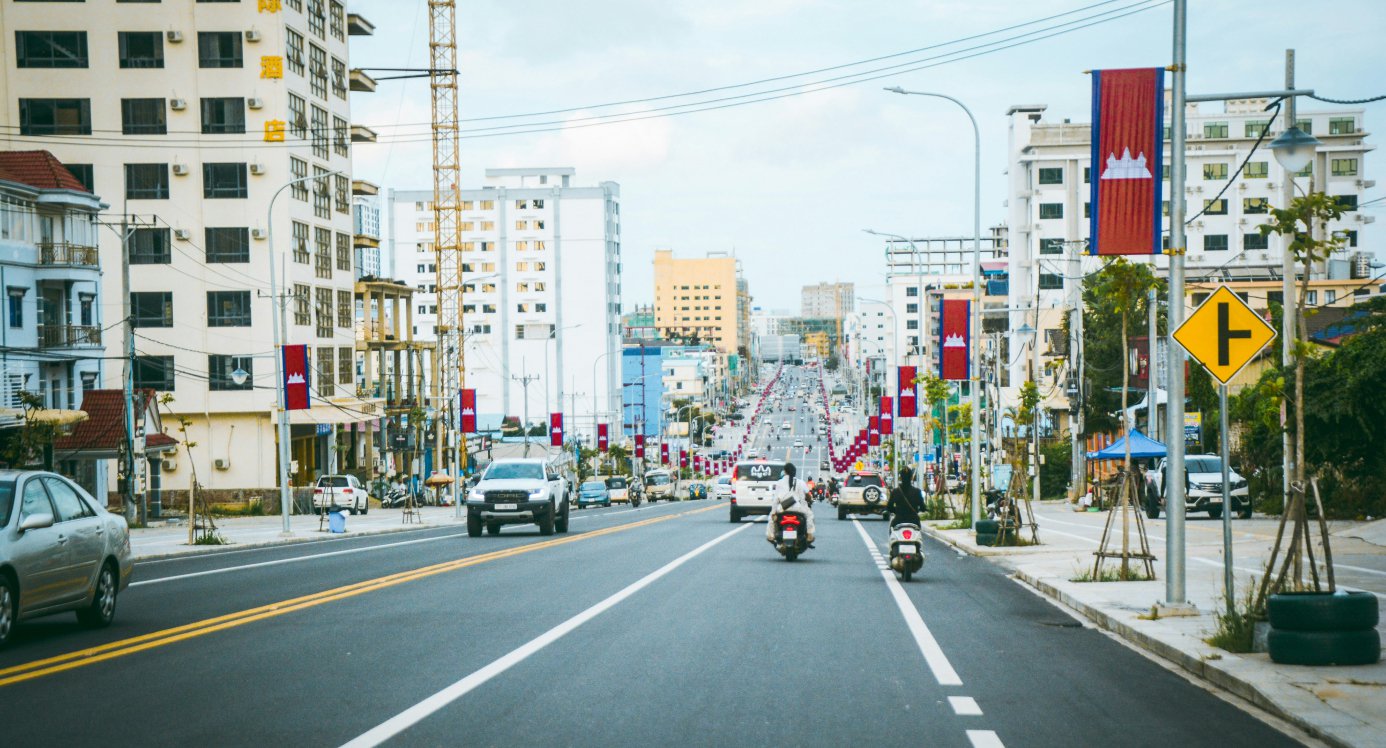
The central city contains hotels, casinos, commercial buildings, apartment towers and a significant proportion of stalled developments. It offers access to shops and businesses but is also where the legacy of the earlier construction boom is most visible. For investors, individual building quality matters more than the general neighbourhood label.
Ochheuteal Beach
Ochheuteal is one of Sihanoukville’s major beach areas and combines tourism, apartments, hotels and new development. Current rental listings include smaller apartments close to the beach from around a few hundred dollars per month, although rents vary greatly by building and condition. The beachfront environment can support tourism rentals, but occupancy is more seasonal than in a diversified capital-city rental market.
Otres Beach
Otres traditionally developed as a lower-density tourism area. It includes resorts, hotels, villas and residential property and can appeal to buyers seeking a quieter environment than central Sihanoukville. Rental and resale liquidity is generally thinner, so investment performance depends more strongly on tourism demand.
Independence Beach
Independence Beach includes premium sea-view locations and larger residential and hospitality developments. Views and proximity to the coastline can command a significant price premium.
Victory Beach and the Port Area
The northern side of the city is influenced more strongly by port and business activity. Commercial and logistics-related properties may benefit more directly from industrial development than tourism-oriented beachfront apartments.
Koh Rong and Nearby Islands
The islands form a separate investment segment dominated by resorts, hospitality and tourism development. Current property listings in Koh Rong can be priced substantially above typical mainland condominium listings, particularly for premium resort-linked properties. Island investments also involve greater infrastructure, management and tourism exposure.
Sihanoukville Rental Market
Long-Term Rental Demand
Long-term rental demand comes from local residents, foreign workers, businesses, port employees, manufacturing staff and other professionals. This demand is generally more stable than purely holiday-based accommodation but varies considerably by location. Apartments and condos currently have a median advertised rent of around $450 per month, with about two-thirds of listed units asking below $500.
Short-Term Rental Demand
Beachfront and resort properties can also target tourists. Short-term rentals may achieve higher nightly rates, but require:
- cleaning;
- guest management;
- booking-platform fees;
- furnishing;
- maintenance;
- greater occupancy management.
Net returns can therefore differ substantially from headline gross revenue.
Rental Prices
Current listed examples include furnished studios and one-bedroom units at roughly $300—$500 per month, while larger or premium sea-view apartments can exceed $700—$1,000 per month. A broader residential dataset, including villas and houses, shows a city median asking rent of approximately $1,000 per month, but this figure should not be used as an apartment benchmark because it combines very different property types.
Rental Yields
Tranio currently calculates an indicative 6% gross yield for Sihanoukville residential property by comparing its median asking rent with median asking sale price. This is not a realised investment return. Actual yield will be reduced by:
- vacancy;
- property management;
- building service charges;
- repairs;
- furnishing;
- taxes;
- agency commissions.
Properties with advertised guaranteed returns should therefore be evaluated according to the financial strength of the party providing the guarantee rather than the percentage alone.
Tourism and the Sihanoukville Property Market
Tourism remains an important demand driver, particularly for hotels, resorts and beach apartments. Preah Sihanouk province recorded more than 321,000 visitors during the three-day Water Festival in November 2025, most of them domestic tourists. International visitor numbers during the festival increased by more than 6% year on year.
International air connectivity also showed improvement during 2025. Sihanouk International Airport handled 36,675 international arrivals during the first eight months of 2025, up substantially year on year, although still far below the 2019 level.
Cruise traffic has continued in 2026. For example, the Viking Orion brought more than 800 international tourists to Sihanoukville in April 2026. These indicators show that tourism demand is recovering, but they do not necessarily imply an immediate return to earlier property-development levels. For landlords, domestic tourism and regional visitors may become increasingly important alongside the international market.
Port, Logistics and Industrial Demand
Sihanoukville Autonomous Port
Sihanoukville’s port may ultimately be more important to its long-term property fundamentals than speculative condominium demand. Cambodia and Japan are working on a master plan to transform Sihanoukville Autonomous Port into a regional port and logistics hub. Port expansion can generate demand for:
- warehouses;
- logistics facilities;
- commercial property;
- worker housing;
- offices;
- service businesses.
This creates a more diversified demand base for the city.
Sihanoukville Special Economic Zone
The Sihanoukville Special Economic Zone is an established industrial platform serving manufacturing companies. In August 2026, AKP reported that the zone had entered a new development phase focused on industrial upgrading and investment attraction. A stronger manufacturing economy can support residential demand indirectly by creating jobs and increasing demand for housing and services.
Infrastructure
Infrastructure investment also improves connectivity with the rest of Cambodia. The Phnom Penh—Sihanoukville Expressway significantly reduced road travel time between the capital and the coast. Port expansion, logistics infrastructure, airport connectivity and urban improvement projects can all influence property values, but their effect will vary considerably by location and asset type.
In September 2026, the province was also developing a new coastal promenade linking central areas toward Ochheuteal Beach as part of broader tourism and investment promotion efforts.
Foreign Buyers in the Sihanoukville Real Estate Market
Foreigners can directly own qualifying units in co-owned buildings through Cambodia’s strata-title system. The government’s investment handbook states that foreigners can own up to 70% of qualifying private units in an eligible co-owned building. This makes condominiums the simplest form of direct Sihanoukville real estate ownership for many international buyers.
Can Foreigners Own Land?
Foreign nationals cannot directly own Cambodian land. This restriction applies to land associated with houses and villas as well as development sites. Long-term leases are one possible alternative. Cambodia’s investment handbook notes that foreigners may enter into long-term leases, although leasehold rights are legally different from direct ownership.
Due Diligence for Foreign Buyers
Before purchasing, a foreign buyer should verify:
- strata-title eligibility;
- seller ownership;
- foreign ownership quota;
- mortgages and encumbrances;
- construction permits;
- developer rights over the land;
- actual project completion status.
In Sihanoukville, construction history deserves particular attention because some buildings were started during the speculative boom and subsequently stalled.
Buying off-plan property in Sihanoukville
Potential advantages
Off-plan projects can offer:
- lower launch pricing;
- staged payments;
- larger unit selection;
- choice of floor and view.
If the project completes successfully and the surrounding market strengthens, an early buyer may benefit.
Main Risks
Sihanoukville’s recent history demonstrates why these advantages must be balanced against risk. Potential problems include:
- delays;
- non-completion;
- developer insolvency;
- changes in design;
- insufficient occupancy;
- falling market values;
- difficulty reselling.
The current existence of hundreds of stalled projects makes developer financing particularly important.
How to Assess a Developer
An investor should examine completed projects rather than relying solely on marketing materials. Useful questions include:
- Has the developer completed comparable projects?
- Are previous buildings occupied?
- Were strata titles issued?
- How are completed properties maintained?
- Is construction visibly progressing?
- How is the new development financed?
A substantial payment plan is only beneficial if the project reaches completion.
Property Taxes and Transaction Costs
A buyer should budget beyond the advertised property price. Cambodia generally applies 4% stamp tax on transfers of assets such as land and buildings. Annual Tax on Immovable Property is generally 0.1% of the taxable base, calculated on the assessed property value after a KHR 100 million threshold. Certain exemptions apply.
Cambodia is also implementing a 20% capital gains tax regime. For immovable property specifically, implementation is scheduled for 1 January 2027, while capital gains tax on several other asset categories began from 1 January 2026. Additional ownership costs may include legal services, registration, agency fees, building management and rental management.
Main Risks in the Sihanoukville Real Estate Market
Oversupply
Large amounts of residential and commercial property were built or started during the previous boom. This can place pressure on rents and resale prices, particularly where many units in the same development are identical.
Unfinished Developments
Stalled projects remain the market’s most visible structural problem. The government incentive programme is helping to restart some developments, but recovery is gradual.
Developer Risk
Developer balance sheets and financing matter greatly. A project may look attractive architecturally but still carry substantial risk if construction depends on continuous presales.
Resale Liquidity
Sihanoukville’s secondary market is thinner than Phnom Penh’s. A seller may have to compete against developers offering new units, discounts or instalment plans. Investors should therefore assume a potentially longer holding period.
Rental Vacancy
Rental demand is uneven. Properties near established tourism, business or industrial activity may perform better than units in developments built primarily for speculative investors.
Reputational and Regulatory Risk
The city’s previous reliance on casinos, online gambling and later online scam operations affected demand patterns. The ongoing crackdown on scam compounds has reduced some local economic activity, while potentially supporting a healthier long-term environment.
Opportunities in the Sihanoukville Property Market
Despite the risks, the market can present several types of opportunity. Completed properties may sometimes be available at substantial discounts compared with original launch prices. Prime beachfront and sea-view property can benefit from genuine scarcity if the underlying project is completed and professionally managed.
Tourism recovery could support well-located hospitality property. The strongest structural theme may be industrial and logistics real estate associated with the port, Special Economic Zones and manufacturing. There is also a specialised redevelopment opportunity in unfinished buildings, although this is much more suitable for professional investors capable of structural, legal and financial due diligence than ordinary apartment buyers.
Sihanoukville vs Phnom Penh Real Estate
Phnom Penh and Sihanoukville serve different investment purposes. Phnom Penh has a larger population, stronger year-round employment demand and a deeper condominium rental market. Sihanoukville is more exposed to tourism, port activity, manufacturing and foreign investment cycles.
Property prices can be lower in some Sihanoukville condominium projects, but the discount may come with higher vacancy and resale risk. Phnom Penh therefore generally offers greater market depth, while Sihanoukville provides more direct exposure to Cambodia’s coastal development, tourism and logistics economy. For some investors, the difference is best framed as income stability versus higher event-driven upside and risk.
Is Sihanoukville Real Estate a Good Investment?
The market can provide opportunities, but property selection is particularly important. Potential advantages include:
- lower entry prices in some completed condos;
- direct foreign ownership of qualifying units;
- beachfront and sea-view supply;
- improving tourism connectivity;
- port expansion;
- industrial and logistics development;
- government incentives for investment.
The main disadvantages include:
- oversupply;
- stalled developments;
- weaker secondary-market liquidity;
- developer risk;
- uneven rental demand.
For a private investor, a completed property with clear title, visible occupancy and realistic rent may be considerably less risky than a heavily discounted off-plan project. Professional and institutional investors may find opportunities in redevelopment, industrial property and logistics, but these strategies involve much greater complexity.
Sihanoukville Real Estate Market Outlook
Short-Term Outlook
The short-term outlook remains mixed. The city is still absorbing excess construction from the previous boom, and many unfinished buildings remain unresolved. At the same time, the government’s special investment programme is generating new and restarted projects. The programme has been extended until 2027, and new incentives continue to be granted.
Tourism is also improving, although unevenly, while enforcement against illegal scam operations is changing the local tenant and business base. A broad return to speculative property growth therefore appears less important than gradual absorption and redevelopment of existing supply.
Long-Term Outlook
The long-term investment case is broader than condominiums. The government’s development strategy for Preah Sihanouk places significant emphasis on logistics, tourism, urban redevelopment and higher-value investment, with the province intended to evolve into a multi-purpose economic zone.
Port expansion and the planned logistics complex could strengthen industrial and commercial demand. Tourism and island development remain additional potential drivers. The most sustainable future for the Sihanoukville property market is therefore likely to depend less on another speculative building boom and more on genuine demand from tourism, logistics, manufacturing, residents and operating businesses.
FAQ about property market in Sihanoukville
The market is restructuring after a major construction downturn. Completed properties remain available and some stalled projects are restarting, but unfinished buildings and weak liquidity remain important challenges.
There are signs of recovery, but it is selective rather than market-wide. The government has extended its special investment programme to 2027 and continues approving incentives for new and stalled projects.
Current residential listings show an overall asking price of approximately $1,784 per m², although the figure combines different property types.
Current apartment and condominium listings show a median asking price of approximately $82,300 and about $1,818 per m². These are asking prices, not completed transaction averages.
Rapid speculative construction was followed by lower Chinese investment, restrictions on online gambling, COVID-era disruption and financing problems. Many projects consequently stopped before completion.
Some are. Government incentive programmes have helped restart certain projects, but many remain stalled or abandoned.
The appropriate location depends on the investment strategy. Ochheuteal and Independence Beach are more tourism- and residential-oriented, while Victory Beach and the port area have greater exposure to commercial and logistics demand. Otres Beach can suit lower-density tourism strategies.
Yes. Foreigners can own qualifying strata-title units in co-owned buildings, subject to Cambodia’s foreign ownership rules.
No. Foreign individuals cannot directly own Cambodian land. Long-term lease structures can be used in appropriate circumstances.
Current listing-based data imply a Sihanoukville-wide gross residential yield of around 6%, before expenses. Actual results depend heavily on building, vacancy and management costs.
Beach and resort locations can attract short-term tourism demand, but results are seasonal and management-intensive. Properties should be assessed using realistic annual occupancy rather than peak-season nightly rates.
It can suit investors comfortable with higher emerging-market and project-specific risk. Completed properties with clear titles and established demand generally provide greater visibility than speculative off-plan developments.
The main risks are oversupply, unfinished projects, developer solvency, vacancy, limited resale liquidity, title issues and dependence on specific tourism or foreign-investment demand.
Expansion of Sihanoukville Autonomous Port and development of a logistics complex could increase demand for industrial, warehouse, commercial and residential property serving port-related businesses and employees.
The market is likely to remain selective in the near term. Over the longer term, port expansion, logistics, manufacturing, tourism and government-backed redevelopment could create a more diversified property market less dependent on speculative construction.
We will send you a content digest not more than once a week