Southern Tenerife: Where to Buy a Second Home or Spend Your Holiday
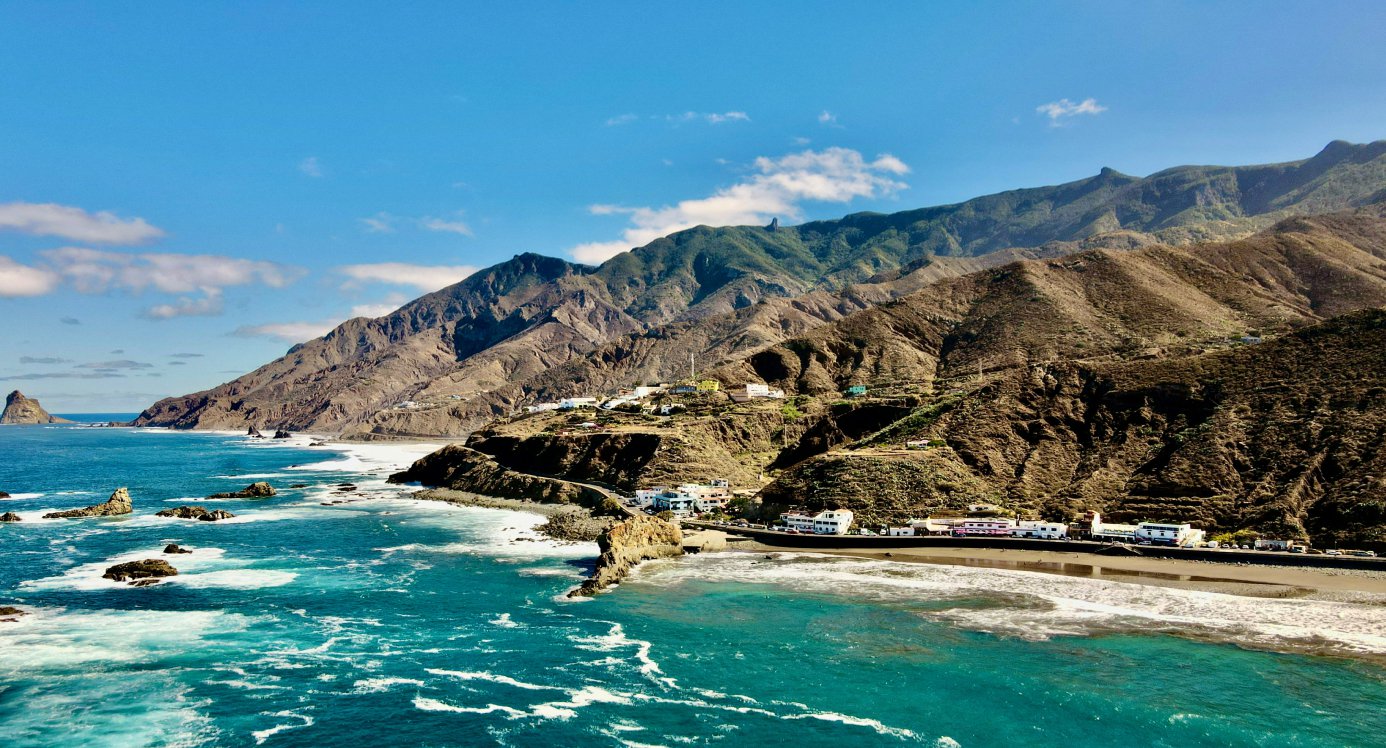
Tenerife is the largest and most visited island in the Canary Islands and remains one of Spain’s leading destinations for both holiday-home buyers and tourists. Each year, several million international visitors are drawn by its mild subtropical climate: summer temperatures typically hover around 24–28 °C, while winters are warm at about 18–22 °C, with sunshine on most days of the year.
Tourism on Tenerife began developing in the late 19th century, when European travellers — particularly the British — started arriving for the island’s health-giving climate. Large-scale resort development accelerated in the 1960s—1970s, shaping the modern tourism infrastructure that continues to expand today.
The island has two international airports, numerous Blue Flag beaches, Michelin-starred restaurants, several golf courses and dramatic volcanic landscapes. Mount Teide, the highest peak in Spain, dominates the centre of the island; Teide National Park has been a UNESCO World Heritage Site since 2007 and remains Tenerife’s most iconic natural landmark.
Geographically, Tenerife offers two distinct environments. The northern part of the island is greener, cooler and more traditional, with historic towns and lush vegetation, while the southern coast is sunnier, drier and home to the main beach resorts and tourism infrastructure. This concentration of sunshine, beaches and modern developments explains why the south continues to attract the majority of international visitors and foreign property buyers.
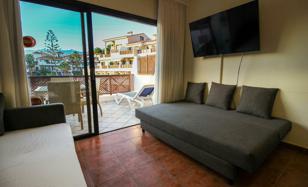 260,000 €
Total area 60 m² 1 bedroom
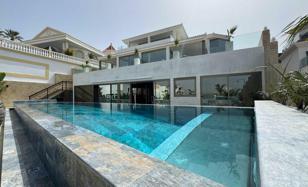 5,500,000 €
Total area 550 m² Land area: 650 m²
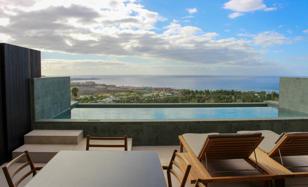 1,113,000 €
Total area 158 m² 2 bedrooms
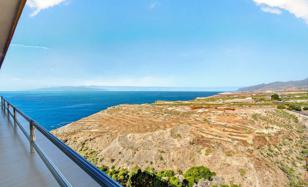 999,000 €
Total area 495 m² 3 bedrooms
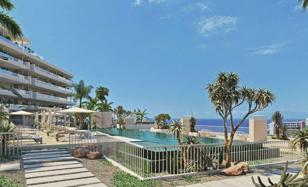 388,000 €
Total area 115 m² 1 bedroom
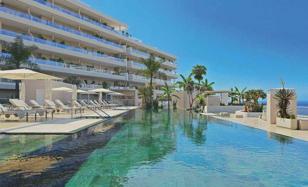 656,000 €
Total area 124 m² 2 bedrooms
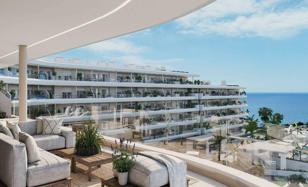 533,000 €
Total area 138 m² 2 bedrooms
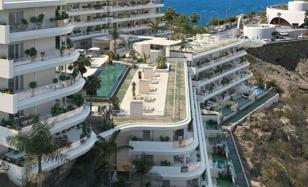 765,000 €
Total area 152 m² 3 bedrooms
Puerto de Santiago
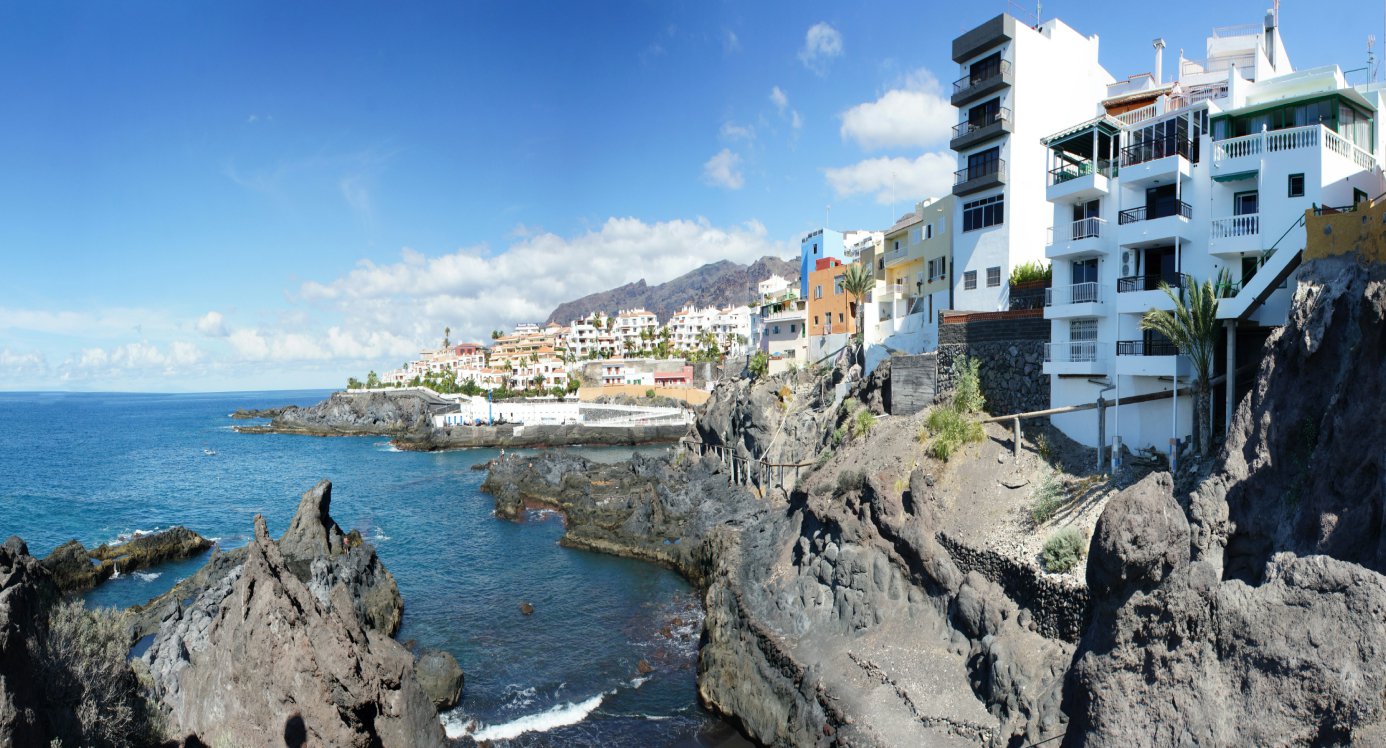
Puerto de Santiago is a coastal town on Tenerife’s south-western shore, about 25 m above sea level. Originally a small fishing settlement, it developed into a residential and holiday destination in the late 20th century alongside nearby Los Gigantes. Despite recent growth, the town retains a quiet, local atmosphere and mostly low-rise development with white houses and modern complexes descending towards the ocean. Nearby are volcanic beaches, including the popular Playa de la Arena.
Puerto de Santiago attracts buyers looking for a quieter location for holidays, second homes or retirement. The town has supermarkets, shops, cafés and restaurants, while the larger resorts of Los Gigantes and Playa de la Arena are only 10–15 minutes away.
In 2026, three-bedroom apartments typically start from about €320,000—350,000, villas with a pool from around €650,000—700,000, and larger four-bedroom villas on plots of roughly 500–600 sq m are commonly priced at about €950,000 to €1.3 million.
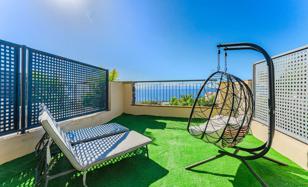 530,000 €
Total area 202 m² Land area: 108 m²
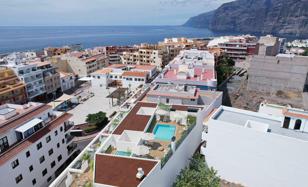 345,000 €
Total area 108 m² 3 bedrooms
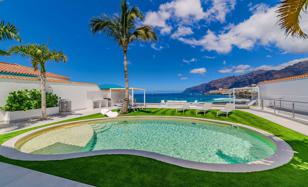 4,998,000 €
Total area 450 m² 7 bedrooms
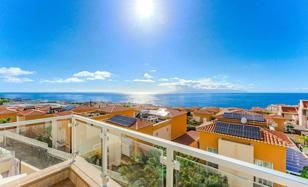 499,000 €
Total area 199 m² Land area: 121 m²
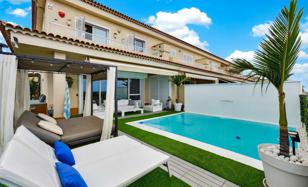 940,000 €
Total area 312 m² Land area: 264 m²
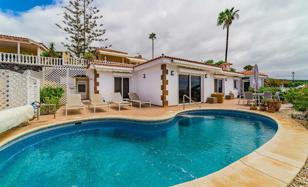 945,000 €
Total area 117 m² 3 bedrooms
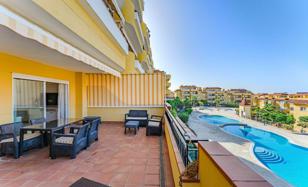 425,000 €
Total area 158 m² 2 bedrooms
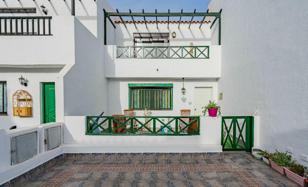 498,000 €
Total area 240 m² 4 bedrooms
Callao Salvaje
Callao Salvaje is a small coastal town on Tenerife’s south-western shore, known for its quiet residential atmosphere and steady growth as a second-home destination. Formerly a modest seaside settlement, it expanded from the late 20th century as tourism spread along the Costa Adeje area. Today it remains calmer than the main resorts, with relatively few hotels, plenty of cafés and seafood restaurants, a small shopping centre and a short seafront promenade. The local beach, Playa de Ajabo, has volcanic sand and can experience stronger waves, so it is less suited to small children than the sheltered beaches of nearby resorts. The lively resort of Playa de las Américas is about 10 minutes away by car, while the presence of an international school adds to the area’s appeal for families and long-term residents.
In 2026, apartments in residential complexes with a shared pool typically start from about €180,000—220,000, with larger or sea-view units often €250,000. Villas on the outskirts generally begin from around €650,000, with modern or spacious properties commonly exceeding €800,000 depending on plot size, views and condition.
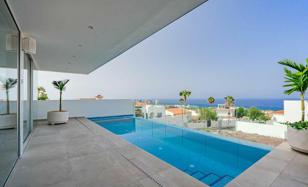 2,300,000 €
Total area 281 m² Land area: 523 m²
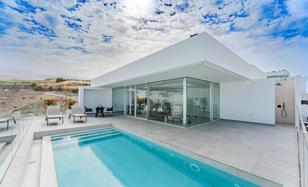 1,590,000 €
Total area 193 m² Land area: 298 m²
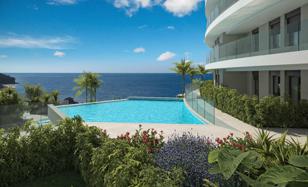 1,040,000 €
Total area 132 m² 3 bedrooms
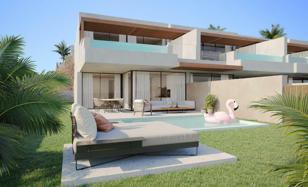 1,195,000 €
Total area 210 m² 2 bedrooms
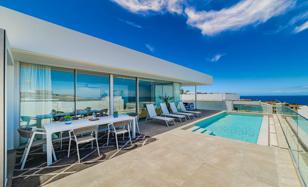 1,490,000 €
Total area 197 m² 3 bedrooms
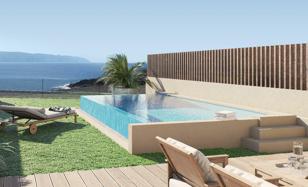 1,895,000 €
Total area 308 m² 4 bedrooms
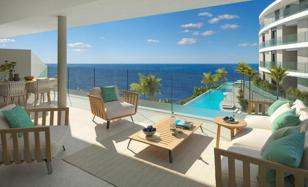 630,000 €
Total area 106 m² 2 bedrooms
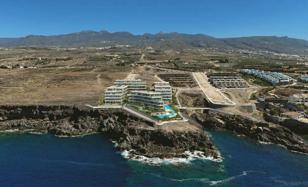 2,360,000 €
Total area 165 m² 4 bedrooms
La Caleta
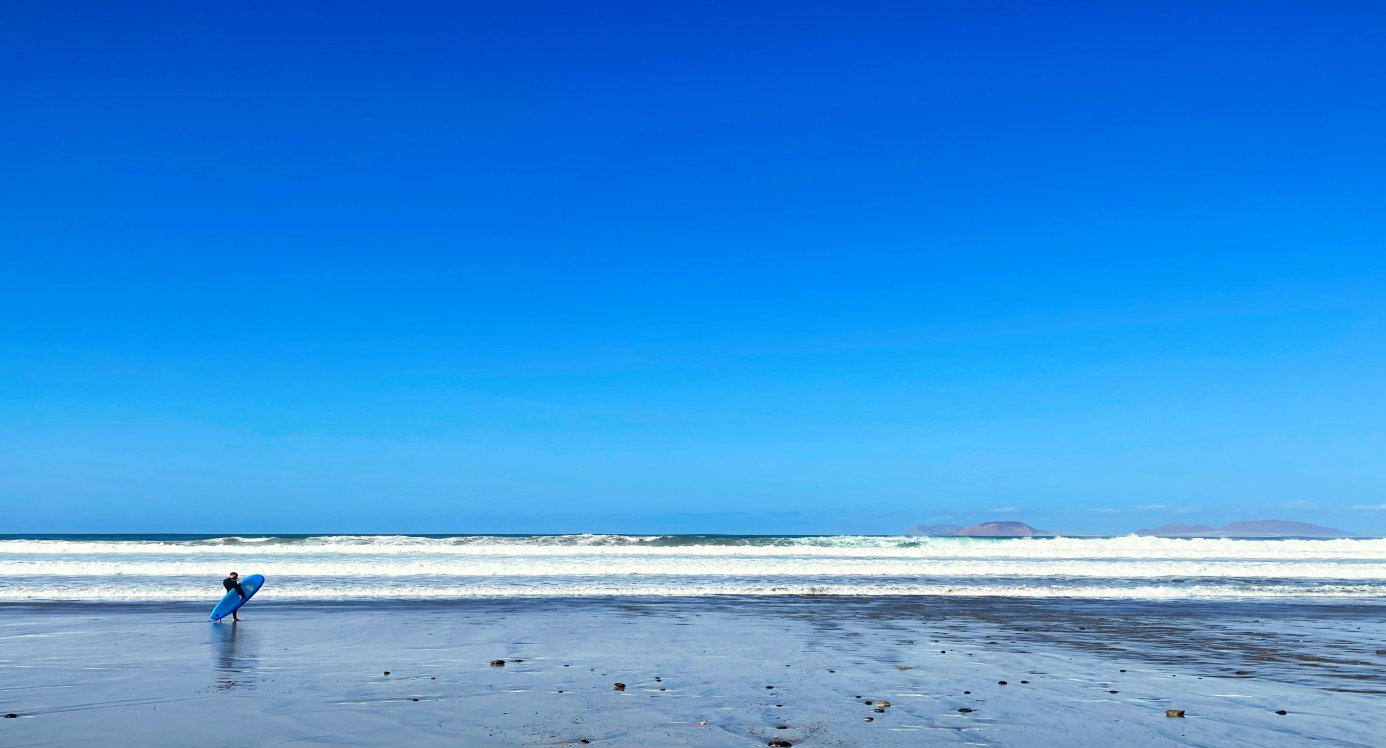
La Caleta is a former fishing village that has evolved into one of the most upscale and sought-after areas on Tenerife’s south-west coast. Once a small local harbour, it began transforming in the early 2000s as high-end hotels, beachfront restaurants and modern residential complexes expanded from nearby Costa Adeje. Today La Caleta is known for its renowned seafood restaurants, relaxed seafront atmosphere and proximity to premium infrastructure. The village itself has mostly rocky coves, while several sandy beaches lie within a short drive or walk along the coast. It also sits next to Golf Costa Adeje, one of the island’s leading golf courses, regularly hosting national and international tournaments.
In 2026, two-bedroom apartments in nearby developments typically start from about €350,000—450,000, while townhouses and smaller houses are usually priced from roughly €900,000. Luxury villas commonly range from around €1.5 million to €3.5 million or more, depending on location, views and plot size.
Adeje
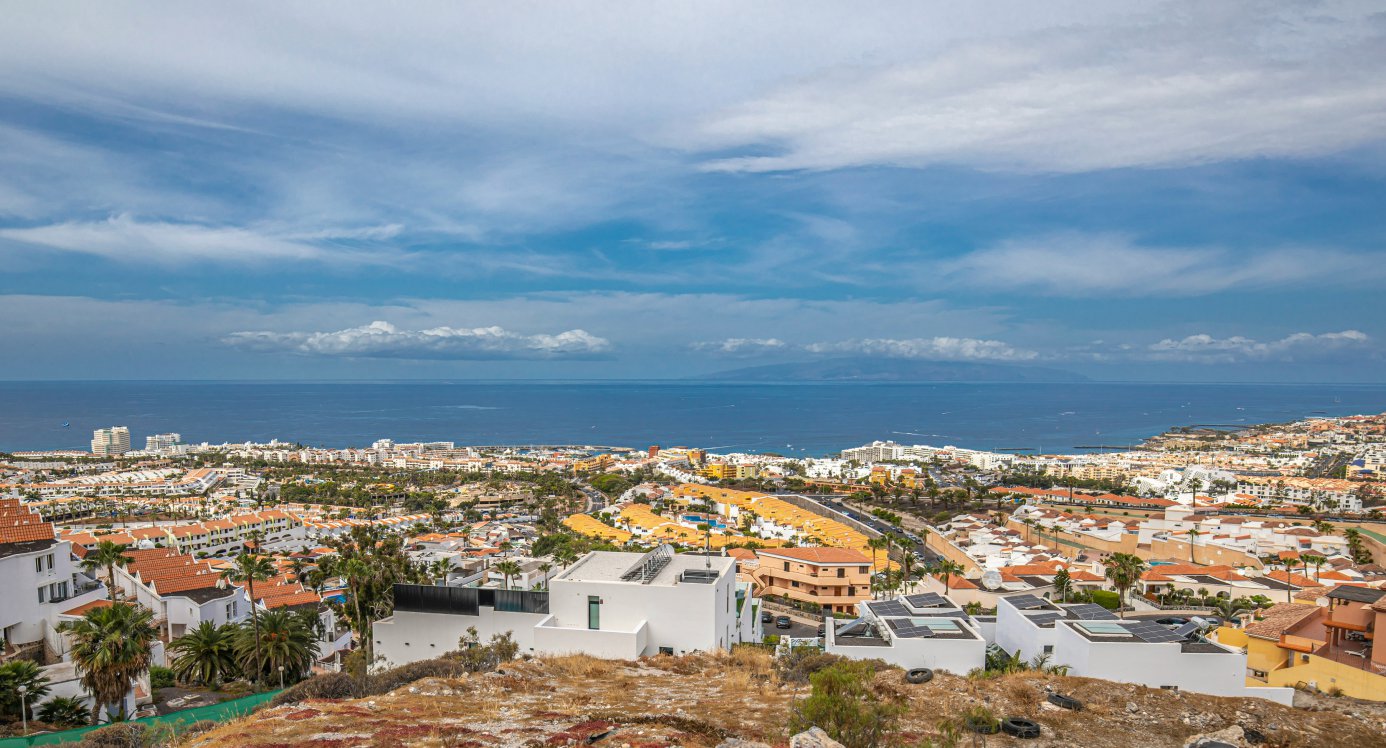
Adeje is a historic municipality in southern Tenerife that stretches from the mountains down to the coast, combining traditional Canarian life with major tourist infrastructure. The old town of Adeje lies a few kilometres inland at around 300 m above sea level and is popular with those who prefer a quieter setting close to nature. Nearby is the protected Barranco del Infierno nature reserve — one of Tenerife’s most visited natural sites and home to one of the island’s few permanent waterfalls. The coastal part of the municipality includes the upscale Costa Adeje resort area, where you’ll find major attractions such as Siam Park, widely regarded as one of Europe’s top water parks, and Aqualand. Thanks to this mix of nature, family entertainment and developed infrastructure, Adeje attracts both international residents and second-home buyers.
In 2026, one-bedroom apartments in the Adeje area typically start from about €180,000—220,000, while two- and three-bedroom flats are commonly priced from roughly €260,000 to €400,000, depending on location (inland or coastal), views and building quality.
5,500,000 €
Total area 550 m² Land area: 650 m²
388,000 €
Total area 115 m² 1 bedroom
656,000 €
Total area 124 m² 2 bedrooms
533,000 €
Total area 138 m² 2 bedrooms
765,000 €
Total area 152 m² 3 bedrooms
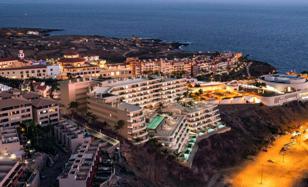 714,000 €
Total area 225 m² 3 bedrooms
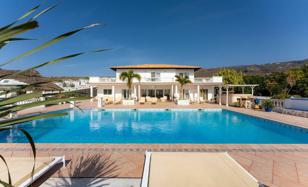 3,800,000 €
Total area 769 m² Land area: 5,000 m²
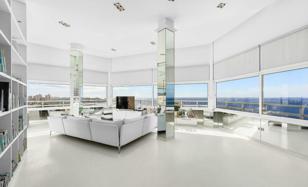 1,495,000 €
Total area 192 m² 1 bedroom
Costa Adeje
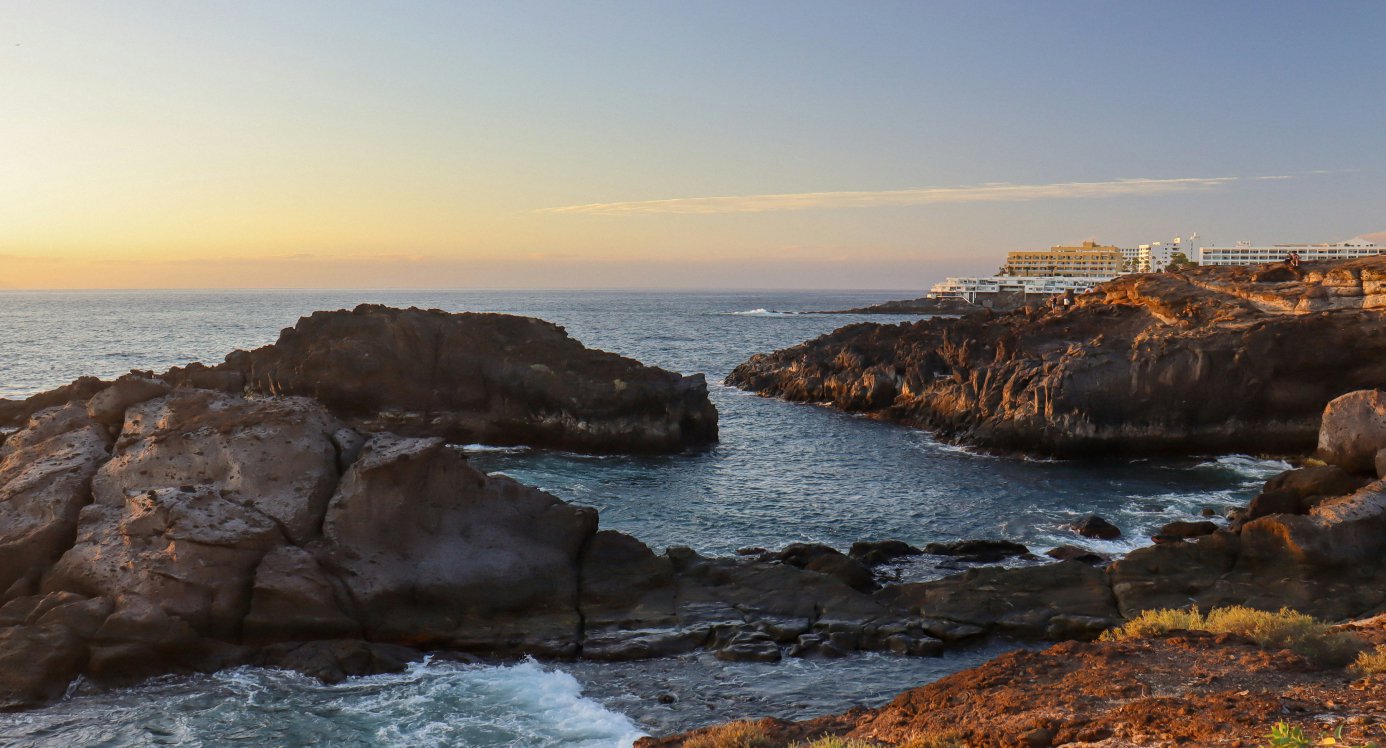
Costa Adeje is Tenerife’s most upscale and modern resort area, known for its high-end hotels, beaches and shopping. Developed mainly from the 1990s onward, it has become the island’s premium tourism hub, attracting international visitors, second-home buyers and luxury investors. The resort features designer shopping centres such as Plaza del Duque, a long seafront promenade and several of Tenerife’s best beaches, including Playa Fañabé and the sandy Playa del Duque, both regularly awarded Blue Flag status. The most prestigious residential zones stretch westwards towards La Caleta, where luxury hotels, golf access and new developments continue to raise the area’s profile.
In 2026, Costa Adeje remains the island’s most expensive market: one-bedroom apartments typically start from about €320,000—380,000, modern two-bedroom units from roughly €450,000, villas usually begin around €1—1.2 million, and prime ocean-view villas commonly range from about €1.8 million to €3 million or more depending on location, views and plot size.
5,500,000 €
Total area 550 m² Land area: 650 m²
1,495,000 €
Total area 192 m² 1 bedroom
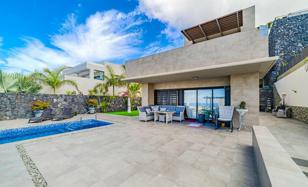 2,500,000 €
Total area 336 m² Land area: 642 m²
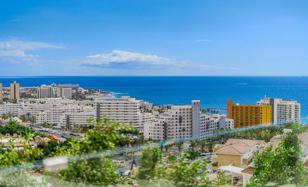 1,399,000 €
Total area 382 m² 5 bedrooms
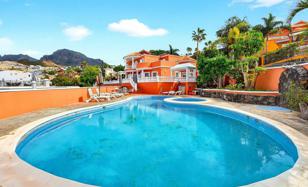 2,500,000 €
Total area 455 m² Land area: 983 m²
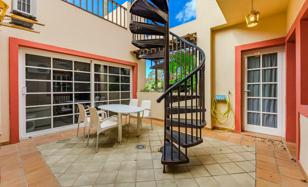 735,000 €
Total area 190 m² 2 bedrooms
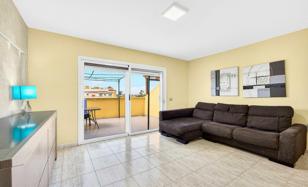 460,000 €
Total area 146 m² 4 bedrooms
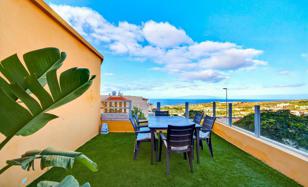 675,000 €
Total area 196 m² 2 bedrooms
Playa de las Américas
Playa de las Américas is one of Tenerife’s best-known purpose-built resorts, developed mainly in the 1970s—1980s and now forming part of the wider Costa Adeje—Arona tourist strip. Thanks to its south-facing position, the area enjoys warm, sunny weather most of the year, though the Atlantic can be lively on some beaches. The resort has several sandy beaches for swimming, while nearby spots also attract surfers. Playa de las Américas is famous for having the island’s most active nightlife, with bars, clubs and entertainment concentrated around the centre. The eastern side, along Avenida de las Américas, is often referred to as the local «Golden Mile» and features upscale hotels, shops and beachfront promenades. The area remains popular with international buyers — particularly from the UK and northern Europe — due to its infrastructure, walkability and strong holiday rental demand.
In 2026, apartments in older residential complexes typically start from about €200,000—240,000, while renovated or well-located one-bedroom units are usually €260,000, with larger or modern properties commonly exceeding €320,000 depending on condition, complex facilities and proximity to the beach.
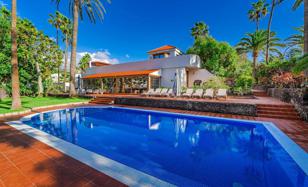 5,200,000 €
Total area 350 m² Land area: 1,500 m²
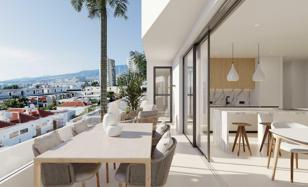 921,000 €
Total area 78 m² 2 bedrooms
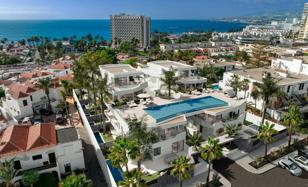 854,000 €
Total area 73 m² 2 bedrooms
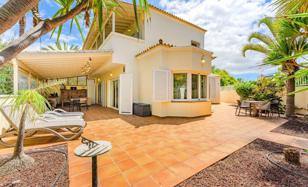 1,297,000 €
Total area 154 m² 4 bedrooms
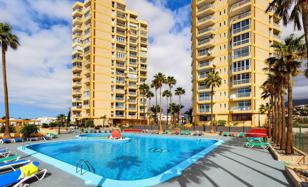 395,000 €
Total area 67 m² 2 bedrooms
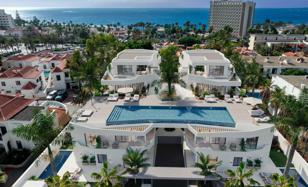 2,219,000 €
Total area 137 m² 3 bedrooms
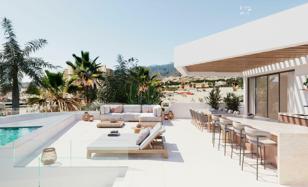 2,219,000 €
Total area 135 m² 2 bedrooms
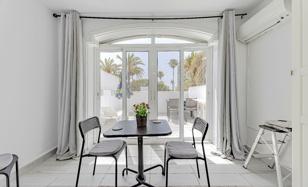 249,000 €
Total area 57 m² 1 bathroom
Los Cristianos
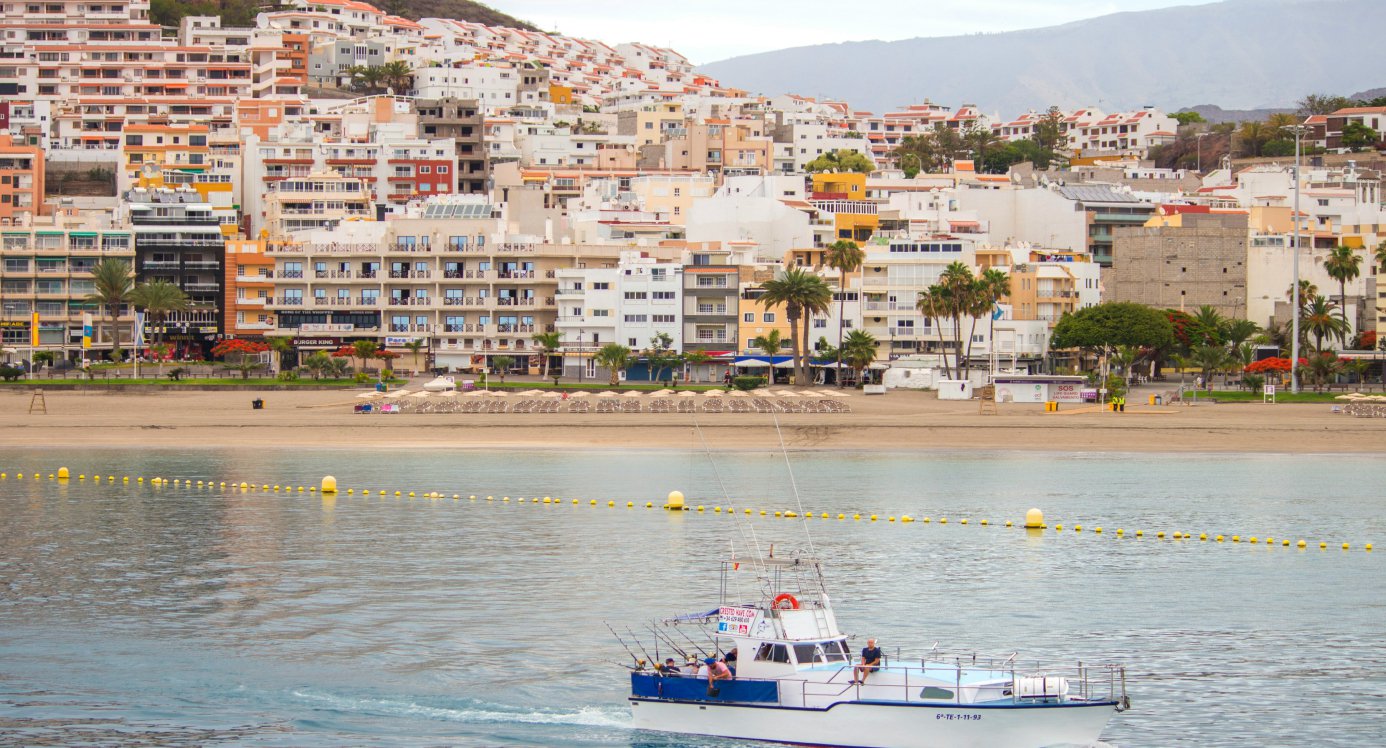
Los Cristianos is one of Tenerife’s oldest tourist resorts, combining a historic fishing-village heritage with modern resort infrastructure. The settlement dates back several centuries and remained a small fishing port until the mid-20th century, when tourism began to grow rapidly in southern Tenerife. Today Los Cristianos is popular with international residents — especially from the UK and northern Europe — but is generally calmer and more family-oriented than neighbouring Playa de las Américas. The resort has two main sandy beaches, Playa de Los Cristianos and Playa de las Vistas, both sheltered and well suited for swimming. Its harbour is one of the busiest in southern Tenerife, with ferry connections to other Canary Islands, while the town also hosts a large weekly market, cultural venues and a long seafront promenade. The western side retains traces of the old village with narrower streets and traditional squares, whereas the eastern and coastal areas are more modern, with low-rise residential complexes and hotels.
In 2026, two-bedroom apartments with terraces in Los Cristianos typically start from about €320,000—380,000, with renovated or sea-view units often €420,000, while villas generally begin around €800,000 and can reach several million euros depending on location, views and plot size.
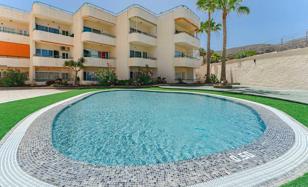 310,000 €
Total area 57 m² 1 bedroom
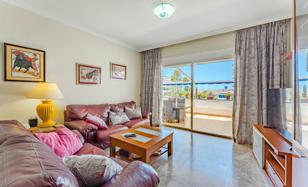 750,000 €
Total area 216 m² 4 bedrooms
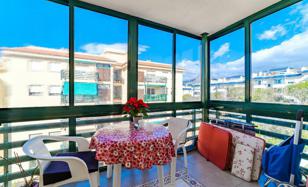 399,000 €
Total area 124 m² 3 bedrooms
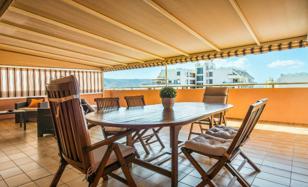 649,000 €
Total area 140 m² 2 bedrooms
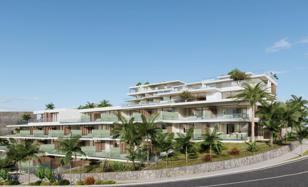 462,000 €
Total area 48 m² 1 bedroom
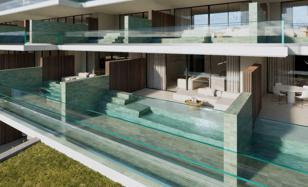 893,000 €
Total area 86 m² 2 bedrooms
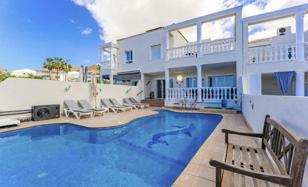 850,000 €
Total area 364 m² 4 bedrooms
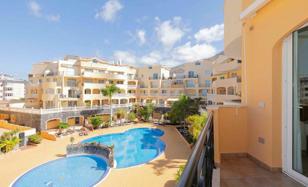 350,000 €
Total area 76 m² 1 bedroom
Palm Mar
Palm Mar is a modern residential resort near Los Cristianos, developed mainly from the early 2000s as a planned coastal community rather than a traditional Canarian town. Designed for low-density living, it has become popular with expatriates and second-home owners seeking a quiet environment close to the main resorts. Palm Mar is known for its clean, calm atmosphere, residential complexes, international restaurants and coastal walking areas next to the protected nature reserve of Malpaís de La Rasca. The local beach is small and stony, so residents often drive to the sandy beaches of Los Cristianos or Costa Adeje. Everyday amenities such as supermarkets, cafés and services are available locally, while larger shopping areas, including Las Chafiras, are a short drive away. The area continues to see selective new apartment and villa development.
In 2026, two- or three-bedroom apartments in Palm Mar typically start from about €330,000—380,000, with newer or larger units often €420,000, while villas usually begin around €750,000—850,000 and prime coastal properties can exceed €1 million depending on views and plot size.
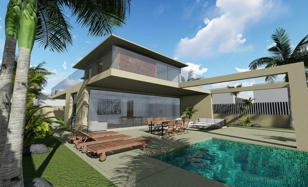 1,100,000 €
Total area 177 m² Land area: 532 m²
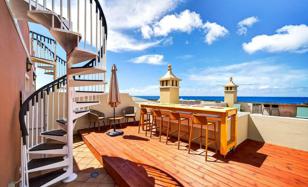 435,000 €
Total area 42 m² 1 bedroom
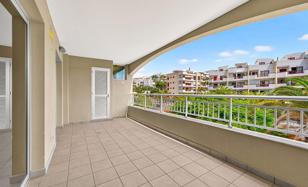 292,000 €
Total area 84 m² 1 bedroom
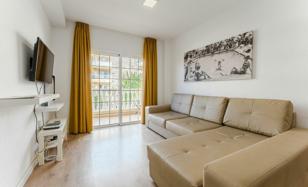 364,000 €
Total area 123 m² 2 bedrooms
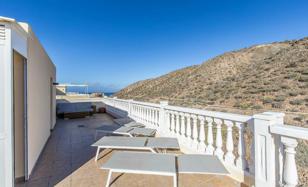 414,000 €
Total area 96 m² 3 bedrooms
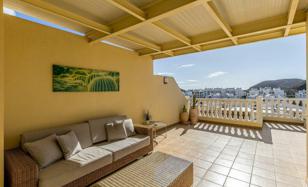 364,000 €
Total area 74 m² 2 bedrooms
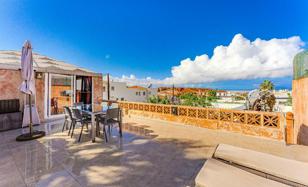 525,000 €
Total area 120 m² 2 bedrooms
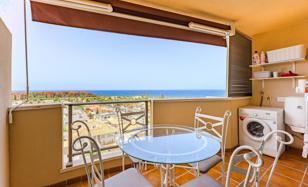 279,000 €
Total area 62 m² 1 bedroom
Golf del Sur
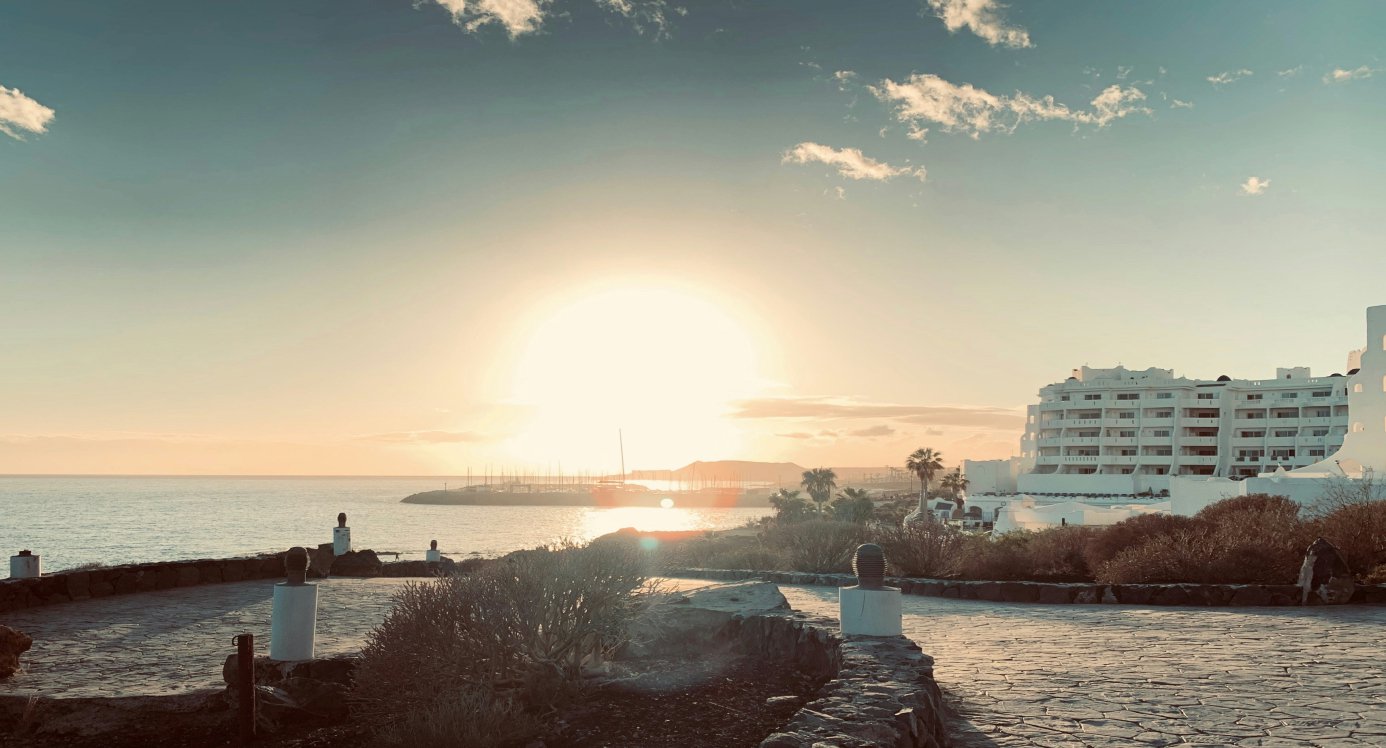
Golf del Sur is a purpose-built resort in southern Tenerife, developed from the late 1980s around one of the island’s main golf complexes. The area is centred on a 27-hole golf course and marina zone, with additional facilities for tennis, watersports and coastal walks. Despite its location in the dry south, the landscaped courses and residential areas make it one of the greener resorts nearby. Golf del Sur has long been popular with international residents — particularly buyers from the UK and Ireland — and offers a mix of holiday complexes, villas and long-stay residences. The traditional fishing village of Los Abrigos, known for its seafood restaurants and harbour promenade, is within walking distance.
In 2026, apartments in Golf del Sur typically start from about €220,000—260,000, with newer developments or larger units often €300,000, while four-bedroom ocean-view villas usually begin around €900,000 and can reach several million euros depending on location, views and plot size.
260,000 €
Total area 60 m² 1 bedroom
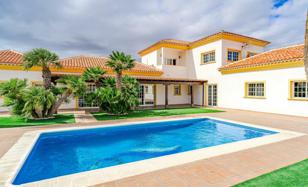 1,350,000 €
Total area 306 m² Land area: 1,024 m²
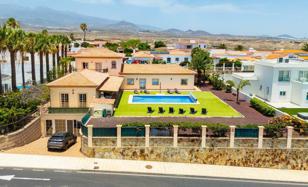 1,800,000 €
Total area 530 m² 8 bedrooms
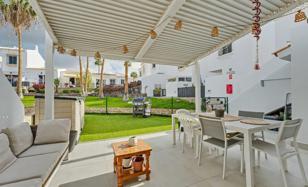 335,000 €
Total area 66 m² 2 bedrooms
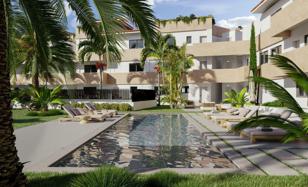 352,000 €
Total area 110 m² 2 bedrooms
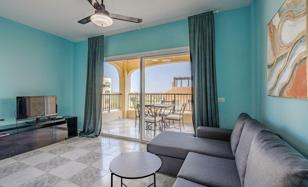 249,000 €
Total area 54 m² 1 bedroom
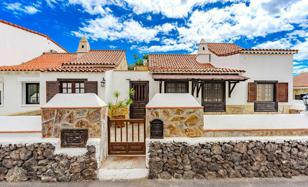 469,000 €
Total area 165 m² Land area: 254 m²
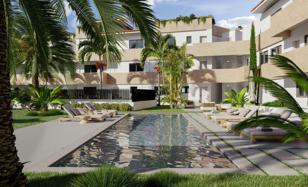 270,000 €
Total area 78 m² 1 bedroom
We will send you a content digest not more than once a week