Best Things to do in Alicante
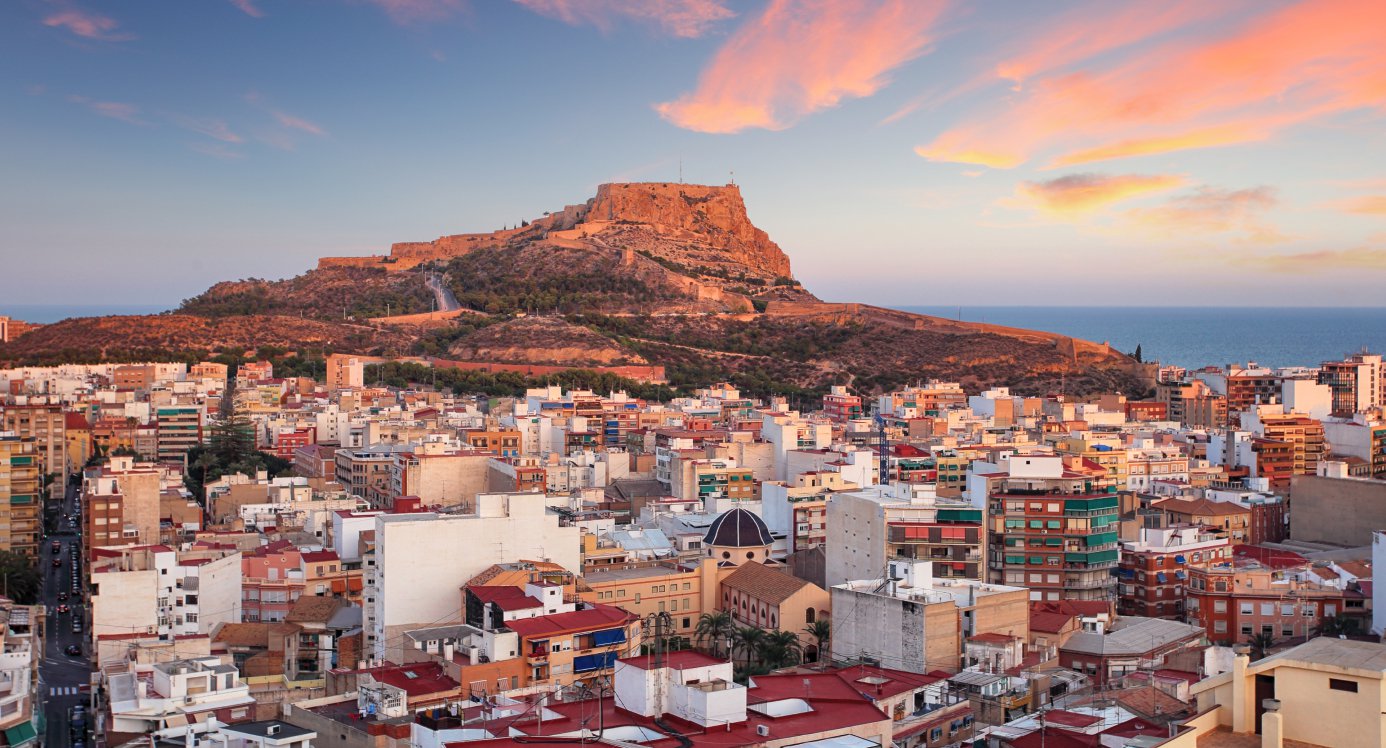
Alicante, a radiant gem nestled along Spain’s Costa Blanca, is the kind of destination that invites you to slow down and savor its many layers — think sun-soaked beaches, ancient fortresses, bustling markets, and a historic old town dripping with charm. With its Mediterranean climate, vibrant culture, and a perfect balance of relaxation and exploration, there’s no shortage of incredible things to do.
What is Worth Visiting in Alicante?
In this article, we have prepared a selection of the most significant sights of the city.
Santa Bárbara Castle
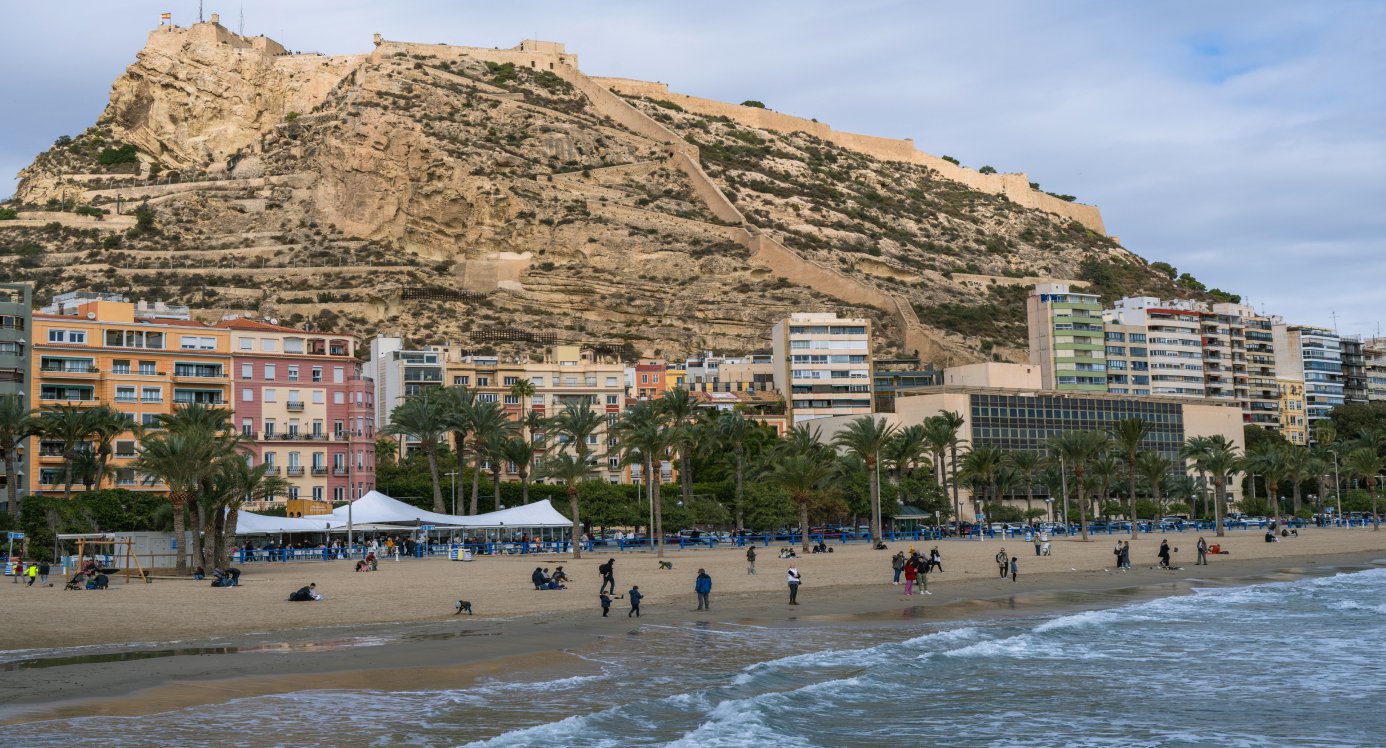
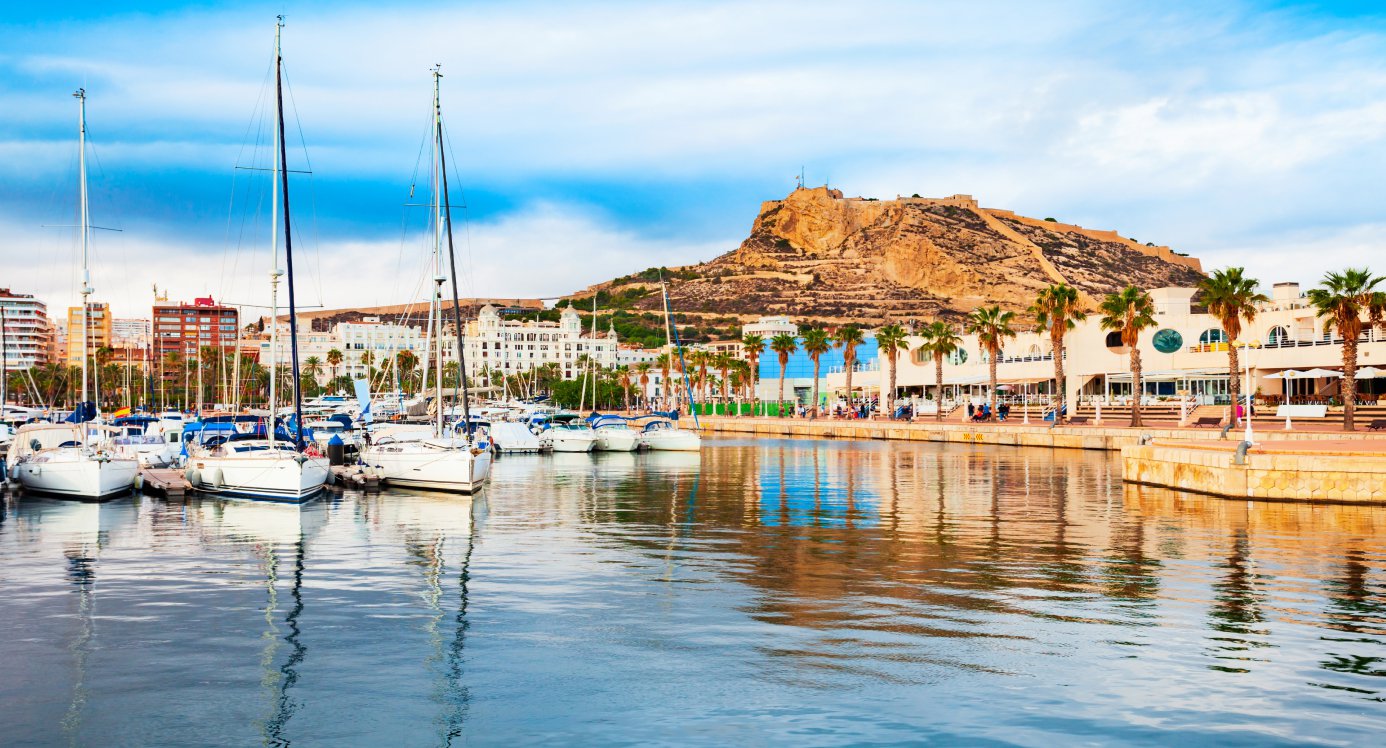
The majestic Santa Bárbara Castle, an enduring sentinel of Alicante’s rich history, stands proudly atop Mount Benacantil, commanding breathtaking views over the city and sea. This isn’t just a fortress — it’s a living monument, echoing centuries of history from its Moorish foundations in the 9th century to its capture by Christian forces in 1248. Perched high above the city, it was strategically vital, witnessing battles, sieges, and royal intrigue. Its name, dedicated to Saint Barbara, marks the day of its conquest, forever tying it to the rich tapestry of Alicante’s past.
Walking its grounds feels like stepping into a history book: the weathered stone walls, cannon emplacements, and vaulted chambers whisper tales of battles and sieges. At the top, you’re treated to a breathtaking panoramic view: the city’s red-tiled roofs sprawling below, the deep blue Mediterranean stretching to the horizon, and the faint outline of distant mountains on a clear day. Sunset’s a magical time to visit, as the sky turns shades of orange and pink, casting a golden glow over the fortress.
Explanada de España
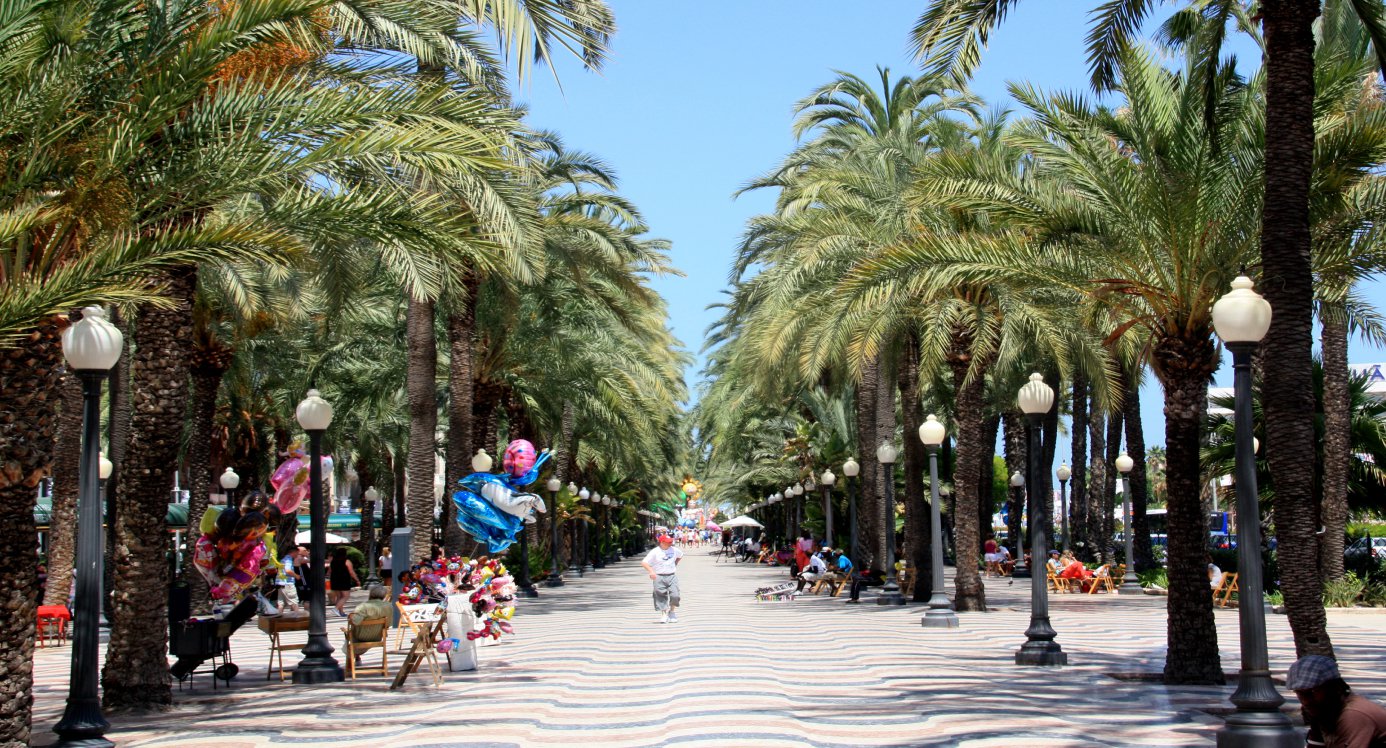
Alicante’s postcard-perfect promenade that runs parallel to the waterfront. This isn’t just a walkway — it’s a masterpiece of design, paved with an undulating mosaic of over six million small tiles in red, black, and white, mimicking the waves just beyond the railing. Flanked by rows of swaying palm trees, it stretches nearly half a kilometre along the port, connecting the old town to the beachfront.
By day, it’s a lively artery where locals jog, tourists snap photos, and kids chase pigeons; by night, it transforms into a social hub with street performers strumming flamenco tunes, artisans selling leather goods or jewelry, and the hum of conversation spilling from outdoor cafés.
The Explanada’s charm lies in its simplicity — it’s the kind of place where you can spend an hour or an afternoon without even realizing it.
Local Flavors at Mercado Central
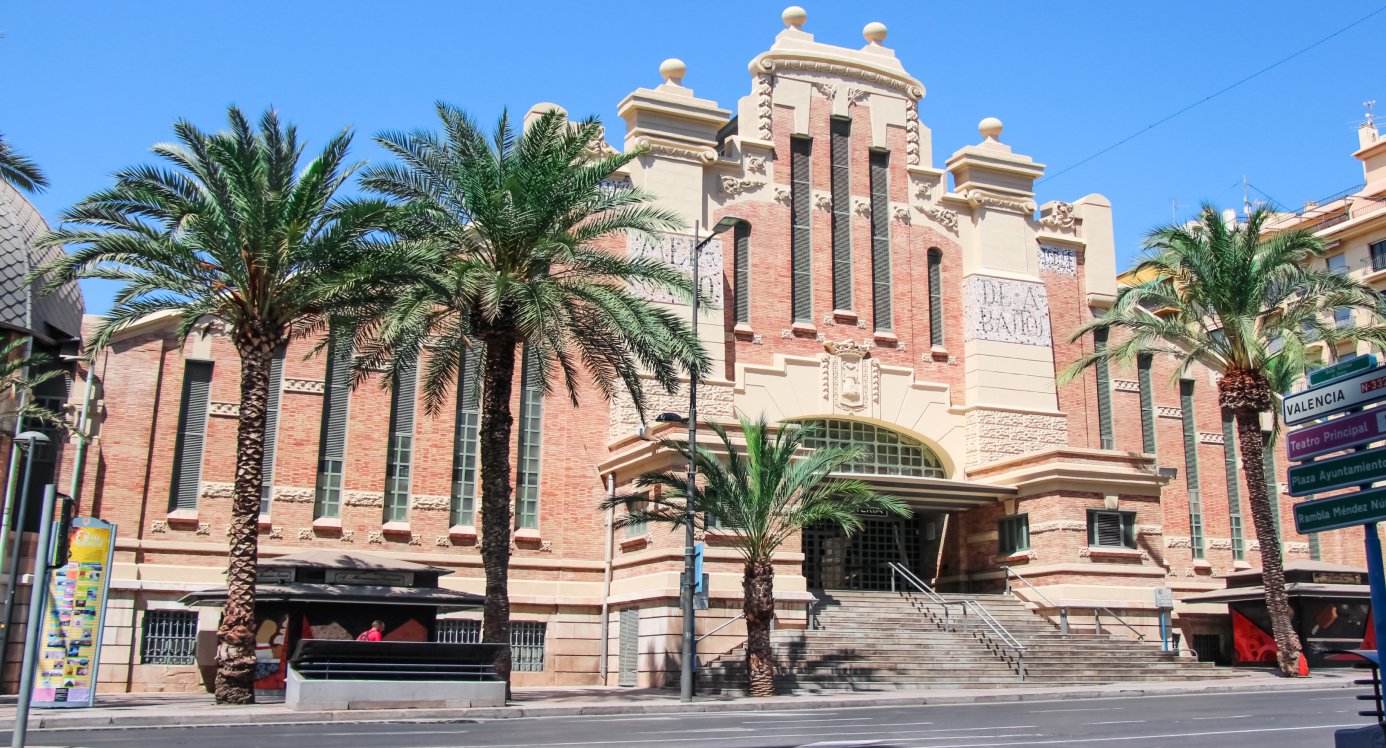
For a taste of Alicante’s daily life, the Central Market (Mercado Central) is a sensory overload in the best way. This grand, domed building, built in 1921, is a hive of activity, especially on Saturday mornings when locals swarm in for the week’s groceries. The ground floor is a sea of colors and smells: stalls overflowing with ruby-red pomegranates, golden oranges, and glistening olives, alongside regional specialties like mojama (salt-cured tuna) and jars of miel de azahar (orange blossom honey).
Upstairs, the fish and meat sections steal the show — think piles of sardines, octopus tentacles curling over ice, and crimson slabs of jamón ibérico being sliced paper-thin. Alicante’s almond heritage shines here, too, with vendors offering peladillas (sugar-coated almonds) and chunks of turrón duro or blando (hard or soft nougat).
Postiguet Beach
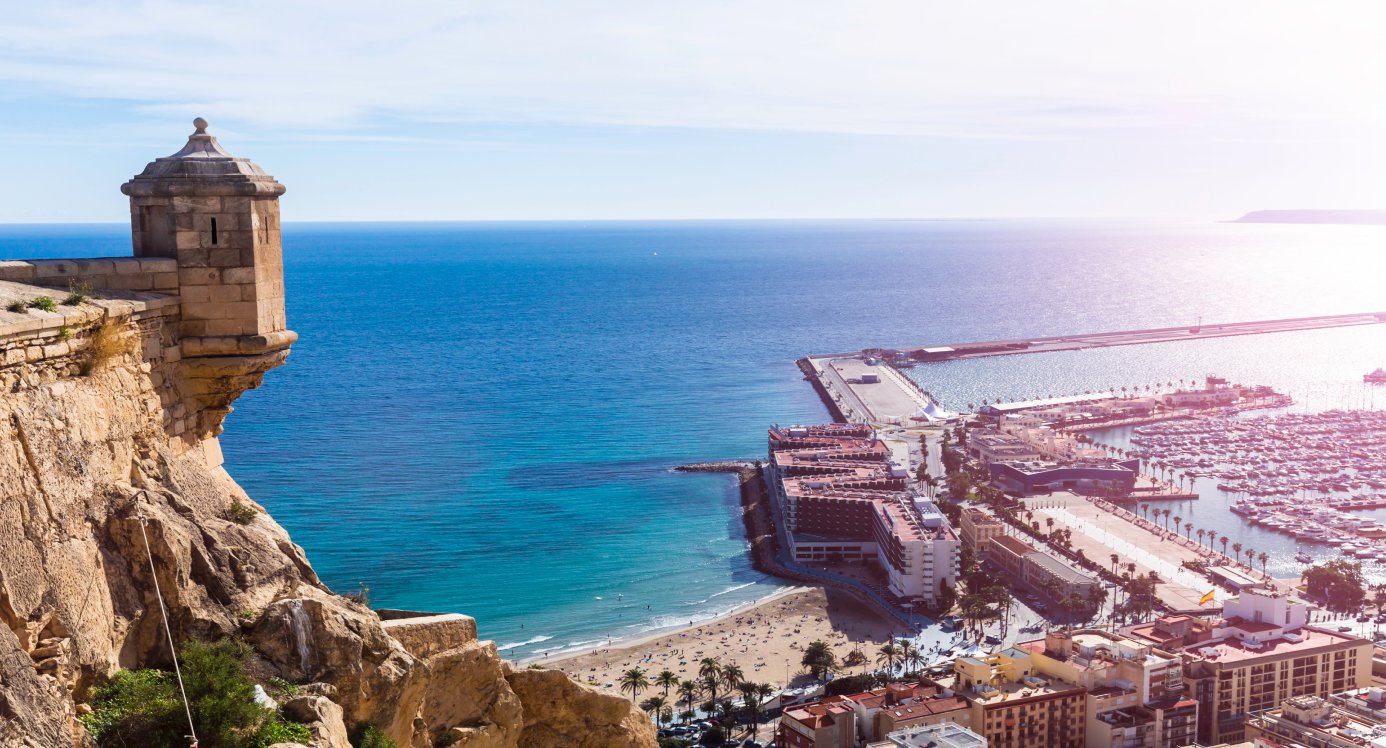
Beach lovers have plenty to choose from, but Playa del Postiguet is the star for its sheer accessibility. Tucked right at the foot of Mount Benacantil, this urban beach boasts soft, golden sand and calm, shallow waters sheltered by the bay. It’s a stone’s throw from the Explanada, so you can go from sipping a drink to spreading a towel in minutes.
It’s got a Blue Flag for cleanliness, and the vibe is laid-back — think joggers, dog walkers, and the occasional kite surfer slicing through the waves. Rent a paddleboard or kayak if you’re feeling active, or just kick back with a picnic and let the sea breeze wash over you. The promenade behind it is lined with low-key restaurants where you can grab paella alicantina (made with rabbit and snails, a local twist) or fresh grilled fish.
Alicante Old Town (El Barrio de Santa Cruz)
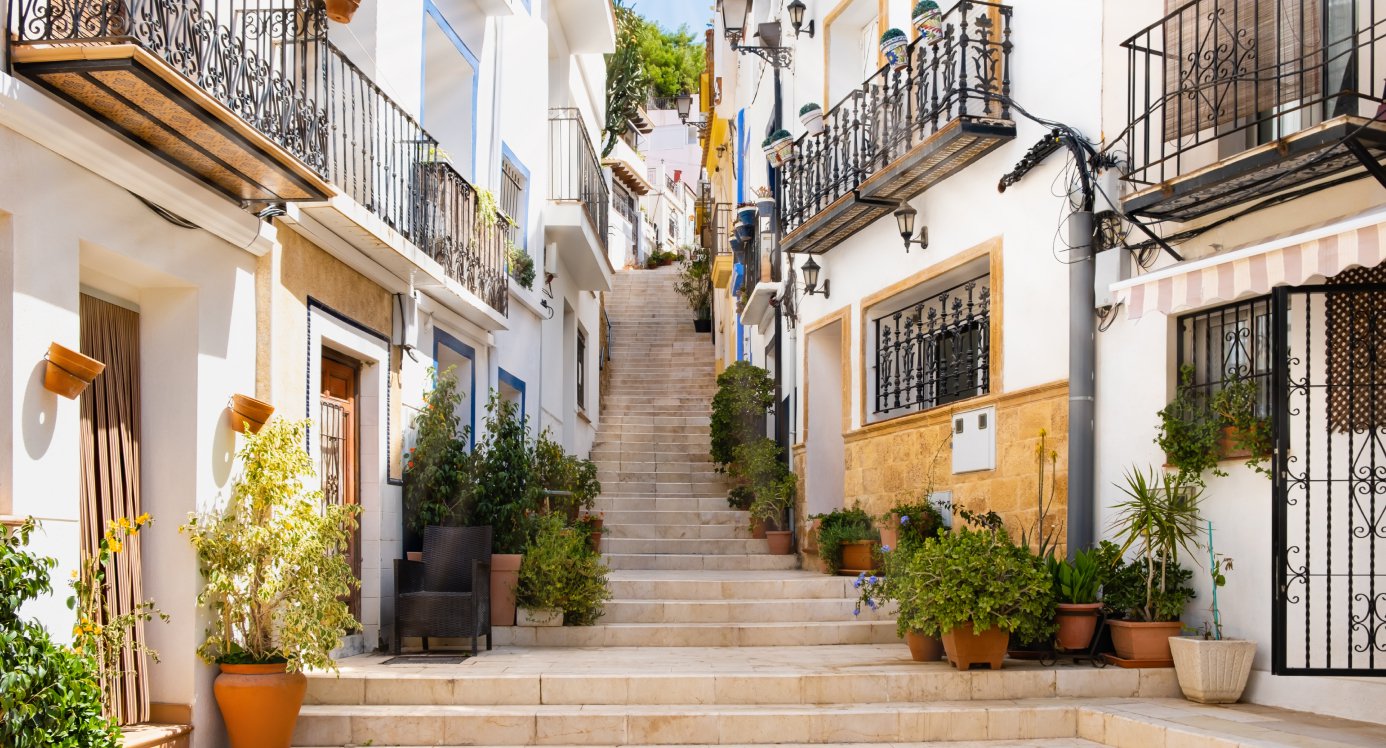
The Old Town, or Barrio Santa Cruz, a maze of narrow streets climbing the slopes beneath the castle. This is where the city’s soul lives: pastel-colored houses with wrought-iron balconies, laundry flapping in the breeze, and bursts of bougainvillea spilling over whitewashed walls. The streets — some barely wide enough for two people to pass — are alive with character, from faded tiles marking old addresses to the occasional shrine tucked into a corner. It’s easy to get lost, but that’s the point — every turn reveals a quiet plaza, a hidden bar, or a glimpse of the sea.
Settle into a spot like Cervecería Sento or La Taberna del Gourmet and order a spread: calamares a la romana (fried squid rings), boquerones en vinagre (marinated anchovies), patatas bravas with a spicy kick, and a slice of torta de Alicante (a dense almond cake) to finish. Wash it down with a tinto de verano (red wine mixed with lemon soda) or a glass of Fondillón, a rare, sweet dessert wine unique to the region.
Basilica of Santa María
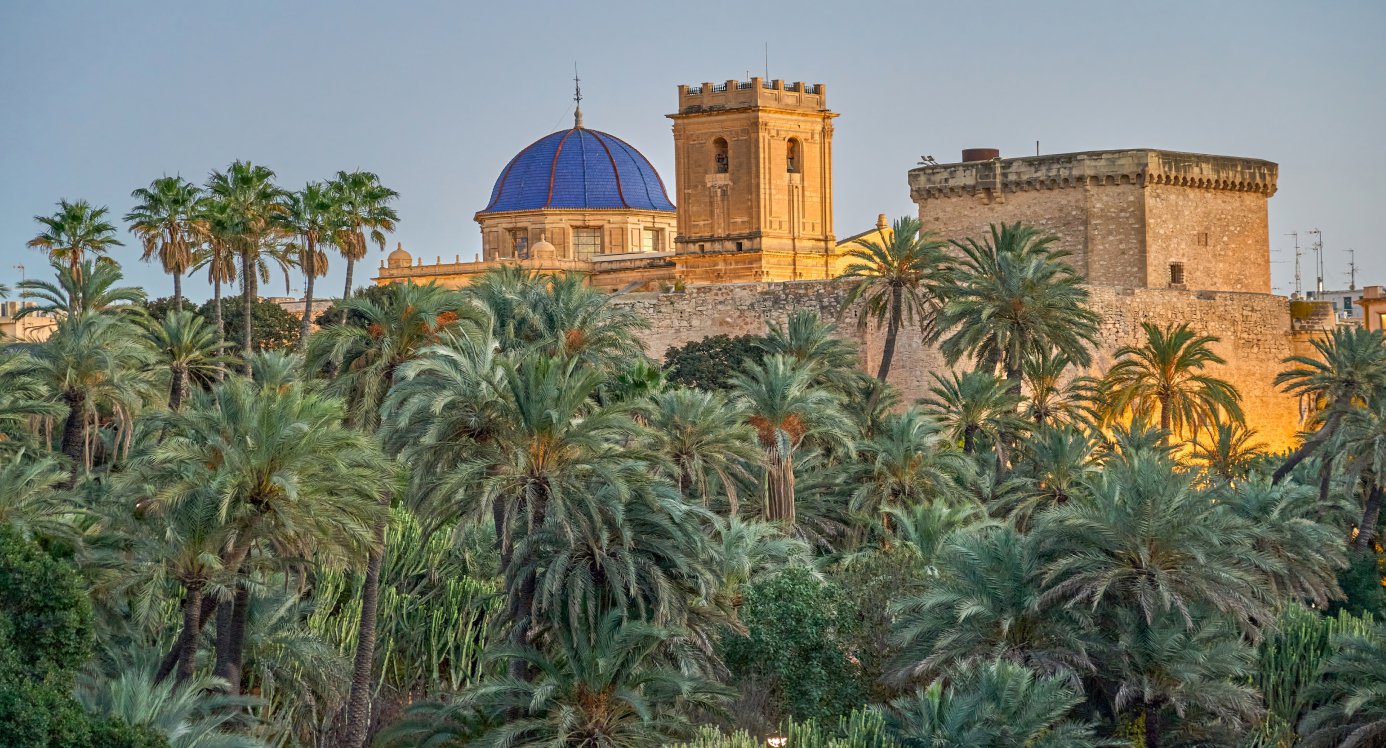
Nestled in the heart of Elche, about 20 kilometres southwest of Alicante, the Basilica of Santa María is a stunning example of Baroque architecture and a cultural cornerstone of the region. Built between the 17th and 18th centuries, its construction began in 1673 under architect Francisco Verde, though it evolved over time with contributions from various architects. The church’s striking blue-domed towers dominate the skyline, making it a focal point of Elche’s historic quarter.
The basilica holds deep significance as the venue for the Misteri d’Elx, a medieval liturgical drama reenacting the Virgin Mary’s Assumption. Performed annually on August 14 and 15, this UNESCO-recognized Masterpiece of Oral and Intangible Heritage draws crowds for its haunting melodies and theatrical spectacle. The interior is equally impressive, with ornate altars and a towering presence that reflects its role as Elche’s principal church, dedicated to its patron saint, the Virgin Mary.
Climbing the bell tower rewards visitors with panoramic views of Elche, including the nearby palm groves. Its location near the city’s other treasures — like the Altamira Palace and Archaeological Museum — makes it a must-visit destination for anyone exploring Elche’s rich heritage.
El Palmeral Park
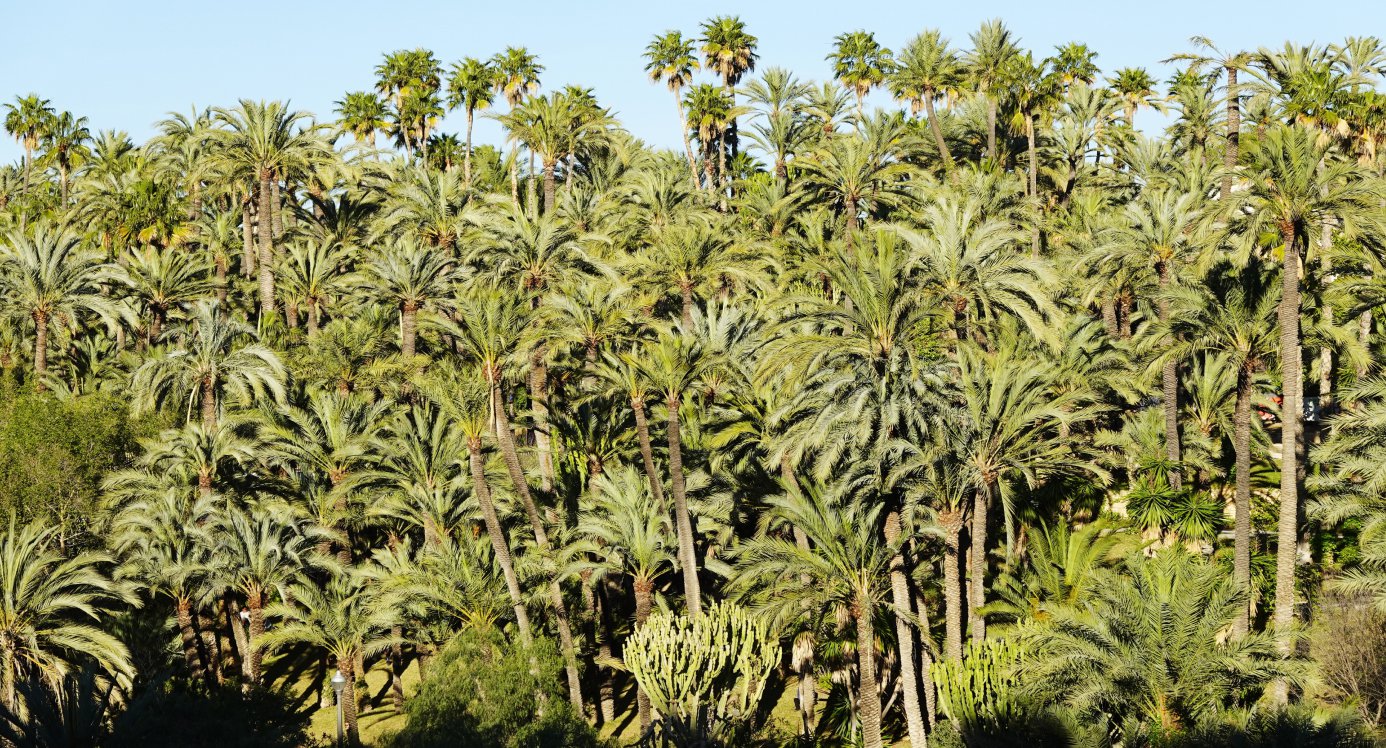
Also in Elche, El Palmeral Park (or Parc Municipal) is a lush oasis within the larger Palmeral de Elche, Europe’s largest palm grove and a UNESCO World Heritage Site. This sprawling network of over 200,000 palm trees traces its origins to the Muslim settlers who founded Elche over a thousand years ago, creating an intricate irrigation system that still sustains the groves today. While the broader Palmeral encompasses various orchards and gardens, the municipal park is its most accessible and visitor-friendly segment. Walking through El Palmeral Park feels like stepping into a different world.
Tabarca Island
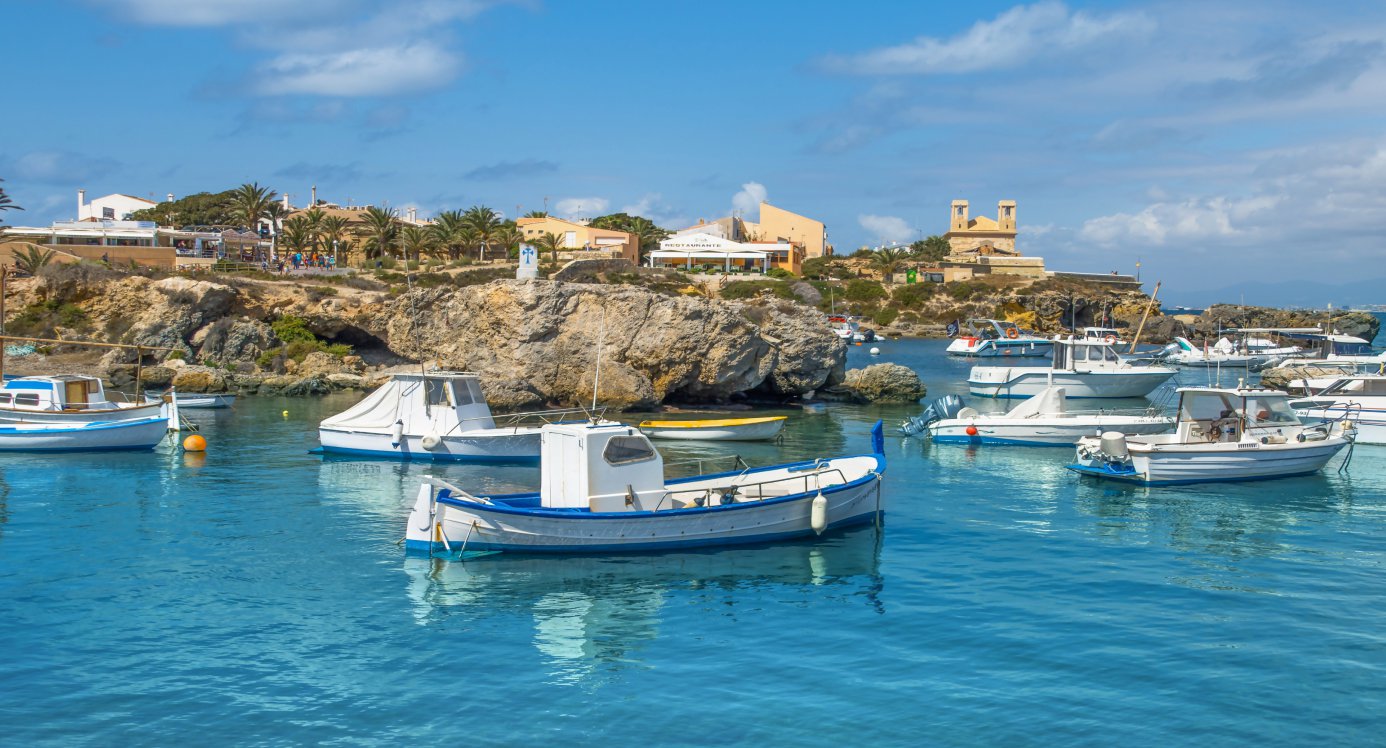
Tabarca Island, officially known as Nueva Tabarca, is a small Mediterranean gem located about 22 kilometres off the coast of Alicante. The island’s appeal lies in its pristine natural beauty and laid-back vibe. It’s a protected marine reserve — the first in Spain, established in 1986 — boasting crystal-clear waters teeming with marine life like groupers, octopuses, and sea bass, making it a snorkeler’s paradise. The central beach, Playa de la Illa, offers sandy shores and amenities, while quieter coves dot the rocky coastline. Beyond the water, the quaint fishing village features whitewashed houses, a baroque church (St. Peter and St. Paul’s), and a small museum detailing its history. The uninhabited eastern end hosts a lighthouse and the eerie Torre de San José, adding a touch of mystery. Don’t leave without trying the local caldero, a hearty fish stew that’s a culinary highlight.
Charming Town of Guadalest
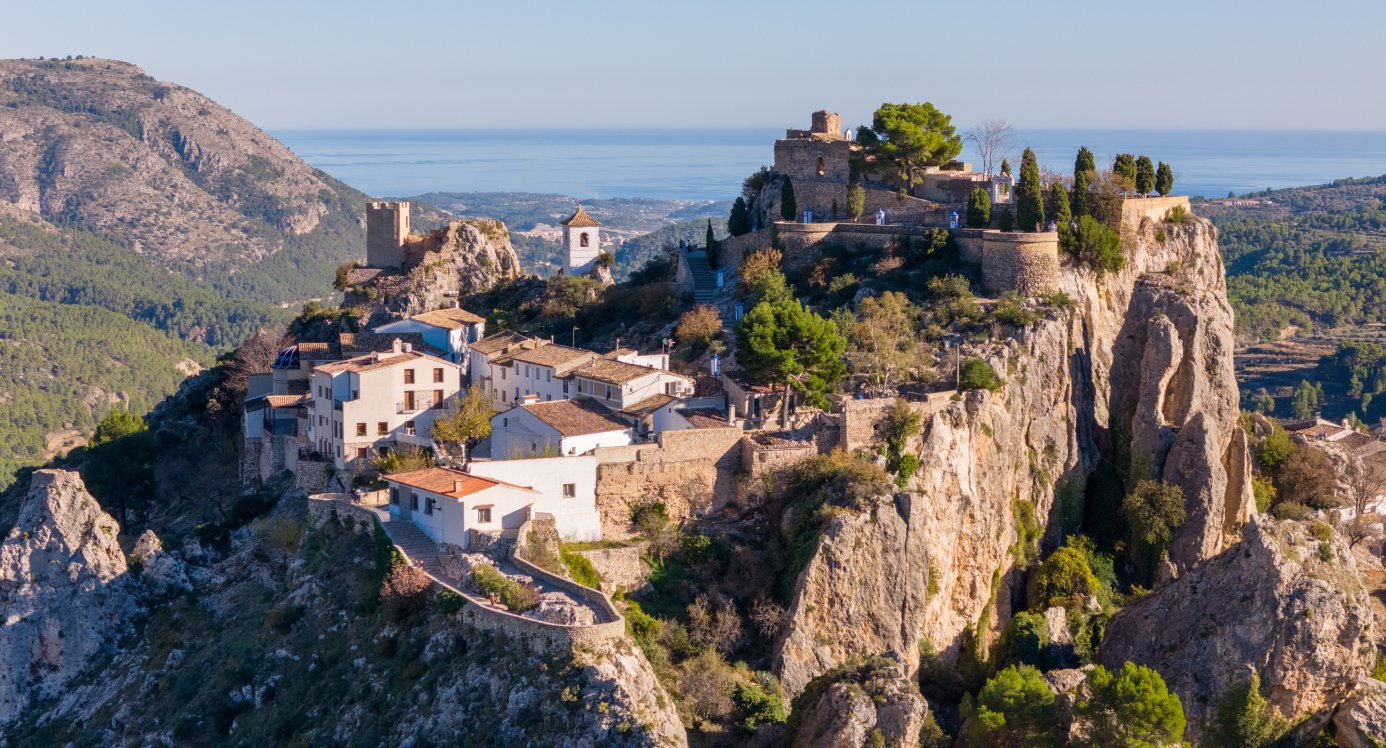
Tucked into the rugged mountains of Alicante’s interior, about 60 kilometres northeast of the city, lies the picturesque village of Guadalest, often hailed as one of Spain’s most beautiful towns. Perched atop a rocky outcrop overlooking a turquoise reservoir, Guadalest blends natural splendor with historical intrigue. With a population of just over 200, its small size belies its outsized charm and cultural significance.
Guadalest’s history stretches back to the 11th century, when it was a strategic Muslim stronghold. After its conquest by Christian forces in the 13th century, it became a feudal domain, leaving behind a legacy of medieval architecture. The star attraction is El Castell de Guadalest, a castle accessible through the Casa Orduña museum, a preserved 18th-century noble home. The castle’s bell tower, clinging improbably to a cliff, offers breathtaking views of the valley and reservoir below. The town’s narrow, cobblestone streets are lined with quirky museums — like the Museum of Miniatures and the Salt and Pepper Shaker Museum — alongside artisan shops selling local crafts.
The surrounding Guadalest Valley is a draw in itself, with hiking trails and the nearby Fonts de l’Algar waterfalls offering outdoor adventure. The reservoir, framed by pine-covered mountains, is a stunning backdrop for photos or a leisurely meal at a terrace restaurant. Guadalest’s blend of history, eccentricity, and natural beauty makes it an unforgettable day trip from Alicante, reachable by car or organised tour in about an hour.
Best Things to Do in Alicante with Kids
Alicante is a fantastic destination for families, offering a variety of activities that entertain, educate, and inspire kids of all ages. Whether your children enjoy adventure, wildlife, history, or water fun, Alicante has something to keep them engaged and excited.
Aqualandia Water Park
Nestled in the sun-drenched hills of Benidorm, Alicante Province, Aqualandia Water Park emerges like a liquid oasis carved from the Costa Blanca’s rugged embrace. Since its gates swung open in 1985, this sprawling aquatic playground has reigned as Spain’s pioneering water park, a shimmering testament to thrill and respite under the Mediterranean sun. Spanning over 150,000 square metres, it’s a labyrinth of saltwater-soaked wonders — drawn from deep wells, purified, and woven into every splash — where gravity-defying slides and tranquil pools collide in harmony.
Chocolate Museum in Villajoyosa
The Valor Chocolate Museum in Villajoyosa is a deliciously educational experience, where kids can learn about the chocolate-making process. Inside, visitors wander through exhibits that trace chocolate’s evolution, from its ancient Mesoamerican roots to its arrival in Spain via explorers, and finally to Villajoyosa’s own industrial boom. Antique machinery, vintage packaging, and a short film bring the story to life, while intricate chocolate sculptures — think miniature castles and delicate figurines — showcase the artistry behind the craft. The tour ends with a tasting of Valor’s signature treats, from velvety bars to rich hot chocolate, and a stop at the on-site shop tempts you to take home a piece of this edible history. Free to enter with a reservation, it’s a delightful detour for anyone craving a blend of culture and indulgence amidst Villajoyosa’s rainbow-hued streets.
Rio Safari Elche
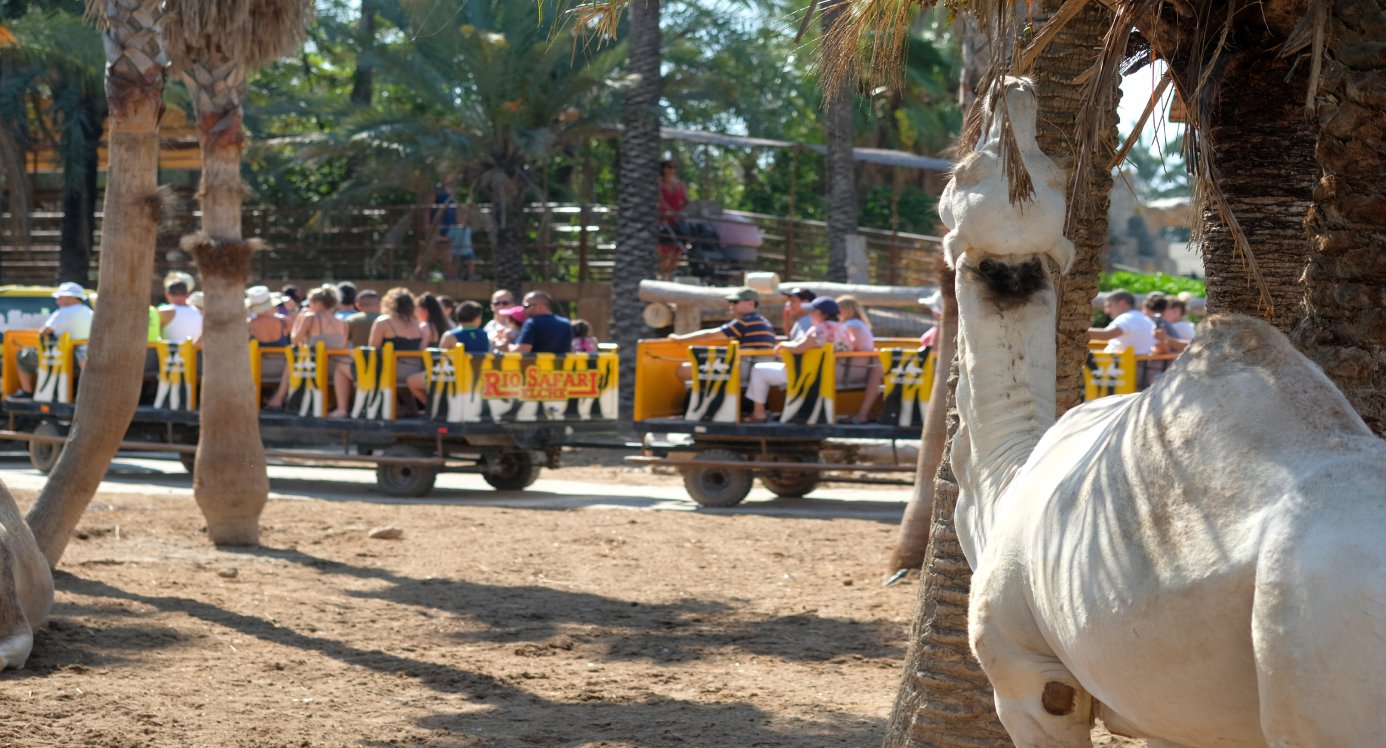
Just a 20-minute drive southwest of Alicante, Rio Safari Elche unfolds as a surprising oasis amid the region’s palm-studded plains. This family-friendly wildlife park, set within a grove of 4,000 palm trees, invites visitors into a world where giraffes stretch toward the sky, tigers prowl in shaded enclosures, and sea lions perform acrobatic leaps in daily shows. Established in 1983, the park balances entertainment with education, offering close-up encounters that spark curiosity about the natural world — imagine feeding sessions with lemurs or a chance to swim alongside sea lions (with prior booking).
A leisurely train ride chugs through the park, revealing its diverse inhabitants — chimpanzees swinging on their private island, crocodiles basking by the water’s edge, and zebras grazing in open fields. In summer, the Splash Park adds a refreshing twist with slides and water zones, perfect for cooling off after a day of exploration. With picnic spots, a go-kart track, and a restaurant serving hearty fare, Rio Safari Elche feels like a mini-adventure rolled into one. It’s a place where the rustle of leaves and the calls of exotic animals create a tranquil yet lively escape, all framed by Elche’s iconic palm heritage.
Terra Mítica Theme Park
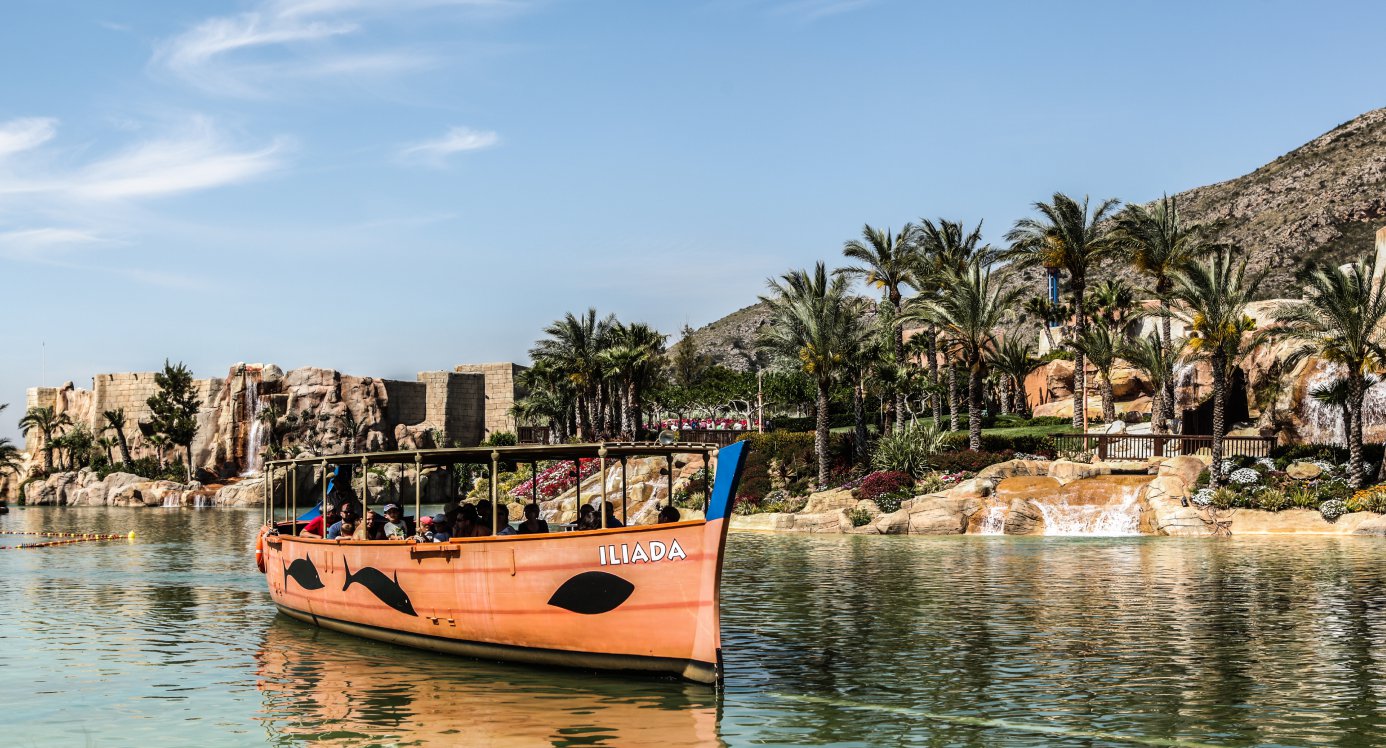
Rising from the foothills of Benidorm, Terra Mítica Theme Park is a time-traveling odyssey through the ancient Mediterranean, blending high-octane thrills with historical flair. Opened in 2000, this sprawling attraction is carved into five themed realms: Egypt, Greece, Rome, Iberia, and the Islands — each immersing visitors in a vividly reimagined past. In Egypt, the Fury of Triton sends riders plummeting down a water-soaked drop, while Greece’s Synkope, a pendulum ride, swings daredevils at dizzying angles. Rome’s Inferno, a roller coaster with spinning carriages, delivers a gladiator-worthy rush, and Iberia’s smaller rides cater to younger adventurers.
Beyond the adrenaline, Terra Mítica dazzles with live spectacles — think chariot races, acrobatic battles, and dance performances that breathe life into its ancient settings. Shaded pathways lined with faux ruins and bubbling fountains offer a respite, while eateries serve up everything from quick snacks to themed feasts. Open from spring to late fall, with extended hours in peak summer, it’s a full-day affair best savored with a map and a sense of wonder. Roughly 50 kilometres from Alicante, Terra Mítica fuses the excitement of a modern theme park with the allure of a bygone era, making it a standout for families and thrill-seekers alike.
Exploring the National and Natural Parks Around Alicante
Alicante is also home to some of the most breathtaking natural reserves in Spain. The region boasts a diverse landscape, from towering limestone peaks and lush forests to cascading waterfalls and striking salt lagoons. Whether you’re an adventure enthusiast, a nature lover, or simply looking for a peaceful escape from the city, Alicante’s natural parks offer hiking trails, rich biodiversity, and incredible scenic views.
Peñón de Ifach Natural Park (Parque Natural del Peñón de Ifach)
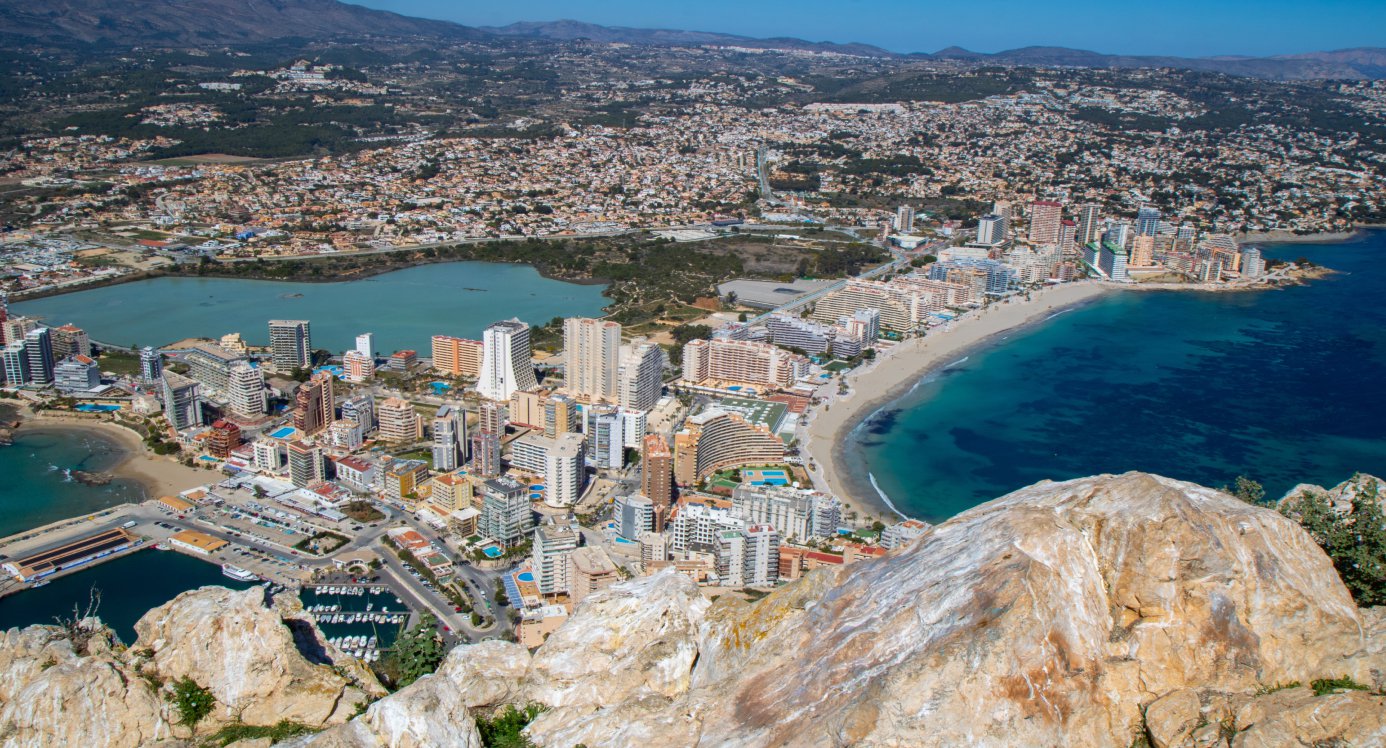
The Peñón de Ifach is one of the most iconic landmarks of the Costa Blanca. This massive limestone rock formation, standing 332 metres tall, rises dramatically from the Mediterranean Sea, resembling a smaller version of Gibraltar. The rock is connected to the mainland by a narrow isthmus, creating a stunning natural contrast between sea and sky.
Hikers can take the challenging yet rewarding trail that leads to the summit, offering breathtaking panoramic views of the coastline. The ascent takes about 1.5–2 hours, and along the way, you’ll find Mediterranean flora and unique geological formations.
Las Fuentes del Algar (The Algar Waterfalls)
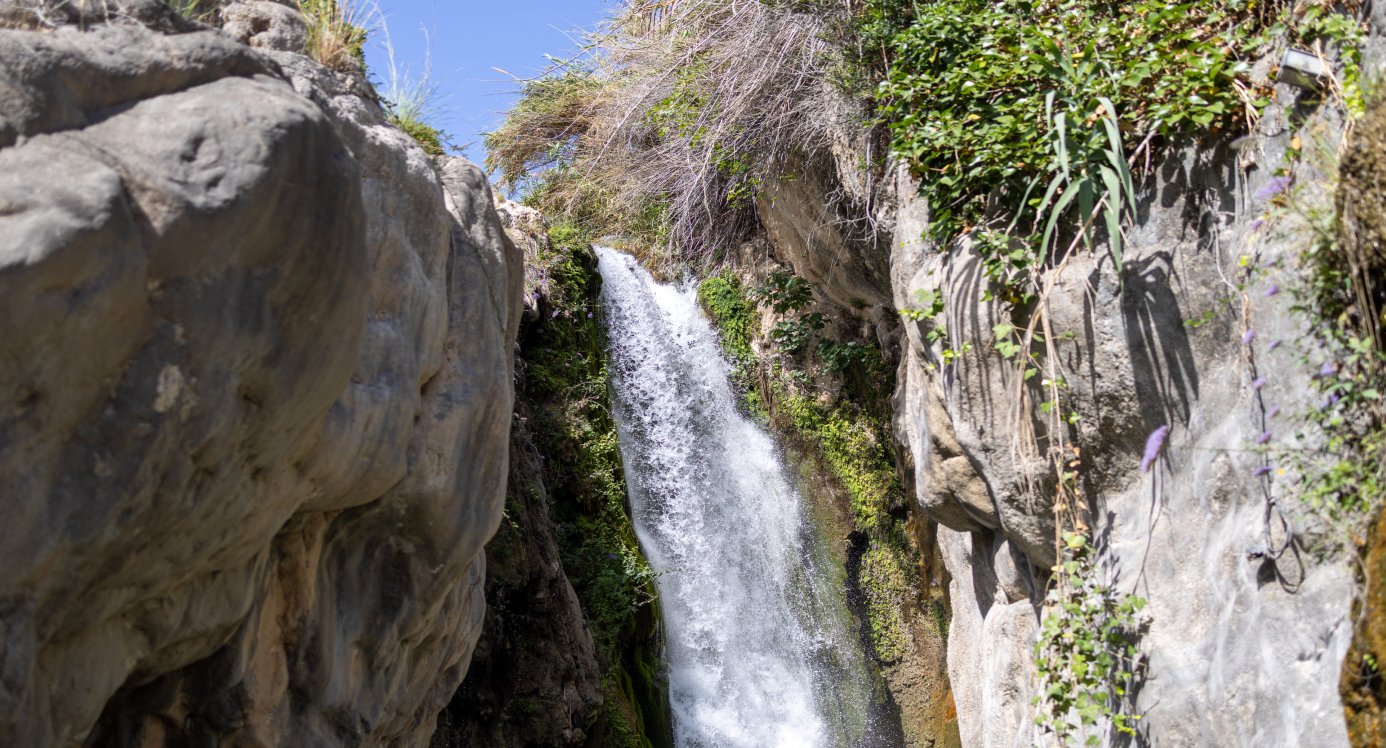
If you’re looking for a natural escape with crystal-clear waters, Las Fuentes del Algar is the perfect spot. This natural park and waterfall system is a protected wetland area famous for its freshwater pools, natural cascades, and lush vegetation.
Visitors can take a relaxing swim in the cool turquoise waters, explore hidden caves, and follow walking trails along the river. The area is well-preserved, with wooden walkways and designated spots for picnicking. It’s an excellent place to cool off during the hot summer months, and the pristine environment makes it a top choice for eco-tourists.
Montgó Natural Park (Parque Natural del Montgó)
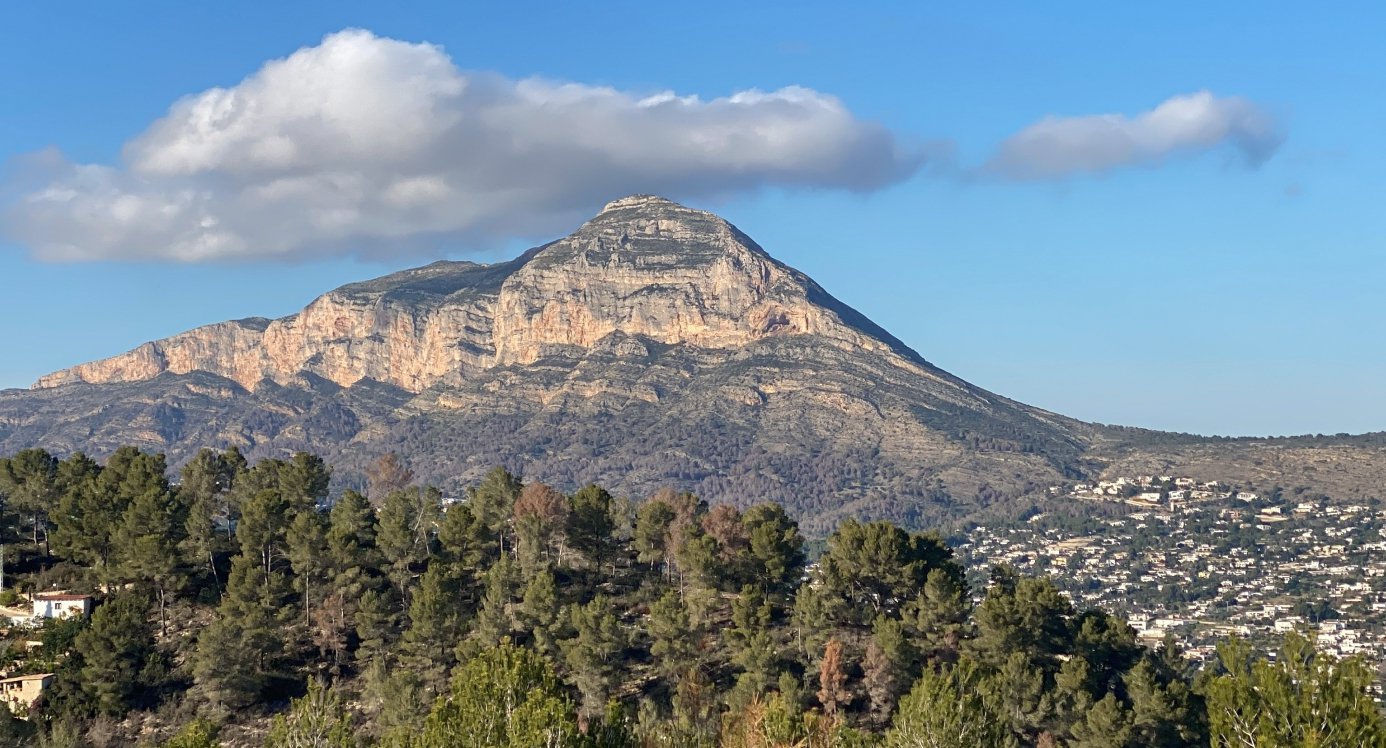
Montgó Natural Park is one of the most diverse ecological reserves in the Alicante region. The park covers over 2,100 hectares and is centered around Montgó Mountain, a massive 753-metre-high limestone peak that dominates the coastline.
This park is a paradise for hikers, with several scenic trails leading through limestone caves, rocky gorges, and Mediterranean forests. One of the most popular routes is the summit trail, which offers spectacular views of the Mediterranean, Dénia, and Ibiza on clear days.
Montgó is also a habitat for diverse wildlife, including golden eagles, owls, foxes, and wild boars. The park’s Mediterranean flora includes over 650 species of plants, such as thyme, rosemary, and lavender, filling the air with aromatic scents.
Font Roja Natural Park (Parque Natural de la Font Roja)
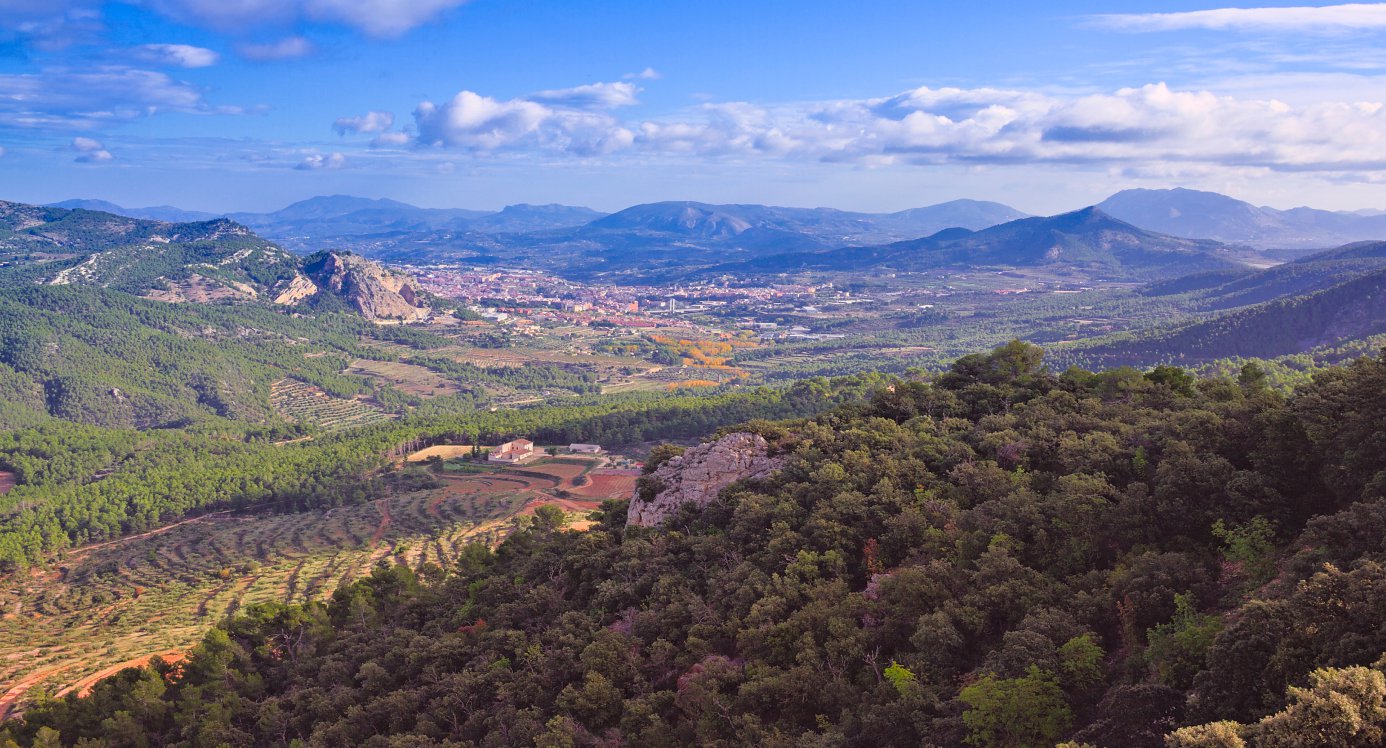
Font Roja Natural Park is one of the best-preserved Mediterranean forests in Spain. It is a protected natural area where visitors can experience dense oak and pine forests, rugged cliffs, and scenic viewpoints.
The park is a paradise for wildlife enthusiasts, as it is home to wild boars, foxes, owls, and even Iberian lynxes. The well-marked hiking trails lead to various scenic spots, including miradores (viewpoints) that offer breathtaking panoramic views of the valley.
During autumn, the park transforms into a spectacular display of colors, making it one of the best spots for nature photography.
Mata-Torrevieja Lagoons Natural Park (Parque Natural de las Lagunas de La Mata y Torrevieja)
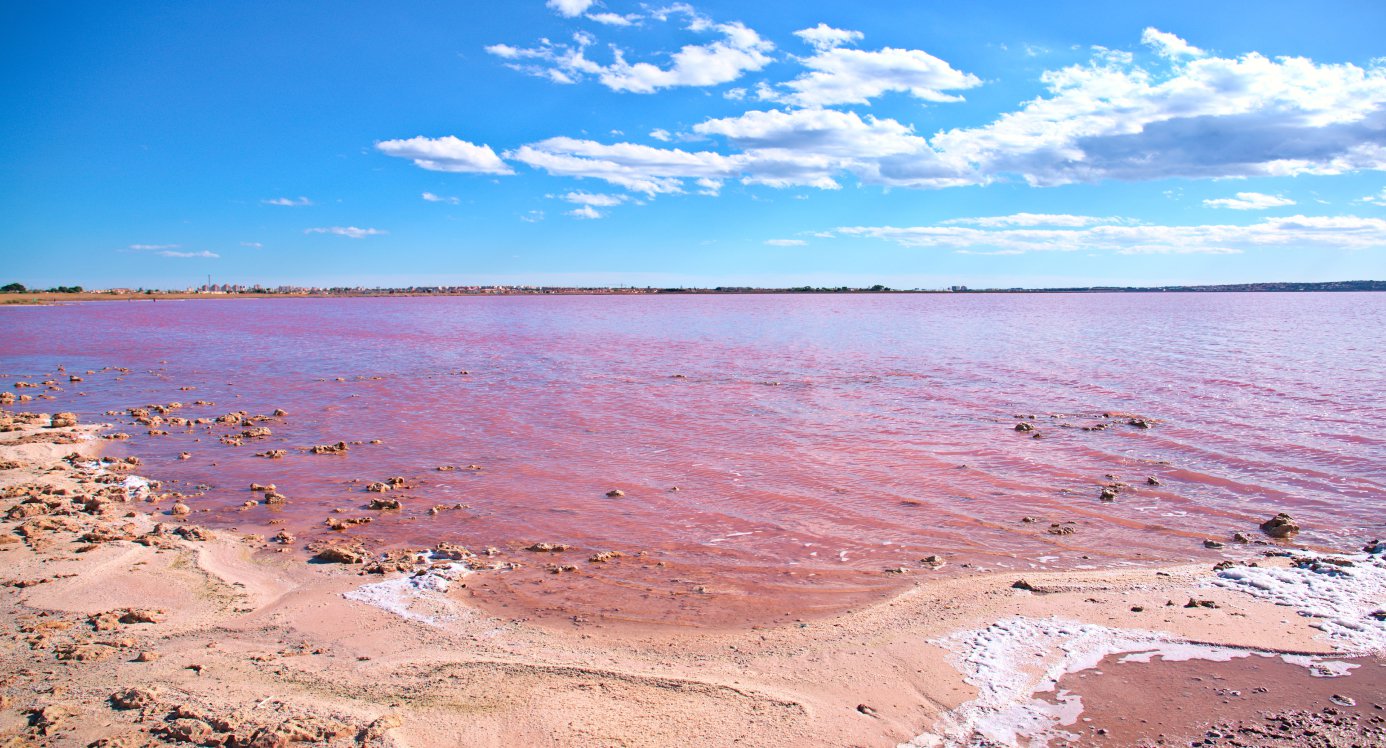
One of the most unique natural wonders in the Alicante region, Las Lagunas de La Mata y Torrevieja is famous for its pink and green-hued saltwater lagoons. These salt flats are not only stunning but also an important habitat for flamingos and other migratory birds. The lagoons owe their distinct pink color to algae and microorganisms that thrive in the high-salinity water.
Tranio’s team will advise you on the purchase of property for any purpose in Alicante.
Contact us
We will send you a content digest not more than once a week