Murcia’s Attractions: What to See in the Land of Sun and Orange Groves
Murcia is the capital of the region of the same name in south-eastern Spain, known as the «Garden of Europe» for its fertile land and extensive citrus orchards. The city combines a historic centre with the infrastructure and atmosphere of a modern university hub. Visitors can see the cathedral, historic squares and narrow streets, while the beaches of the Costa Cálida and the Mar Menor lagoon are located about an hour’s drive away. This guide provides key routes, main attractions and practical advice for those planning to visit Murcia.
Murcia — a sunny Spanish region: general information
Murcia is an autonomous community and a province of the same name, located between Valencia and Andalusia. The region lies on the Mediterranean Sea and its coastline is known as the Costa Cálida — «the warm coast». Thanks to a mild Mediterranean climate and more than 300 days of sunshine per year, Murcia has earned the nickname «Europe’s orchard»: fruits, vegetables and olives grown here are exported across Europe.
The regional capital, the city of Murcia, is a major administrative, cultural and university centre with a population of around half a million. Established by the Arabs in the 9th century, the city still bears traces of Moorish heritage in its architecture and irrigation systems, and after the Reconquista became an important city of the Kingdom of Castile. Today it is a dynamic destination where historic monuments sit alongside modern campuses and waterfronts, offering a wide range of things to do in Murcia for residents and visitors alike.
The main cities of the autonomous community are: Murcia (the capital), Cartagena (a port and naval base with ancient heritage) and Lorca (a city with a rich history and a medieval castle).
Indicator | Value |
Population | ≈ 460,000 in the city; ≈ 1.5 million in the region |
City area | 881 km² |
Main airport | Región de Murcia International Airport (Corvera) |
Nearest coastline | Costa Cálida and the Mar Menor lagoon (approx. 50 km) |
Main attractions in the city of Murcia
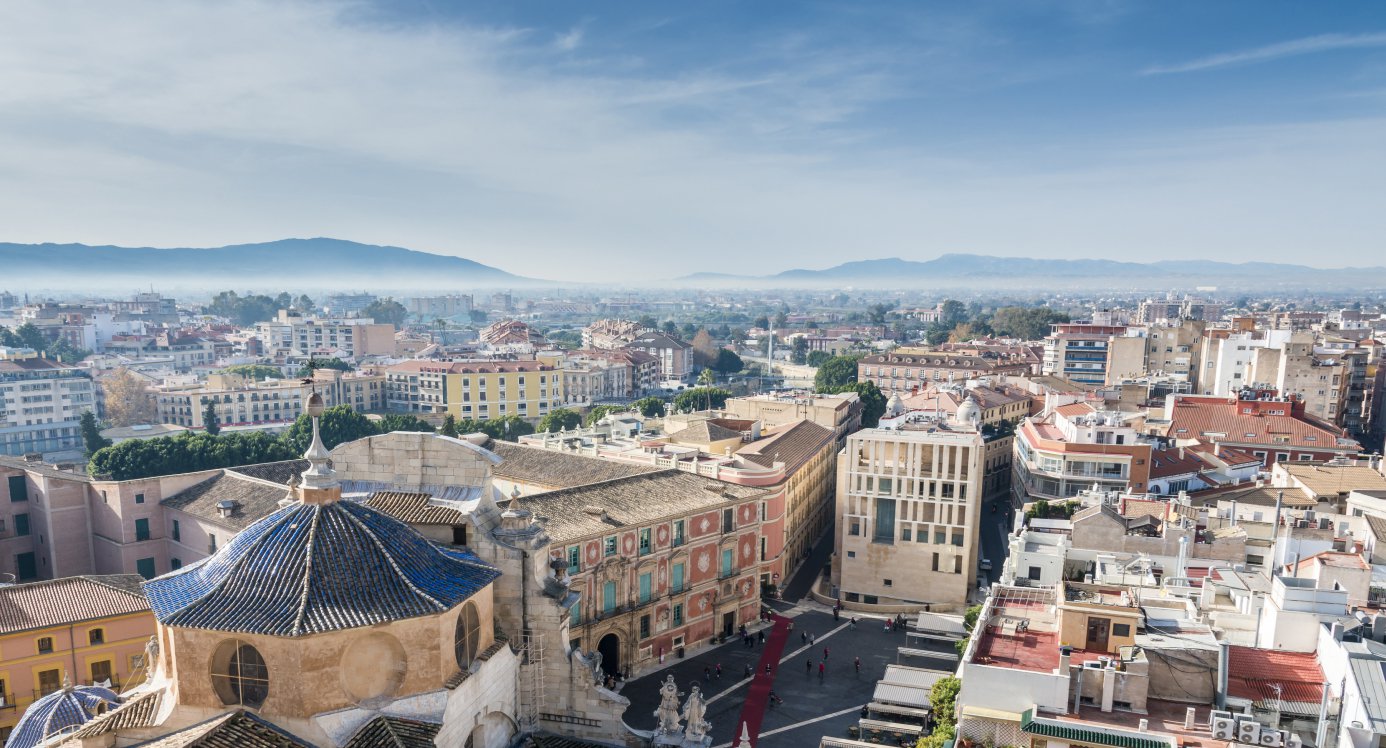
The city has a strong cultural identity and deep historical roots. Founded during the Moorish period, Murcia has absorbed the influences of various civilisations over the centuries, which are still reflected in its streets, squares and traditions. The atmosphere of historic Europe is present in the sound of church bells, the façades of Baroque buildings and the festivals that bring residents and visitors together. The city’s culture remains active and evolving: traditional crafts coexist with contemporary art, and ancient legends blend with the energy of its university community — creating a wide range of what to do in Murcia experiences for anyone exploring the city.
Murcia Cathedral: an architectural masterpiece
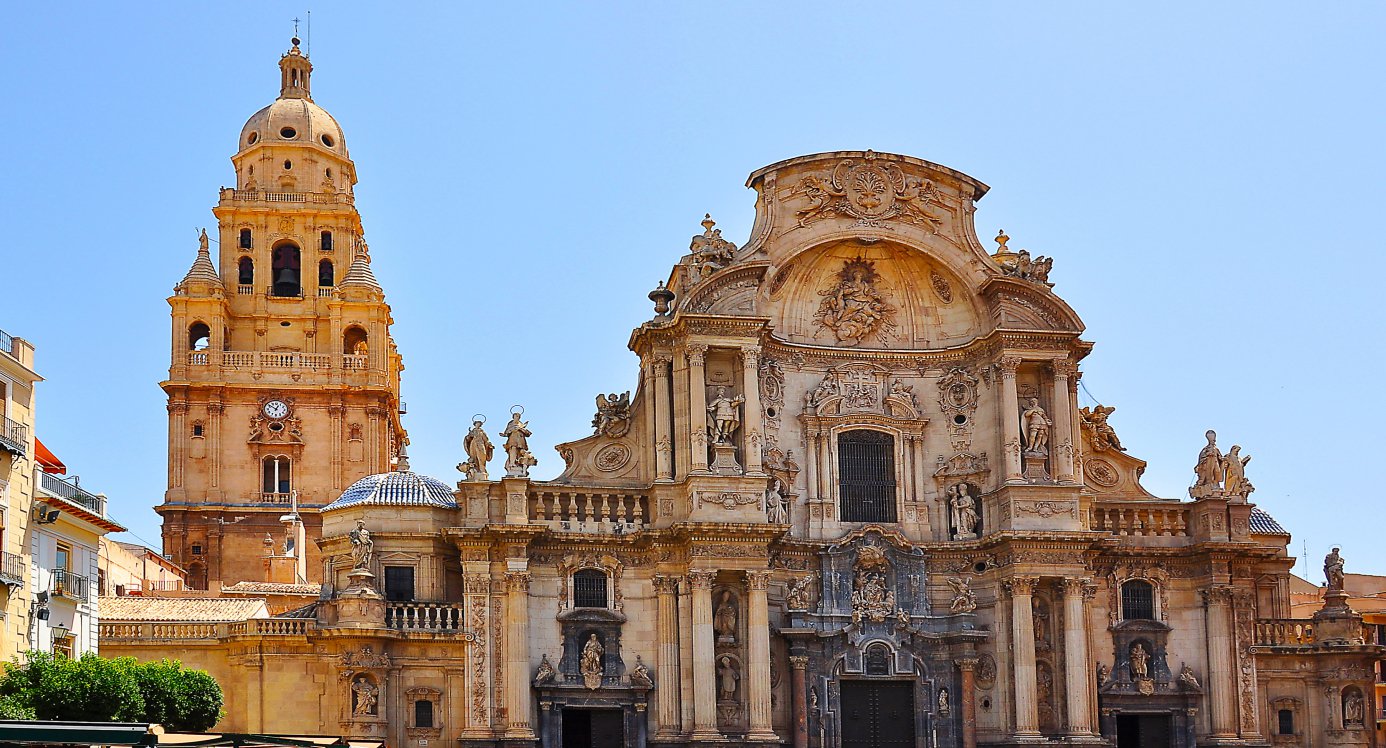
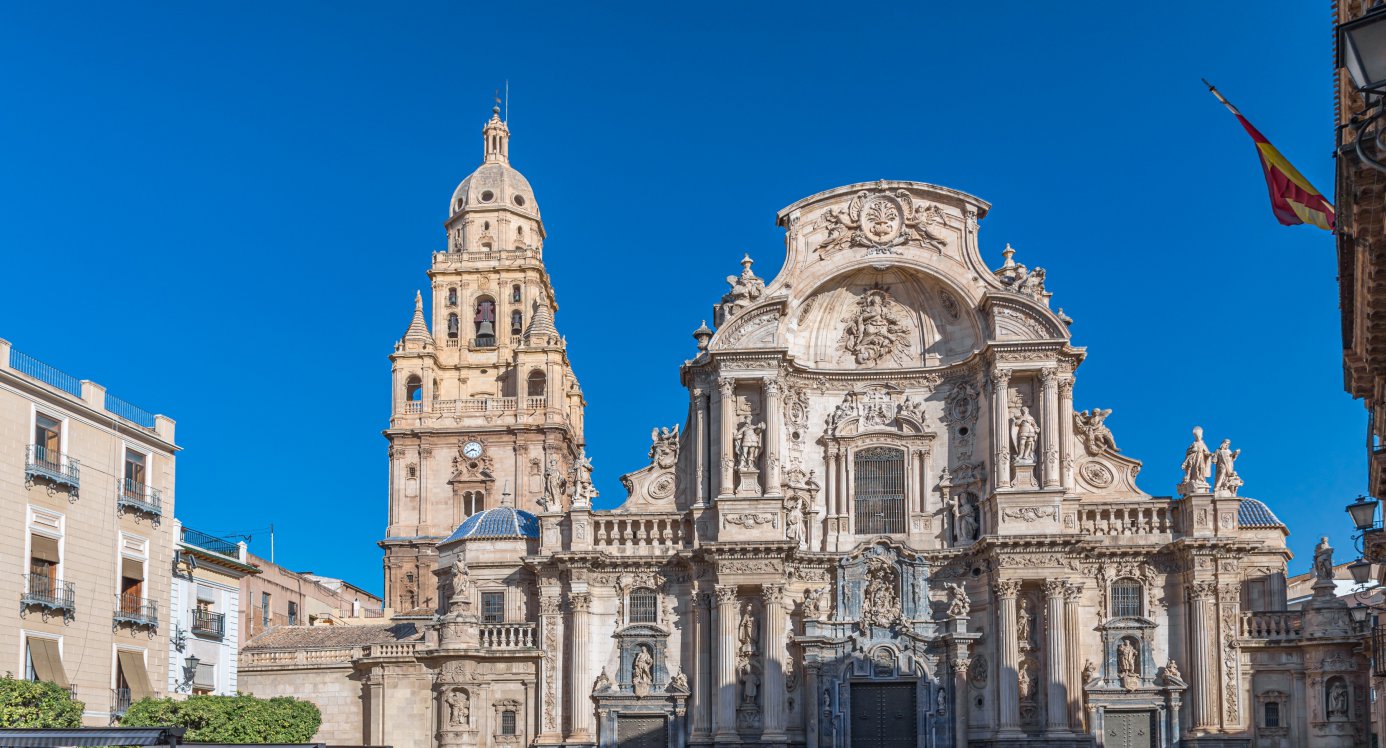
The main landmark of the city is Murcia Cathedral, located on Cardenal Belluga Square. Its architecture reflects the history of Spain itself: the interior preserves 14th-century Gothic vaults, the main façade showcases exuberant Spanish Baroque, and several chapels are designed in the austere Renaissance style. The cathedral’s symbol is its 93-metre bell tower — the second tallest in Spain — offering a panoramic view over the historic centre and making it one of the Murcia Spain top attractions for visitors.
The internal organs of King Alfonso X «the Wise» are interred in the cathedral. According to legend, he requested this as a sign of his special devotion to Murcia.
Real Casino de Murcia
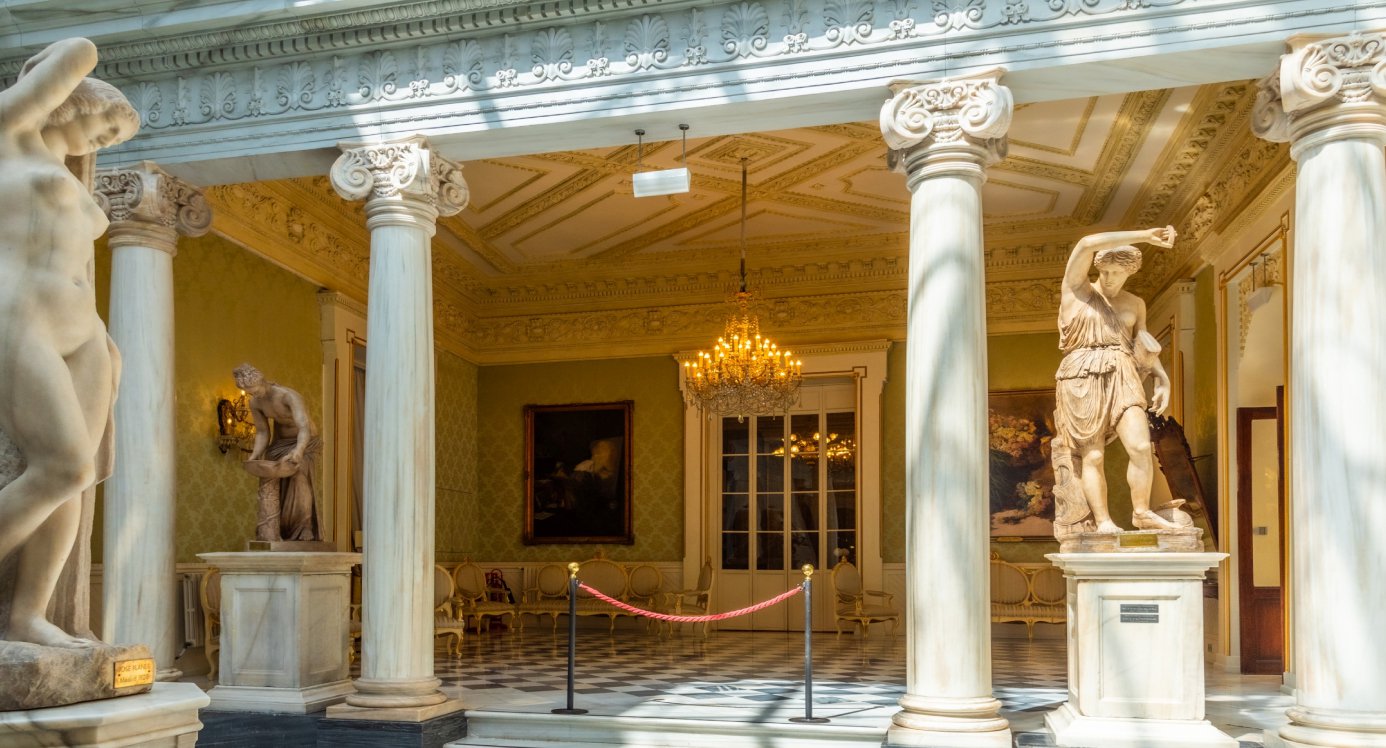
One of the most refined buildings in the city is the Real Casino de Murcia, located on Trapería Street. Despite its name, it is not a gambling establishment, but a cultural centre and an architectural landmark that reflects the taste and style of the 19th-century Spanish bourgeoisie. Inside, visitors are impressed by the elegance of the interiors: the exquisite Moorish Courtyard (Patio Árabe) with mosaics and Andalusian-style arches, the Ballroom decorated with gilding, mirrors and crystal chandeliers, and the library, which recalls the traditions of Europe’s aristocratic clubs. The Real Casino de Murcia offers a glimpse into a bygone era, where sophistication and art are expressed through architecture.
Episcopal Palace and Cardenal Belluga Square
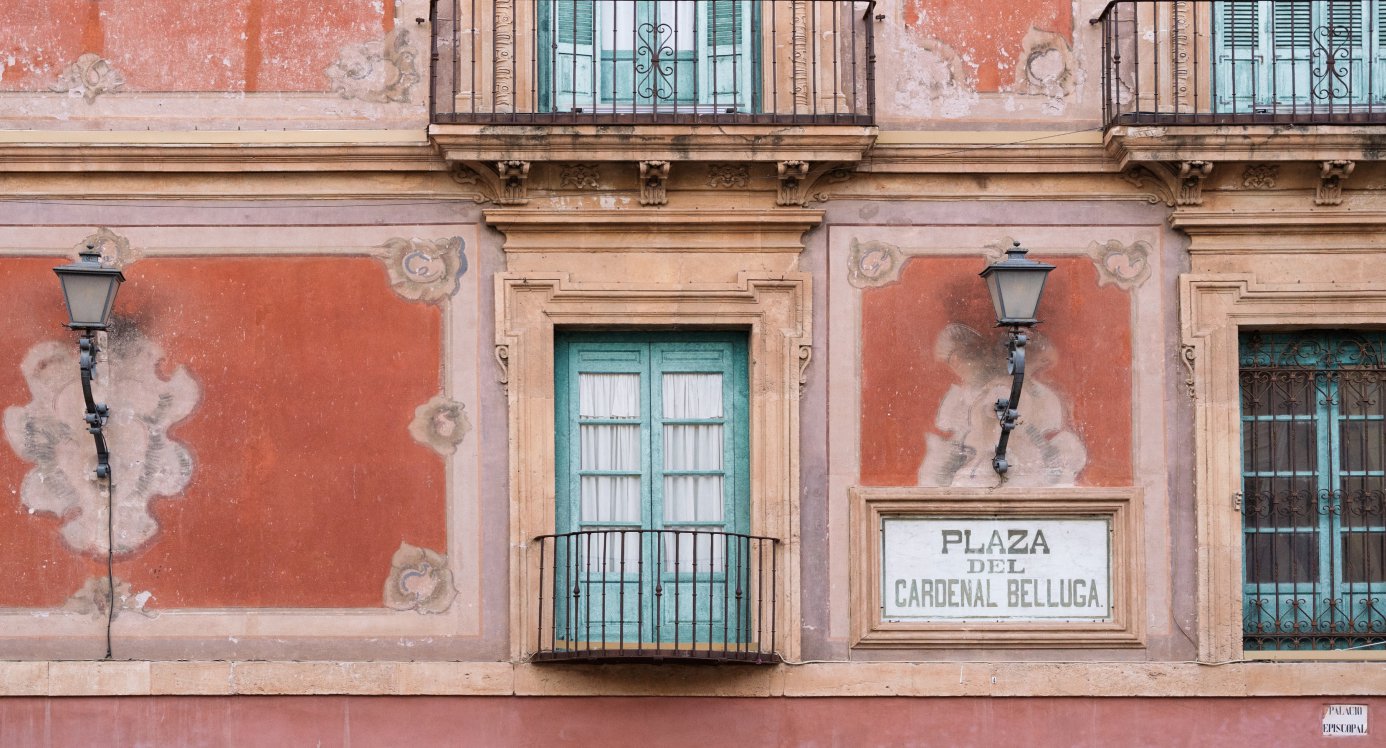
Next to the cathedral stands the impressive Episcopal Palace (Palacio Episcopal), one of the most elegant 18th-century buildings in Murcia. Its Baroque façade, enhanced with Classicist elements, forms a harmonious ensemble with the cathedral and emphasises the ceremonial character of the square. In front of the palace lies Cardenal Belluga Square — the heart of the historic centre and one of the most picturesque places in the city. The area is always lively: tourists take photos of the cathedral, locals enjoy open-air cafés, and in the evening the façades are illuminated by a warm golden light. It is an ideal place to experience the atmosphere and rhythm of Murcia.
Romea Theatre and the Salzillo Museum
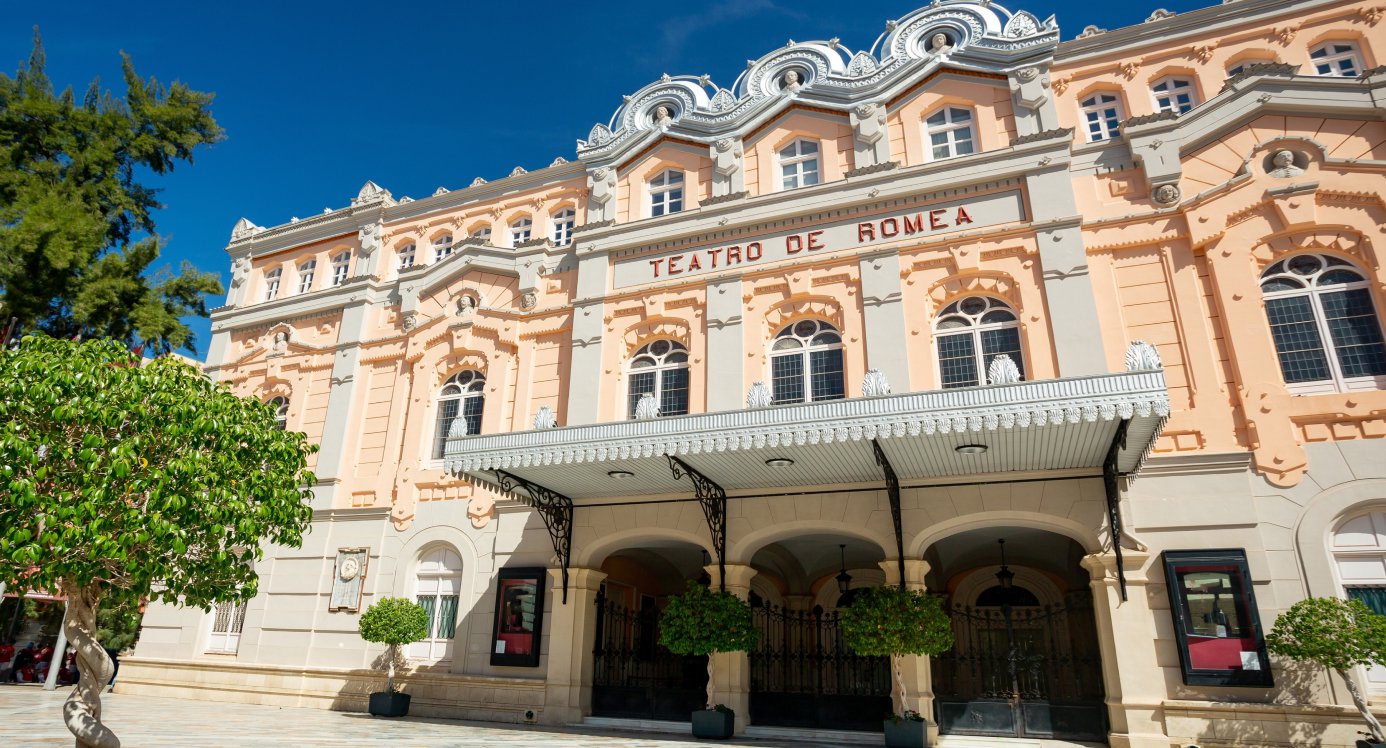
Romea Theatre (Teatro Romea) is the main cultural venue in Murcia, located in the very centre of the city. Opened in the mid-19th century, it has become a symbol of the region’s theatrical and musical life. The building features a Neoclassical façade and an atmospheric interior with red velvet boxes and gilded décor. Today it hosts plays, concerts, festivals and exhibitions, preserving Murcia’s theatrical traditions and contributing to the city’s cultural life.
The Salzillo Museum (Museo Salzillo) is dedicated to the work of Francisco Salzillo, a renowned Spanish sculptor born in Murcia in the 18th century, whose art is considered one of the finest examples of Spanish Baroque sculpture. The museum houses a remarkable collection of his works — religious sculptures noted for their emotional expression and realism. A particular highlight is the series of figures created for the traditional Semana Santa processions, which are still carried through the streets of the city during Easter. A visit to the museum offers insight into the spiritual and artistic heritage of Murcia, where art forms an integral part of local tradition.
A walk along the Segura River: bridges and riverfront promenades
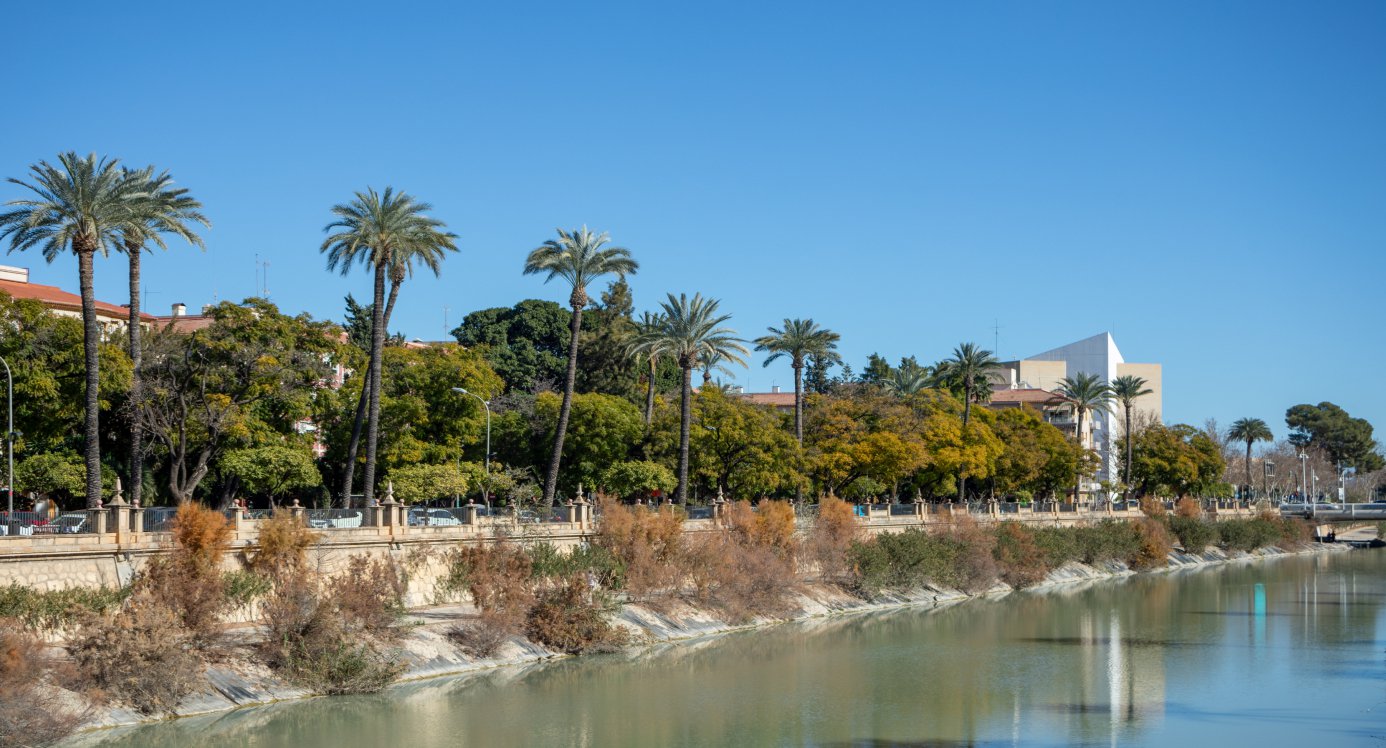
The Segura River is an integral part of Murcia, around which the city has developed over the centuries. It has nurtured the region’s famous orchards, giving rise to its nickname, «Europe’s orchard». Today, walking along the riverfront is one of the most pleasant ways to explore Murcia.
The oldest crossing over the river is the 18th-century Old Bridge (Puente de los Peligros), adorned with the Chapel of Our Lady of the Hazards and considered a symbol of the city. It stands alongside more modern architectural structures, including the pedestrian Manterola Footbridge (Pasarela Manterola) with its elegant metal span, and the Floridablanca Bridge (Puente de la Floridablanca), linking the old and new parts of the city. Also noteworthy are the Alfonso X Bridge (Puente de Alfonso X) and the Auditorio Bridge (Puente del Auditorio), both examples of how contemporary Murcia maintains its connection to the past while integrating history into the modern urban landscape.
Itinerary: One day in Murcia
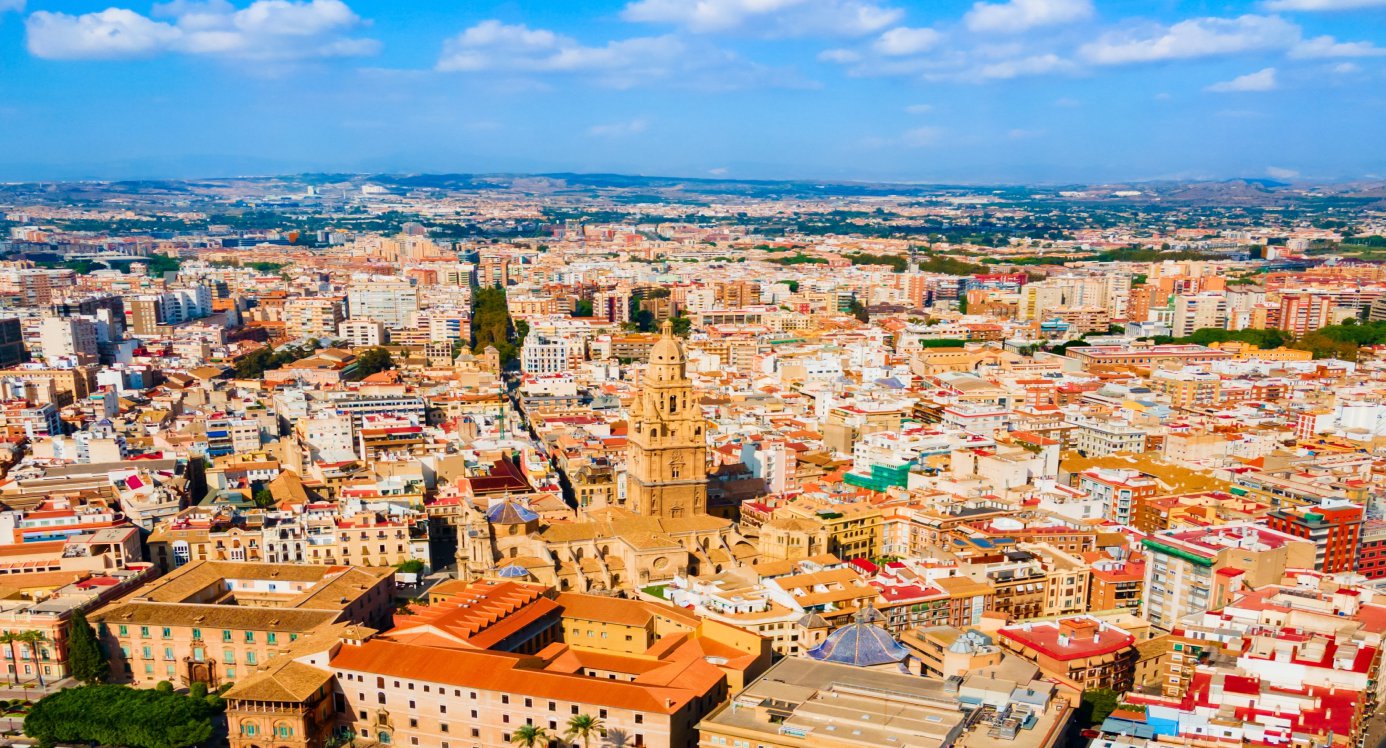
If you have only one day, this is enough to see Murcia’s main sights — examples of Baroque architecture, historic squares, museums and riverfront promenades that convey the atmosphere of southern Spain.
Morning. Start your day at Cardenal Belluga Square, home to the city’s main landmark — Murcia Cathedral. In the morning light, the façade looks especially impressive. Nearby stands the Episcopal Palace, from where it is convenient to begin a walk through the old town: narrow streets, traditional balconies and the aroma of coffee from the first cafés to open create the perfect introduction to the city.
Lunch. Take a break at one of the tapas bars on Plaza de las Flores — a popular gastronomic area serving fresh seafood, jamón and local wines. Alternatively, head to Plaza de Santo Domingo, surrounded by terraces and shops, ideal for observing everyday city life.
Afternoon. After lunch, visit the Real Casino de Murcia to see the elaborate interiors of the Moorish Courtyard and the Ballroom. Then continue to the Salzillo Museum, which houses the famous collection of sculptures dedicated to religious processions and the city’s heritage.
Evening. End the day with a walk along the Segura River. Here you can see the historic Old Bridge (Puente de los Peligros) and modern pedestrian bridges offering views over the city at sunset. Relax at a riverside café and enjoy the ambience of southern Spain, where the day gradually turns into a leisurely evening.
Beyond the capital: attractions across the Region of Murcia
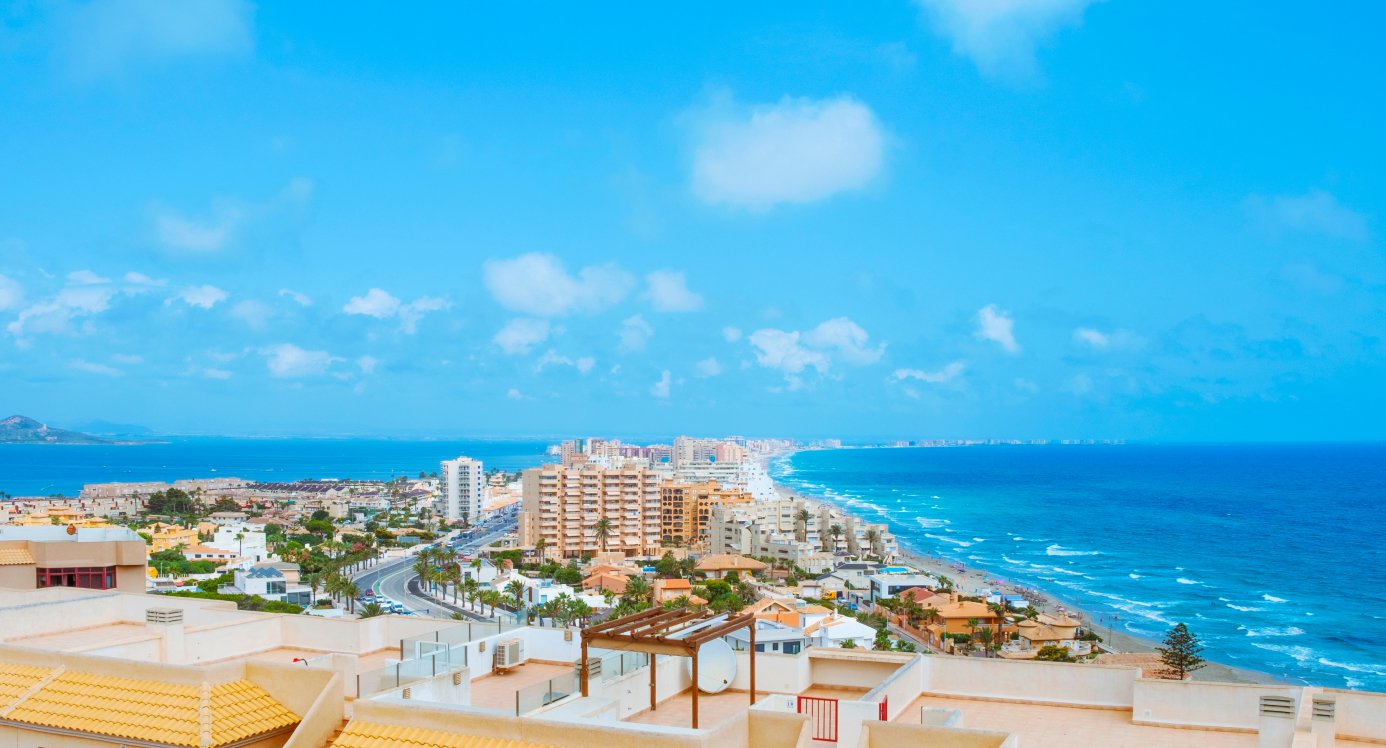
The Region of Murcia is located in the south-east of Spain, where within short distances you can experience sea resorts, historic towns and rural landscapes. Here you’ll encounter the Costa Cálida coastline with the Mar Menor lagoon, as well as inland areas with traditional architecture and wine-producing valleys. The climate remains mild and sunny year-round, making travel throughout the region comfortable at any time of the year.
Cartagena — a Mediterranean treasure
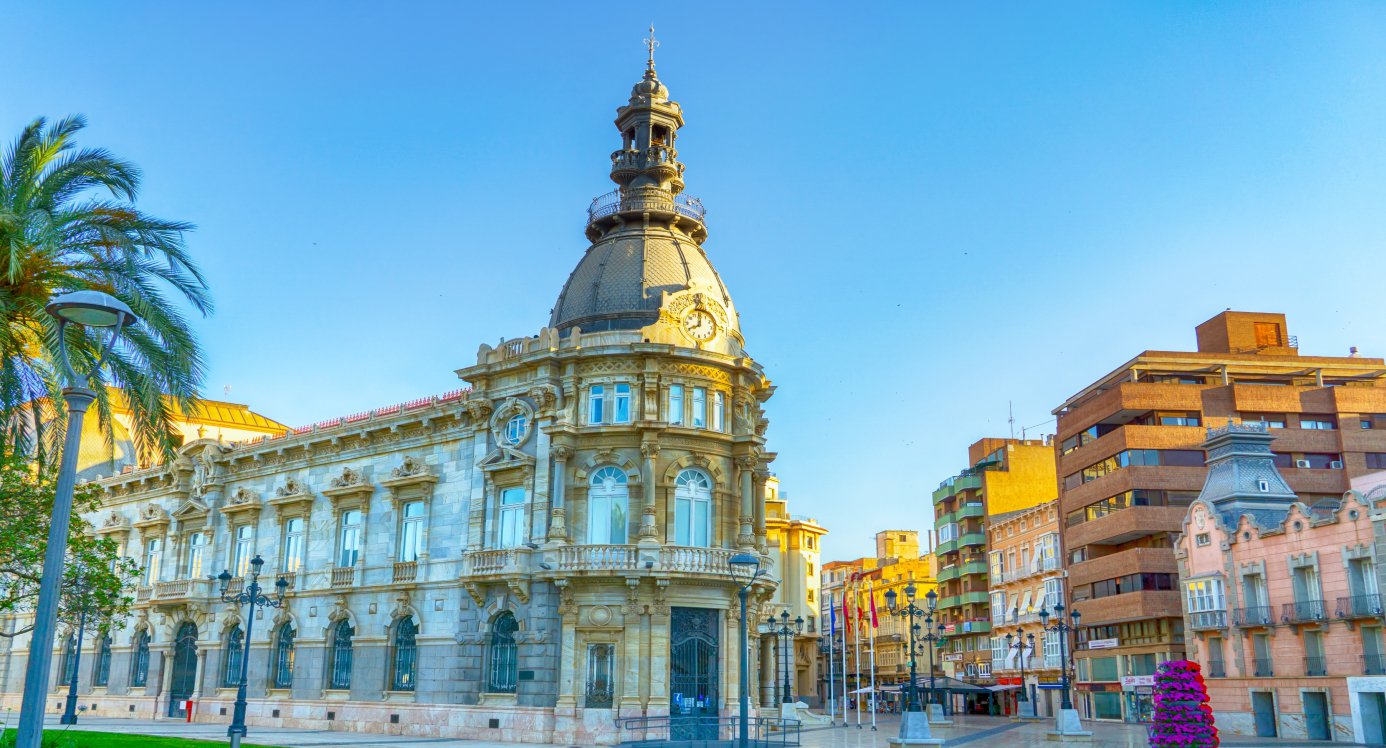
Cartagena — one of the most renowned cities in the Region of Murcia, a major historical and port centre on the Mediterranean coast. Founded more than two thousand years ago, the city retains a rich legacy from antiquity: its symbol is the Roman Theatre, rediscovered in the late 20th century and now the region’s foremost archaeological monument. Along the coast are also remnants of its military past — formidable fortifications and batteries, among them the Battery of Castillitos, strikingly situated on the sea cliffs. Today, Cartagena is a dynamic tourist destination, combining ancient history, maritime activity and a modern Mediterranean ambience.
Costa Cálida and the Mar Menor: beach holidays and coastal resorts
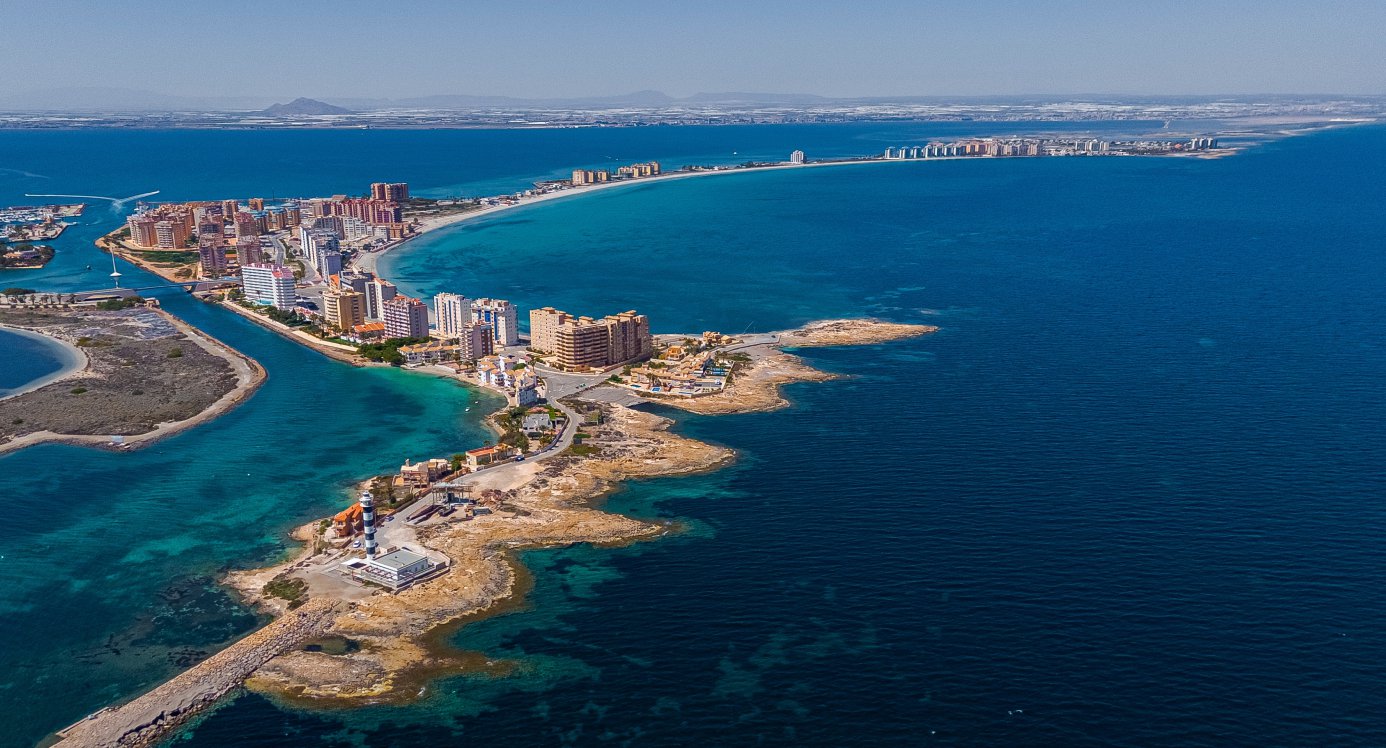
The Costa Cálida — Spain’s «Warm Coast» — stretches for more than 250 kilometres along the Mediterranean and is known for its mild climate, calm sea and a high number of sunny days. Its key natural feature is the Mar Menor, Europe’s largest saltwater lagoon, separated from the sea by a narrow sandbar. The water here is warmer and calmer than in the open sea, making the lagoon an ideal place for swimming and relaxation.
Among the most popular resorts in the region are the lively La Manga del Mar Menor, with kilometres of beaches and extensive infrastructure; the cosy Los Alcázares, which has preserved the charm of a traditional fishing village; and San Pedro del Pinatar, known for its natural salt flats and spa resorts based on mineral waters.
Natural wonders of the region
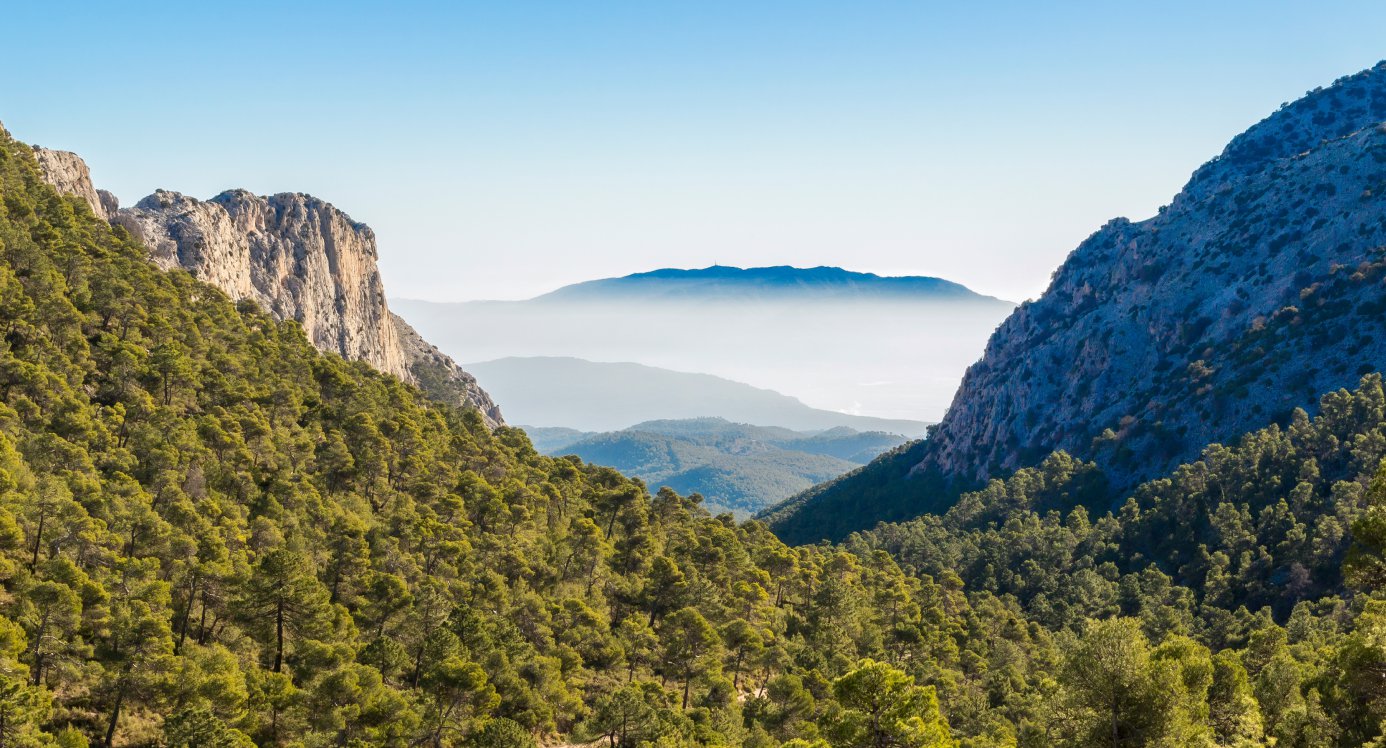
The Region of Murcia is known not only for its sea and sunshine, but also for its impressive natural landscapes. In the central part of the region lies Sierra Espuña Natural Park — a mountain range with pine forests, viewpoints and numerous hiking trails offering panoramic views over the Segura Valley.
On the coast, near Mazarrón, is one of the most unusual natural sites in Spain — the Gredas de Bolnuevo, sandstone formations shaped by wind and time. Owing to their striking shapes, this landscape is often referred to as the «Spanish Cappadocia».
Further north along the coast are the San Pedro del Pinatar salt flats (Salinas de San Pedro del Pinatar) — a protected area with lagoons, thermal waters and colonies of pink flamingos, ideal for birdwatching and enjoying a peaceful natural environment.
Living and property in Murcia: guidance for investors
Murcia is a region where tourist appeal naturally combines with comfort for permanent living. After a day by the sea or a walk through the historic centre, it becomes clear that Murcia is not only a holiday destination, but a place where people may wish to stay longer. The region enjoys a mild climate with more than 300 sunny days per year, a relaxed pace of life and the welcoming atmosphere typical of smaller Spanish cities.
For investors, the region is particularly attractive due to its affordable property prices: real estate here is significantly cheaper than on the neighbouring Costa Blanca, while construction quality and infrastructure standards remain high. Apartments by the sea, villas with private pools or traditional village houses can be purchased at prices up to twice lower than in the major resorts of Valencia or Alicante.
Unlike Spain’s heavily developed tourist areas, Murcia remains less saturated but offers strong growth potential. Lower seasonal tourist pressure ensures a comfortable everyday lifestyle, while improving infrastructure and increasing international interest make property investment in the region a strategically promising decision.
Practical information for visitors
There are several ways to reach Murcia. The nearest airport is Región de Murcia International Airport (Corvera), located approximately 25 km from the city and serving flights from major European capitals. Direct trains and coaches run from Madrid and Valencia, with travel times of around 3,5 to 4,5 hours. For touring the region, hiring a car is most convenient — public transport is well-developed within the city, but connections between coastal resorts and natural attractions are limited.
In the city itself, buses and taxis operate regularly, and most attractions are within walking distance of the centre. Parking is available near museums and the riverfront.
Attraction | Approx. ticket price |
Murcia Cathedral | €5 |
Real Casino de Murcia | €5 |
Salzillo Museum | €3 |
FAQ
It is better to stay in Murcia’s city centre for sightseeing and walking, and by the sea on the Costa Cálida if your focus is beach leisure.
The main sights can be visited in one day.
Families can visit museums with interactive exhibits, Terra Natura Zoo, Aqua Natura Water Park, and spend a day on the beaches of the Mar Menor.
Caldero — a rice and fish dish typical of the region — is highly recommended, as well as the refreshing drink belén made with lemon and sparkling water.
We will send you a content digest not more than once a week