Dominican Republic Citizenship in 2026
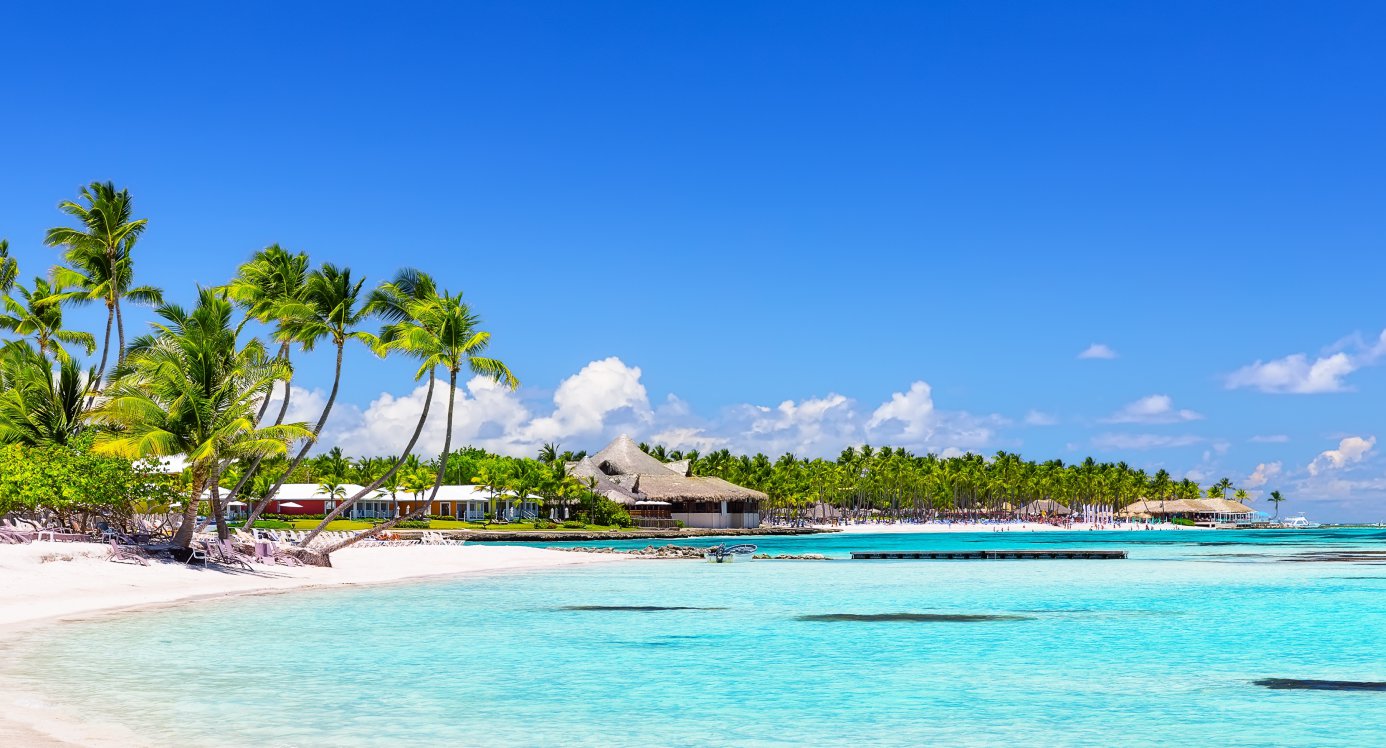
The Dominican Republic is a Caribbean nation located on the eastern part of the island of Hispaniola. It is a country of bright sunshine, long beaches and a rapidly developing economy driven by tourism and real estate. Since declaring independence in 1844, the Dominican Republic has steadily built strong relations with foreign investors and has become one of the most open and investor-friendly countries in the region.
Until March 2022, the Dominican Republic offered an expedited citizenship-by-investment route involving contributions to national infrastructure and economic development. Today, the process has become more structured and longer: foreign investors and residents can obtain citizenship through the standard naturalisation procedure — after securing temporary and then permanent residence. This path takes more time, yet it preserves the key advantages of the Dominican Republic: dual citizenship is permitted, favourable tax incentives remain in place, and the country continues to be one of the most stable and investment-attractive destinations in the Caribbean region.
Benefits of Citizenship of the Dominican Republic
- Possibility of dual citizenship — the Dominican Republic allows holders to maintain multiple passports without having to renounce their original nationality.
- A safe jurisdiction for business and capital — the country is actively developing its financial sector and consistently maintains a strong investment climate.
- Eligibility for an expedited U.S. visa process — Dominican citizens can obtain a multiple-entry B1/B2 tourist visa valid for 5–10 years.
- Attractive tax regime — income earned abroad is not subject to taxation if the individual spends fewer than 183 days per year in the country.
- Family inclusion — citizenship can be granted to a spouse and children as part of the same application.
- An appealing place to live and invest — a stable economy, growing tourism sector, low cost of living and some of the Caribbean’s most developed infrastructure make the country an excellent choice for both lifestyle and investment.
How to Get Dominican Citizenship
Citizenship of the Dominican Republic offers broad opportunities for living, travelling and doing business in one of the most rapidly developing countries in the Caribbean. It is valued for its permission of dual citizenship and its favourable conditions for investors who view the Caribbean as a safe and promising region for diversifying their assets.
Parameter | Citizenship by investment | Citizenship by marriage | Citizenship by naturalisation | Citizenship by birth |
Legal basis | Law No. 171-07 on Special Programmes for Investors | Law No. 1683 on Naturalisation | Law No. 1683 on Naturalisation | Constitution of the Dominican Republic |
Minimum requirements | Investment from $200,000 in real estate, business or a bank deposit; 2 years of residence as a permanent resident | Marriage to a Dominican citizen and 6 months of joint residence | 2 years of residence as a permanent resident | Birth on Dominican territory (except children of diplomats) or birth abroad to Dominican parents |
Time to citizenship | Around 2 years after obtaining permanent residency | From 6 months | 2 years; for citizens of Latin American countries and Spain — 6 months | Automatic at birth |
Residence requirement | Actual residence required prior to applying | Joint residence required | Actual residence required | Not required |
Language requirement | Basic Spanish for the citizenship application | Basic Spanish | Basic Spanish | Not applicable |
Investment requirement | Yes | No | No | No |
Dual citizenship | Permitted | Permitted | Permitted | Permitted |
Key advantage | Fast-track route to a passport through economic contribution | Eligible through family ties | A viable route for long-term residents | Automatic citizenship with full rights |
Type of applicants | Investors, entrepreneurs | Foreign spouses of Dominican citizens | Long-term permanent residents | Children of Dominican citizens or persons born in the country |
Dominican Republic Citizenship by Investment
Law No. 171-07 of the Dominican Republic provides an accelerated route to permanent residency for foreign investors, pensioners and individuals with passive income. The minimum investment amount starts from USD 200,000 and may be directed into real estate, a commercial project or a government-approved bank deposit.
The programme grants the investor and their family the right to long-term residence and the ability to conduct business in the country, but it does not offer automatic citizenship. After a period of lawful residence and compliance with standard requirements, a permanent resident may apply for naturalisation. Thus, Law No. 171-07 establishes a clear and well-structured framework for attracting foreign capital and integrating investors into the Dominican Republic’s economy.
Under Law No. 171-07 and the established practice of the Dominican Republic’s immigration authorities, continuous physical residence in the country is not a mandatory requirement for maintaining permanent resident status obtained through the investment programme. An investor only needs to renew their residence permit on time and maintain the qualifying investment that serves as the basis for their residency.
However, applying for citizenship by naturalisation does require actual physical presence in the country for the prescribed period (typically at least two years), as well as proof of integration — such as having a local address, a bank account, a tax identification number, basic knowledge of the Spanish language and demonstrable ties to the Dominican Republic.
Dominican Republic Citizenship by Marriage
Citizenship of the Dominican Republic through marriage is regulated by Law No. 1683 on Naturalisation. A foreign national married to a Dominican citizen may apply for citizenship after six months of joint residence. The procedure includes a background check, verification of the authenticity of the marriage, and confirmation of basic knowledge of the Spanish language. The applicant is not required to make a significant investment or reside in the country for an extended period. Once citizenship is granted, the spouse receives all the rights of a Dominican citizen, including the right to hold a Dominican Republic passport and the right to dual citizenship.
Dominican Republic Citizenship by Naturalisation
Citizenship of the Dominican Republic by naturalisation is granted to foreign nationals who have legally resided in the country for the required period. Under Law No. 1683 on Naturalisation, an applicant must have at least two years of permanent residence, demonstrate a legitimate source of income and maintain a clean criminal record. For citizens of Latin American countries and Spain, this period may be reduced to six months.
The procedure includes submitting documentation to the Ministry of the Interior, an interview, and final approval by presidential decree. Once citizenship is granted, a naturalised citizen receives the same rights as those born in the country, including the ability to work freely, invest, purchase property and benefit from the advantages of the Dominican Republic passport.
How to Get Dominican Republic Citizenship by Parents
Citizenship of the Dominican Republic by birth is granted automatically in accordance with the country’s Constitution. It is conferred on all individuals born on Dominican territory, with the exception of children of foreign diplomats or persons residing in the country unlawfully. In addition, citizenship is granted to children of Dominican citizens born abroad, provided their birth is registered with a consulate or the relevant authority.
This system combines the principles of jus soli (right of the soil) and jus sanguinis (right of blood), making the Dominican Republic’s citizenship framework one of the most flexible in the region. Citizens by birth enjoy the full spectrum of rights, including participation in elections, land ownership, and the ability to acquire a second nationality without losing their original one.
Stages of Obtaining Dominican Citizenship
- Choosing the investment route
The investor selects the form of investment — real estate, a commercial project or a bank deposit of USD 200,000 or more, provided it is approved by the government under Law No. 171-07. - Obtaining the Investor Visa (Residencia por Inversión)
The applicant submits the required documents to a Dominican Republic consulate. The visa is valid for 60 days and allows entry into the country to apply for residency. - Obtaining permanent residency (residencia permanente por inversión)
The investor first receives temporary residency under Law No. 171-07 and, upon maintaining the investment and meeting immigration requirements, obtains permanent residency. This status grants the right to live, work and invest in the Dominican Republic on a long-term basis. - Maintaining the investment and residency status
To retain residency, the investor must keep the qualifying investment and renew the residence permit every two years. Continuous physical presence in the country is not required, but maintaining ties — such as a local address, bank account and tax number — is recommended. - Applying for citizenship (naturalisation)
After two years of permanent residence, the investor may apply for citizenship by naturalisation. The decision is made by the Ministry of the Interior. - Oath and issuance of the passport
Once approved, the applicant takes an oath of allegiance to the Dominican Republic and receives a certificate of naturalisation, on the basis of which the Dominican passport is issued.
Dual Citizenship in the Dominican Republic
The Dominican Republic officially permits dual and multiple citizenship. Under Article 20 of the Constitution of the Dominican Republic and Law No. 1683 on Naturalisation, foreign nationals who acquire Dominican citizenship are not required to renounce their original nationality, unless such renunciation is mandated by the laws of their country of origin.
Dominican citizens may also obtain the citizenship of other states without losing their Dominican status. This creates flexible conditions for individuals seeking to diversify their personal and business interests, benefit from multiple tax environments and enjoy greater freedom of travel.
We will send you a content digest not more than once a week
- Citizenship (getting passport)