Phuket Property Investment in 2026
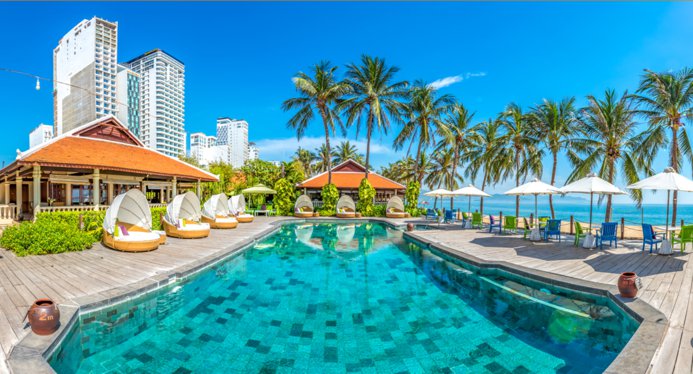
According to REIC (Real Estate Information Center), in the first quarter of 2025, foreign demand for condominiums in Thailand remained stable, but the structure of transactions and the geography of buyers changed significantly compared with the same period in 2024.
The growth leaders were investors from Singapore, where the number of transactions increased by 63.2%, probably due to the high cost of local housing and the desire for geographical diversification of assets. Interest from Taiwan (+37.8%), France (+22.5%), and the United Kingdom (+21.3%) also increased significantly, indicating that Thailand is increasingly considered a destination for seasonal living and investment in the rental market.
Against this backdrop, the activity of traditional markets declined: the number of transactions involving buyers from China fell by 7.2%, from the United States — by 10.4%, reflecting temporary fluctuations in regional mobility and investment priorities.
Thailand Is a Stable Market
Over the past 10 years, property prices in Thailand have risen steadily by 1–10% per year, with no sudden jumps, according to data from the Bank of Thailand’s Property Price Index.
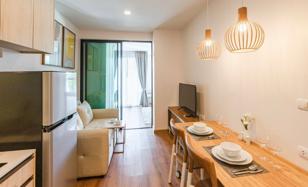 $210,000
Total area 38 m² 1 bedroom
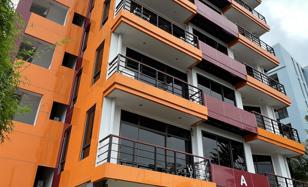 $222,000
Total area 72 m² 2 bedrooms
 $217,000
Total area 42 m² 1 bedroom
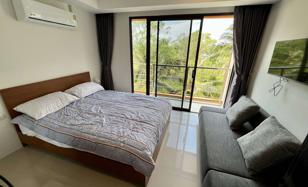 $101,000
Total area 23 m² 1 bedroom
 $251,000
Total area 47 m² 1 bedroom
 $165,000
Total area 28 m² 1 bedroom
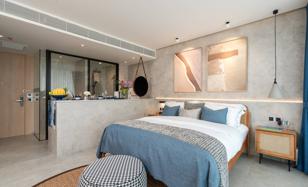 $272,000
Total area 34 m² 1 bedroom
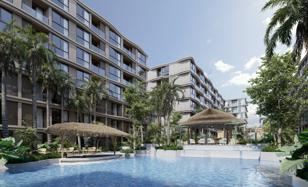 $153,000
Total area 30 m² 1 bedroom
The national currency, the Thai baht, has shown resilience against the US dollar over the past two decades. The exchange rate of the baht has ranged from 32 to 35 per US dollar. In July 2025, the exchange rate of the Thai baht against the US dollar stabilised at about 32.2–32.4 baht per US dollar. During the year, the currency has shown moderate fluctuations, remaining within the range of 32–34.8 baht, which indicates a high degree of macroeconomic stability in Thailand. The current exchange rate makes investment and travel to the country particularly attractive for US dollar holders.
Phuket Is a Market for Foreign Investors
The island’s resort industry began almost 40 years ago in the Laguna area when a Chinese entrepreneur purchased the Bang Tao site, formerly a tin mine. He successfully revitalised the local landscape and within a decade had built the first resort hotel. In just 30 years, Phuket has become one of the most visited resort destinations in South East Asia. Foreigners also make up the majority of developers, property buyers, and tourists.
Booming Demand for Real Estate in Phuket
After the COVID-19 restrictions were lifted in 2021, demand from foreign buyers began to recover rapidly. The primary market has been particularly active, with many transactions postponed during the pandemic years being concluded in 2022–2023. By 2024, Phuket had reached record levels in a decade: the market value totalled approximately 12.8 billion US dollars, apartment sales rose by 60%, and the number of new projects more than doubled. Today, about 700 residential complexes are under construction on the island, including modern condominiums and villas with premium amenities. Against the backdrop of land scarcity, rapid construction, and growing interest in Phuket as a destination for living and investment, we can confidently point to the emergence of a sustained investment trend.
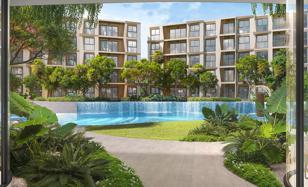 From $128,000
Completion in: 2027.IV 295 units in total
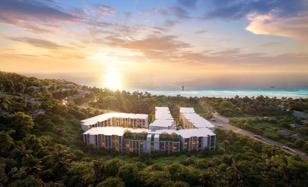 From $171,000
Completion in: 2029.I 350 units in total
 From $351,000
Completion in: 2029.I 37 units in total
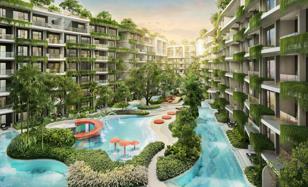 From $142,000
Completion in: 2027.I 859 units in total
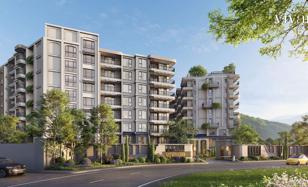 From $123,000
Completion in: 2028.III 363 units in total
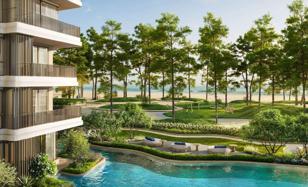 From $160,000
Completion in: 2028.I 542 units in total
 From $140,000
Completion in: 2028.I 564 units in total
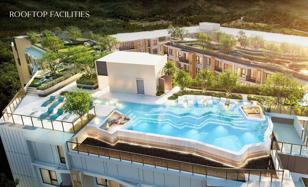 From $87,000
Completion in: 2028.II 452 units in total
Infrastructural Drivers of Phuket’s Real Estate Market
Over the past few years, Phuket has become a hub for infrastructure investment, strengthening its position as a premium real estate centre. One of the key drivers is the development of MICE tourism, namely the creation of the «Southern MICE District: Phuket Series» project, consisting of four thematic zones (Old Town, North Wind, Lagoon, and South Shore), which positions the island as a regional centre for event tourism and stimulates demand for next‑level housing.
A significant factor is the ongoing modernisation of the transport infrastructure: the expansion of Phuket International Airport, which handled more than 17.2 million passengers in 2024 (including 10.6 million international passengers) — +23% on the previous year. There are also plans to build a light rail route (LRT) almost 59 km long, with an initial branch from the airport to Chalong District and the prospect of a connection to Phang Nga; the project, worth about 35 billion baht, is being structured as a PPP and can be implemented in the early 2030s. All this will significantly increase accessibility and mobility across the island.
Another growth driver is the pursuit of sustainable development: the island is implementing a strategy for sustainable tourism and environmental transformation, including expanding the waste recycling system and supporting small businesses in hospitality and wellness services.
As a result, the modern Phuket market is increasingly focused on lifestyle investors and long-term residents: interest in villas, branded residences, and wellness housing has increased, which creates a steady demand for high-quality and premium properties.
What Attracts Investors to the Phuket Property Market
I believe that interest in Phuket has been driven by the island’s confident development over the past few decades. Although, of course, many investors have also turned their attention to Phuket as uncertainty has increased in other traditional markets.
Phuket has been more successful than other tourist destinations in Thailand in restoring tourism after the lockdowns. The northern and central beaches of Phuket’s west coast (Bang Tao, Kamala, Layan, and Nai Ton) are more attractive to investors. It is in this part of the island that the best hotels and resort condominiums are concentrated, which attract affluent tourists. Well-developed infrastructure, landscaped areas and beaches contribute to high occupancy rates.
Developed Infrastructure
The infrastructure of the island makes it possible not only to come on holiday but also to live comfortably for a long time. There are more than 10 international schools on the island, offering American, British, French, Canadian, Finnish, and Russian curricula. Medical services in Phuket’s private hospitals and clinics meet international standards.
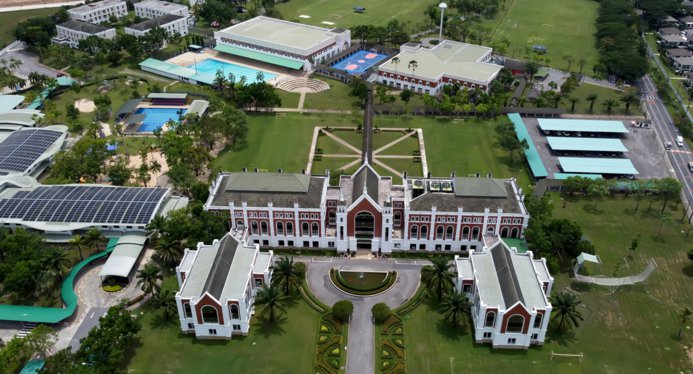
Restaurants, shopping centres, rental services, and well-maintained roads attract expats, winter visitors, and medical tourists from developed countries. As a result, life in Phuket continued even during the lockdowns, and properties continued to generate income for their owners.
Low Barriers to Entry in the Primary Market
Small apartments of 30–40 sq. metres in condominiums with resort-style amenities are priced from 100,000 US dollars. Prices per square metre start at 3,200 US dollars. New small villas in less popular locations on the island are priced from 250,000 US dollars. A spacious villa with a garden and a swimming pool in an attractive investment area is available from 1 million US dollars.
Low Property Taxes
Thailand levies relatively low taxes on buyers and property owners. The amount payable varies depending on the form of ownership: leasehold or freehold. Leasehold is often more favourable for investors, as the registration tax is only 1.1%. A leasehold property typically costs at least 5% less than a freehold property. Leasehold property also does not need to be declared. If you sell a leasehold property, you do not have to pay income tax on any increase in value. There is no inheritance tax if the property is worth less than 100 million Thai baht (2.9 million US dollars).
Favourable Visa Regime and Transport Links
There is an international airport in the north of Phuket, the third largest in Thailand, second only to Bangkok’s two airports (Suvarnabhumi and Don Mueang). There are direct flights to Phuket from more than 20 countries. Transfers from the airport to any part of the island take no more than an hour.
The Thai authorities promote international tourism by offering simplified visa arrangements. Citizens of more than 60 countries can visit Thailand without a visa. The standard visa-exempt stay for eligible tourists is now 30 days under the rules effective 15 September 2026. The initial period can be extended by a further 30 days in Thailand at a local immigration office, on payment of a fee of 1,900 baht (55 US dollars).
Read more about Thai visas in our article.
Year-Round Tourist Season and Rental Yield
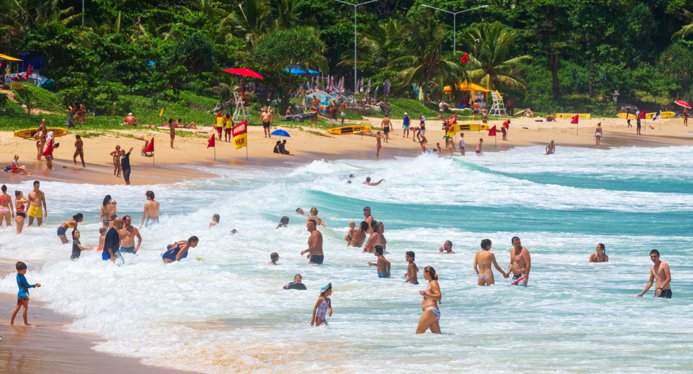
Phuket is a popular tourist destination all year round. The sea is calm, the weather is sunny, and the air temperature is cool (22—27°C) from November to February. In March and April, sunbathers flock to Phuket, where the temperature in the shade can reach 35°C, and the sea warms up to 29°C. Surfing enthusiasts and tourists alike visit Phuket during the monsoon season from May to October, when the weather is moderately warm.
During the high season from October to April, the occupancy rate of resort condominiums often reaches 100%. During the monsoon season, the number of arrivals to Phuket falls to no more than half of peak levels.
Occupancy in the low season is highly dependent on the management company and the complex’s ratings on online booking platforms. Complexes managed by international hotel brands and skilled local management companies can maintain regular occupancy of apartments at premium rates even in summer.
Remote Transactions and Multiple Payment Options
When completing a transaction remotely, developers and foreign investors exchange documents by post, while property rights can be registered with the Land Department through a trusted lawyer.
Tranio has an office in Phuket. Our managers and lawyers will organise a turnkey transaction without increasing the purchase price.
Contact us
Profitability of Phuket Resort Properties
Phuket condominium units offer owners a rental yield of 5–12% per annum in Thai baht, and can appreciate by up to 30% during construction.
From $128,000
Completion in: 2027.IV 295 units in total
From $171,000
Completion in: 2029.I 350 units in total
From $142,000
Completion in: 2027.I 859 units in total
From $123,000
Completion in: 2028.III 363 units in total
From $160,000
Completion in: 2028.I 542 units in total
From $140,000
Completion in: 2028.I 564 units in total
From $87,000
Completion in: 2028.II 452 units in total
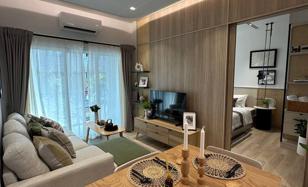 From $111,000
Built in 2026 814 units in total
Rental Yield
Management companies for resort condominiums in Phuket usually offer apartment owners a choice as to how to distribute profits from renting out condos to tourists. There are two basic options:
- Guaranteed yield, where the owner receives a fixed income of 5–7% per annum on the purchase price under long-term contracts for 2–5 years. A guaranteed yield contract protects against the risks of void periods and loss of rental income for any reason.
- Rental pool, where the annual rental income from all the apartments in the condominium is accumulated in the management company’s account, and then distributed among the owners for the period in proportion to the area owned minus the management company’s fee (30–40%). This is a riskier but potentially more profitable scheme. In good tourist seasons, such as 2022 and the beginning of 2023, the owners’ returns exceeded 10% per annum before tax.
Combined schemes have also emerged: some management companies set a minimum profitability threshold (guaranteed yield) and distribute any profits above that level according to the rental pool scheme. Read our article on which rental strategy is more lucrative in Phuket.
Increase in Value During Construction
Phuket developers rarely rely on bank loans to finance construction. Instead, they finance the purchase of land plots, project development, permitting, and the start of construction from their own funds; the balance is funded by buyers’ prepayments. Consequently, there is a significant benefit for buyers of housing under construction in Phuket, which can be as much as 30%. In countries where off-plan purchases are executed via escrow accounts, which fully protect end buyers, no such price uplift accrues at the initial phase of construction.

The benefit of buying off-plan can be further enhanced by making full prepayment at the start of construction and without installments. Developers often offer an additional 5–10% discount for such full and early payment.
Instalment Plans Even for Completed Properties
In Phuket, payments are typically structured by construction stage. This means the investment amount is always proportional to the actual cost of the project (including the land and built structures). All projects in Phuket offer this instalment option.
Some developers offer the option of buying completed investment apartments in instalments. In this case, the property is rented out and begins to generate income for the buyer immediately after the contract is signed and the first instalment is paid. The remaining balance is paid in instalments over 1–5 years, with a fee of 3–7%, depending on the instalment term.
This option of paying in installments for completed properties is somewhat similar to a mortgage, except that the loan is provided by the developer rather than a bank, and the property is registered in the buyer’s name once the instalment plan has been paid in full. There are no mortgages for foreigners in Thailand; only one credit institution offers housing loans to foreigners at 9% per annum or higher (more details in our article).
What to Choose for Your Investment: Apartment or Villa
The choice between a villa and a condominium depends on the investor’s strategy. Condominiums are usually more affordable, easier to manage, and are in demand for short-term rentals, especially in tourist areas. They are a good option to enter the market for budgets starting from 100,000 US dollars. Villas, on the contrary, require more capital, but attract long-term tenants and provide more stable returns, especially in the premium segment. They are ideal for investors focused on capital growth and personal use.
Phuket villas are mainly rented out on a long-term basis and are in high demand. Long-term tenancy agreements for new luxury villas are often signed before completion. The main types of tenants are digital nomads, families with children attending local international schools, and those who come to Phuket to have a baby and spend their maternity leave on a tropical island.
Net yields on long-term villa rentals often exceed 6% per annum.
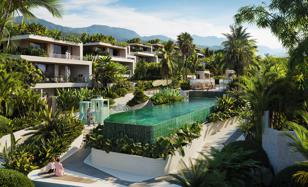
From $351,000
Completion in: 2029.I 37 units in total
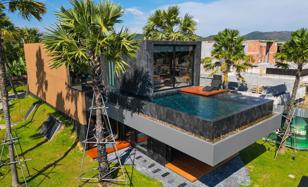
 From $593,000
Completion in: 2027.II 37 units in total
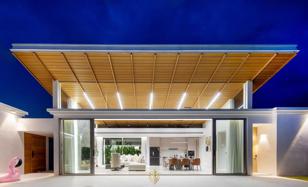
 From $1,238,000
Built in 2026 45 units in total
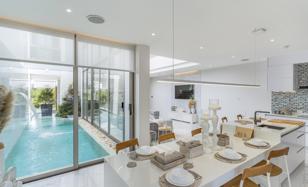
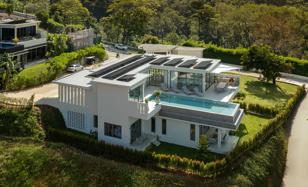
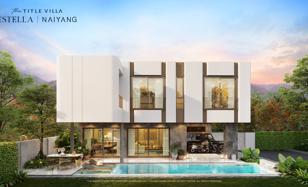 From $668,000
Completion in: 2027.III 26 units in total
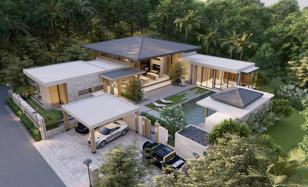 From $953,000
Built in 2024 21 units in total
Phuket Is One of the Best Places to Invest in Real Estate in 2025
Low taxes, high returns, a strong national currency, excellent climate, and developed infrastructure all attract foreign investors to Phuket. The island has relatively low barriers to entry in the property market (from 100,000 US dollars). A high rental yield of at least 7% per annum is underpinned by a stable tourism market, and during the construction period, which on average lasts 2 years, you can earn up to 30% through capital appreciation. Increasingly, investors see Phuket as a place to invest and preserve their capital, not just as a popular tropical resort.
We will send you a content digest not more than once a week