Buying and registering property in Italy
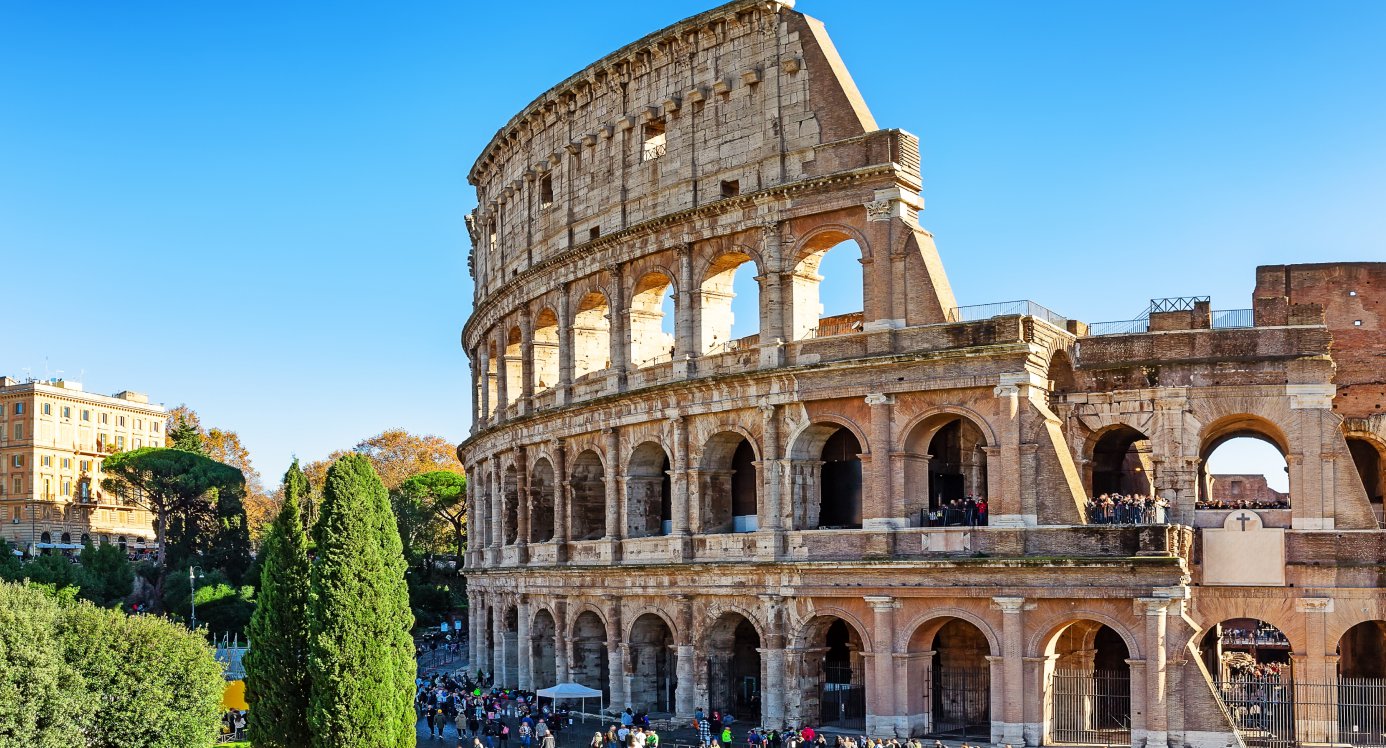
Buying property in Italy is not only a way to get a home in one of the most beautiful countries in Europe, but also a profitable investment in a stable market with high rental demand and affordable property maintenance costs. In 2025, Italy remains open to foreign buyers: you can buy a house here for recreation, as well as for permanent residence or income generation.
Advantages of buying a property in Italy
- Openness to foreign buyers
Italy does not restrict the purchase of real estate for citizens of most countries, including the United States, the United Arab Emirates, the United Kingdom and Canada (if there is a reciprocity agreement). This simplifies the purchase process and makes it accessible for many foreign investors. - Affordable prices compared to other European countries
The cost of real estate in Italy remains one of the lowest in Western Europe. Prices are especially favorable in the southern regions, in the mountains, and rural areas. Even in popular tourist areas, you can find quality accommodation at a reasonable price. - Low taxes on ownership
In most cases, the annual property tax in Italy (IMU) is not levied on the first home, and for the second property it amounts to a relatively moderate amount. The costs of maintaining real estate (utilities, insurance, maintenance) are also relatively low. - The possibility of generating rental income
Italy is one of the most popular destinations for tourism in the world. Short-term and long-term rentals can bring stable income, especially in regions with developed tourist infrastructure: Tuscany, Liguria, Lake Como and Lake Garda, the Amalfi coast. - Rich cultural and natural environment
Buying a property in Italy is a lifestyle investment. It has a mild climate, unique architecture, fine cuisine, wineries, seaside resorts, the Alps, as well as high-quality products and healthcare. - Prospects for obtaining permanent residence and residence permit
Real estate by itself does not grant the right to residency, but it helps to substantiate financial viability when applying for a residence permit for financially independent persons, and also allows you to comfortably live on a type D visa.
The main stages of buying a property in Italy
The process of buying real estate in Italy has a number of features that are important for a foreign buyer to consider. The transaction takes place in several stages — from obtaining a tax number to signing a final contract with a notary and registering ownership rights.
Choosing a property
When choosing a plot of land, it should be borne in mind that in Italy it is difficult to obtain a building permit, especially in ancient cities or protected natural areas. In some regions, for example, in Liguria or in the area of Lake Como (Lombardy), there are few vacant areas for development. Before you start building on your site, you need to find out on what terms you can get a permit for redevelopment in the local municipality.
When choosing a property, the buyer must request from the seller or agent:
- an extract from the register (visura catastale);
- technical data sheet (planimetria);
- proof of ownership.
It is recommended to conduct a legal check through a lawyer or notary.
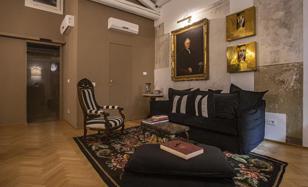 1,600,000 €
Total area 223 m² 4 bedrooms
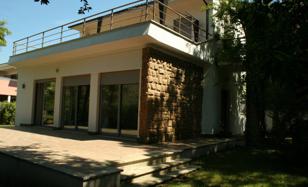 695,000 €
Total area 200 m² Land area: 700 m²
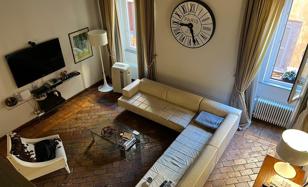 2,200,000 €
Total area 220 m² 3 bedrooms
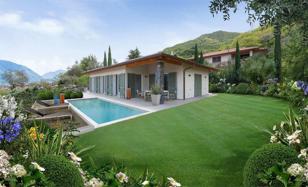 1,250,000 €
Total area 250 m² 3 bedrooms
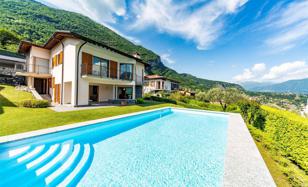
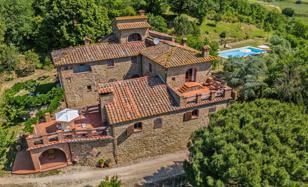 1,300,000 €
Total area 600 m² Land area: 180,000 m²
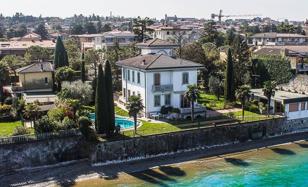 16,000,000 €
Total area 420 m² 6 bedrooms
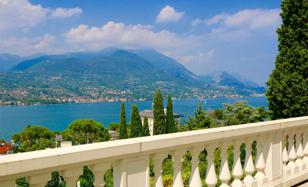 5,500,000 €
Total area 628 m² Land area: 2,300 m²
Getting an individual tax number
A potential buyer should receive an Italian tax number (codice fiscale), without which it is impossible to open a bank account and purchase real estate. The tax number can be obtained from Agenzia delle Entrate or through the Italian Consulate abroad.
Required documents:
- completed form AA4/8;
- a copy of a valid passport;
- documents confirming the purpose of the request (for example, a preliminary contract for the purchase and sale of real estate).
Opening an account
The buyer opens a checking account in an Italian bank. To do this, you will need a tax number and a foreign passport. About 500 euros should be deposited into the account immediately (the amount depends on the requirements of the specific bank).
Signing of a preliminary agreement (Contratto Preliminare / Compromesso)
The key terms of the transaction are recorded: price, terms, and composition of the object.
The buyer pays a deposit (usually 10–20% of the cost).
If the seller violates the contract, he returns the double deposit.
The seller and the buyer sign a preliminary agreement. This document specifies the exact details of the property, the timing of payments, the time of ownership and the guarantee of obtaining a mortgage loan. The agreement is drawn up in both Italian and the buyer’s native language (if needed). When signing the contract, the buyer pays a deposit (caparra) in the amount of 10–30% of the value of the property. If he refuses the deal after that, he will lose this amount. If the seller changes his mind, he must return the deposit in double amount to the buyer. The buyer also pays the agency fee.
Signing of the final purchase and sale agreement
The buyer pays the rest of the amount. The final agreement (contratto notarile di compravendita or atto notarile) is signed at the notary’s office 1–3 months after signing the preliminary agreement. This document is accompanied by appendices — technical documentation (servetutte) and energy certificate (certificazione energetica). The notary ensures that all documents are executed in accordance with the laws. He must also, as required by anti-mafia legislation, notify the local police within 48 hours about the change of owner.
The notary submits the documents to the state register (Catasto e Conservatoria), and the property officially passes to the buyer.
Getting the reception and transmission certificate
There is also an acceptance certificate, but its signing is not mandatory. The new homeowner must contact the city administration within 24 hours of signing the contract and declare himself as the owner. Then a part of the government’s real estate services is automatically transferred to it. The new owner needs to take readings of electricity, gas, and water meters and contact the administration to conclude new contracts. These concerns are often taken over by a real estate agency.
Required documents
- international passport;
- marriage or divorce certificates (if any);
- preliminary real estate purchase and sale agreement;
- personal income tax for the last two years and salary data for the last three months;
- employment contract (for employees);
- articles of association and balance sheets for the last three years (for businessmen);
- bank account statement for the last three months;
- confirmation of additional income (rental of housing or bank deposits);
- certificate of ownership of real estate and utility bills (for citizens of non-EU countries);
- calculation table for repayment of all available loans (if any), tax returns.
- Codice Fiscale (Italian tax number).
All documents must be apostilled and translated into Italian by a sworn translator.
Taxes and fees
Buyers purchasing secondary real estate pay a fixed registration fee (imposta di registro or tassa di registro). The tax rate on secondary properties for the main place of residence is 2%. Buyers of second homes pay at a rate of 9%.
Notary fees — 1–2% of the cost of the property. This amount includes cadastral tax (imposta catastale) and mortgage payment (imposta ipotecaria) — 50 or 200 euros each, depending on the residence permit of the buyer, state duty (imposta di bollo) — 230 euros, property tax (tassa archivio notarile) — 24.71 euros, tax for entry into the state register (trascrizione e voltura) — 90 euros and notary’s work — about 1–2.5% (with a property value of 300 thousand to 1 million euros, the fee is 5–7 thousand euros).
VAT (Imposta sul Valore Aggiunto, IVA) at a rate of 4% is paid by those who purchase primary real estate for their main place of residence, at a rate of 10% — by those who buy a cottage from the developer. When buying a second premium class home, VAT is paid at a rate of 22%. To acquire a house or apartment in Italy for permanent residence, you will need to obtain a residence permit within 18 months from the date of purchase.
New-Build Property | Resale Property | |||
Primary Residence | Second Home | Primary Residence | Second Home | |
Registration Fee | €200 | €200 | 2% | 9% |
Cadastral Tax | €200 | €200 | €50 | €50 |
Mortgage Tax | €200 | €200 | €50 | €50 |
VAT | 4% | 10% or 22% | — | — |
Additional costs: the services of a geometer, translator and lawyer can range from 1,500 to 5,000 euros.
It is mandatory to insure housing only if it is purchased on credit. Insurance costs from 350 to 500 euros per year.
The rights and obligations of the property owner
Buying property in Italy gives the foreign owner all the same property rights as the citizens of the country. At the same time, the owner is obliged to comply with local laws, pay taxes, and keep the property in good condition.
The rights of the property owner
- Full ownership rights
A foreigner who has bought a property becomes its rightful owner with the right to use, lease, sell, donate, and inherit it.
- The right to rent and income
The owner can rent out the property on a short- or long-term basis either independently or through a management company.
- Inheritance
Real estate can be transferred by will or by law. Heirs (including non-residents) can take ownership of the property.
- The right to protection of property
The owner has the right to restrict access to his property, including through the courts, if someone violates his possession.
Obligations of the property owner
- Payment of taxes
The owner is required to pay annually: IMU (real estate tax) is not charged for the main home upon permanent registration, but is relevant for second homes and foreigners. TARI (garbage collection tax) — depends on the area and the number of registered residents. Other local fees depend on the region.
- Maintenance and repair of property
The owner is obliged to maintain the building and the surrounding area in a technically safe condition.
- Compliance with the rules of the condominium (if it is an apartment)
In apartment buildings, there are rules for managing shared ownership — they must be followed, as well as fees for servicing common parts of the building.
- Lease registration (if you are renting)
All lease agreements for a period of more than 30 days are subject to registration with the tax office (Agenzia delle Entrate). You have to pay a tax on rental income (usually 21% according to the cedolare secca system).
The most attractive regions of Italy
Italy is valued for its climate, cuisine, culture, and affordable real estate. Regions that combine tourist infrastructure and stable rental demand are particularly attractive to foreigners.
Liguria — The Italian Riviera with a view of Monaco
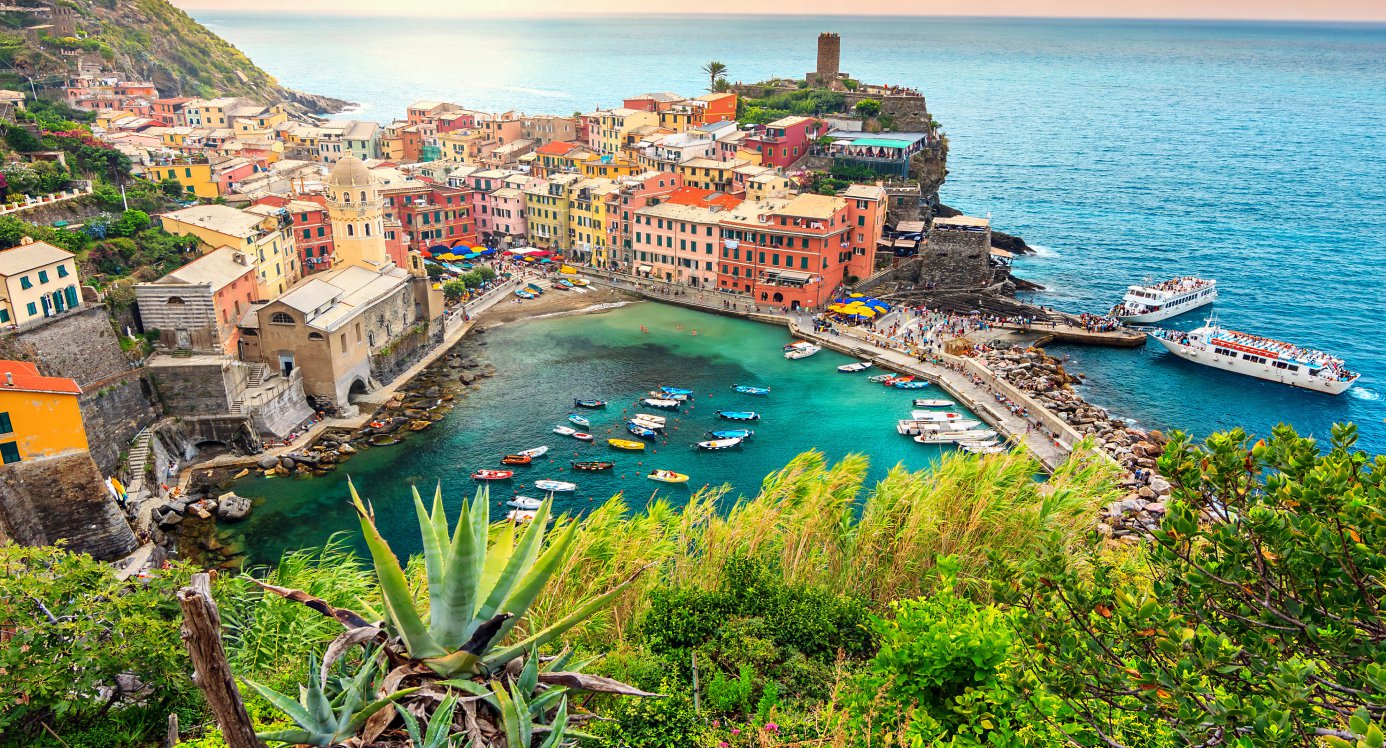
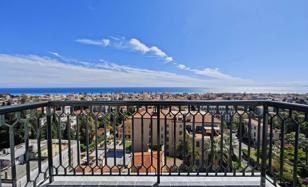
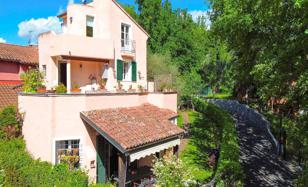
Liguria remains one of the most sought-after regions among foreigners due to its mild climate, proximity to the French Riviera, and high seasonal rental rates. The city of Sanremo is traditionally popular among English-speaking buyers: it has a well-developed infrastructure and a familiar environment. Property prices in coastal areas start from 3,500 euros per square metre.
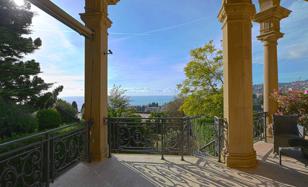 495,000 €
Total area 144 m² 2 bedrooms
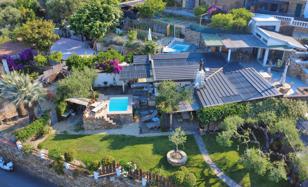 650,000 €
Total area 200 m² 3 bedrooms
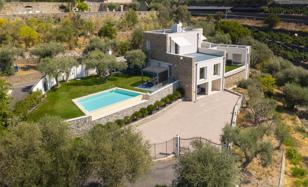 1,700,000 €
Total area 449 m² 3 bedrooms
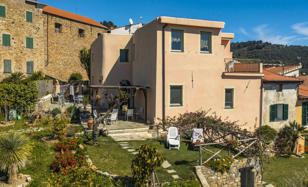 1,500,000 €
Total area 447 m² 4 bedrooms
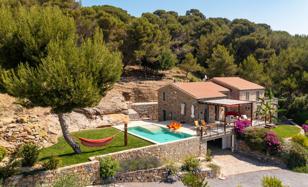 1,900,000 €
Total area 249 m² 3 bedrooms
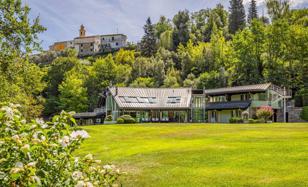 1,600,000 €
Total area 637 m² 5 bedrooms
 575,000 €
Total area 89 m² 1 bedroom
 530,000 €
Total area 218 m² 4 bedrooms
Tuscany — architecture, wineries, and landscapes
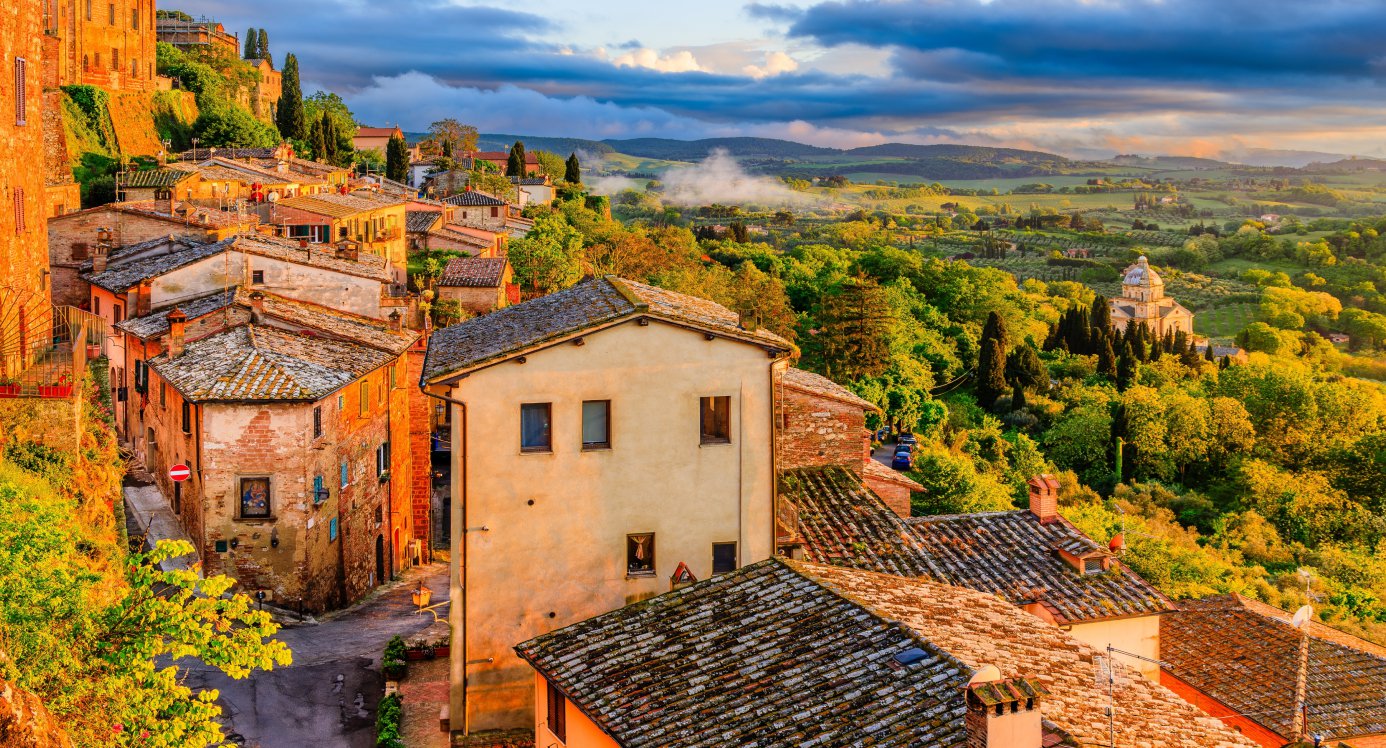
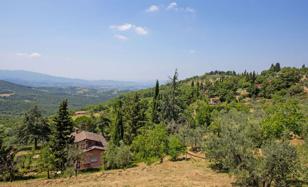
Tuscany is an ideal region for those who are looking for a home with the atmosphere of la dolce vita: ancient villas, vineyards, hills and a peaceful life. The cities of Florence, Siena and Lucca are known not only for their history, but also for their steady rental demand. Prices in rural areas start from 2,000 euros per square metre, near Florence — from 4,000 euros.
1,300,000 €
Total area 600 m² Land area: 180,000 m²
 1,100,000 €
Total area 430 m² 4 bedrooms
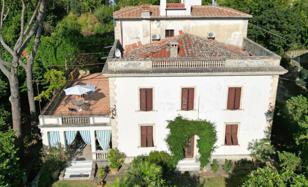 720,000 €
Total area 380 m² 5 bedrooms
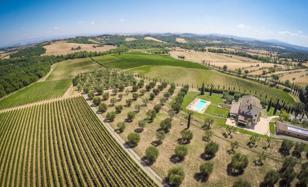 12,000,000 €
Land area: 4,600 m² 13 bedrooms
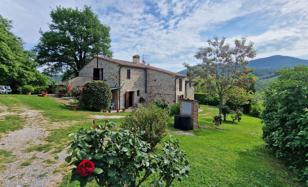 1,050,000 €
Total area 350 m² 5 bedrooms
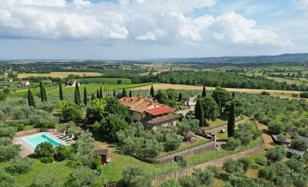 3,000,000 €
Total area 597 m² 9 bedrooms
 980,000 €
Total area 340 m² 5 bedrooms
 28,000,000 €
Land area: 2,745 m² 12 bedrooms
Rome and the Lazio region — investments in the eternal city
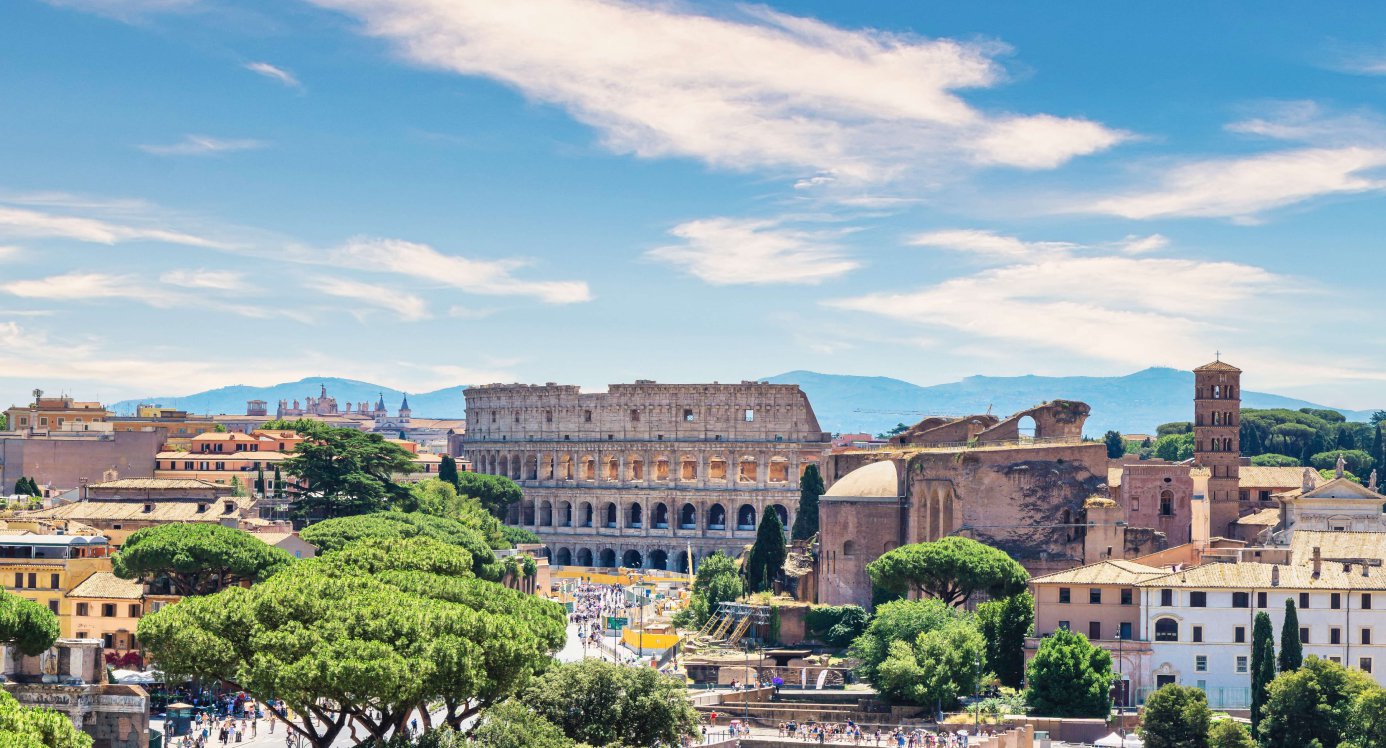
Rome offers a wide range of facilities, from small studios to historic palazzi. The Italian capital attracts investors with stable rental demand, a high flow of tourists, and ample rental opportunities. Average prices in the central areas range from 4,000 to 7,000 euros per square metre.
2,200,000 €
Total area 220 m² 3 bedrooms
 2,950,000 €
Total area 440 m² Land area: 600 m²
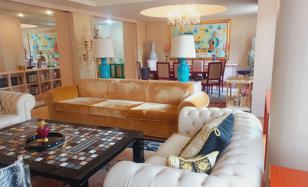 1,950,000 €
Total area 210 m² Land area: 198 m²
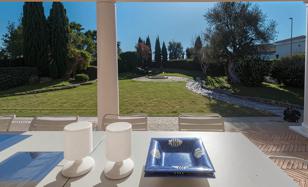 2,950,000 €
Total area 460 m² Land area: 1,700 m²
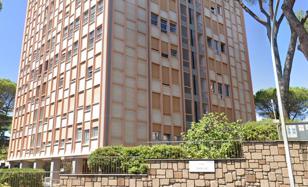 630,000 €
Total area 100 m² 2 bedrooms
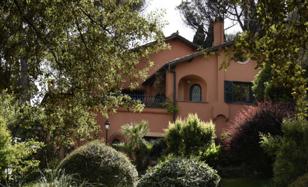 8,000,000 €
9 bedrooms 10 bathrooms
 1,200,000 €
Total area 130 m² 3 bedrooms
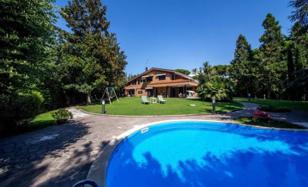 1,295,000 €
Total area 680 m² Land area: 3,500 m²
Lombardy and Lake Como — prestige, nature and the border with Switzerland
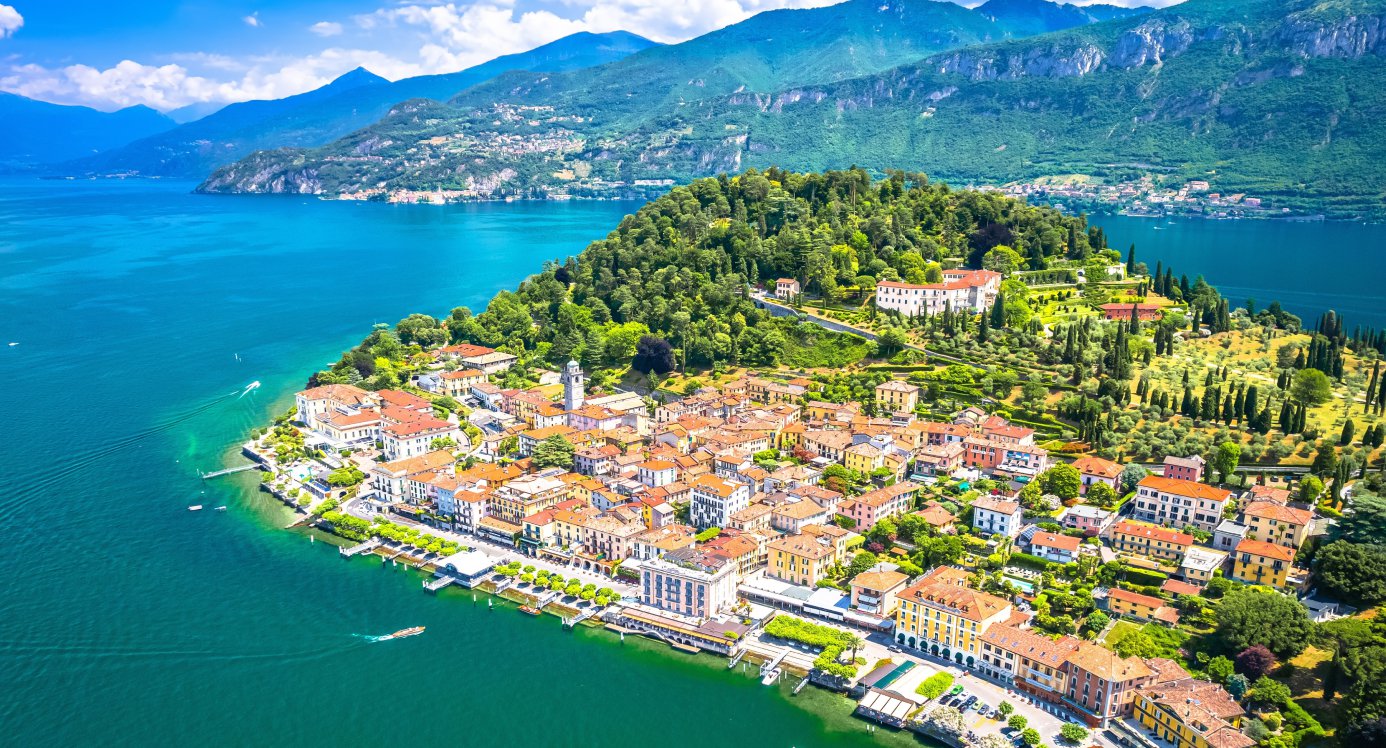
The Lombardy region, and especially Lake Como, is associated with premium real estate. Here they buy villas and apartments for recreation and status. Locations like Menaggio or Varenna are attractive due to their proximity to Milan and picturesque nature. The cost of housing starts from 5,000 euros per square metre and above.
1,250,000 €
Total area 250 m² 3 bedrooms
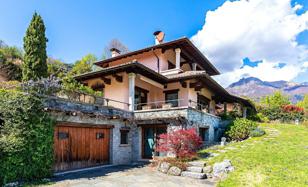 1,900,000 €
Total area 187 m² Land area: 1,429 m²
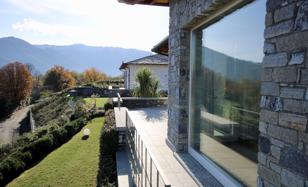 4,400,000 €
Total area 300 m² Land area: 900 m²
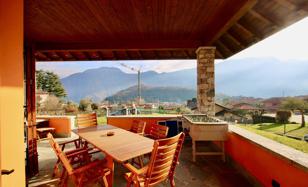 1,080,000 €
Total area 250 m² Land area: 1,800 m²
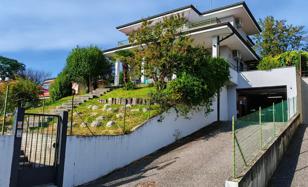 760,000 €
Total area 240 m² Land area: 900 m²
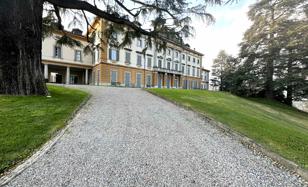 1,500,000 €
Total area 200 m² Land area: 1,000 m²
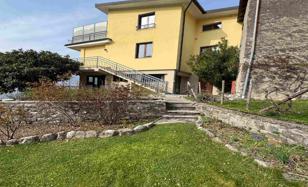 577,000 €
Total area 275 m² Land area: 400 m²
Apulia — sea at an affordable price
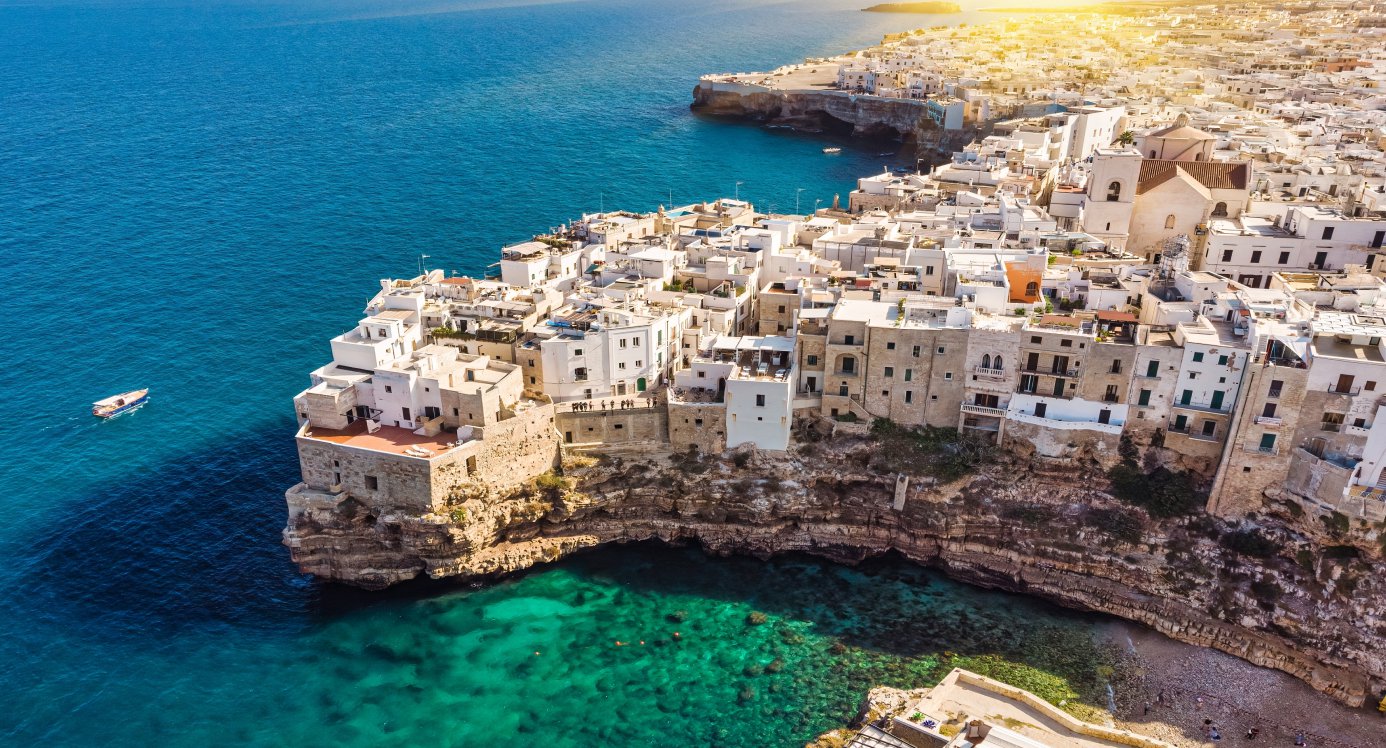
In the south-east of Italy, foreigners are increasingly choosing Apulia: the warm sea, colorful white towns, and prices starting from 1,200 euros per square metre make the region ideal for an inexpensive purchase. Ostuni and Polignano a Mare are especially popular with those who are looking for vacation or summer rental housing.
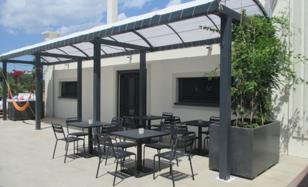 1,390,000 €
Total area 170 m² Land area: 3,700 m²
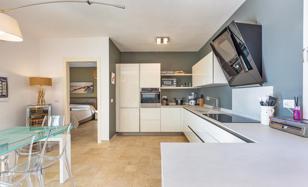 Price on request
Total area 125 m² 2 bathrooms
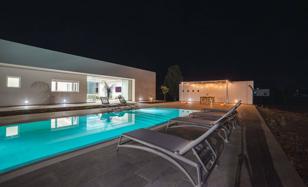 890,000 €
Total area 270 m² 3 bathrooms
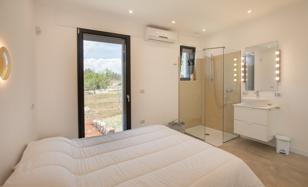 Price on request
Total area 160 m² 7 bathrooms
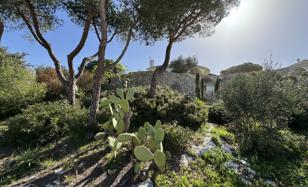 Price on request
Total area 200 m² 2 bathrooms
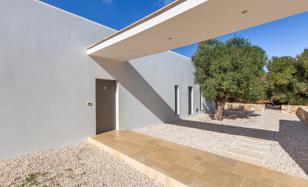 1,190,000 €
Total area 240 m² 4 bathrooms
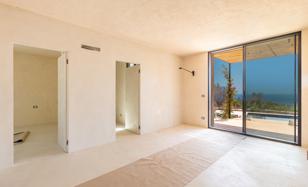 Price on request
Total area 140 m² 3 bathrooms
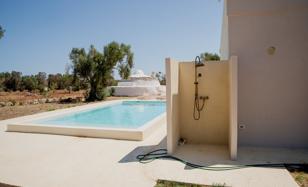 715,000 €
Total area 216 m² 5 bathrooms
Sicily and Calabria
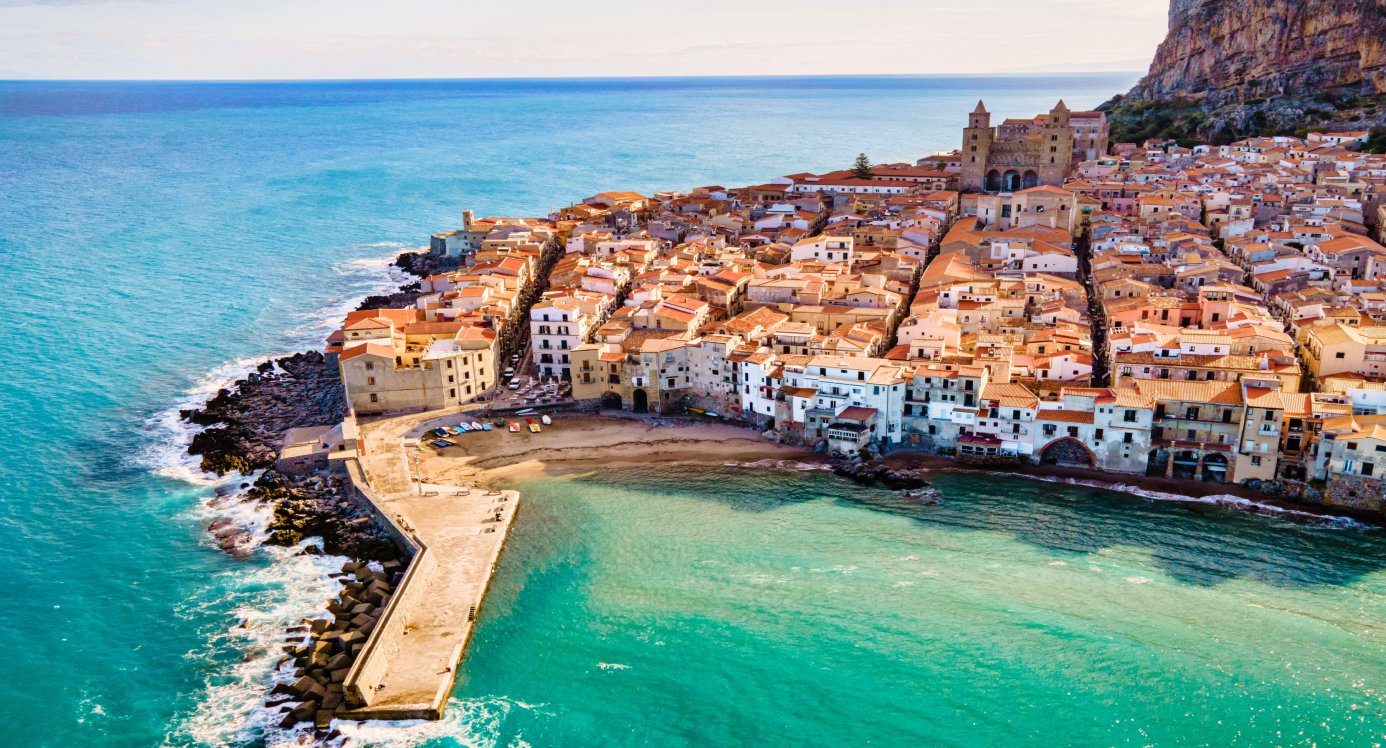
The south of Italy remains the most affordable: in the villages of Sicily and Calabria, there are still programmes for selling houses for a nominal fee — subject to renovation. Cefalu and Tropea are more touristic locations, where prices are higher (from 1,500 to 2,500 euros per square metre), but at the same time the investment attractiveness remains.
1,600,000 €
Total area 223 m² 4 bedrooms
 800,000 €
Total area 295 m² Land area: 1,300 m²
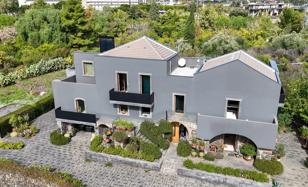 Price on request
Total area 550 m² Land area: 15,300 m²
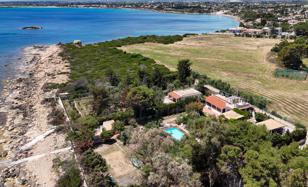 1,049,000 €
Total area 200 m² Land area: 2,900 m²
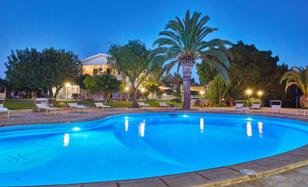 1,200,000 €
Total area 850 m² Land area: 10,000 m²
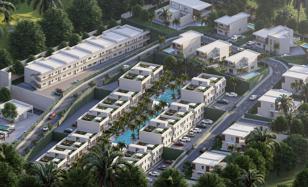 190,000 €
Total area 80 m² Land area: 80 m²
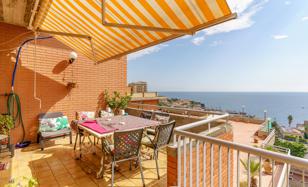 580,000 €
Total area 350 m² 3 bedrooms
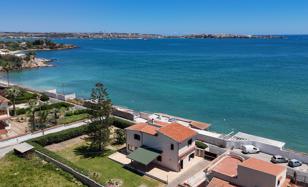 650,000 €
Total area 230 m² Land area: 1,340 m²
Umbria and Marche — a quiet alternative to Tuscany
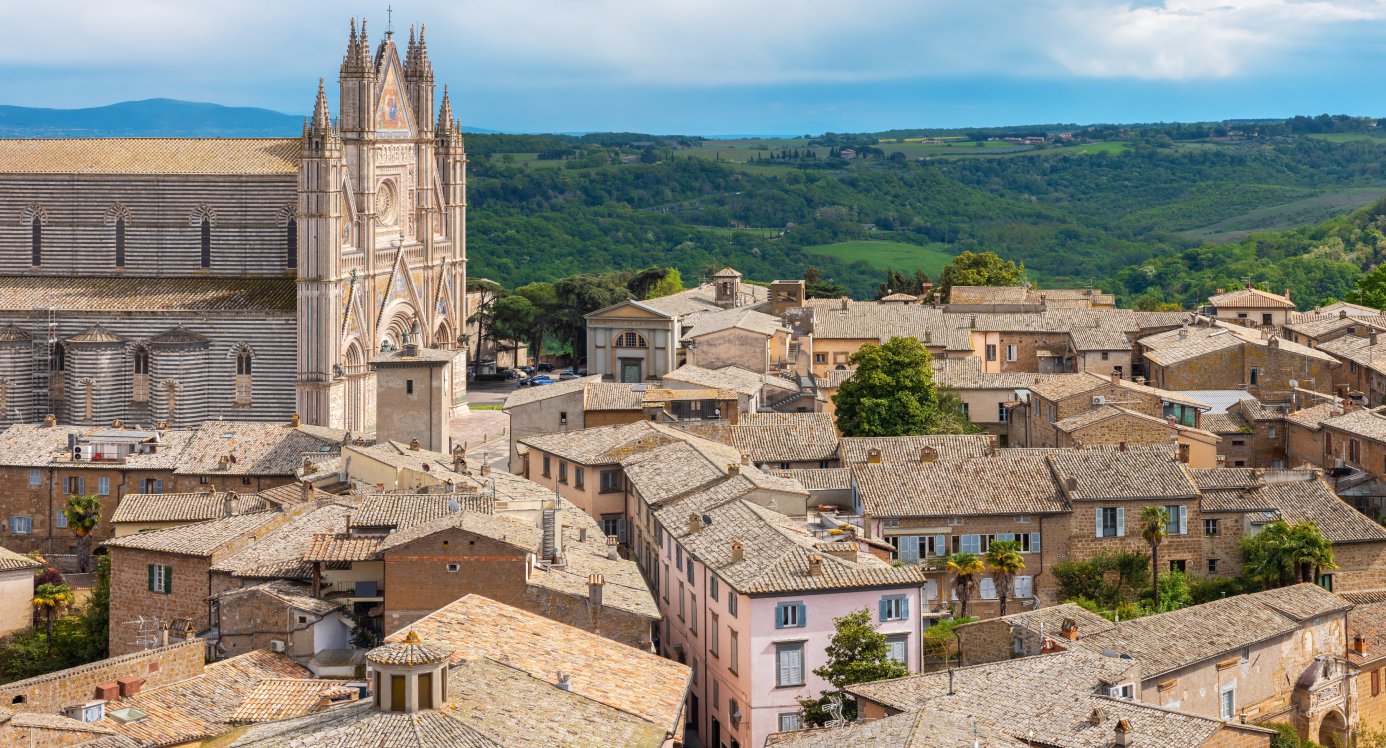
These regions attract buyers who like the Tuscan aesthetic, but who want to avoid the tourist rush and purchase housing at more affordable prices. There are many rural properties here that can be turned into a country residence or an agrotouristic facility. Prices start from 800 euros per square metre.
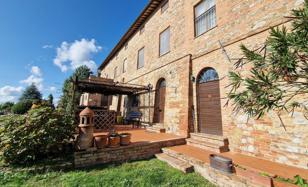 2,500,000 €
Land area: 750 m² 7 bedrooms
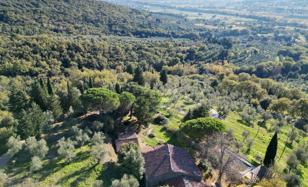 1,000,000 €
Total area 400 m² 5 bedrooms
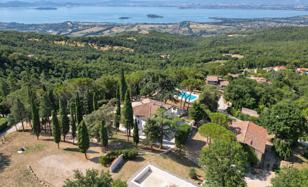 4,200,000 €
Total area 890 m² 8 bedrooms
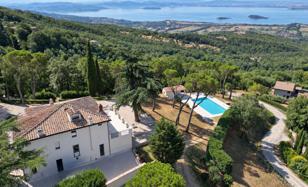 2,400,000 €
Total area 415 m² 5 bedrooms
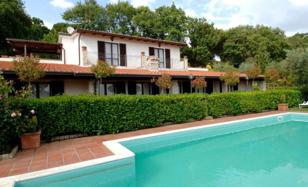 1,300,000 €
Total area 778 m² 17 bedrooms
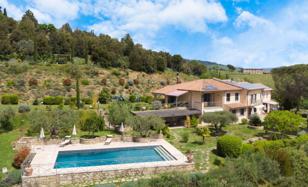 890,000 €
Total area 344 m² 6 bedrooms
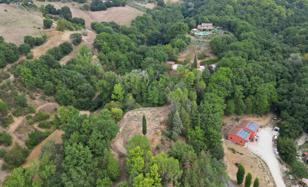 1,980,000 €
Total area 850 m² 7 bedrooms
 1,950,000 €
Total area 1,080 m² 6 bedrooms
What real estate in Italy is available for foreigners to buy
Residential real estate
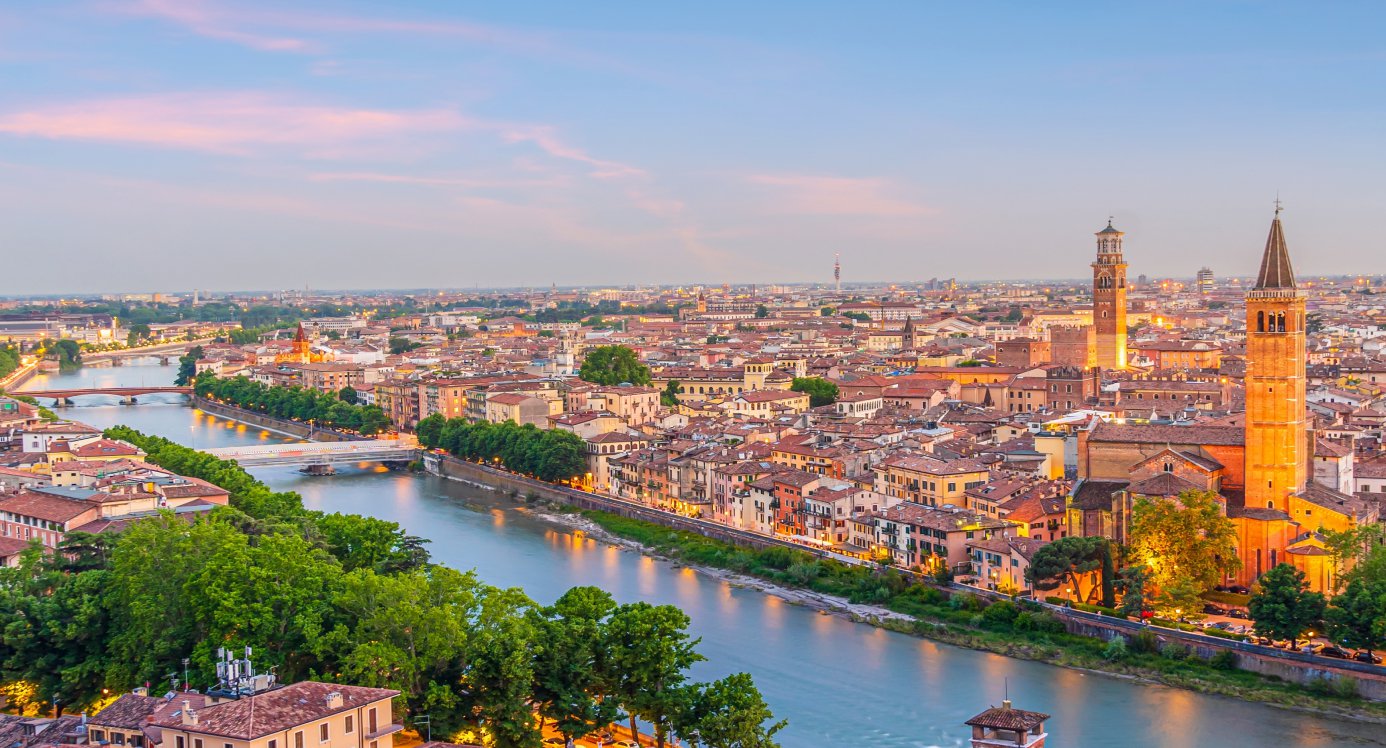
Foreigners can purchase any residential property in Italy without restrictions: apartments, townhouses, villas, and private houses. This can be either an object on the coast, or housing in the city centre or in rural areas. There are no restrictions on the area, number of floors or number of objects owned — you can buy one apartment or an entire apartment building.
Commercial real estate
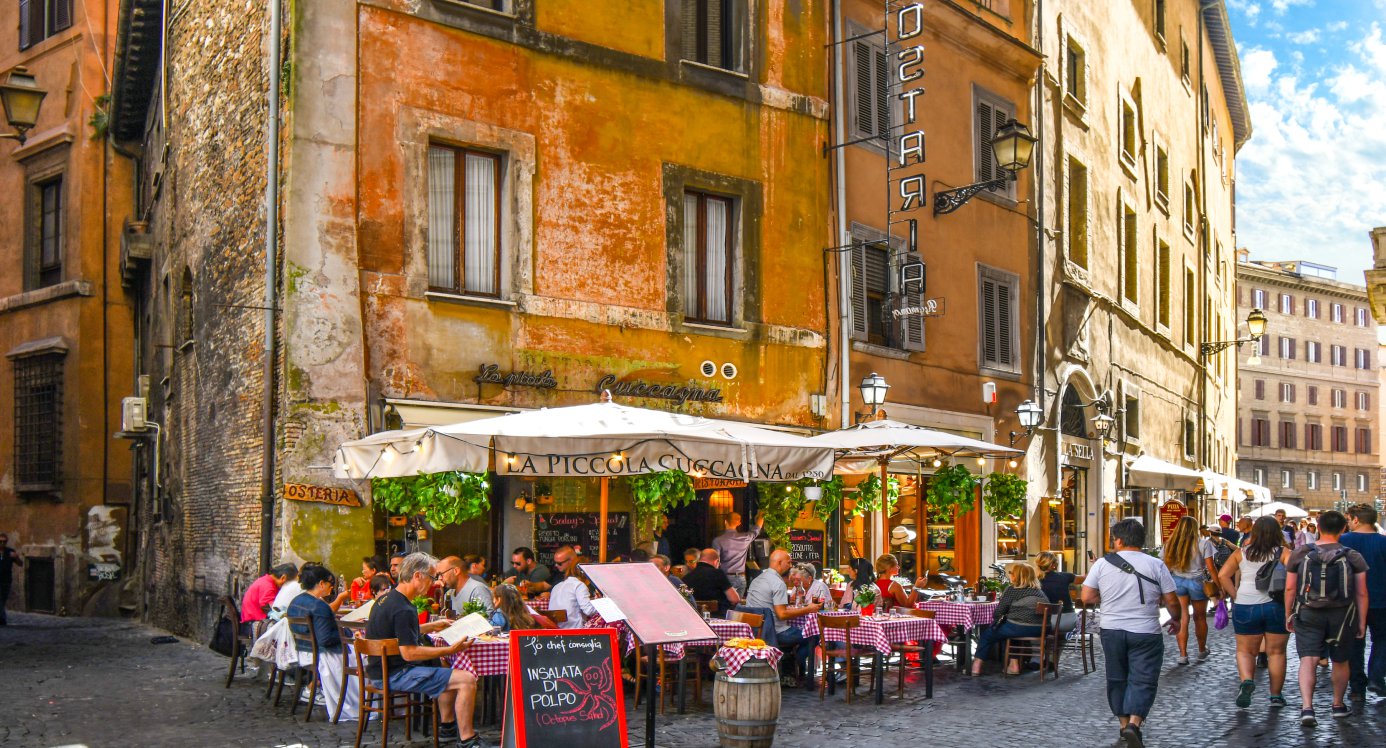
Available for purchase: shops, offices, hotels, restaurants, warehouses, industrial premises. Investors are particularly interested in properties with a tenant or the prospect of renting. Buying commercial real estate does not give you the right to a residence permit, but it allows you to earn rental income and potentially conduct business in Italy through a legal entity.
Rural real estate and land plots
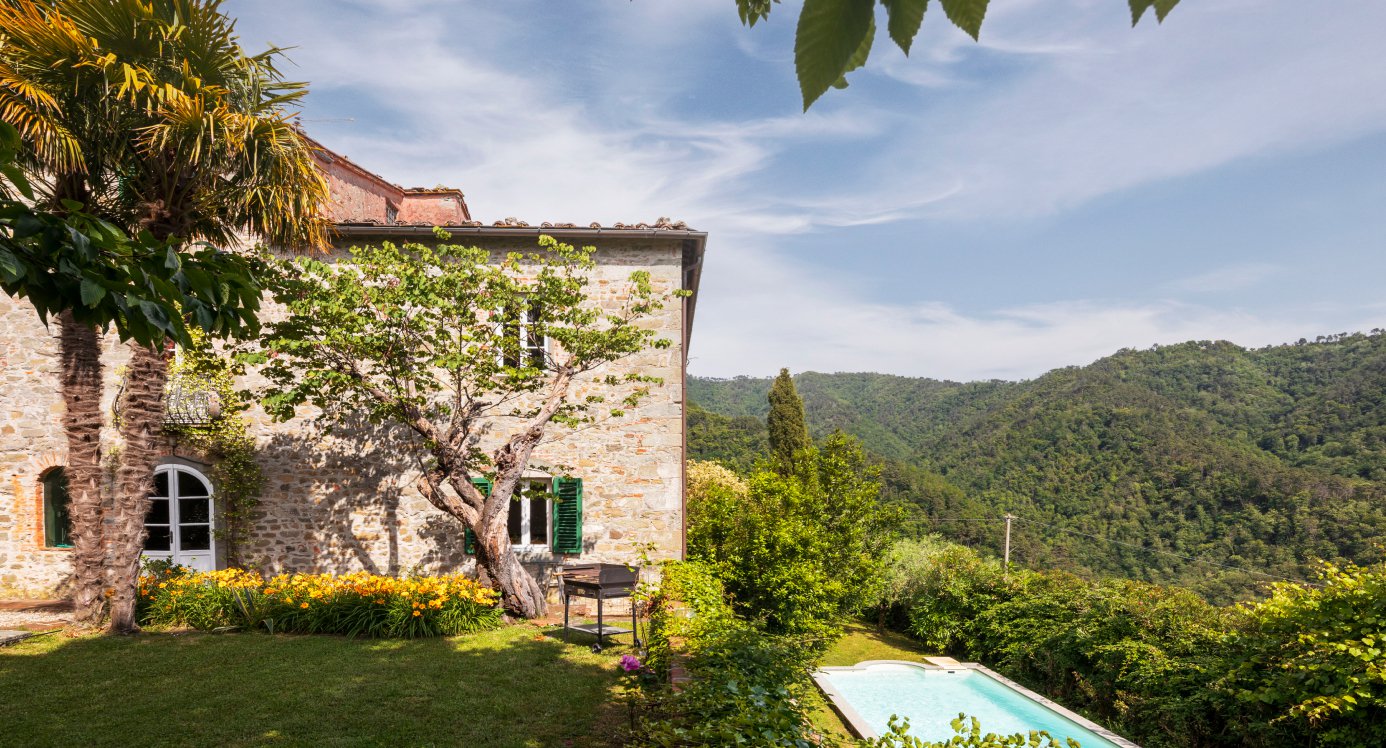
You can buy farmhouses (casale), wineries, lands with olive groves, as well as building plots. However, the purchase of land in protected natural areas, farmland, or historic areas may require approval from local authorities. It is also important to check whether the land is classified as restricted.
Historical objects
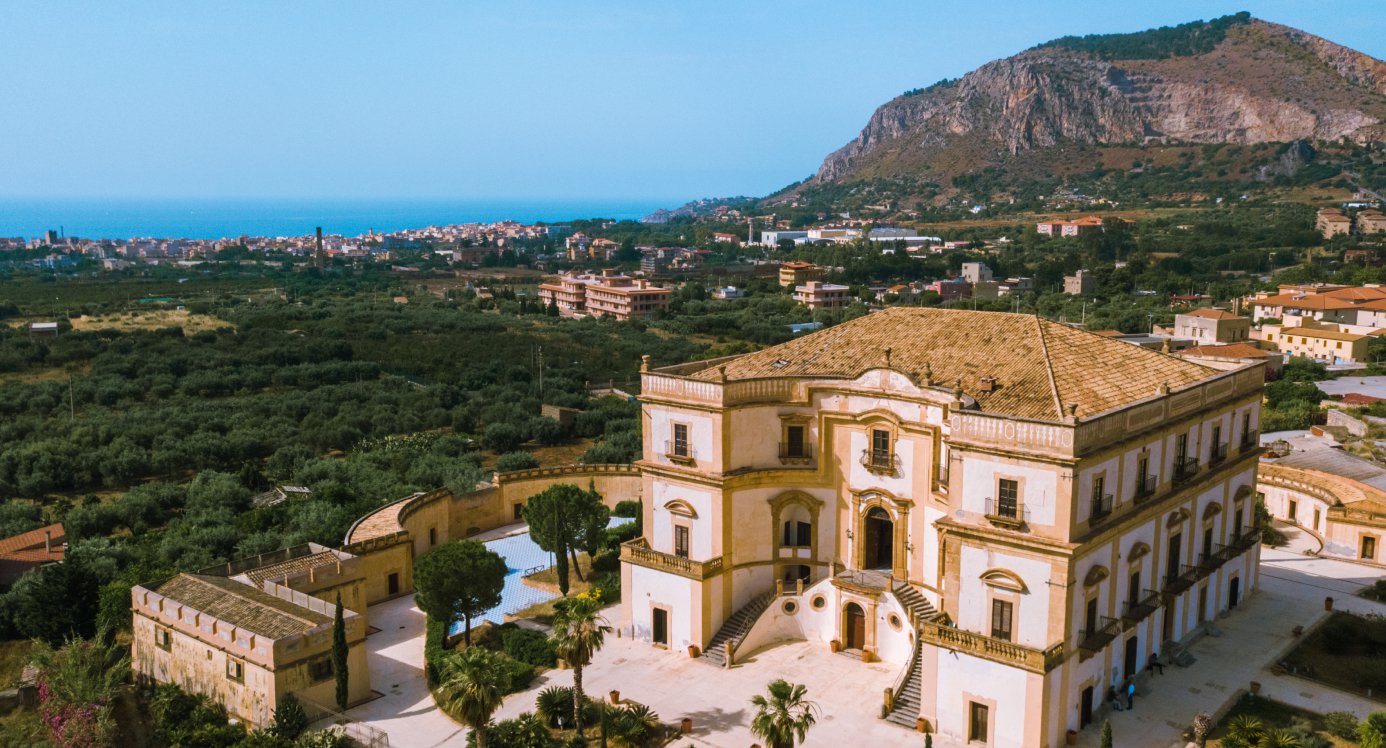
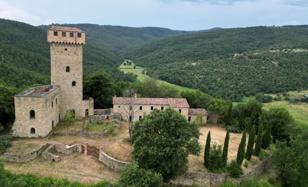
Foreigners are allowed to buy old villas, castles, and historic palazzi, even if they are under state protection. However, any work on the reconstruction of such facilities must be coordinated with the Office for the Protection of Cultural Heritage. In some cases, restrictions are imposed on redevelopment, facade changes, replacement of materials, etc.
We will send you a content digest not more than once a week
- Property Prices
- Buying and Registering
- Mortgage
- Residence
- Property Maintenance
- Taxes