Property Prices in Italy in 2026
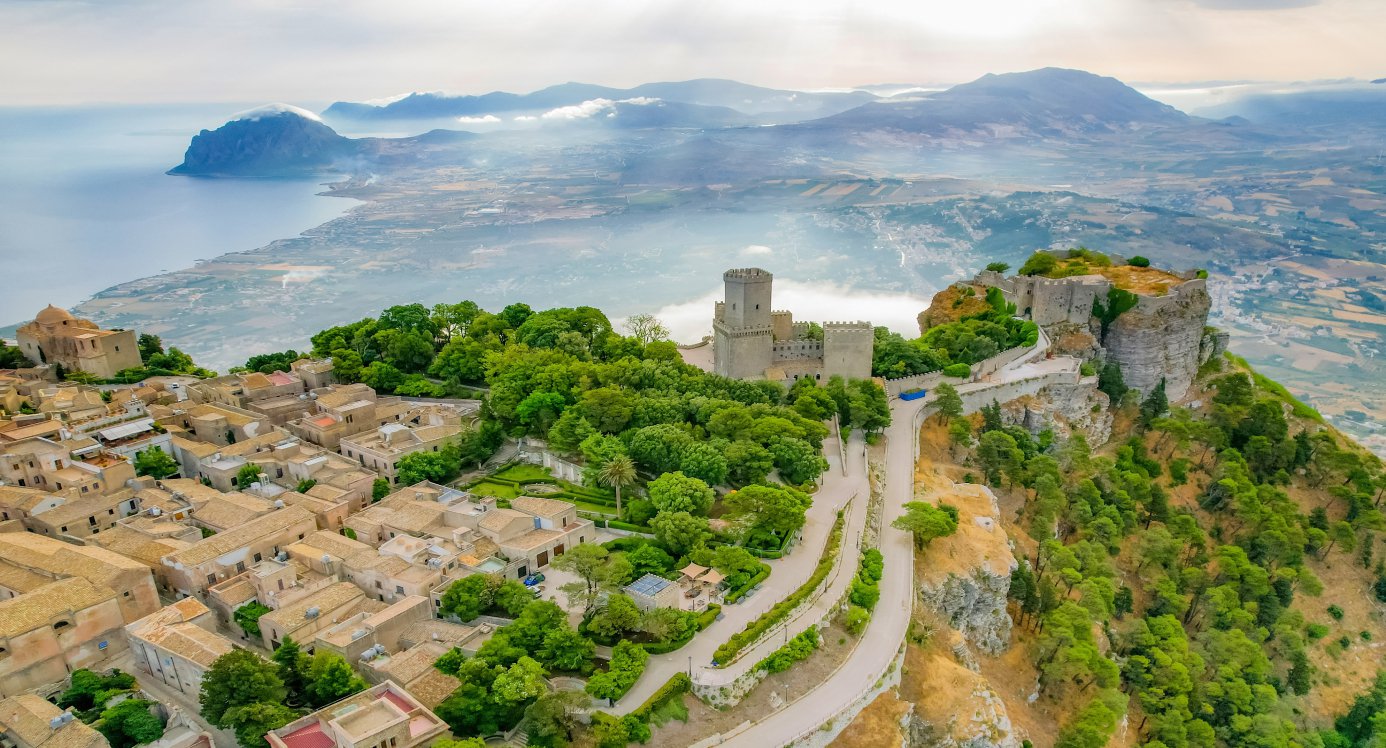
Real estate in Italy is not only an investment in square footage, but also in lifestyle, culture, and history. The Italian market remains relatively affordable compared to France or Spain: the average price per square metre in 2025 is about 2,099 euros, and in small towns and in the south it ranges from 800–1,200 euros per square metre.
COVID-19 has changed the behaviour of buyers: apartments with balconies, terraces, gardens and autonomous heating have become a priority, especially in small towns and rural areas. The main demands of investors were: space, fresh air, and distance from overcrowded areas.
The dynamics of the real estate market in Italy over 10 years
Over the past decade, the Italian real estate market has experienced both stagnation and periods of moderate growth, reflecting both domestic economic conditions and global crises.
2014–2016: Stagnation
For the first three years of the decade, the market experienced the effects of the debt crisis and previous recessions. Prices were declining, especially in the southern regions and on the islands. Buyers were cautious, and banks imposed high mortgage requirements. During this period, many foreign investors began to view Italy as a «market in waiting», which laid the foundation for future growth.
2017–2019: Stabilisation and cautious growth
Starting in 2017, prices began to rise gradually. Milan, Bologna, and Florence were particularly active, where the economy was more stable. Interest in the tourist regions (Tuscany, Umbria, Liguria) also began to grow, fueled by demand from buyers from the United States, Great Britain, France, and Germany. Many were looking for a «second home» or preparing a short-term rental property.
2020: COVID-19 and slowing growth
The pandemic paralysed the market in the second quarter of 2020. The number of transactions has dropped sharply, especially involving foreigners. However, since the middle of the year, a new trend has emerged — increased interest in houses with gardens, terraces, and space for remote work. Demand has especially increased in Tuscany, Lake Como, and Puglia.
2021–2023: Recovery and price rise
Prices in cities and resort areas went up. Interest from foreign investors revived, and Italians began to actively renovate or change their homes using government incentive programmes — in particular, Superbonus 110%, which allowed them to compensate up to 110% of the cost of housing renovation.
In 2023, prices continued to rise, but the pace began to decline. The European Central Bank has raised interest rates, making mortgages less affordable. However, interest in real estate did not fall: buyers sought to invest in «hard assets» against the background of inflation. In some provinces (Sicily, Calabria), the flow of applications for the «houses for 1 euro» programme increased, although the actual number of transactions remained limited.
2024–2025: Sustainability and new demand directions
Despite the global economic instability, the real estate market in Italy remains stable. Interest in the south of the country is growing: buyers are increasingly considering Puglia, Sicily, Basilicata as an alternative to Tuscany and Liguria. Energy—efficient buildings, terraces, and flexible layouts are a priority in cities. Foreigners continue to invest, especially in vacation and short-term rental housing.
The market is expected to continue moderate growth in 2025, especially in the segment of high-quality housing and real estate in tourist-attractive regions.
The cost of property in Italy
The main driver of price growth after 2021 was low mortgage rates and a post-bubble economic recovery, which dramatically energised the market. Since the end of 2022, the European Central Bank has begun to raise its key interest rate, which has made mortgages less affordable. This restrained the pace of price growth in 2023, but there was no major correction. In 2024, the market began to enter a stabilisation stage, especially in cities where prices had previously been rising rapidly. At the same time, regions that had been in the shadows for a long time — the south of Italy, the interior provinces — began to develop more actively, forming a new map of investment opportunities.
City/region | Cost per square metre in apartments | The cost of renting apartments per square metre |
Rome | €3,563 | €17.68 |
Milan | €5,481 | €22.58 |
Genoa | €4,577 | €17.3 |
Como | €2,930 | €15.07 |
Naples | €2,357 | €11.46 |
Abruzzo | €1,360 | €8.07 |
Basilicata | €1,309 | €7.47 |
Calabria | €948 | €7.4 |
Campania | €1,925 | €10.39 |
Emilia-Romagna | €2,047 | €13.36 |
Friuli-Venezia Giulia | €1,659 | €10.25 |
Lazio | €2,532 | €15 |
Liguria | €2,677 | €10.92 |
Lombardy | €2,570 | €18.64 |
Piedmont | €1,393 | €9.78 |
Apulia | €1,433 | €8.51 |
Sicily | €1,162 | €7.77 |
Tuscany | €2,559 | €15.42 |
Top regions by price growth
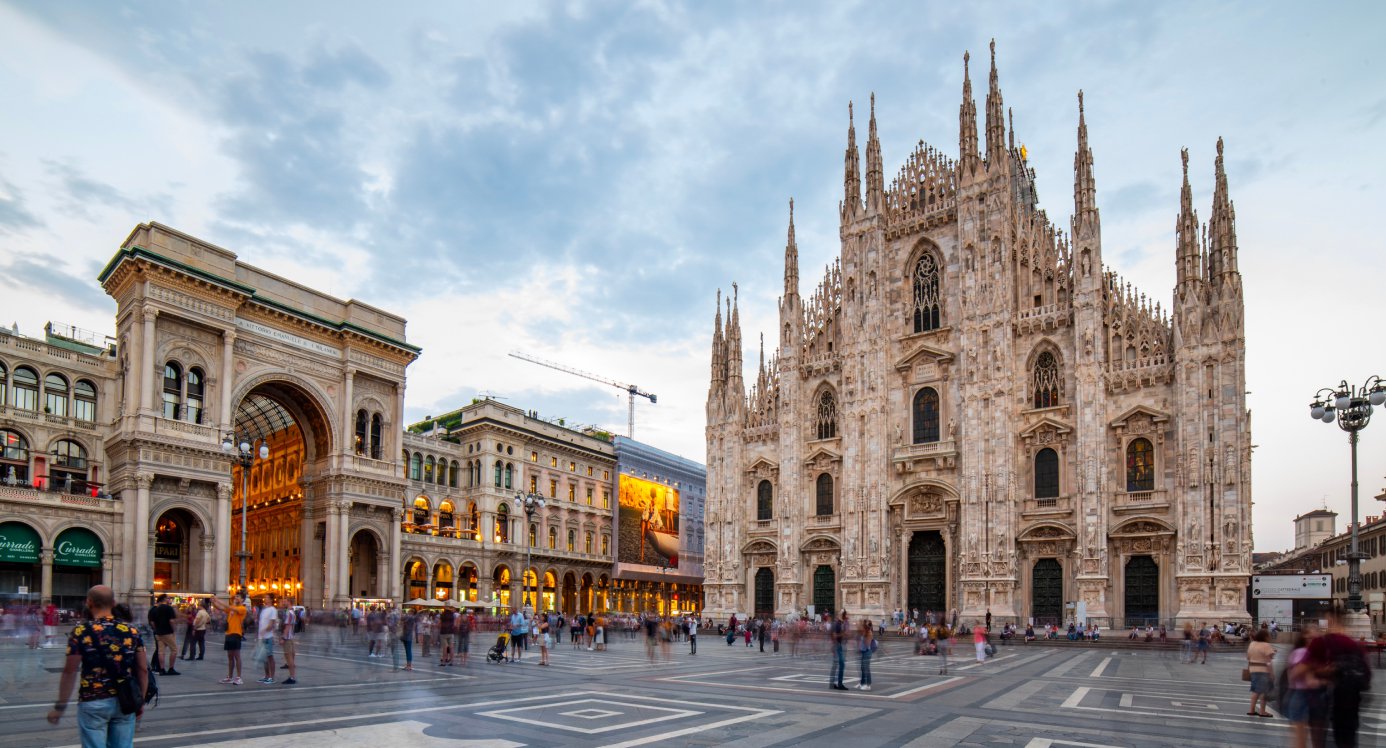
Milan has become the undisputed leader in house price growth in Italy over the past ten years — according to various estimates, the increase ranged from 35 to 40%. This is due to the high concentration of investments, infrastructure development, the increase in international events (such as Expo 2015 and preparations for the 2026 Winter Olympics), as well as the globalisation of the city. Milan is not only the economic capital of the country, but also the centre of fashion, design, high technology and university education, which makes it especially attractive to investors and tenants. It is here that one of the most active rental markets has emerged, including short-term rentals, and housing in new buildings is quickly being sold out despite the high price.
 Price on request
4 bedrooms
 Price on request
2 bedrooms
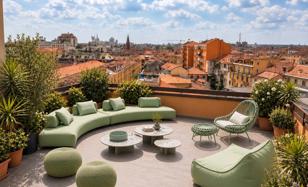 Price on request
4 bedrooms
 Price on request
4 bedrooms
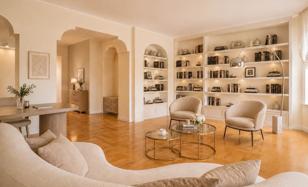 Price on request
4 bedrooms
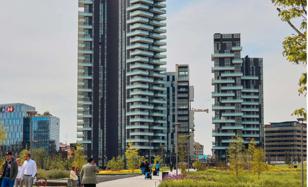 12,000,000 €
Total area 330 m² 4 bedrooms
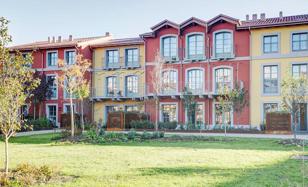
 Price on request
Total area 38 m² 1 bathroom
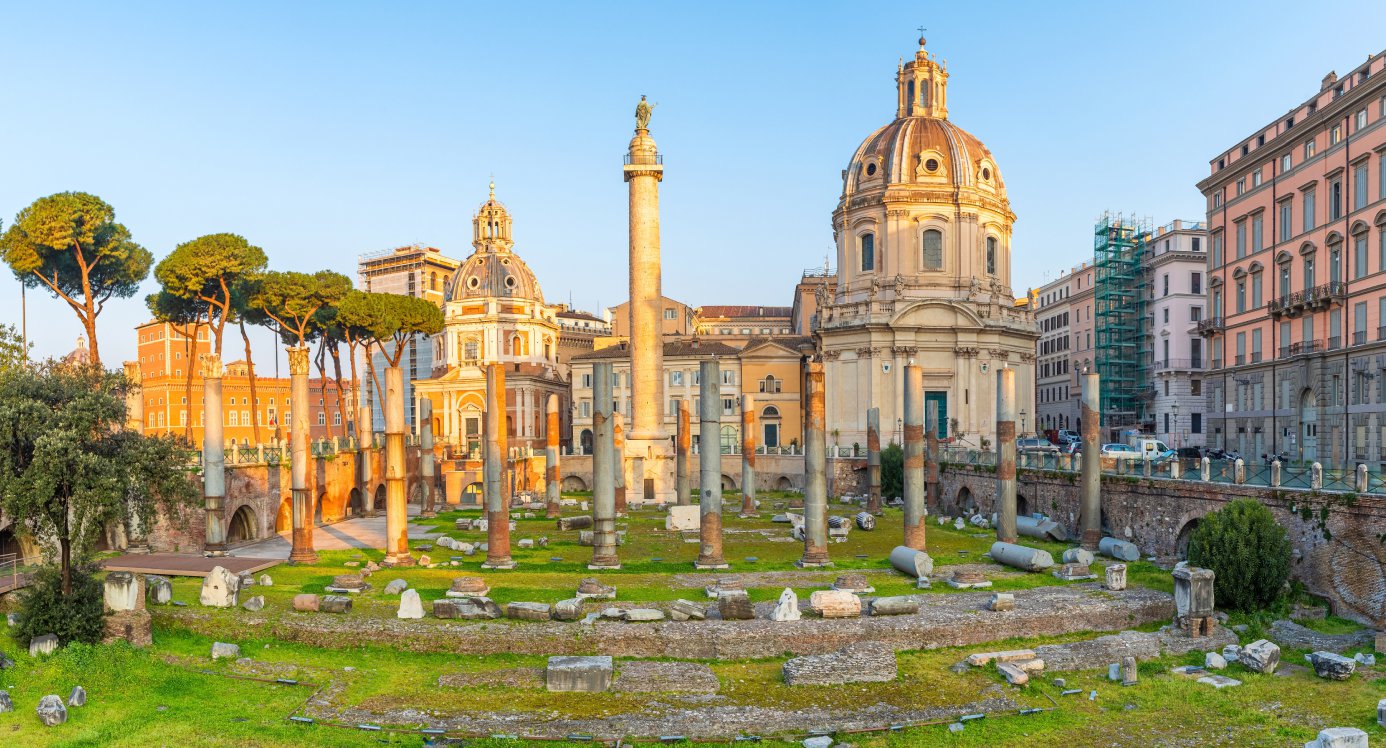
Rome, on the contrary, showed a much more restrained price increase — in the range of 10–15% per decade. The Italian capital remains a stable location with high tourist and cultural potential, but it is inferior to Milan in terms of economic growth, innovation and the speed of development. In addition, the large volume of old housing stock in historic areas requires significant investments in renovation. This reduces the attractiveness of Rome as an object of rapid investment returns, despite its strategic importance and status as a political centre.
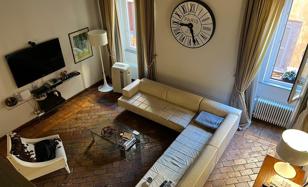 2,200,000 €
Total area 220 m² 3 bedrooms
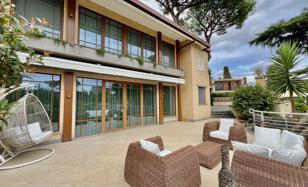 2,950,000 €
Total area 440 m² Land area: 600 m²
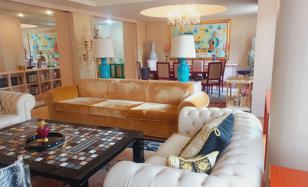 1,950,000 €
Total area 210 m² Land area: 198 m²
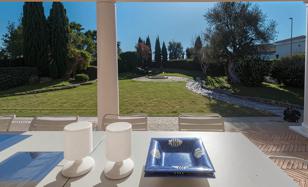 2,950,000 €
Total area 460 m² Land area: 1,700 m²
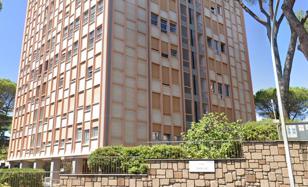 630,000 €
Total area 100 m² 2 bedrooms
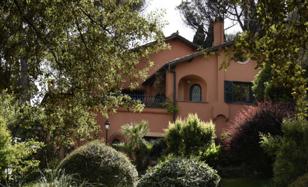 8,000,000 €
9 bedrooms 10 bathrooms
 1,200,000 €
Total area 130 m² 3 bedrooms
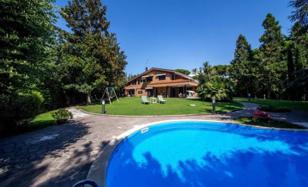 1,295,000 €
Total area 680 m² Land area: 3,500 m²
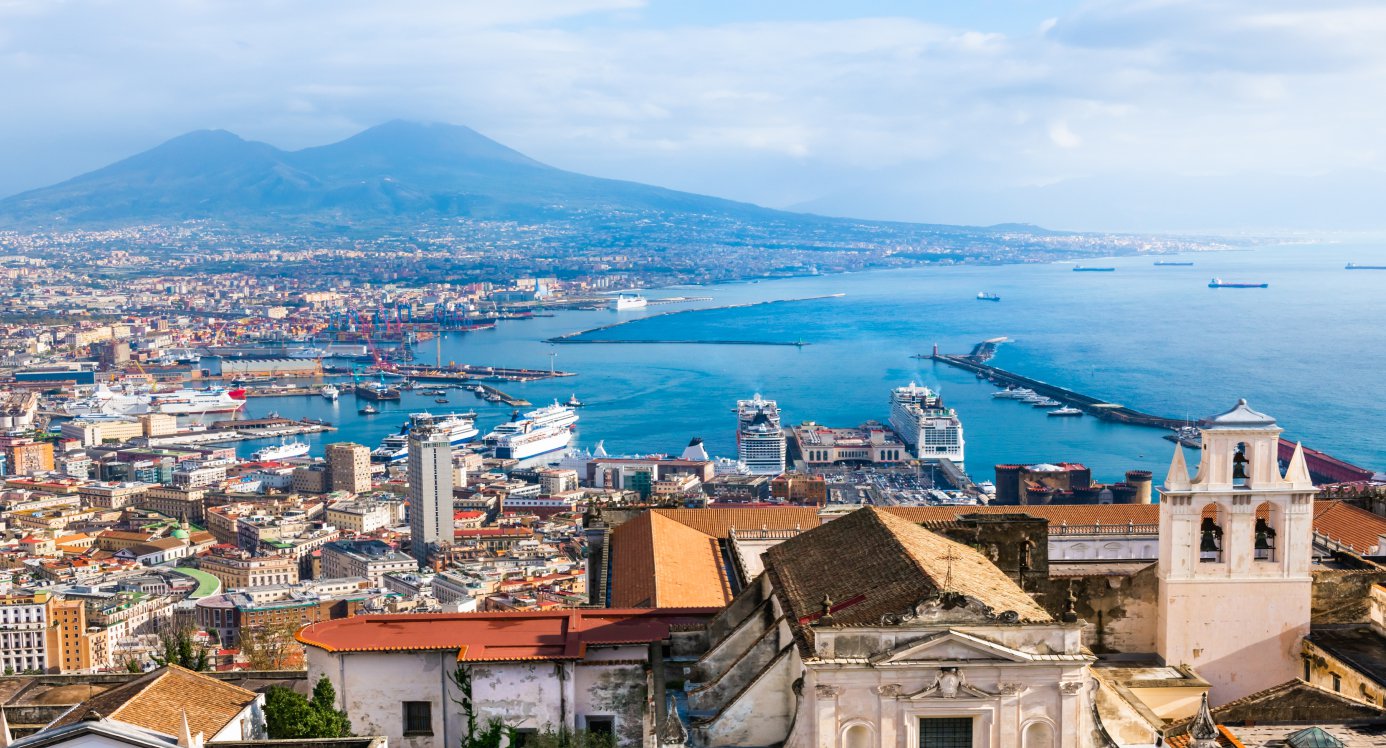
Naples, Turin and Bologna showed price increases ranging from 10 to 20%, depending on the area. Bologna has become attractive to investors due to its strong university environment, high quality of life and business development. Turin, being a former industrial centre, has been experiencing a second wind in recent years thanks to urban projects, cultural events and digital initiatives. Naples, despite many years of low investment activity, has attracted renewed attention due to more affordable prices and the growing interest in Southern Italy from foreign buyers and tourists.
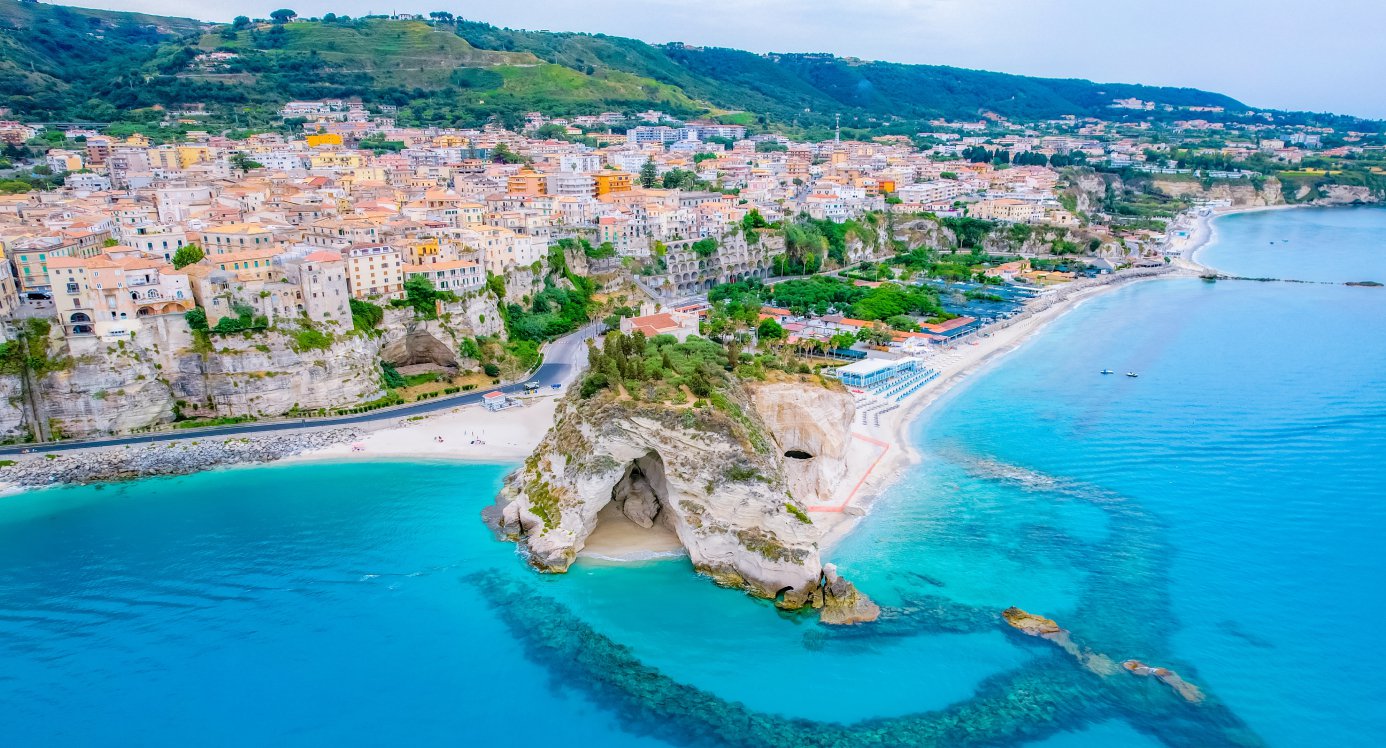
Southern regions such as Calabria and Basilicata have been stagnating for a long time or even showed price declines. However, in recent years, the situation has begun to change. Amid the growth of domestic tourism, village rehabilitation programmes, and the buzz around the "houses for 1 euro"scheme, demand for real estate in these regions has started to grow. Historical buildings in picturesque villages, which foreigners purchase for personal use, business or as creative projects, have become especially popular. Prices here are still low, which makes the region potentially profitable for those who are willing to invest in renovation.
Our regional experts will help you choose the right property for your investment goals and will accompany you at all stages of the transaction.
Contact us
We will send you a content digest not more than once a week
- Property Prices
- Buying and Registering
- Mortgage
- Residence
- Property Maintenance
- Taxes