Education in Greece in 2026
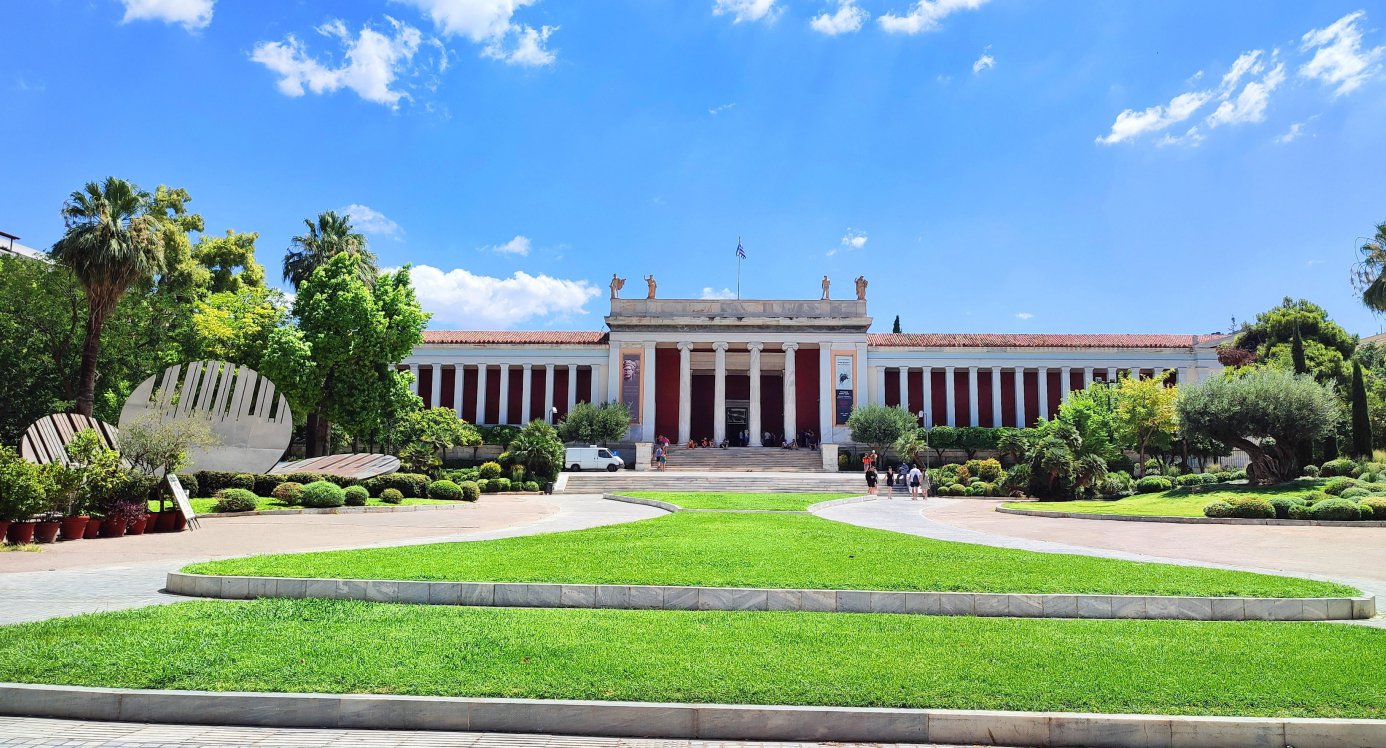
The Greek education system has three levels: primary, secondary and tertiary. Each level has two sublevels. A child of any nationality living in Greece must complete his/her primary education and the first grade of the secondary level. Tuition is provided free of charge in state schools.
Primary education in Greece
Most children start attending preschool two years before admission to primary school, between the ages of 4 and 6. For a child to be admitted to kindergarten, a small package of documents needs to be submitted: application for admission to the kindergarten, birth certificate, medical records containing proof of vaccination of the child, a certificate from the dentist and a document confirming the child’s residential or registered address. All documents must be translated into Greek.
The next level of education is primary education, which lasts for six years. To enrol a child in primary school, parents will have to submit the same package of documents as they did for the kindergarten, adding a certificate of attendance to kindergarten.
Foreign students can attend special Greek language classes after school, as well as other activities alongside, where knowledge of Greek is not required. The main goal of after-school activities is to integrate children into the learning process. If the number of pupils is insufficient to form groups, the school organises the after-school activities, providing up to 10 hours of extracurricular Greek language lessons per week.
Secondary education in Greece
Secondary education is also divided into two levels: middle school (gymnasium), and high school (general lyceum or vocational school). Each level lasts 3 years, while part-time study at a vocational school takes 4 years.
Usually, children are automatically enrolled in secondary school, unless his/her family has changed their place of residence. In this case, parents must provide the new school with a certificate of primary education and a document confirming the residence or registration address.
There are different types of secondary schools: religious, sports, music, special schools for children with disabilities, and even schools for adults who failed to complete secondary education in their adolescence.
Secondary schools use a 20-point grading system. To progress to the next grade, students need 10 points. A gymnasium graduate will receive a certificate that allows him/her to continue studies in a lyceum or vocational school where, in addition to general secondary education, students receive vocational training. Students sit for their exams at the end of each school year, and their final exams before graduation. After successfully passing the final exams, students are awarded a certificate of completion, which allows them to enter higher educational institutes.
From the 2024–2025 academic year, an Active Citizen Actions programme aimed at developing civic responsibility and social skills among students has been introduced in all grades of primary and secondary education.
International schools in Athens:
- ACS Athens (American Community Schools);
- ISA (International School Athens);
- Byron College (The British International School);
- St. Catherine’s British School;
- Lycée Franco-Hellénique Eugène Delacroix.
Higher education in Greece
Greece has 24 public universities. The former technological educational institutes (TEIs) have been integrated into universities.
Students do not have to take entrance exams in Greece. Admission is based on one’s high school results. Among the entrance requirements is a Greek language proficiency certificate, issued by the University of Athens, the University of Thessaloniki or a Greek language centre. Otherwise, applicants have to take an eight-month language course before entering university, which costs about 800 euros on average.
Successful applicants can obtain a student visa for their studies and travel within the Schengen area for up to 90 days in any 180-day period. Greek-language undergraduate programmes at public universities are generally tuition-free; English-language programmes with tuition fees are also available. Students can apply for scholarships and work part-time.
International students are entitled to free medical care and are eligible for free on-campus accommodation (of limited capacity). These benefits are for students only and not for language course attendees.
Many Greek universities issue a Diploma Supplement to graduates, which is a standardised description of studies completed in a format approved by the European Commission, the Council of Europe and UNESCO. This helps graduates get jobs in other European countries.
Top 3 Athens universities (QS World University Rankings 2025)
- National Technical University of Athens;
- National and Kapodistrian University of Athens;
- Athens University of Economics and Business.
We will send you a content digest not more than once a week