Education in Spain in 2026
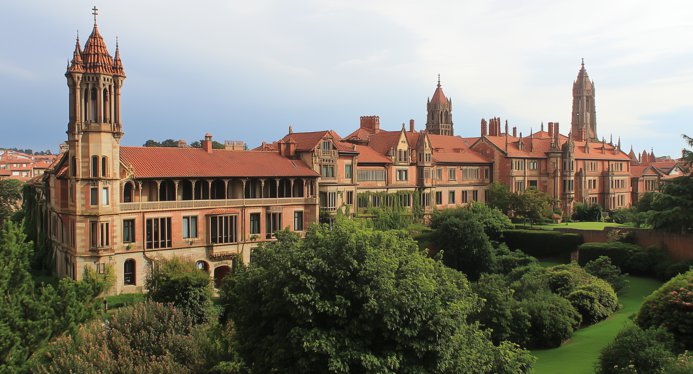
The education system in Spain meets the common European standards and is highly appreciated in the academic and professional environment around the world. The prospect of obtaining a Spanish education attracts applicants and their parents, including through the opportunity to obtain a Spanish residence permit through admission to educational institutions in the country. Graduates have employment prospects in top national and international companies, and the education also facilitates the student’s cultural integration.
The education system in Spain is divided into four stages:
- preschool education;
- primary education;
- secondary education;
- higher education.
Preschool education (Educación Infantil)
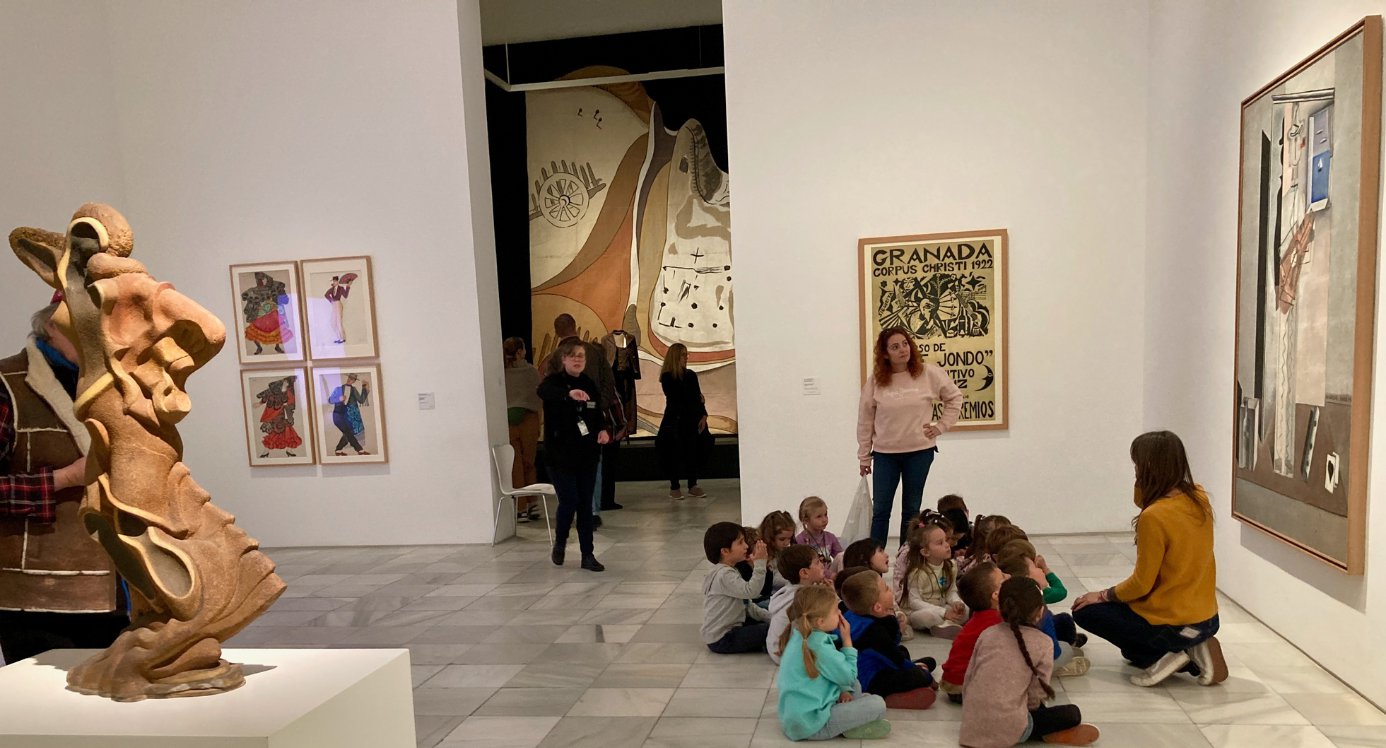
Unlike neighboring France, preschool education in Spain is not compulsory and depends on the decision of the parents. Pre-school education is divided into 2 stages: kindergarten (0–3 years) and preparation for school (3–6 years). Parents have the opportunity to enroll their child in a public preschool or in preparatory classes at a private school. In the first case, the child’s education will be free. The training programme includes educational games, learning Spanish, and developing communication skills.
Primary education (Educación Primaria)

Primary school education is compulsory for all school-age children and lasts from 6 to 12 years. It consists of 3 courses of 2 years each. Compulsory subjects during the course are humanities and natural sciences, mathematics, Spanish and the language of autonomy, physical education and music.
Depending on their preferences and financial means, parents can choose a public, private, or Catholic school for their child.
Public schools
Public school tuition is free, but parents still need to cover additional costs such as meals (from 1,200 euros per year), school materials and excursions (from 200 euros per year), swimming lessons (from 200 euros per year), school camps (from 150 euros per year), and school uniforms.
Private schools
In private schools, tuition is fully covered by parents. Monthly fees range from 900 to 5,000 euros, excluding meals and additional charges. Often the curricula in these schools are based on the British or American systems, and teaching can be carried out in English. In some cases, a diploma from such a school allows you to enroll in universities in the United States and Great Britain on a budget.
Catholic schools
These are semi-public schools partially funded by the Church and parents of the students. Schools are characterised by small classes, they pay special attention to religious and moral disciplines.
Secondary education (Educación Secundaria Obligatoria and Bachillerato)
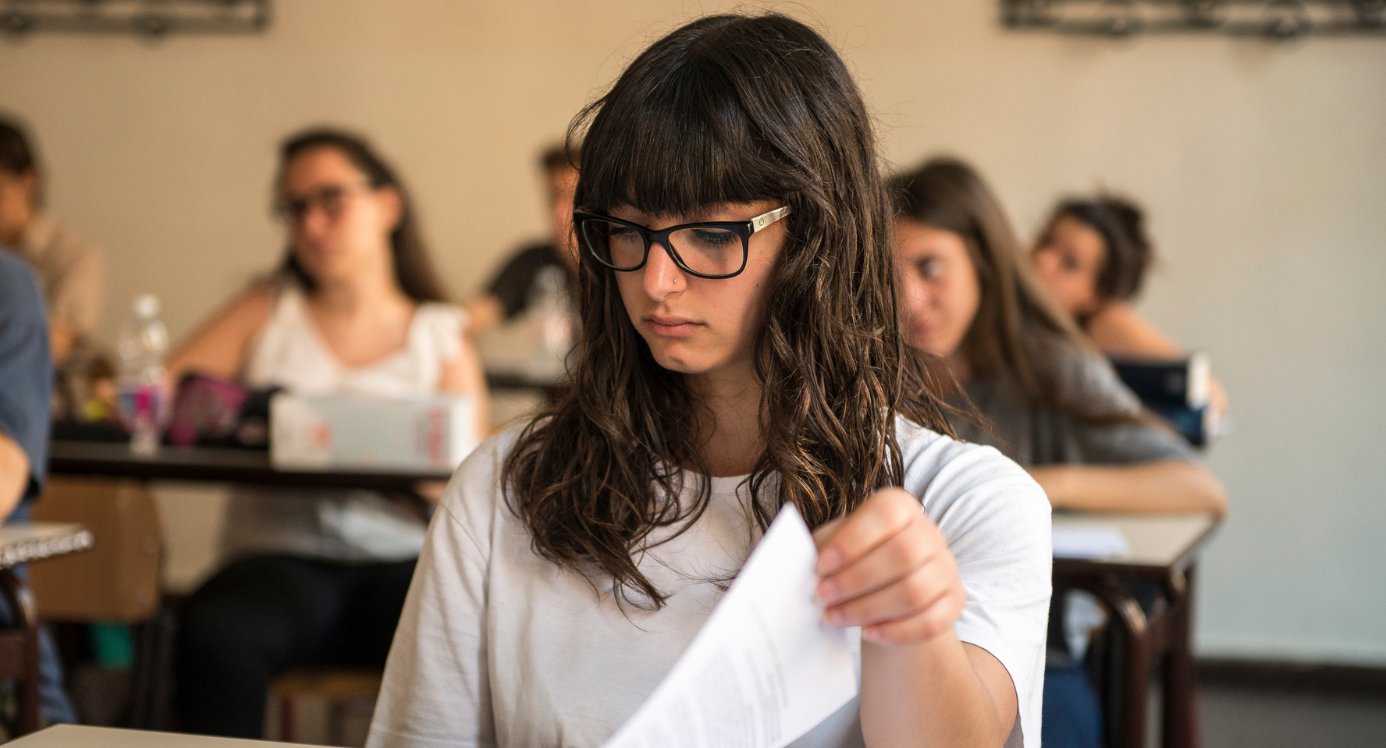
Secondary education is divided into a compulsory stage from 12 to 16 years of age (Educación Secundaria Obligatoria) and an optional stage from 16 to 18 years of age (Bachillerato). It is usually continued at the same institution where primary education was provided.
Upon completing the compulsory stage of secondary education, students receive a basic secondary education diploma. If desired, the student can transfer to a professional college or continue his studies at the Bachillerato level, where he is being prepared for university admission. During the period of studying at Bachillerato, you must choose one of 4 directions: art, exact sciences, humanities, or natural sciences. At the end of their studies, all students take the unified State exam, which is also an entrance exam to the university.
Higher education (Educación Superior)

Higher education in Spain corresponds to the European Bologna system, which includes 3 stages: Grado (Bachelor’s degree), Master (Master’s degree), and Doctorado (postgraduate degree). The system also involves extensive student exchange between universities in other countries and a single scale of knowledge assessment — ECTS credits.
The advantages of the Bologna system include:
- the possibility of transferring to another university from the list of participants in the Bologna system thanks to a single-sample diploma;
- a unified credit system for disciplines, which is taken into account at any university;
- the possibility of changing the specialty upon admission to the master’s programme;
- the opportunity to independently choose courses and disciplines in the curriculum.
Higher education in Spain is not free, with tuition fees starting from 2,500 euros per year. In private universities and business schools, the cost of education can be up to 22,000 euros per year.
To enrol in a university, students must be proficient in Spanish. You can study it in one of the language schools. When choosing such a school, you should check if it has a CEELE (Calidad en la Ensenanza de Espanol como Lengua Extranjera) certificate confirming that the institution has the right to teach Spanish to foreigners.
Changes in the procedure for obtaining student visas for language courses will come into force on May 20, 2025. Applications must now be submitted only through the consulate of the applicant’s country, no later than two months before the start of the course. In addition, students of language courses need to be over 18 years old, and the visa can only be extended once if they pass the DELE or SIELE exams.
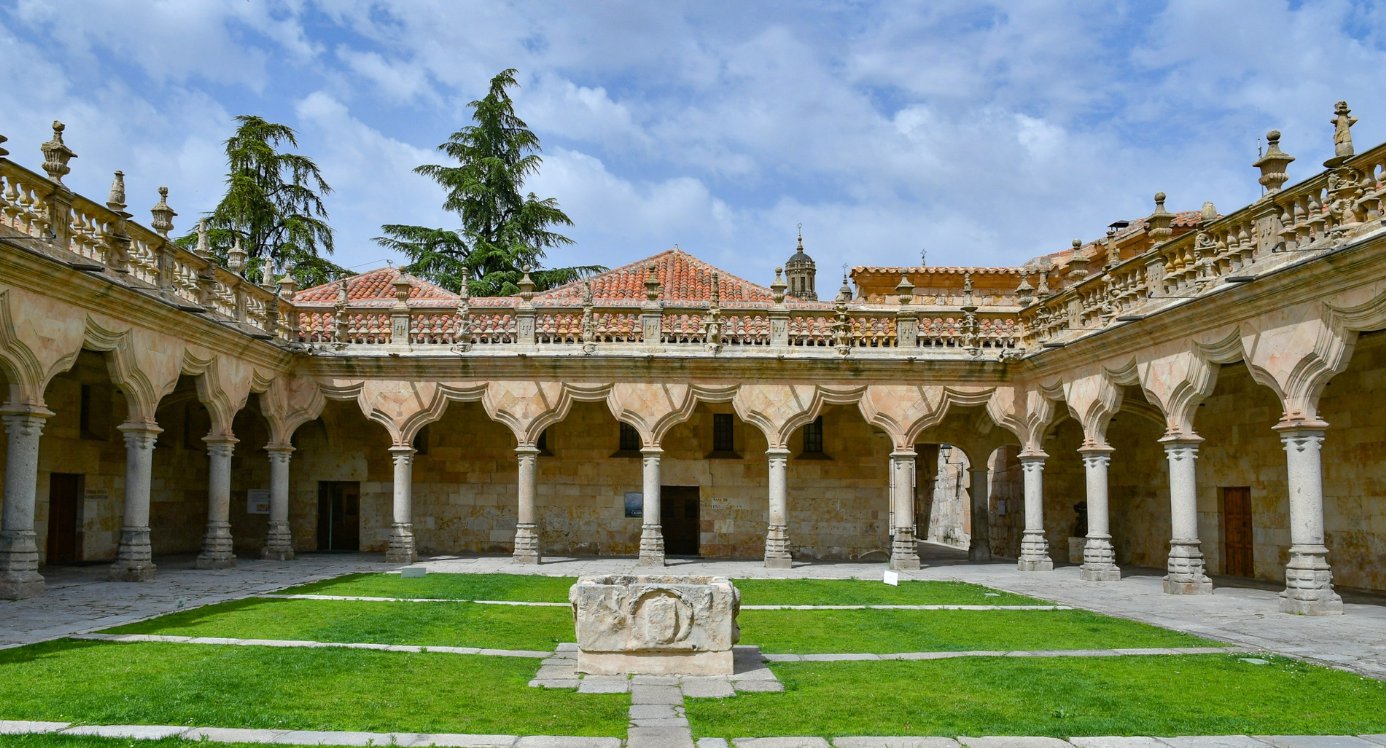
In addition, admission to many faculties requires passing a single exam (selectividad), in particular, when it comes to such specialties as architecture, business, engineering, medicine and pharmacy. The exam includes Spanish and foreign languages, as well as Spanish history (or philosophy). The choice of the fourth discipline depends on the specialty. If the applicant already has a certificate of passing the DELE language exam (Diploma de Español como Lengua Extranjera), then upon admission he may be exempt from taking the language test.
List of the best universities in Spain
University | Website | Research area |
Universidad de Barcelona | humanities and social sciences, especially in the fields of Spanish literature, history, art history, Catalan studies and linguistics | |
Universidad Autónoma de Barcelona | https://www.uab.cat/web/universitat-autonoma-de-barcelona-1345467954409.html | humanities and social sciences, especially in the fields of anthropological research, archaeology and social policy |
Universidad Autónoma de Madrid | law, economics, management, humanities, exact and natural sciences, medicine, psychology and pedagogy | |
Universidad Complutense de Madrid | architecture and urban studies, design, biology, geography, history, cultural studies, general marketing, journalism, medicine and healthcare, pedagogy, political science, sociology | |
Universidad de Navarra | economics, humanities and medical sciences, engineering and telecommunications | |
Universidad Pompeu Fabra | economics, political science and international relations, law, computer science and computer engineering, business and management | |
Universidad Politècnica de Cataluña | engineering, architecture, science and technology | |
Universidad Carlos III de Madrid, U3CM | economics and business, engineering, law, communications, social sciences and humanities | |
Universidad Politècnica de Madrid | all areas of architecture and engineering | |
Universidad Politècnica de Valencia | engineering, architecture, information technology, business, health science |
Student Scholarships in Spain
In some cases, when applying to a university in Spain, you can expect to receive a study grant or scholarship. The scholarship programme is determined individually for each individual university. Public universities have a programme to support low-income students and students with the highest scores, while private universities have the opportunity to receive support from a university sponsor. In most cases, students will learn about the possibility of monetary compensation after enrolling at the university and paying for the study programme.
List of the most popular scholarship programmes in Spain:
- Pompeu Fabra University Scholarship for talented students;
- EADA Business School Scholarship in Barcelona;
- Zaragoza Logistics Center Scholarship for women;
- ESADE Business School Scholarship;
- Graduate School of Economics Scholarship for outstanding achievements;
- Scholarship from the Instituto de Empresa;
- IESE Business School Scholarship at the University of Navarra;
- Scholarship from the Spanish Studies Abroad Center.
Advantages of Spanish education

- 14 Spanish universities are among the top 500 best universities in the world according to the British company Quacquarelli Symonds.
- Relatively low prices for public education, the opportunity to receive a grant.
- The opportunity to receive education in English through a British or American dual degree programme.
- The possibility of employment in EU countries after obtaining a certificate.
- Residence permit for the entire period of study, the possibility of opening and unblocking accounts in EU countries.
How to enroll in a Spanish university?
To enroll in a public university in Spain, foreigners must pass one of the following exams, similar to the Unified State Exam: EBAU or PCE.
The list of basic documents for admission to the university:
- certificate of full secondary education;
- certified copy of the international passport;
- additional documents (portfolio, recommendations, motivation letter).
The certificate must additionally be apostilled in the country of receipt and homologated in Spain through the Spanish Ministry of Education.
📚 Yes, a student visa (Estancia)
💼 Right to work 30 hours/week
📈 Easy switch to a work permit
We will send you a content digest not more than once a week