Cyprus Permanent Residency Benefits: Why Investors Choose This Location


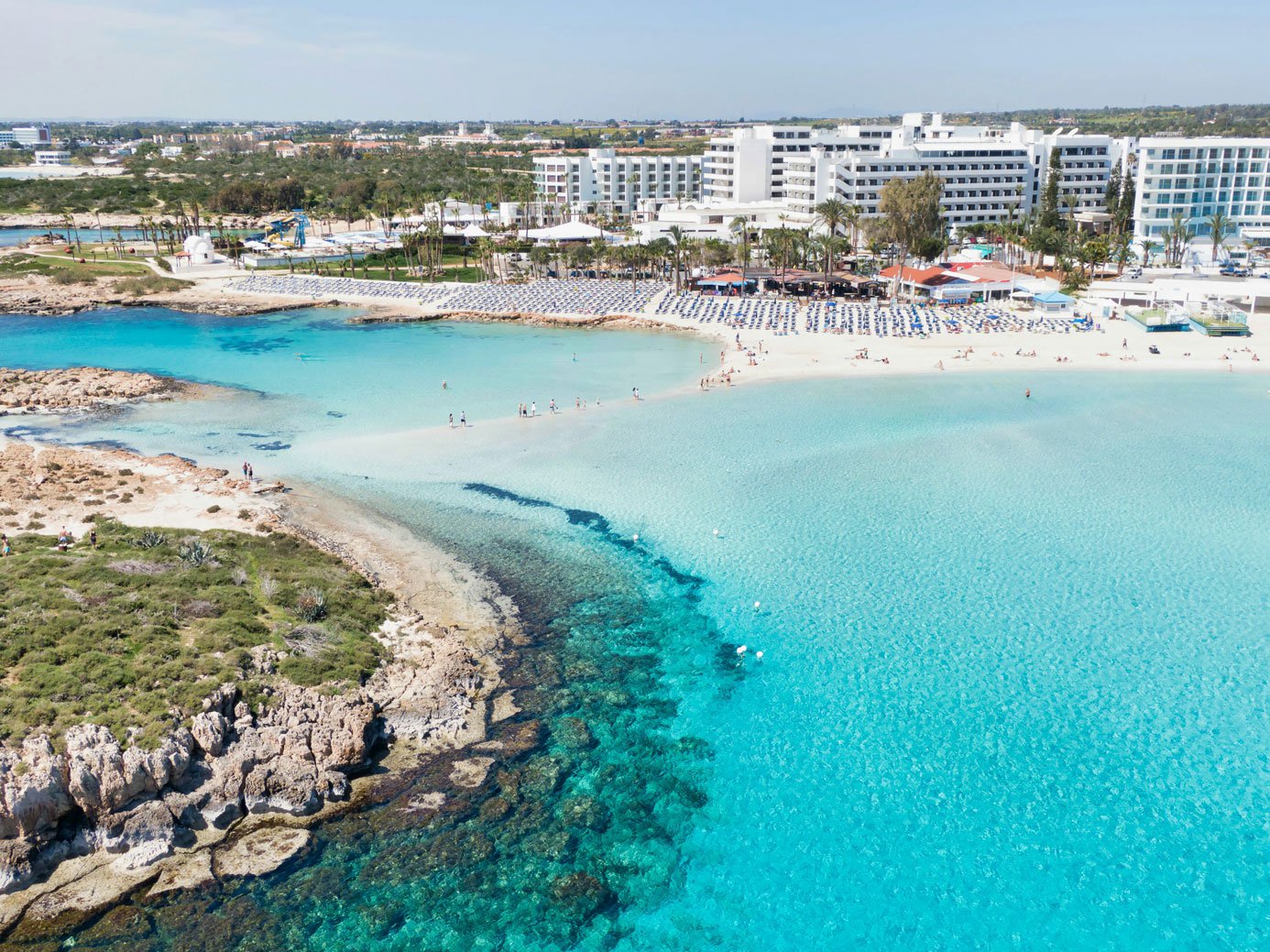
Cyprus has emerged as one of Europe’s most compelling destinations for international investors seeking permanent residency. Unlike temporary visas or conventional residency programs, Cyprus offers a lifetime status that combines strategic mobility, substantial tax advantages, and an exceptional quality of life — all accessible through a straightforward investment mechanism. The island attracts high-net-worth individuals, entrepreneurs, and families who recognize that permanent residency is a gateway to European stability, financial optimisation, and a tangible pathway to EU citizenship.
Strategic Value: Minimal Physical Presence in the Country
Cyprus permanent residency programme carries no expiration date. This distinction matters enormously. Temporary residence permits demand renewal cycles — typically annual or every 2 years — with each renewal cycle introducing uncertainty about policy changes, and possibility of non-extension. Cyprus’s permanent permit dissolves this burden. Once approved, the status remains yours for life, contingent only on one practical obligation: a visit to the island at least twice every 2 years.
Although the permanent residency permit carries no expiration, it is important to note that the physical biometric card must be renewed every 10 years. Additionally, the requirement to visit Cyprus 2 days for every 2 years is essential; otherwise, the residency status will be cancelled.
The Non-Domiciled (Non-Dom) Regime
An individual holding a valid residence permit in Cyprus who has relocated to the island becomes eligible for non-domiciled tax status if they were not previously considered tax residents in Cyprus.

This status exempts such individuals from paying the Special Defence Contribution (SDC) tax on passive income streams: dividends, interest, and rental income.
Dividend income is subject to a 17% SDC tax. Interest income from savings, bonds, or other fixed-income securities faces a 30% SDC. Rental income derived from properties within Cyprus carries a 3% SDC. For non-domiciled residents, these 3 categories of passive income are entirely exempt from SDC taxation.
The non-dom regime persists for 17 years. After 17 years of continuous tax residence in Cyprus, an individual becomes domiciled and loses access to the SDC exemptions.
Beyond the SDC exemption, Cyprus offers additional structural advantages:
- No inheritance, gift, or wealth tax. The island imposes no taxation on estate transfers, gifts, or worldwide asset holdings.
- Capital gains exemption. Gains from the sale of securities (shares, bonds, derivative instruments) are not subject to capital gains tax in Cyprus, provided such transactions do not involve immovable property located in Cyprus.
- Double tax treaty network. Cyprus has negotiated double taxation agreements with more than 65 jurisdictions worldwide. These treaties provide mechanisms to eliminate or reduce withholding taxes on dividends, interest, and royalties.
Tax Comparison: Cyprus vs. Other European Markets
Income Type | Cyprus (Non-Dom) | Cyprus (Domiciled) | France | Germany | Portugal |
Dividend Income | 0% SDC | 17% SDC | 30% | 26% | 28% |
Interest Income | 0% SDC | 30% SDC | 30% | 26% | 28% |
Rental Income | 0% SDC | 3% SDC | From 20% | Up to 45% | 28% |
Capital Gains (Securities) | 0% | 0% | 30% | 26% | 28% |
Corporate Tax Rate | 12.5% | 12.5% | 25% | 15% | 20% |
Inheritance Tax | 0% | 0% | Up to 60% | Up to 50% | 10% |
This comparative framework illustrates why Cyprus attracts investors from high-tax jurisdictions.
Real Estate Investment and Returns
The 300,000 euros minimum investment requirement represents the acquisition of a liquid, income-generating asset with appreciating fundamental value.
 From 205,000 €
Completion in: 2027.II Total of 105 apartments
 From 520,000 €
Built in 2022 64 units in total
 From 800,000 €
Built in 2025 67 units in total
 From 320,000 €
Completion in: 2028.IV Total of 88 apartments
 From 845,000 €
Completion in: 2027.I Total of 330 apartments
 From 545,000 €
Completion in: 2026.IV Total of 24 apartments
 From 510,000 €
Completion in: 2026.IV Total of 44 apartments

Cyprus’s real estate market has demonstrated consistent growth. Property prices in prime locations — Limassol, Paphos, and Larnaca — have increased at an average of 5-8% in 2025. Residential properties generate rental income, particularly in coastal and tourism-proximate areas where holiday rental demand remains strong.

The rental market remains active, particularly for holiday-let properties in Paphos, Larnaca, and Limassol. Tourist arrivals to Cyprus drive seasonal rental demand and support owner yield rates of 5,75% (Q2 2025).
The ability to switch investment objects while maintaining permanent residency status introduces additional flexibility. If market conditions shift or personal preferences evolve, an investor can purchase a replacement property of equivalent or higher value while maintaining their residency permit, provided the 300,000 euros investment threshold is satisfied continuously.
The investment property must be retained to maintain permanent residency status. Selling the property and failing to reinvest in a qualifying alternative will result in loss of the residency permit.
Family Inclusion and Dependents
A single Cyprus permanent residency application encompasses the applicant’s entire immediate family:
- Spouses are automatically included with full residency status.
- Unmarried children up to 25 years of age qualify as dependents if they are in full-time education (undergraduate, postgraduate, or vocational training).
- The spouse’s secured annual income contribution rises by €15,000; each dependent child adds €10,000 to the annual income requirement.
For example, a family of four (principal applicant, spouse, and two dependent children under 25) would require a 300,000 euros real estate investment plus documented annual income of 85,000 euros from sources outside Cyprus.
It is important to note that parents of the principal applicant are no longer eligible for inclusion under a single application. However, parents may obtain separate residence permits (Category F visas) or guest residence authorizations through alternative pathways, enabling family reunification through multiple coordinated applications.
Education: British-Standard Schooling and International Credentials
Cyprus hosts a network of internationally accredited schools operating on the British curriculum, serving expatriate and Cypriot families with academic programmes recognised across the EU and globally.

Schools including The Heritage Private School, The English School (Nicosia), Falcon School Cyprus, The International School of Paphos (ISOP), and the American Academy Larnaca offer education from early-years through A-Levels, International Baccalaureate (IB) Diploma Programmes, and American curricula. These institutions typically maintain diverse student bodies comprising 40+ nationalities, creating genuinely multicultural learning environments.
Tuition fees for international schools range from 5,000 to 9,000 euros annually depending on the school and grade level — substantially lower than equivalent institutions in Western Europe, North America, or the Gulf States. Moreover, exam boards such as Cambridge, Edexcel, and the IB Organization recognise Cyprus-based examinations, ensuring academic portability if the family later relocates.
Healthcare: The GESY System and Medical Excellence
Cyprus operates GESY (Geniko Systima Ygeias), a universal healthcare system providing comprehensive coverage to all permanent residents and Cypriot citizens. The system covers general practitioner consultations, specialist referrals, hospital services (including surgery and intensive care), pharmaceuticals, laboratory testing, dental procedures, palliative care, and rehabilitation services.
Permanent residents become eligible for GESY enrollment upon demonstrating habitual residence in Cyprus. Habitual residence typically requires evidence such as utility bills, lease agreements, or local authority registration. Once enrolled, family members gain identical healthcare access without additional enrollment procedures.
Contribution rates are progressive and income-dependent: employees contribute 2.65% of income, employers contribute 2.9%, self-employed individuals contribute 4%, pensioners contribute 2.65%, and the state contributes 4.7%. For residents without GESY eligibility, private health insurance is required as a condition of maintaining residency status.
The infrastructure of Cyprus’s healthcare system includes modern hospitals in Nicosia, Limassol, Larnaca, and Paphos equipped with contemporary diagnostic and surgical facilities. Medical professionals, some trained in the UK, EU, or US, provide care standards equivalent to Western European benchmarks but at substantially lower cost points.
Safety and Quality of Life
Cyprus consistently ranks among the world’s safest countries. The Global Peace Index indicates low violent crime and political stability. Cyprus maintains a Terrorism Index of approximately 0.347 out of 10 and a Safety Index of 75 out of 100 — both indicating low to moderate crime levels relative to international benchmarks. Violent crime is extraordinarily rare.
The combination of geographic insularity (no land borders with other nations), homogeneous population demographics, and effective police operations contributes to this security profile. For families with school-age children or retirees seeking peace of mind, Cyprus provides a tangible sense of personal safety.
The Path to Citizenship and EU Mobility
Permanent residency represents the first institutional step on a pathway to EU citizenship, but the distinction between these two statuses requires clarification, as confusion frequently clouds investor discussions.
Permanent Residency vs. EU Citizenship
A holder of a Cyprus permanent residency permit does not automatically possess EU citizenship rights. The status of citizenship grants unrestricted freedom of movement across all EU member states, rights to work and study throughout the EU, political participation in EU member states, and the ability to travel with an EU passport. It requires a separate naturalisation application.
The standard naturalisation pathway for investors requires 7 years of continuous legal residence in Cyprus.
Married applicants benefit from even more favorable terms: 3 years of marriage to a Cypriot citizen plus 2 years of residence enables fast-track naturalisation.
The naturalisation processing timeline typically spans 12 to 24 months, though applications from highly skilled workers must be processed within 8 months.
Route to Schengen Area and Travel Facilitation
Cyprus currently remains outside the Schengen Area, one of only two EU member states so positioned (Ireland being the other). However, this status is poised to change.

As of December 2025, Cyprus has completed all technical preparatory work required for Schengen membership. Deputy Minister for Migration Nicolas Ioannides confirmed in November 2025 that the European Commission will conduct final technical evaluations by year-end, with the aim of achieving political support from EU member states during 2026.
President Nikos Christodoulides has publicly reaffirmed that Cyprus’s objective is to complete Schengen accession by the end of 2026, marking the island as the 30th Schengen member state.
Schengen membership will eliminate routine border controls between Cyprus and other EU member states, facilitating travel for residents and visiting family members. However, this benefit is contingent on political agreement among all EU members — technically achievable but not yet formally finalised.
Cyprus’s permanent residency does not equal Schengen visa-free travel in the present moment. If visa-free EU travel is an immediate requirement for an investor’s lifestyle, they must either pursue expedited naturalisation or consider alternative residency programmes that already provide Schengen benefits. However, if an investor can accommodate two to three years of standard travel procedures prior to Schengen accession, the permanent residency pathway remains economically rational.
Flexibility: All Investment Categories
Applicants may direct their 300,000 euros investment (plus VAT) toward any of four categories:
Category A: New Residential Property
Purchase of a brand-new house or apartment from a registered development company. Applicants may purchase up to two residential units, provided the aggregate purchase value reaches 300,000 euros (plus VAT). The title deed or sale agreement must be registered in the applicant’s or spouse’s name.
Category B: Commercial Real Estate
Investment in offices, shops, hotels, or related estate developments. Unlike Category A (which requires new properties), Category B permits acquisition of resale properties, providing flexibility for investors seeking established, income-generating assets.
Category C: Company Share Capital
Investment in the share capital of a company registered, based, and operationally active in the Republic of Cyprus. The company must maintain proven physical presence within Cyprus and employ a minimum of five individuals.
Category D: Cyprus Collective Investment Funds
Investment in units of a Cyprus Collective Investment Organization (types AIF, AIFLNP, or RAIF). This pathway provides diversification benefits for investors uncomfortable with concentrated property or company ownership.
Who Can Benefit from Cyprus Permanent Residency
Cyprus’s offering appeals most compellingly to:
International entrepreneurs and business owners who operate across multiple jurisdictions and require a stable, non-intrusive residency base that permits tax efficiency without demanding physical presence. The two-year visit requirement accommodates split-residence lifestyles; the non-dom regime accommodates global income streams.
High-net-worth investors seeking wealth preservation and succession planning without the annual visa renewals. The absence of inheritance, gift, and wealth taxation creates an institutionally coherent framework for multi-generational wealth management.
Families relocating to Mediterranean Europe who prioritise educational quality, healthcare access, and personal safety. Cyprus provides all three at access costs substantially lower than Western European alternatives while offering a genuine pathway to EU citizenship within 7 years.
Digital professionals and remote workers who prefer Mediterranean climates, low tax environments, a wide range of tech hubs, and EU-proximate locations. The residency opens Cyprus as a viable base while preserving the ability to maintain professional commitments anywhere globally.
FAQ: Essential Questions Answered
No. The permanent residency permit provides visa-free movement within Cyprus only. Travel to other EU member states and Schengen countries requires separate visa applications or, for visa-exempt passport holders, compliance with standard border control procedures. However, Cyprus is on track to join the Schengen Area in 2026, which would eliminate routine border controls for residents traveling to Schengen members. For immediate visa-free EU travel, acquisition of a Cyprus EU passport through naturalisation (requiring 7 years of legal residence) is the appropriate pathway.
Direct employment in Cyprus is prohibited for permanent residency holders. However, significant flexibility exists: you may own, operate, and serve as director of a Cyprus-registered company; receive dividend income from company shareholdings; operate as a consultant for your own business; and receive rental, investment, and passive income from any source. This restriction reflects Cyprus’s policy of protecting the local employment market while permitting capital-generating and entrepreneurial activity.
The permanent residency permit does not expire. The physical biometric card must be renewed every 10 years (or when children reach age 18), but this is a procedural formality, not a loss of status. The singular non-negotiable requirement is visitation: you must visit Cyprus at least twice every 2 years. Failure to comply will result in automatic cancellation.
No. As of the 2023 reform, parents are no longer eligible for inclusion under a single primary application. However, parents may obtain separate Category F residence permits (requiring demonstrated income of 9,568 euros annually) or guest residence authorizations, enabling family reunification through coordinated but distinct applications.
Yes. After 7 years of continuous legal residence in Cyprus, investors become eligible to apply for Cypriot citizenship through the naturalisation process.Citizenship grants full EU status and unrestricted freedom of movement throughout all EU member states.
Substantial benefits exist. Permanent residents who become non-domiciled in Cyprus (a status available to those not previously considered domiciled) benefit from 17 years of exemption from Special Defence Contribution taxation on dividends, interest, rental income, and capital gains from securities sales. Additionally, Cyprus imposes no inheritance, gift, or wealth taxation. For business owners, the corporate income tax rate is 12.5%, and the IP Box regime offers effective rates as low as 2.5% on qualifying intellectual property income. Cyprus maintains double tax agreements with 65+ countries, enabling optimisation of cross-border income streams.
We will send you a content digest not more than once a week