Research: Global Trends and Geographic Shifts in International Property Demand in 2024
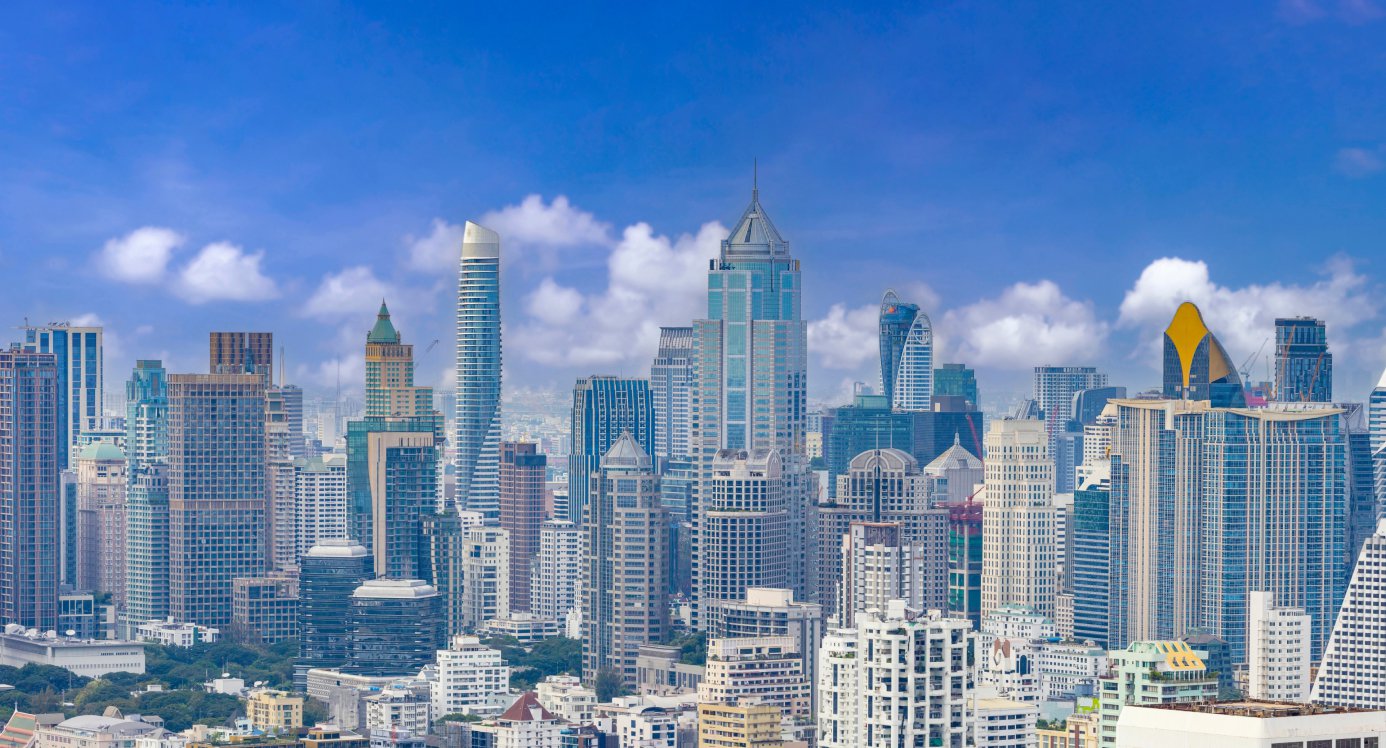
In 2024, demand for overseas real estate remained robust, sustaining the high levels seen in 2023 while evolving in both geographic distribution and transaction structure.
Amid shifting economic conditions and the emergence of new investment instruments, international property has maintained its appeal as a key asset class. A defining trend over the past year has been portfolio diversification, with investors exploring new markets and asset types offering greater potential returns.
As in 2023, three destinations continued to dominate — Thailand, the UAE, and European countries — albeit with a change in ranking. In 2024, Thailand moved ahead of the UAE in terms of buyer enquiries, accounting for 14.7% of total demand. While the UAE remains a leading market, investor interest has moderated slightly over the past year, declining from 9.58% to 7.5%.
Over the long term, Thailand has demonstrated remarkable growth, with demand surging more than 2.5 times compared with 2022 — previously the peak year for international investors over the past five years — and more than sixfold since 2021. In contrast, while Dubai’s property market continues to set new records in 2024, overall interest in the UAE has shown signs of cooling.
Global Demand for Overseas Real Estate in 2024
Region | Share of Enquiries, 2024 | Demand Growth, 2024 vs 2023 | Demand Growth, 2024 vs 2022 |
Thailand | 14.7% | 38% | 168% |
UAE | 7.5% | -21% | -20% |
France | 6.5% | -10% | 41% |
Spain | 6.3% | -17% | -6% |
Greece | 6.3% | -19% | -24% |
Turkey | 5.6% | -25% | -68% |
Cyprus | 5.3% | 15% | 28% |
Indonesia | 4.7% | 30% | 14% |
Czech Republic | 4.1% | 55% | 73% |
The Shift to the East: Southeast Asia Moves to the Fore
By the end of 2024, Thailand emerged as the most in-demand destination for international property buyers, with Indonesia re-entering the top ten, surpassing its 2022 record of 4.14% of total enquiries.
Demand for Thai Real Estate
2020 | 2021 | 2022 | 2023 | 2024 | |
Share of Total Enquiries | 3.04% | 2.32% | 5.49% | 10.66% | 14.7% |
Median Budget | $186,000 | $225,000 | $206,000 | $158,000 | $147,000 |
According to the latest data from Thailand’s Real Estate Information Center, in H1 2024, international investors accounted for $51.8 million in real estate transactions in Thailand. This represented 7.8% of all apartment sales in the country, ranking third among foreign buyers, after investors from China and Myanmar.
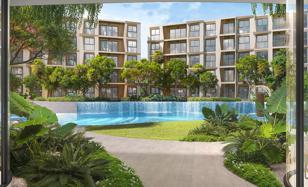 From $128,000
Completion in: 2027.IV 295 units in total
 From $171,000
Completion in: 2029.I 350 units in total
 From $352,000
Completion in: 2029.I 37 units in total
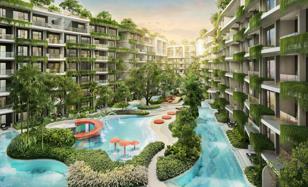 From $142,000
Completion in: 2027.I 859 units in total
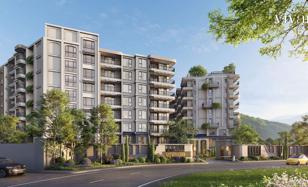 From $123,000
Completion in: 2028.III 363 units in total
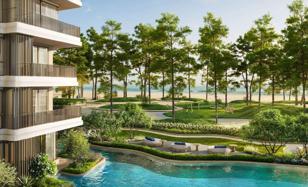 From $161,000
Completion in: 2028.I 542 units in total
 From $140,000
Completion in: 2028.I 564 units in total
 From $87,000
Completion in: 2028.II 452 units in total
Thailand significantly outperforms other international property markets as the leading destination for investment-driven transactions. While the share of investment property enquiries globally ranges from 38% to 43%, in Thailand, this figure reaches 75%.
Historically, the growing share of investment-led transactions has led to a decline in median budgets, as buyers have increasingly opted for more affordable unit types that offer competitive rental yields and lower entry costs. However, Q4 2024 marked a shift from this trend, with investment transactions reaching a two-year high alongside an increase in buyer budgets.
One key factor behind this shift is the dwindling availability of high-quality, affordable properties that meet mass-market investor criteria. The days when buyers could enter projects with a budget of $30,000 and secure assets with strong rental demand and liquidity potential are now firmly in the past, with such opportunities largely disappearing after 2022.
Budget Trends in Thai Real Estate: Holiday and Rental Investment Properties
Share of Total Enquiries | Median Budget | |
Q1 2023 | 55.77% | $189,000 |
Q2 2023 | 42.42% | $163,000 |
Q3 2023 | 59.65% | $144,000 |
Q4 2023 | 53.57% | $160,000 |
Q1 2024 | 64.71% | $145,000 |
Q2 2024 | 65.63% | $145,000 |
Q3 2024 | 70.59% | $105,000 |
Q4 2024 | 72.31% | $146,000 |
Among Thailand’s various regions, Phuket remained the most popular location in 2024, attracting 68% of all property enquiries. Pattaya followed with a 16.5% share, while Koh Samui accounted for 13%.
Regional Demand for Thai Real Estate in 2024
Region | Share of Total Enquiries | Median Budget |
Phuket | 68.16% | $149,000 |
Pattaya | 16.51% | $106,000 |
Koh Samui | 13.21% | $197,000 |
Bangkok | 0.94% | $207,000 |
Prachuap Khiri Khan | 0.94% | $130,000 |
International tourism to Thailand has not only rebounded but has fundamentally reshaped Phuket’s property market. More visitors now choose the island as their primary destination — an unprecedented concentration of demand within Thailand. This surge has led to near-full occupancy in the luxury segment during peak periods, with a notable shortage of high-end rental properties over the New Year season.
In Bang Tao, a prime luxury enclave, supply constraints are becoming increasingly evident. While new developments are being delivered, they remain insufficient to meet the influx of new visitors. However, investors should note that the exceptionally high returns seen in 2023 are unlikely to be replicated in new projects, as the price of completed, high-quality properties has risen significantly faster than rental rates.


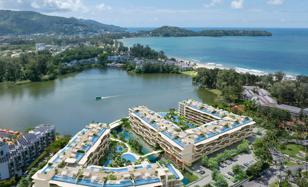
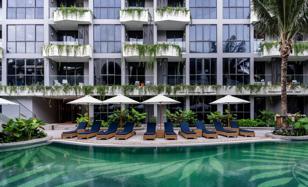 From $150,000
Built in 2025 Total of 9 apartments



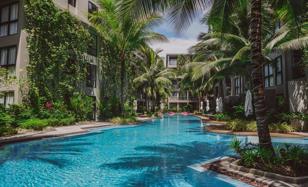

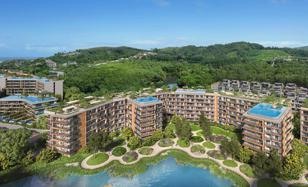 From $255,000
Completion in: 2027.IV 220 units in total
 From $869,000
Completion in: 2028.IV 237 units in total
Bali’s property market gained significant traction among international investors in 2022, riding the wave of heightened interest in Southeast Asia. While presenting a slightly higher-risk and more expensive investment landscape compared to Thailand, Bali continues to offer strong yield potential.
By 2024, Indonesia entered the top ten most sought-after international real estate markets, with investor interest in Bali increasing by 30% year-on-year. The island’s share of total overseas property enquiries has now reached its highest level in five years.
Much like Thailand, demand in Bali is largely investment-driven. With surging tourism and an influx of expatriates, investors see short-term rentals as a key growth opportunity. According to Colliers, Bali still faces a shortage of hotel rooms and resort apartments, though supply is gradually expanding to meet demand.
The residential sector is also adapting, with Airbnb listings for rooms, apartments, and villas increasing by 24% in 2024, reaching a total of 35,208 units — 40% of which are private rooms. By comparison, Phuket currently has 20,734 units listed for rent.
Once considered a niche destination for seasoned travellers, Bali is now gaining mass appeal among European tourists. More than 50% of its visitors are residents of Europe and Australia, reflecting its growing accessibility as a mainstream exotic destination. Notably, TripAdvisor ranked Bali as the second-best tourist destination worldwide in 2024.
 $415,000
Total area 80 m² 1 bedroom
 $180,000
Total area 82 m² 1 bedroom
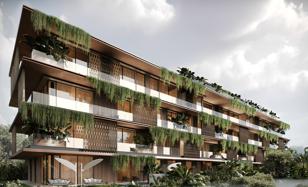 From $120,000
Yield 10.0% Completion in: 2028.IV
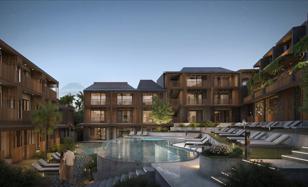 From $145,000
Yield 10.0% Completion in: 2028.I
 From $97,000
Yield 10.0% Built in 2026
 From $248,000
Yield 9.0% Completion in: 2027.III
 From $197,000
Yield 8.0% Built in 2026
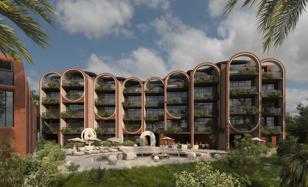 From $126,000
Yield 8.0% Completion in: 2027.II
Beyond Dubai: The Middle East Demand Opens New Frontiers
In 2024, the demand for property in the UAE showed a decline of 21%, despite the record-breaking performance of the Dubai real estate market. In October, Dubai’s off-plan market reached a four-year high, recording 13,645 transactions (a 91% year-on-year increase), valued at $7.72 billion.
Signs of a cooling demand from international investors first emerged in 2023. In that year, the share of enquiries for the UAE increased by just 2%, with the absolute number of requests falling by nearly 30%. However, in the long term, interest in the UAE real estate market remains 139% higher than in 2021.
UAE’s Share in Overall Property Demand
2020 | 2021 | 2022 | 2023 | 2024 | |
Share of Total Enquiries | 2.41% | 3.16% | 9.39% | 9.58% | 7.5% |
Median Budget | $421,000 | $585,000 | $348,000 | $290,000 | $290,000 |
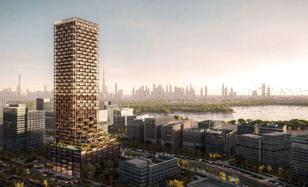 From $505,000
Completion in: 2029.II Total of 1097 apartments

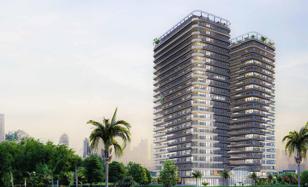 From $213,000
Completion in: 2027.IV Total of 210 apartments
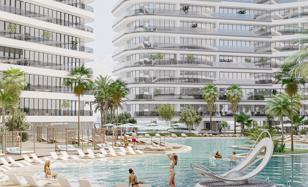
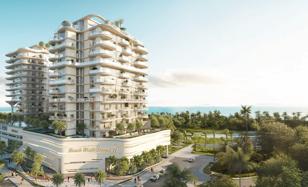 From $743,000
Completion in: 2027.IV 108 units in total
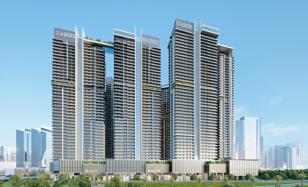 From $157,000
Completion in: 2028.II Total of 5800 apartments
 From $272,000
Completion in: 2029.II Total of 726 apartments
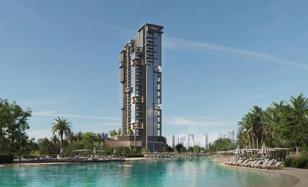 From $589,000
Completion in: 2027.IV Total of 291 apartments
While Dubai remains one of the most popular destinations for property investment, in 2024, it faced a different set of competitive dynamics compared to two or three years ago. The market has demonstrated consistent growth, and transaction volumes have repeatedly set new records, with the nature of deals increasingly leaning toward speculative investments. This shift has deterred those investors who prefer lower-risk strategies.
Despite the high volume of new property launches, the availability of high-quality projects in Dubai is dwindling, forcing investors to dedicate more time and resources to market research and asset selection. Some cautious investors, having observed problematic cases in challenging locations, are now opting for more familiar and stable markets.
Dubai’s cyclical market also contributed to this shift: investors who bought in 2022 are approaching the delivery of their projects (with a typical cycle of 3–4 years) and are beginning to realise capital gains. Some are exiting their former properties in search of speculative opportunities, but with a greater focus on more affordable segments (often in the form of bundled deals).
This shift is driven by fundamental changes in the rental market structure, as evidenced by last year’s trends: 15 consecutive quarters of rising rental rates, revisions to the rental index allowing for annual increases above the usual 20% cap, and overall cost-of-living increases alongside stagnating wages — all of which are pushing mass renters toward more budget-friendly housing options.
From $505,000
Completion in: 2029.II Total of 1097 apartments
From $213,000
Completion in: 2027.IV Total of 210 apartments
From $743,000
Completion in: 2027.IV 108 units in total
From $157,000
Completion in: 2028.II Total of 5800 apartments
From $272,000
Completion in: 2029.II Total of 726 apartments
From $589,000
Completion in: 2027.IV Total of 291 apartments
Meanwhile, some investors are diversifying their portfolios by focusing on emerging markets in Ras Al Khaimah and Oman, or venturing into Southeast Asia. As a result, the share of demand for property in other emirates of the UAE has more than doubled, rising to 13.24% in 2024 compared to 6.3% in 2023. At the same time, demand for property in Oman and Saudi Arabia — two emerging real estate markets in the Arabian Gulf — has surged by 173% and 145%, respectively.
Region | Share of Total Enquiries in 2023 | Share of Total Enquiries in 2024 |
Abu Dhabi | 3.31% | 4.9% |
Dubai | 93.71% | 86.76% |
Ras Al Khaimah | 1.66% | 2.45% |
Sharjah | 0.99% | 3.92% |
Ajman | 0.33% | 1.96% |
The logic is simple: these markets today resemble Dubai several years ago and are attempting to replicate its success. A low entry threshold, minimal competition, and a lack of quality supply provide the conditions for potential price growth, offering investors the opportunity to gain a few additional percentage points of yield compared to Dubai’s now more moderate market. One could say that investors are trying to repeat the successful strategy of early Dubai buyers, entering the market before it reached its record highs.
Conceptually, the UAE markets are in strong positions, but extraordinary returns should not be expected. Projected growth remains moderate, at around 5–10%. Those who clearly understand the target audience of tenants and potential resale buyers, who meticulously analyse the client profile and study the market, have a high chance of success here. Otherwise, without a thorough understanding of all the details and mechanisms of a particular project, investors may face more setbacks.
Ras Al Khaimah has been in the spotlight of investors in 2023 with news about the potential launch of the first casino in the UAE. The peak of construction activity in the emirate, according to Ras Al Khaimah Statistics Center, occurred in mid-2023, when news of the casino resort’s potential launch was widely circulated.
Today, the prospects for the casino and surrounding real estate are being discussed without the «potential» label. Wynn has officially received the first (and for the foreseeable future, exclusive) license and reported that the project is around 55% complete. The holding company also noted in its internal report for investors that the UAE has a sufficient volume of affluent demand to ensure project occupancy — tourists in this area spend more on average than in Las Vegas or Macau.
The «Wynn Effect» has had a positive impact on the real estate market in Ras Al Khaimah, resulting in a nearly threefold increase in real estate transactions in 2024 (+198%), according to the emirate’s municipal authorities.
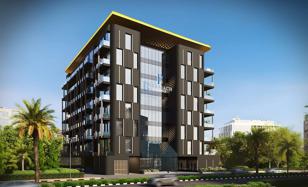 From $636,000
Completion in: 2027.II Total of 92 apartments
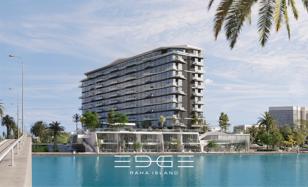 From $618,000
Completion in: 2027.II Total of 100 apartments
 From $820,000
Completion in: 2028.I 355 units in total
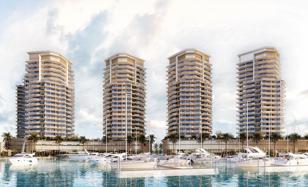 From $382,000
Completion in: 2027.I Total of 641 apartments
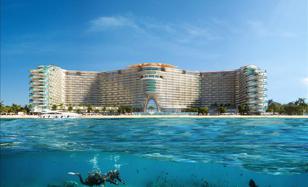 From $798,000
Completion in: 2026.IV Total of 1000 apartments
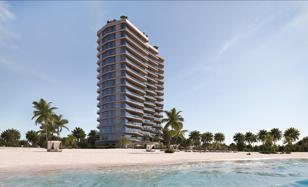 From $1,231,000
Built in 2024 Total of 151 apartments
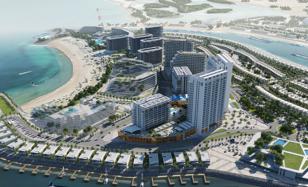 From $3,268,000
Built in 2026 Total of 668 apartments
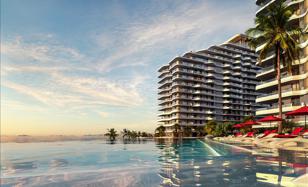 From $1,840,000
Completion in: 2028.I 803 units in total
While Ras Al Khaimah started gaining attention about 1.5–2 years ago, Oman became well known to foreign investors only in the past year. In Oman, property buyers are increasingly turning their attention to local real estate as attractive short-term rental opportunities, particularly along the waterfront, where the entry threshold is notably lower compared to markets like Dubai or Ras Al Khaimah.
This growing segment is already capturing demand from tourists, especially those from Eastern Europe and neighbouring Gulf countries. Additionally, investors in Omani property can benefit from qualifying for a Golden Visa, which comes with no minimum investment requirement, further enhancing the market’s appeal for both lifestyle and investment purposes.
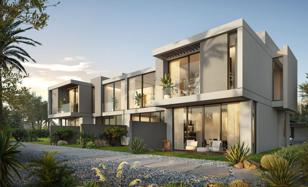 From $714,000
Completion in: 2027.IV 373 units in total
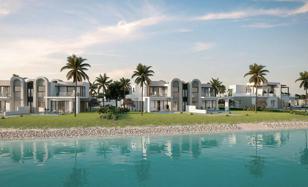 From $245,000
Completion in: 2029.II 500 units in total
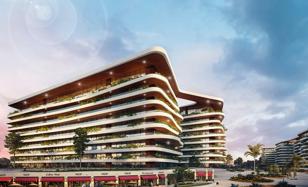 From $107,000
Completion in: 2028.III Total of 447 apartments

 From $516,000
Completion in: 2028 84 units in total
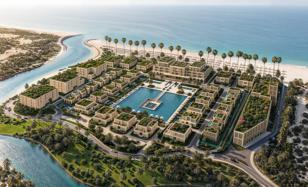 From $149,000
Completion in: 2028.IV Total of 263 apartments
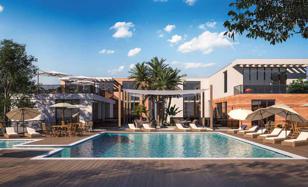 From $300,000
Completion in: 2029.II 240 units in total
 From $211,000
Completion in: 2029.I 23 units in total
Europe for Residency and Investment
Europe continues to be a dominant player in the global real estate market, with half of the top 10 most popular destinations for residency and investment in 2024 being European countries, collectively accounting for 28.5% of demand. Historically, international investors have shown a keen interest in properties in France, Greece, Spain, and Cyprus. Notably, these four countries have consistently ranked among the most popular destinations for residency programmes in recent years.
Top 5 Countries for Real Estate Purchases for Residency/Passport
Destination | Share of All Enquiries in 2023 | Share of All Enquiries in 2024 | Median Budget in 2023 | Median Budget in 2024 |
Greece | 32.09% | 29.64% | €250,000 | €250,000 |
France | 12.33% | 15.31% | €500,000 | €400,000 |
Spain | 15.46% | 14.98% | €500,000 | €550,000 |
Cyprus | 6.65% | 13.36% | €375,000 | €350,000 |
Turkey | 14.29% | 11.07% | €400,000 | €400,000 |
In the broader context, the demand for properties linked to residency programmes has been declining for the second consecutive year. However, 2024 reflects a stabilisation in interest following the peak years of 2022 and 2023.
Demand for Real Estate for Residency Purposes
2020 | 2021 | 2022 | 2023 | 2024 | |
Share of All Enquiries | 11% | 17% | 28% | 26% | 19% |
Cyprus stands out, showing an impressive rise in demand. For the first time in five years, the share of interest in Cyprus reached a peak of 5.3% in 2024, marking a 15% increase in property enquiries on the island.
European countries with well-established systems for attracting international capital have proven to be resilient. Cyprus, in particular, has successfully developed an advantageous tax system and regulatory framework that caters to high-risk industries, such as fintech startups, which not only attract international demand but also foster a steady migration of capital. The British legal system, minimal taxes for tech businesses at 2.5%, and strong capital interaction are among the key drivers of success.
 From 205,000 €
Completion in: 2027.II Total of 105 apartments
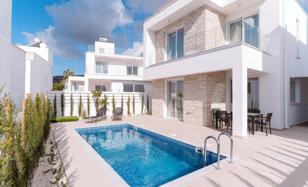 From 520,000 €
Built in 2022 64 units in total
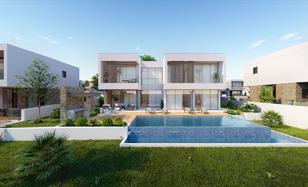 From 800,000 €
Built in 2025 67 units in total
 From 320,000 €
Completion in: 2028.IV Total of 88 apartments
 From 845,000 €
Completion in: 2027.I Total of 330 apartments
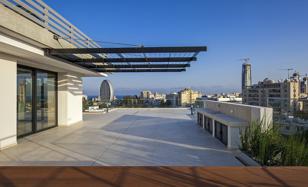 From 545,000 €
Completion in: 2026.IV Total of 24 apartments
 From 510,000 €
Completion in: 2026.IV Total of 44 apartments

While demand for permanent residence in Cyprus and other countries has doubled this year, demand for rental properties on the island is only a few percentage points behind the migration target. In 2024, 29.7% of investors were interested in buying property for permanent residence in Cyprus, while 24.2% were interested in buying property for holiday and rental purposes.
Rental Price Growth in Cyprus, 2024
Property Type | Rental Price Growth | Average Yield (%) |
Residential Apartments | +10.5% | 5.4% |
Private Homes | +9.6% | 3% |
Resort Apartments | +7.4% | 5.7% |
Resort Homes | +6.5% | 2.8% |
Offices | +5.5% | 5.6% |
In 2023, demand from foreign buyers was evenly distributed across Cyprus’s three major coastal cities. However, in 2024, Limassol has emerged as the primary hotspot, particularly attracting tech and startup professionals relocating from abroad.
Demand for Real Estate by Region in Cyprus
Region | 2023 | 2024 | Median Budget in 2024 |
Limassol | 35.29% | 41.86% | €344,000 |
Paphos | 38.24% | 33.72% | €321,000 |
Larnaca | 20.59% | 18.60% | €270,000 |
Famagusta | 3.68% | 4.65% | €313,000 |
Nicosia | 2.21% | 1.16% | €300,000 |
According to the Central Bank of Cyprus, Limassol holds the leading position in terms of demand from local residents and ranks second for foreign property buyers, with a ratio of 68% to 32%, respectively.
The share of foreign buyers in the Cypriot real estate market has steadily increased from 27% in 2013, peaking at 47% in 2018. Following this period, demand experienced a decline, largely due to the pandemic and the cessation of the citizenship-by-investment programme, which dampened the interest of international investors. However, since 2022, the market has rebounded, with the share of foreign buyers gradually returning to pre-pandemic levels, currently accounting for approximately 44% of all transactions.
Both local residents and foreign investors view Limassol as a key growth hub. The city has become the epicentre of Cyprus’s burgeoning startup scene, with 310 startups and 18,500 employees based there in 2023. By November 2024, this number had risen to 334 startups and 19,286 employees, according to TechIsland.
In the real estate sector, this has resulted in a sudden emergence of sustained demand for quality new-build rentals, coupled with a shortage of such properties available on the market.
From 205,000 €
Completion in: 2027.II Total of 105 apartments
From 845,000 €
Completion in: 2027.I Total of 330 apartments
From 545,000 €
Completion in: 2026.IV Total of 24 apartments
From 510,000 €
Completion in: 2026.IV Total of 44 apartments
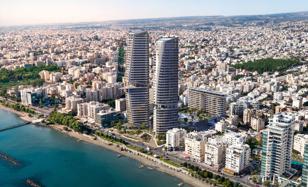 From 710,000 €
Completion in: 2026.IV Total of 307 apartments
 From 3,900,000 €
Built in 2020 61 units in total
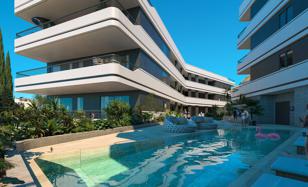 From 380,000 €
Completion in: 2026.IV Total of 12 apartments
The growing number of startups, tech companies, and relocating professionals, combined with a lack of available, current offerings and slow-paced new developments, creates a significant growth opportunity for residential properties in Cyprus’s business centres and Class A office spaces. In the context of a general shortage of premium properties and office spaces meeting ESG standards, there are promising investment opportunities in 2025.
Price Dynamics for Apartments in Cyprus, 2024
Location | Price Growth in 2024 |
Cyprus | 12% |
Limassol | 13.3% |
Paphos | 17.7% |
Larnaca | 16.8% |
Unlike Cyprus, other European destinations present a more turbulent picture: a sharp increase in interest ahead of reforms or the closure of migration programmes, followed by a rapid decline in activity, as observed in Greece and Spain. However, the need for external capital in European countries remains unchanged. Alongside this, demand persists, with investors placing critical importance on maintaining stable financial infrastructure, cash centres, and unrestricted travel opportunities.
Greece remains within the top 10 destinations for foreign property buyers, although the reform of the Golden Visa programme (a key driver of foreign demand for real estate) has had a noticeable impact, with a 19% decrease in applications in 2023 compared to previous years.
From 1st September 2024, the investment threshold for the programme has been increased to €800,000 for popular areas of Athens, including Attica (which encompasses Piraeus and much of the capital’s region), Thessaloniki, Mykonos, and Santorini, as well as islands with populations over 3,100 people. For other regions, the threshold remains at €400,000.
It is anticipated that Greece will continue to hold a leading position in 2025 among European countries in terms of demand for real estate from foreign investors, owing to its affordability in the global market. The key driver will continue to be the residence programme, and as long as the regulatory framework remains unchanged, demand is expected to remain steady. There may also be an uptick in local interest in Greece, spurred by a reduction in the key interest rate — although without sharp fluctuations, yet still sustaining foreign demand for local property.
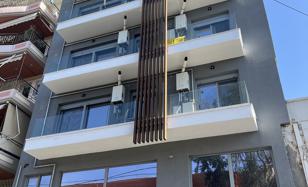 From 177,000 €
Built in 2025 Total of 11 apartments
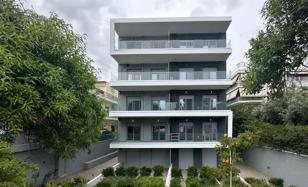 From 200,000 €
Built in 2024 Total of 17 apartments
 From 167,000 €
Completion in: 2027 Total of 56 apartments
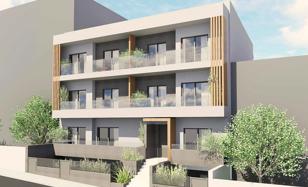 From 500,000 €
Built in 2026 Total of 13 apartments
 From 240,000 €
Completion in: 2027.I Total of 35 apartments
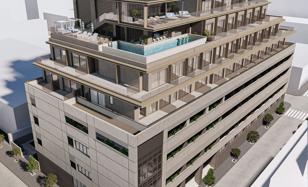 From 335,000 €
Completion in: 2027.IV Total of 159 apartments
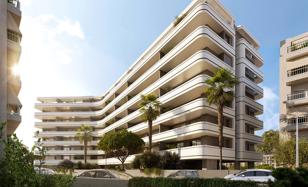
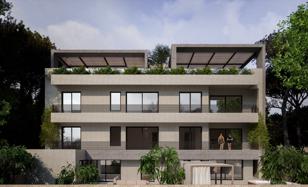 From 385,000 €
Built in 2024 Total of 6 apartments
In Greece, a limited window of opportunity remains for investors, with the previous entry threshold of €250,000 still applicable for properties that have been converted from commercial to residential use, as well as for buildings of historical and cultural significance.
The renovation programme in Greece carries with it a positive connotation, akin to the successful cases seen in Spain and Portugal. It contributes to gentrification and the revitalisation of urban areas.
A portion of migration demand has shifted towards Spain’s Golden Visa programme, which requires an investment of €500,000. With reports suggesting its potential closure in 2025, investors have been eager to act quickly, finalising purchases before the programme ends. Similarly, residence programmes for financially independent individuals in Spain and France have attracted significant attention, with both countries securing fourth and fifth positions, respectively, on the list of top destinations for foreign investment.
Regulatory pressure is intensifying, and it will play a pivotal role in shaping demand for European destinations. A striking example is the Hungarian programme: despite clear investor interest and its advantages, substantial pressure from central regulators has made its implementation increasingly difficult.
We will send you a content digest not more than once a week