Education in Italy in 2026
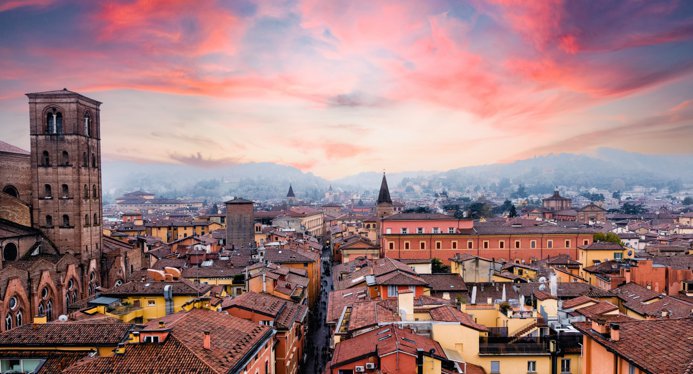
Education in Italy combines deep historical traditions and modern academic standards. The system covers all levels from pre-school to higher education, including compulsory schooling from the age of 6 to 16.
Italian universities, especially Politecnico di Milano, Bocconi, Sapienza, and Bologna, have strong positions in the global academic space. They are not only among the top 200 in global metrics, but also stand out for their industry depth in architecture, design, art, economics, and science.
Many universities offer programmes in both Italian and English. International students can often count on scholarships and financial support from the state.
The pre-school education system in Italy
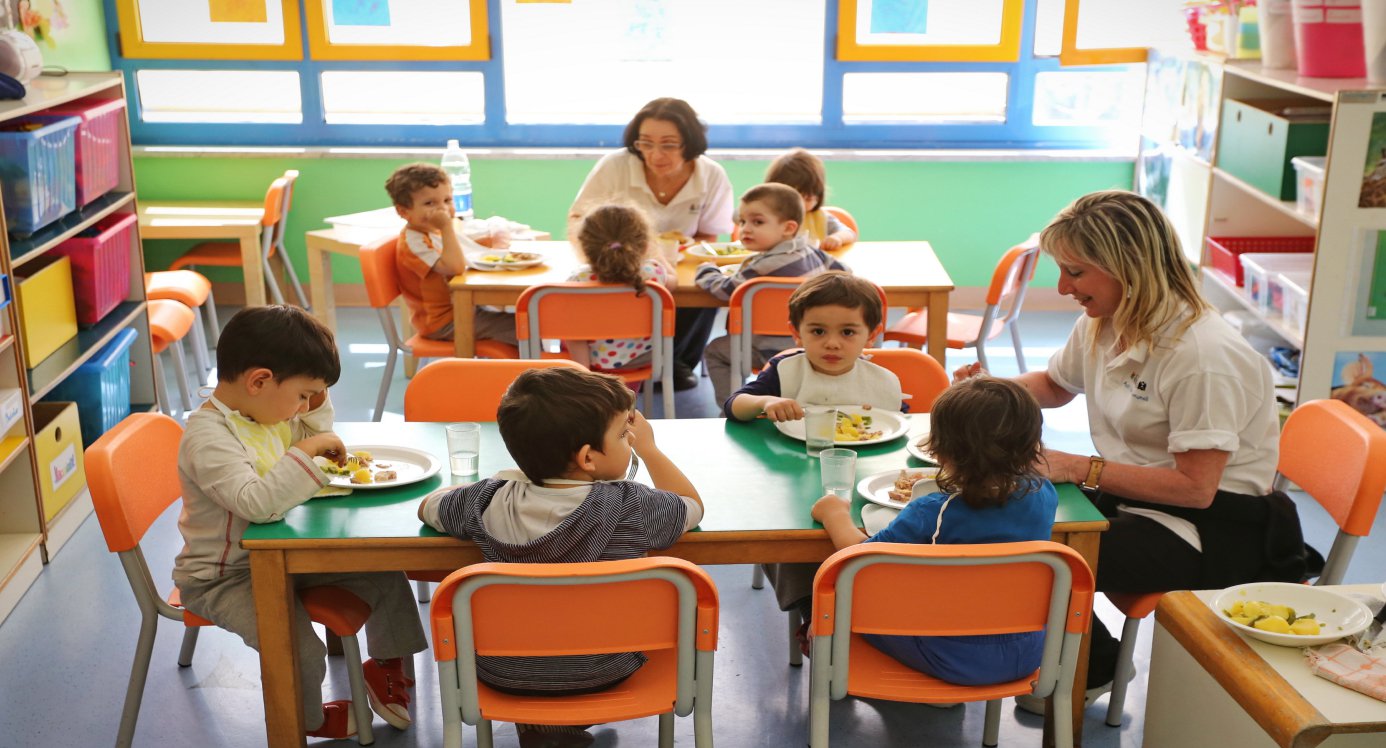
In Italy, pre-school education is not compulsory, but covers almost all children aged 3 months to 6 years. It is divided into two levels: asilo nido (nursery) for the youngest and scuola dell’infanzia (kindergarten) for children from 3 to 6 years old. The purpose of the system is the comprehensive development of the child, preparation for school and socialisation.
In large cities, especially in international and private kindergartens, bilingual programmes (Italian + English) are available, which is especially convenient for foreign families.
Nursery (Asilo nido) — from 3 months to 3 years
The nursery is attended by children aged 3 months to 3 years. This is the first stage of the system, focused on the development of the child’s motor, sensory and communication skills, as well as on adaptation to the team.
Attendance at the nursery is optional, and participation in the programme depends on the wishes of the parents and the availability of places. Institutions can be public, municipal, or private. The work schedule is usually from 8:00 to 16:00, with the possibility of extension.
The cost strongly depends on the region and family income (according to the ISEE system). On average, it varies from 200 to 700 euros per month. In the wealthier regions of the north, nurseries often offer better quality, but they also cost more.
Kindergarten (Scuola dell’infanzia) — from 3 to 6 years old
Scuola dell’infanzia is attended by children from 3 to 6 years old. Although attendance is not required by law, in practice more than 95% of Italian children complete this stage of education. Kindergartens can be public (free of charge, except for meals), municipal (with a moderate fee), and private (including religious Catholic institutions).
The kindergarten operates on a schedule close to school: from September to June, on weekdays from 8:00 to 16:00–17:00. In some cases, extended or shortened programmes are possible.
The training programme includes the development of speech, logic, fine motor skills, creative abilities (drawing, music, theater), as well as the formation of basic social and ethical skills. Classes are held in a playful way, and no exams or grades are provided — educators record the child’s development in the form of observations and reports.
The school system in Italy

Schooling in Italy is compulsory from the age of 6 to 16 and includes several stages: primary school, secondary school of the first and second level. Education is provided free of charge in public schools, but there are also private schools, both secular and religious, as well as international ones, where instruction is often in English.
Many regions provide free textbooks for elementary schools, subsidies for school uniforms, meals, and transportation, depending on family income.
Primary school (Scuola primaria) — from 6 to 11 years old
Primary school is the first compulsory stage of education in Italy. It lasts for 5 years, from 1st to 5th grade, and begins at the age of 6. The training covers subjects such as Italian, mathematics, history, natural sciences, a foreign language (most often English), music, art, and physical education.
Students do not receive grades in the classical sense — instead, teachers use a qualitative description of academic performance. The main focus is on developing basic skills, logic, communication skills, and a general outlook.
Secondary school of the first stage (Scuola secondaria di primo grado) — from 11 to 14 years old
The next stage is secondary school of the first stage, which lasts for 3 years (from 6th to 8th grade) and ends with a mandatory final exam. Students begin to study more specialised subjects: in addition to the main ones, a second foreign language (in many schools), technology, and civic education are added. Grades are given on a 10-point scale. At the end of this stage, students take exams and receive a certificate necessary for the transition to high school.
Secondary school of the second stage (Scuola secondaria di secondo grado) — from 14 to 19 years
This stage lasts for 5 years and is divided into several types of educational institutions, depending on the specialisation:
- Liceo — academic training, humanities, scientific or artistic disciplines.
- Istituto tecnico — technical education with a focus on economics, IT, mechanics, and technology.
- Istituto professionale — professional training for working professions.
After 5 years of study, students take the final Esame di Stato (maturità) exam, which entitles them to enter the university. The system is flexible: even graduates of vocational schools can continue their studies at universities if they wish.
The higher education system in Italy
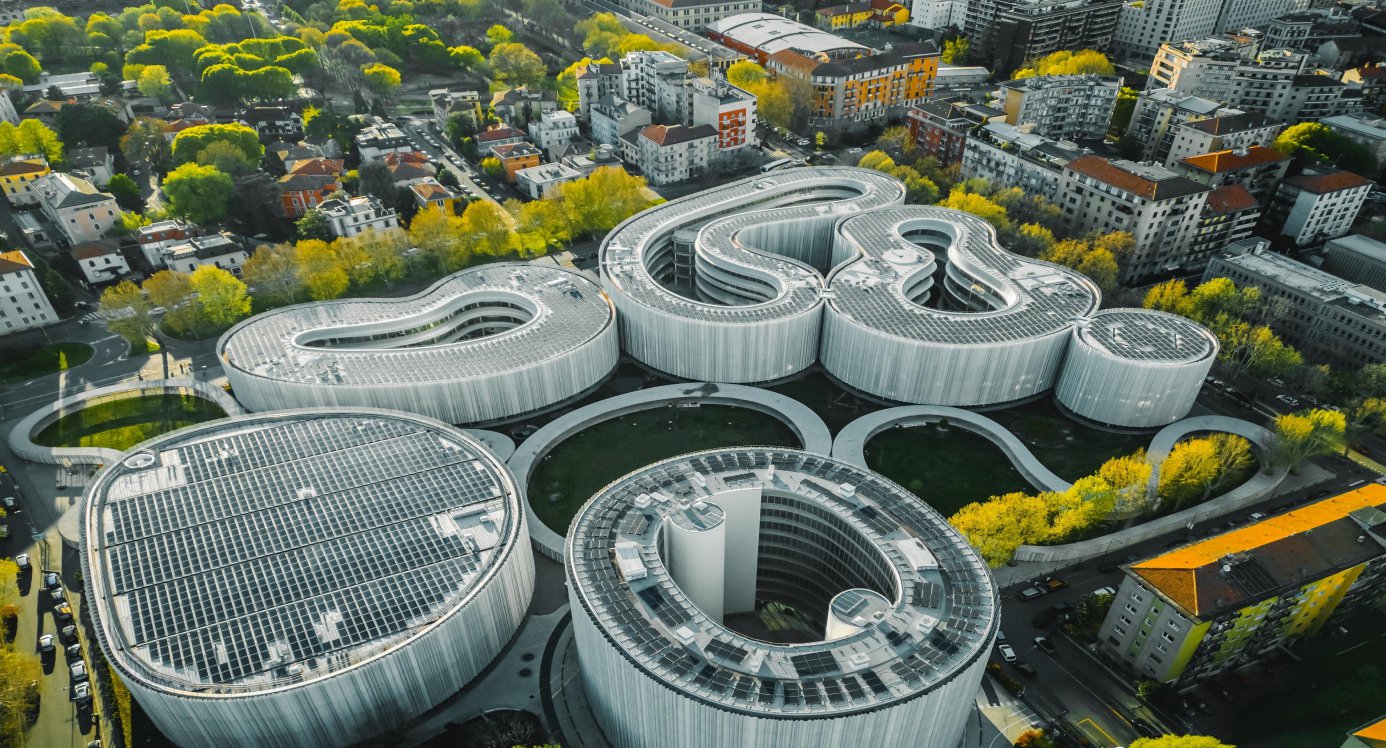
Higher education in Italy is based on the Bologna system and is divided into three levels: bachelor’s degree, master’s degree and doctoral degree. Italian universities are renowned for their rich academic tradition, diverse programmes, and high-quality education, especially in fields such as architecture, art, economics, fashion, engineering, and medicine. Education is possible in both Italian and English, especially in master’s and postgraduate studies.
Bachelor’s degree (Laurea Triennale) — 3 years
Bachelor’s degree is the first stage of higher education, which lasts 3 years. Students master the basic and specialised disciplines in their chosen field: from humanities and social sciences to exact and natural sciences. At the end of the course, you must defend your final thesis (tesi di laurea). Admission to a bachelor’s degree requires a certificate of full secondary education, and in some cases, passing entrance exams or a preparatory programme (Foundation Year), especially for international students.
Master’s degree (Laurea Magistrale) — 2 years
After completing their bachelor’s degree, students can continue their studies in the master’s programme, which lasts 2 years. Here, the training becomes more specialised and research-based. Many master’s degree programmes are available in English, especially at universities such as Politecnico di Milano, Bocconi, LUISS, Sapienza, Bologna, and others. At the end of the programme, students defend their dissertation. A master’s degree opens the way to doctoral studies or a professional career.
Doctoral studies (Dottorato di Ricerca) — 3 years
Doctoral studies in Italy last at least 3 years and focus on scientific and academic activities. The competition for doctoral places is highly competitive; applicants are required to have a master’s degree, a research proposal, and a high academic rating. Most PhD programmes are accompanied by scholarships. The training includes work on a dissertation, publications, participation in scientific conferences and teaching.
Types of universities
There are several types of higher education institutions in Italy:
- Universities of a general profile (Università) are the most widespread, covering a wide range of areas.
- Polytechnic Institutes (Politecnici) — specialise in engineering, architecture, and technology.
- Higher schools (Scuole Superiori) are elite educational institutions with competitive selection (for example, the Scuola Normale Superiore in Pisa).
- Academies of Arts and conservatories are for creative professions.
All universities are subordinate to the Ministry of Universities and Scientific Research (MUR) and are required to comply with uniform academic standards.
Tuition fees and scholarships
Studying at public universities in Italy is relatively affordable. The average cost ranges from 900 to 2,500 euros per year, depending on the university, region, and family income (according to ISEE).
International students can apply for scholarships, including regional grants (DSU, EDISU, etc.), scholarships from universities, as well as international programmes (MAECI, Erasmus+).
DSU — Diritto allo Studio Universitario scholarships are provided by regions (for example, DSU Toscana, EDISU Piemonte, ER-GO in Emilia-Romagna) and are aimed at helping low-income students.
The DSU scholarship may include:
- Full or partial tuition fee waiver.
- Free or subsidised accommodation in a student dormitory.
- Meals in university canteens.
- A small monthly cash allowance (an average of 1,500 to 5,000 euros per year, depending on the region).
To apply, the student must:
- Demonstrate low family income (usually through ISEE documents or equivalent).
- Be enrolled in an accredited academic programme (Bachelor’s degree, master’s degree, or PhD).
- Successfully pass exams and keep up with the curriculum.
Scholarships are available to both Italian and international students on equal terms, and applications can be submitted online, usually between June and September.
Programmes in English
In 2025, more than 500 academic programmes at Italian universities will be available entirely in English. This makes Italy especially attractive for international students who do not speak Italian.
Such programmes are most often offered at large internationally oriented universities, including:
- Politecnico di Milano — technical and engineering specialties, architecture.
- Bocconi University (Milan) — economics, finance, international business.
- University of Bologna — a wide range of programmes, including biomedicine, international relations, human rights.
- Sapienza University of Rome — medicine, bioengineering, ecology.
- LUISS (Rome) — political science, international business, law.
English-language programmes are most often offered at the master’s degree (Laurea Magistrale) and bachelor’s degree (Laurea Triennale) levels. Admission requires proof of English language proficiency (usually IELTS from 6.0 or TOEFL from 80), a motivation letter and recommendations.
How to apply to universities in Italy
Since 2022, Italy has switched to centralised filing of documents through the platform. University.it. In 2025, it is the main tool for registration and application for bachelor’s and master’s degree programmes for foreign applicants.
1. Select a programme and university
Decide on the level of education — bachelor’s degree (Laurea Triennale), master’s degree (Laurea Magistrale) or postgraduate degree (Dottorato di Ricerca).
Find a suitable programme on the official websites of universities or through the portal www.universitaly.it.
Specify the admission requirements, deadlines, language of instruction (Italian or English), cost, and the possibility of receiving a scholarship.
2. Prepare the necessary documents
Document | Comment |
Certificate or diploma of prior education | Certified translation into Italian/English |
Academic transcript / supplement | List of subjects and grades |
Language proficiency certificate | IELTS/TOEFL for English-taught programmes; CELI/CILS/PLIDA for Italian-taught |
Passport | Scan of the main page |
Motivation letter | Explanation of why you chose this programme |
Recommendation letters (if required) | From professors or employers |
Portfolio (for creative programmes) | Mandatory for architecture, design, etc. |
3. Register on the Universitaly platform
- Go to www.universitaly.it and create a personal account.
- Fill out the student application form.
- Select the university(s) and programme(s) you want to apply for.
- Attach all required documents digitally.
- Confirm and submit the application for review.
Application deadline: most often from March to July (but you need to check with each university — there are winter sets and early deadlines in February—April).
4. Expect pre-approval (pre-enrollment)
After submitting the application, the university checks the documents and sends the decision. If the application is approved, you will receive a preliminary enrollment (letter of eligibility). The University enters your application into the database for the embassies/consulates of Italy.
5. Get a study visa (Type D)
With approval from Universitaly, you can apply for a visa at the Italian consulate of your country. You will usually need:
- A passport.
- Confirmation of admission.
- Documents confirming financial viability (€6,500+/year).
- Medical insurance.
- Proof of residence in Italy (rental agreement, letter from the university on the provision of a dormitory).
6. Arrival in Italy and final enrollment
Upon arrival:
- Complete the final registration at the university.
- Pay for your studies (if you haven’t received a full scholarship).
- Get a student card and access to university services.
- Apply for a permesso di soggiorno — a residence permit for study.
Our experts will select a property in Italy for your family for any investment purpose.
Contact us
We will send you a content digest not more than once a week