Montenegro Real Estate Investment: Guide for International Buyers in 2026
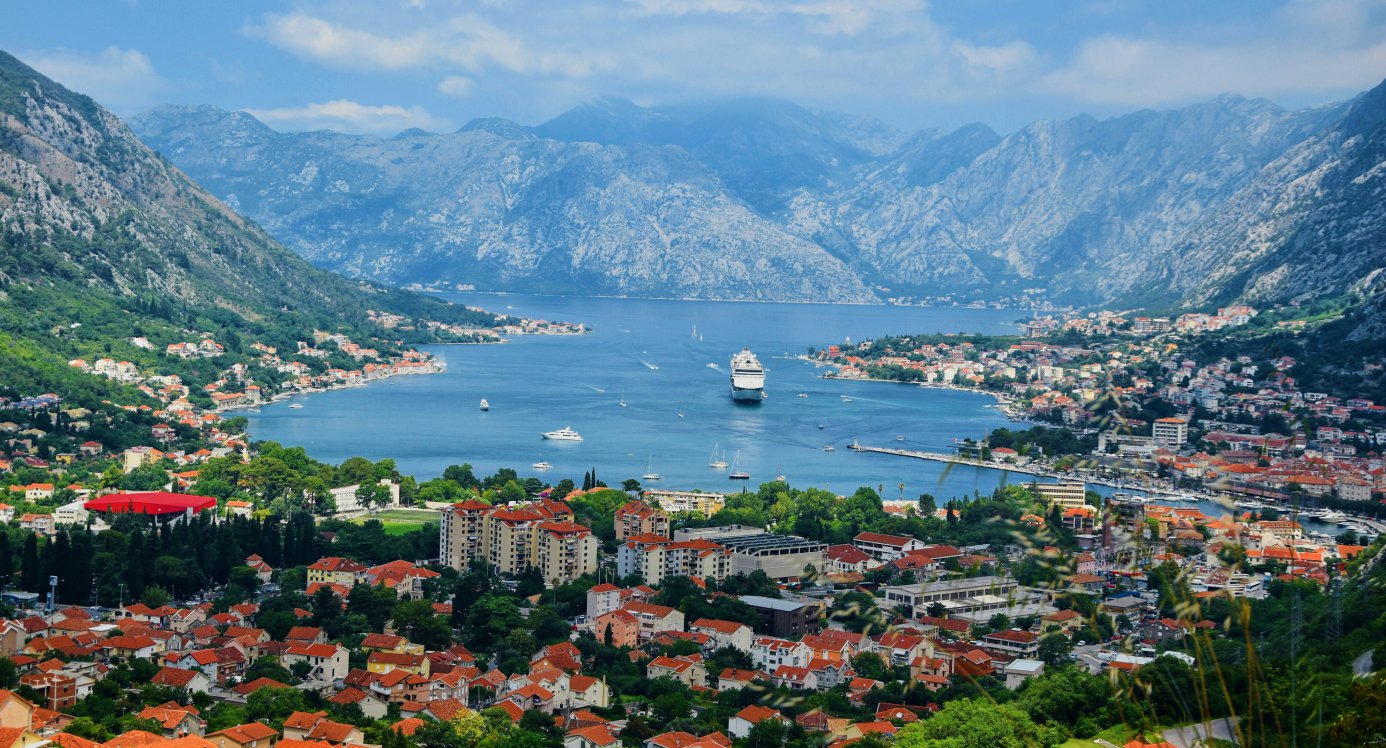
Montenegro has become an increasingly visible destination for international property buyers looking for a combination of Adriatic lifestyle, tourism-driven rental demand and comparatively accessible entry prices. For investors considering Montenegro real estate investment, the market offers several distinct strategies, from holiday apartments on the coast to luxury residences, long-term rentals in Podgorica and development opportunities.
Interest from foreign capital remains significant. According to the Central Bank of Montenegro, foreign investment in real estate reached €361.8 million in the first nine months of 2025, up almost 13% year on year. Montenegro also uses the euro as its domestic currency, reducing currency-conversion risk for investors whose capital or income is already denominated in euros.
Why Invest in Montenegro Real Estate?
There are several reasons why international buyers consider investing in Montenegro. One is location. Montenegro combines a relatively short Adriatic coastline with established resort destinations such as Budva, Kotor and Tivat. The coast attracts both holidaymakers and buyers looking for second homes, while Podgorica has a more conventional year-round residential rental market.
Another factor is Montenegro’s use of the euro. Although the country is not yet an EU member or a member of the euro area, the euro has been its official means of payment since 2002. This can make a Montenegro property investment easier to evaluate for European investors because acquisition prices, rents and operating costs are generally denominated in the same currency.
Montenegro’s ongoing EU accession process is another long-term consideration. It remains an EU candidate country, and by July 2026, 16 of the 33 screened negotiating chapters had been provisionally closed. EU accession should not be treated as a guaranteed source of property appreciation, but continued regulatory and infrastructure alignment with the EU can influence investor sentiment.
Finally, Montenegro offers different price levels within a relatively small market. Investors can choose between premium marina and waterfront developments, traditional coastal apartments, urban properties and lower-priced locations outside the main resort areas.
Montenegro Real Estate Market Overview
The Montenegrin property market is highly segmented. Prices and investment characteristics vary considerably between prime coastal destinations, secondary seaside towns, Podgorica and the country’s northern regions.
Official statistics show that the average price of newly built residential property reached €2,557 per m² in Montenegro in the second quarter of 2026. The average was €2,838 per m² in the coastal region and €2,510 per m² in Podgorica. These figures cover first sales of newly built dwellings rather than the entire resale market, so they should be used as market indicators rather than direct valuation benchmarks for individual properties.
Key Market Trends
Foreign buyers remain an important source of demand, particularly on the coast. Recent market activity has also been concentrated around tourism-oriented residential developments, branded residences and integrated resorts.
The most important trends for investors include:
- continued demand for coastal apartments and holiday homes;
- expansion of premium and branded residential projects;
- strong differentiation between prime waterfront property and the broader market;
- growing new-build prices;
- demand for professionally managed properties that can be rented without the owner being permanently present in Montenegro.
Investors should therefore avoid treating Montenegro as a single market. A one-bedroom apartment in central Budva, a branded residence in Tivat and a long-term rental unit in Podgorica are fundamentally different investment products.
Main Property Segments
Apartments represent the most accessible segment for many foreign investors. They can be suitable for holiday rentals, long-term leases or mixed personal and investment use.
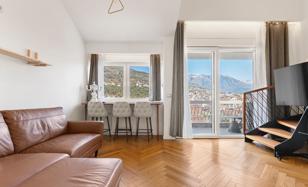 315,000 €
Total area 68 m² 2 bedrooms
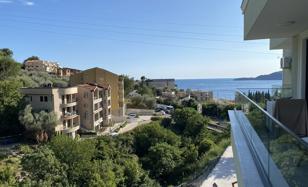 189,000 €
Total area 54 m² 1 bedroom
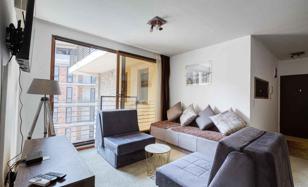 186,000 €
Total area 40 m² 1 bedroom
 871,000 €
Total area 136 m² 3 bedrooms
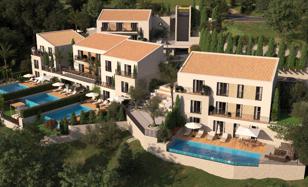 From 3,200,000 €
Completion in: 2027.I 5 units in total
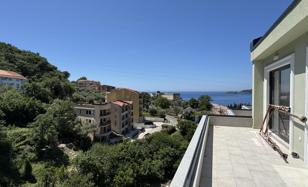 97,000 €
Total area 28 m² 1 bathroom
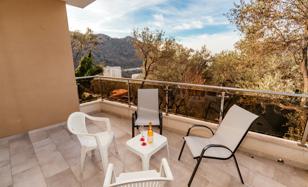 104,000 €
Total area 45 m² Studio
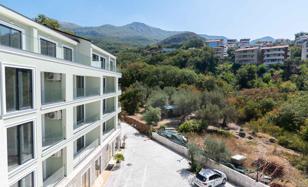 98,000 €
Total area 26 m²
Villas are concentrated primarily in coastal locations and often target lifestyle buyers rather than purely yield-focused investors.
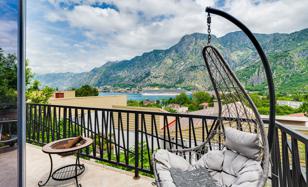 600,000 €
Total area 120 m² 4 bedrooms
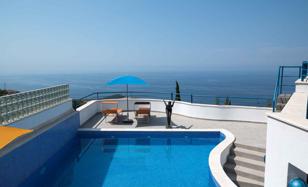 1,199,000 €
Total area 600 m²
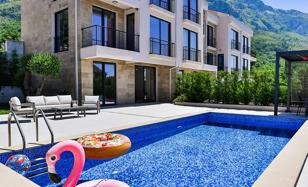 738,000 €
Total area 223 m² Land area: 379 m²
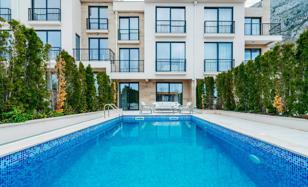 687,000 €
Total area 220 m² Land area: 262 m²
From 3,200,000 €
Completion in: 2027.I 5 units in total
 620,000 €
Total area 179 m² Land area: 616 m²
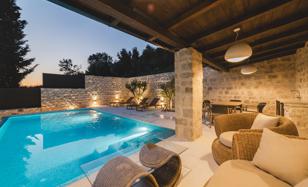 950,000 €
Total area 195 m² 2 bedrooms
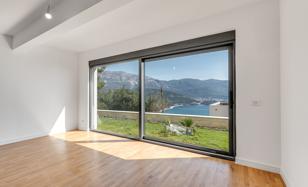 1,100,000 €
Total area 153 m² 3 bedrooms
Resort and branded residences typically offer professional management, amenities and stronger international marketing, but purchase prices and service charges can be considerably higher. Commercial property may appeal to investors targeting local business demand, tourism or hospitality.
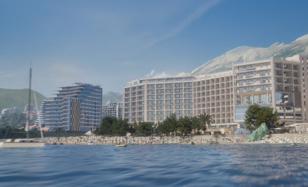 10,380,000 €
Total area 1,495 m² 12-floor building
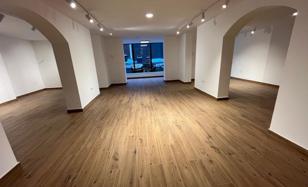 265,000 €
Total area 160 m² 1 floor
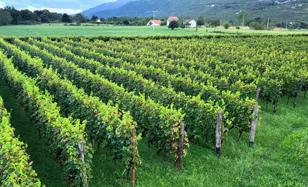 599,000 €
Total area 230 m² Land area: 5,453 m²
 10,000,000 €
Total area 2,000 m² Land area: 1,500 m²
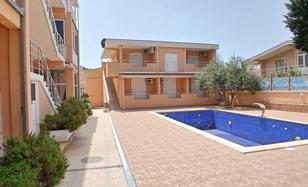 1,999,000 €
Total area 1,065 m² Land area: 1,440 m²
 2,500,000 €
Total area 500 m² Room stock: 20
1,800,000 €
Total area 550 m² Land area: 400 m²
 1,323,000 €
Total area 400 m² 11-floor building
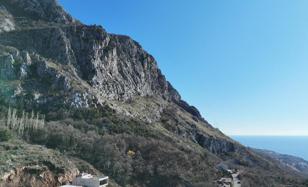
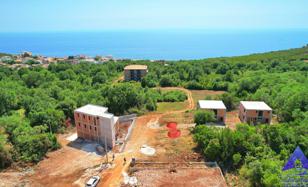
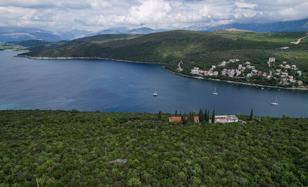
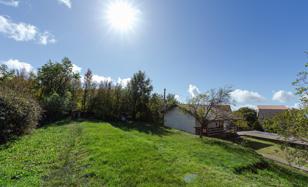
Development land can offer greater upside but involves substantially more planning, construction, legal and liquidity risk than buying a completed residential unit.
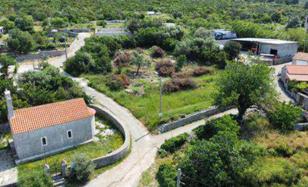 219,000 €
Land area: 1,538 m²
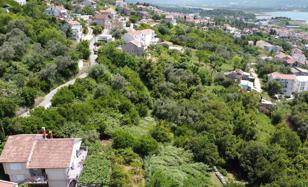 685,000 €
Land area: 1,240 m²
 290,000 €
Land area: 1,262 m²
 195,000 €
Land area: 1,002 m²
 1,272,000 €
Land area: 5,000 m²
 150,000 €
Land area: 1,000 m²
 542,000 €
Land area: 542 m²
Best Locations for Property Investment in Montenegro
Location is one of the most important factors in real estate investment in Montenegro because both rental demand and resale liquidity can vary sharply between municipalities.
Budva
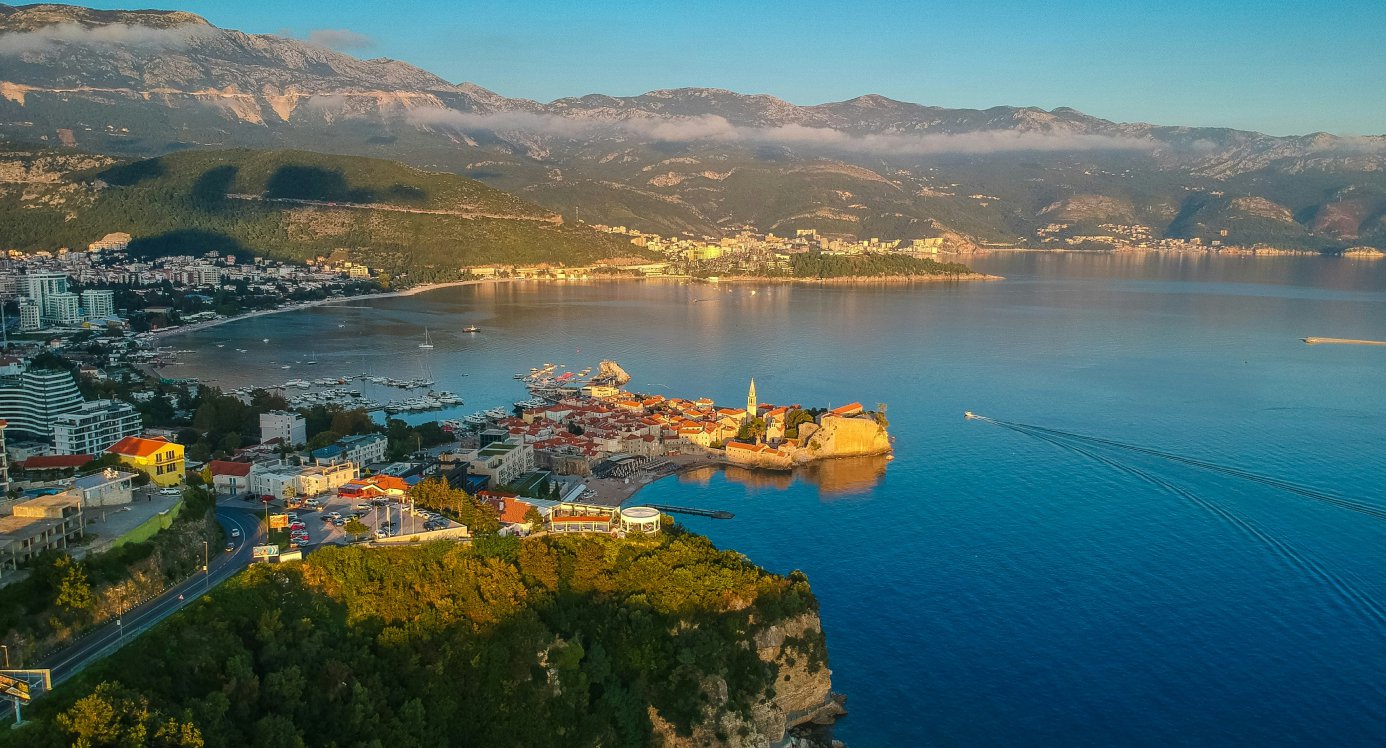
Budva is one of Montenegro’s best-known seaside destinations and has a large market for apartments, holiday accommodation and new residential developments. For investors, its main advantage is tourism demand. Centrally located apartments close to beaches, restaurants and the Old Town can suit short-term rental strategies.
The trade-off is seasonality. Properties intended primarily for summer visitors may generate a significant share of their annual income within a relatively short period. Competition between rental apartments is also higher than in smaller resort destinations.
189,000 €
Total area 54 m² 1 bedroom
1,199,000 €
Total area 600 m²
186,000 €
Total area 40 m² 1 bedroom
738,000 €
Total area 223 m² Land area: 379 m²
871,000 €
Total area 136 m² 3 bedrooms
687,000 €
Total area 220 m² Land area: 262 m²
From 3,200,000 €
Completion in: 2027.I 5 units in total
950,000 €
Total area 195 m² 2 bedrooms
Kotor and the Bay of Kotor
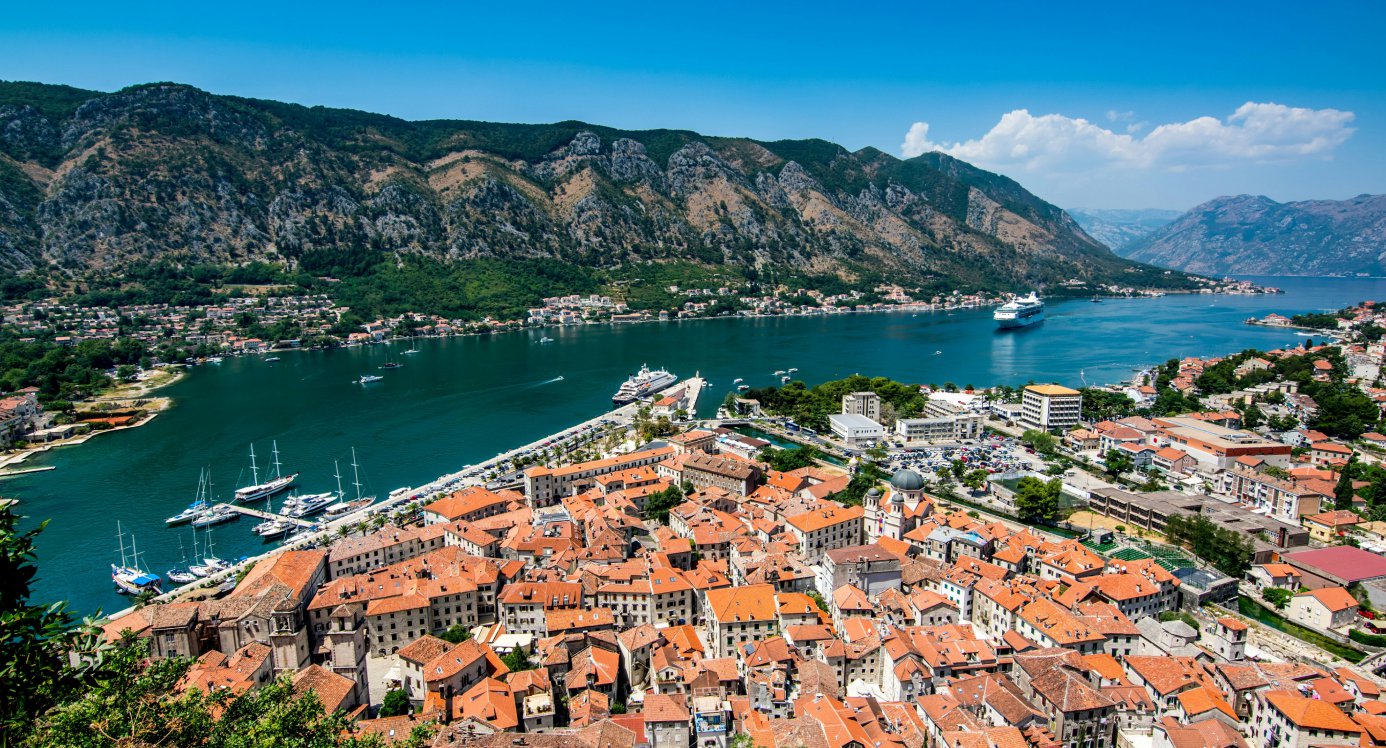
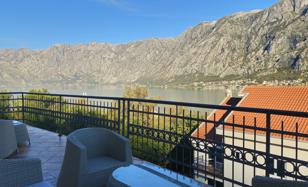
The Bay of Kotor combines historic towns, mountain scenery and waterfront settlements. Kotor itself has international recognition, while locations around the bay can appeal to buyers seeking premium or character properties.
Supply in historic and waterfront areas is naturally limited, which can support scarcity value. At the same time, older properties may require renovation, and investors should pay particular attention to legal status, planning restrictions and maintenance.
The area is particularly relevant to investors prioritising long-term value, lifestyle appeal and premium holiday demand rather than simply maximising the number of rentable units.
600,000 €
Total area 120 m² 4 bedrooms
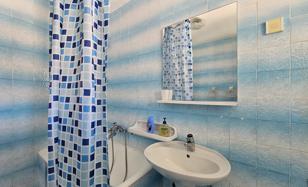 470,000 €
Total area 149 m² Land area: 168 m²
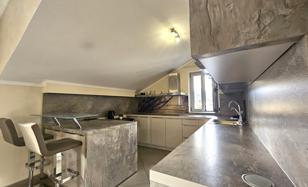 395,000 €
Total area 95 m² 3 bedrooms
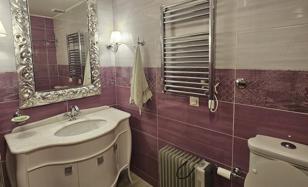 1,350,000 €
Total area 206 m² Land area: 280 m²
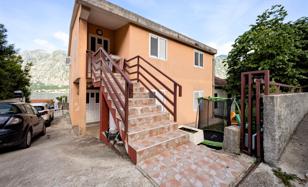 750,000 €
Total area 175 m² Land area: 241 m²
 272,000 €
Total area 97 m² 2 bedrooms
 1,950,000 €
Total area 125 m² 3 bedrooms
 1,325,000 €
Total area 131 m² 2 bedrooms
Tivat
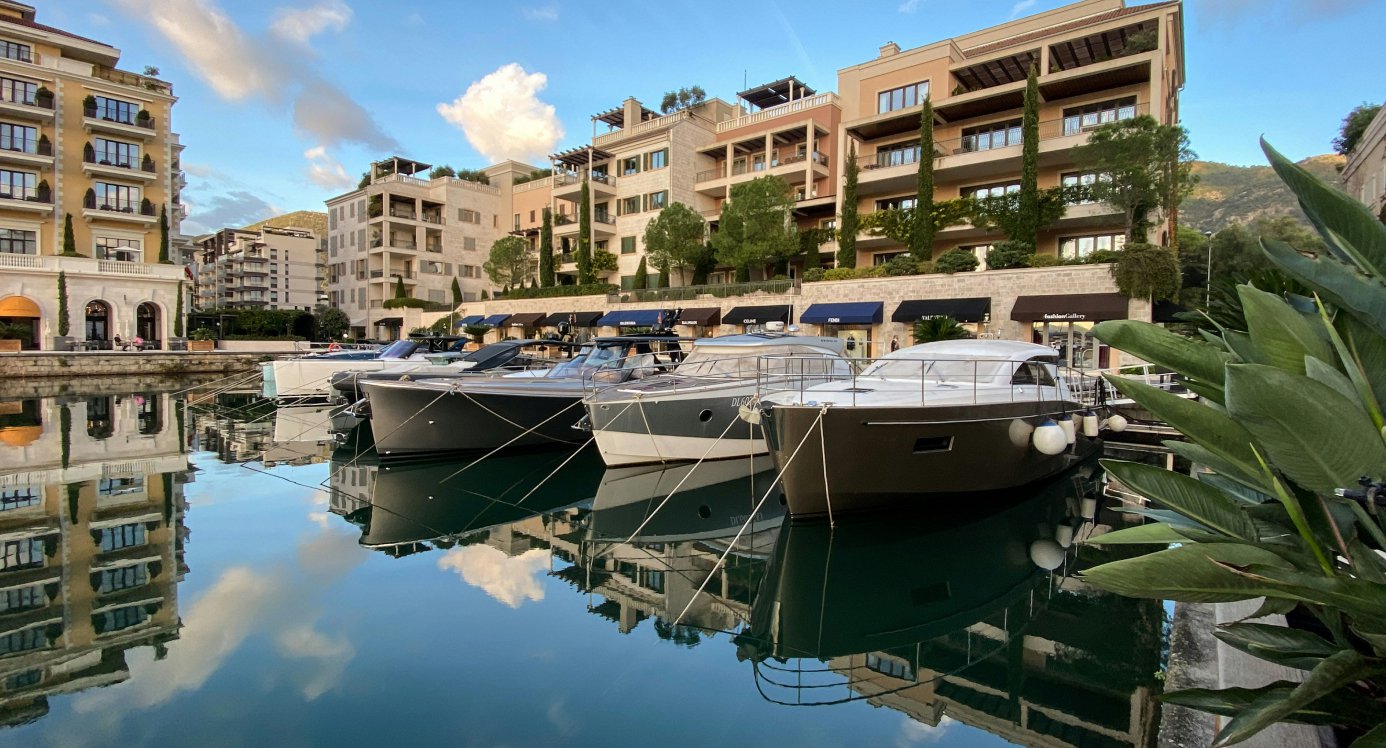
Tivat has developed into one of Montenegro’s main premium real estate markets, supported by marina-led development and international luxury projects. Properties here can attract affluent international tenants and second-home buyers.
The market includes apartments, waterfront residences and branded projects with extensive services. However, entry prices in prime locations are high. Investors considering Tivat should compare expected net rental income with annual service charges and the premium paid for the project’s brand, marina location or amenities.
315,000 €
Total area 68 m² 2 bedrooms
 890,000 €
Total area 424 m² Land area: 465 m²
 2,200,000 €
Total area 472 m² Land area: 597 m²
 2,400,000 €
Total area 351 m² Land area: 411 m²
 1,590,000 €
Total area 146 m² 2 bedrooms
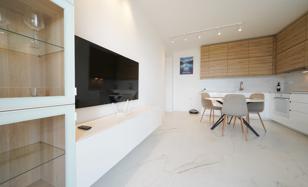 335,000 €
Total area 66 m² 2 bedrooms
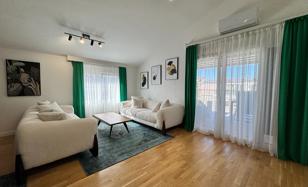 400,000 €
Total area 93 m² 2 bedrooms
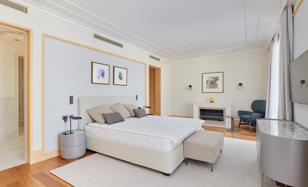 3,533,000 €
Total area 268 m² 3 bedrooms
Herceg Novi
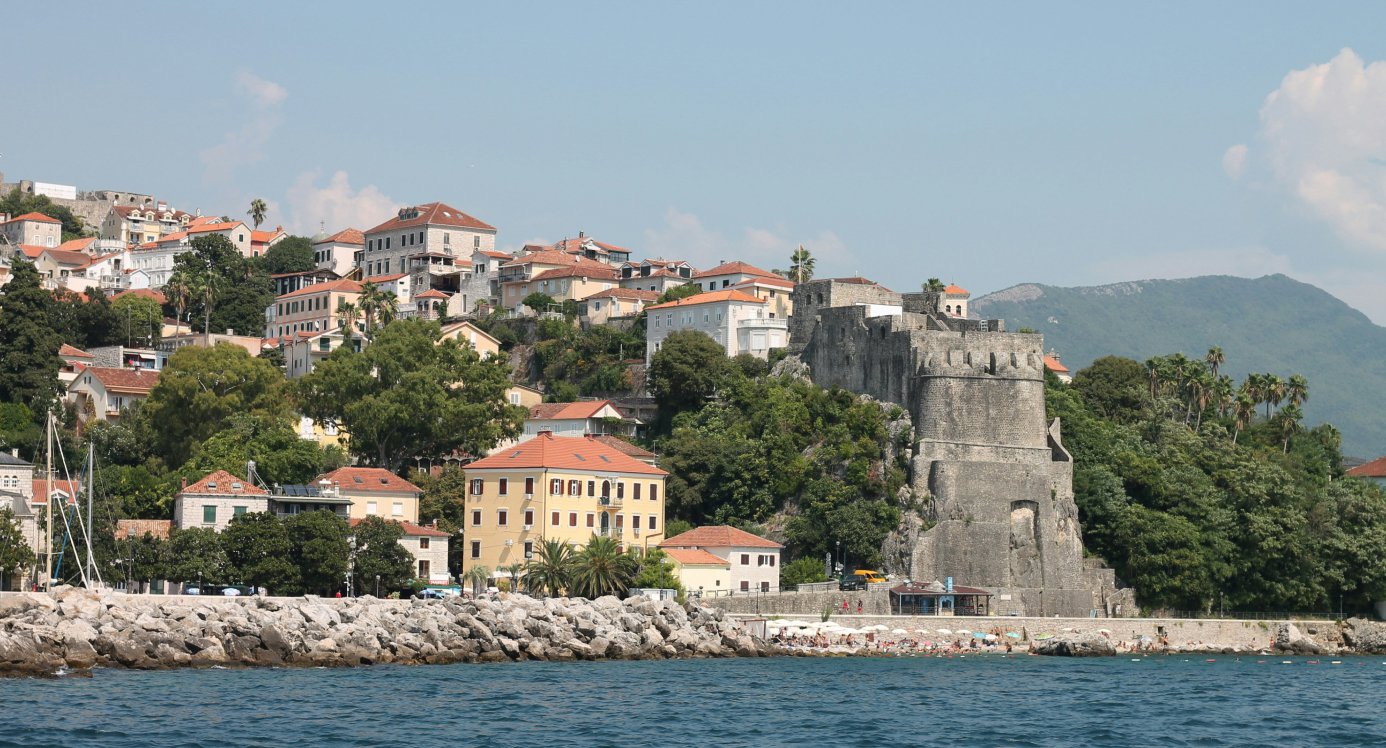
Herceg Novi offers a combination of established residential areas, tourism and access to the Bay of Kotor. For a property investment in Montenegro, it can provide an alternative to the higher-profile markets of Tivat and Kotor.
It may suit investors looking for holiday homes that also have potential for medium- or long-term rental. Accessibility, gradients, parking and distance from the waterfront can have a particularly strong influence on the attractiveness of individual properties.
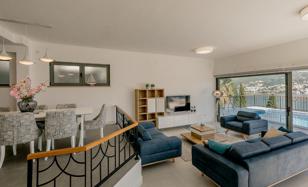
620,000 €
Total area 179 m² Land area: 616 m²
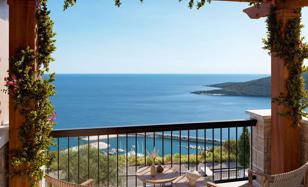
 850,000 €
Total area 236 m² Land area: 427 m²
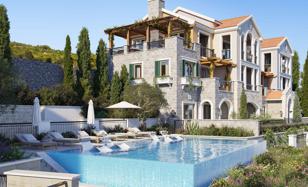
 737,000 €
Total area 77 m² 1 bedroom
 299,000 €
Total area 40 m² 1 bathroom
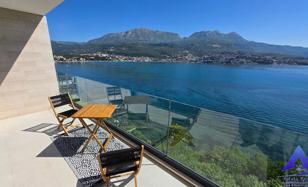
 425,000 €
Total area 40 m² 1 bathroom
 300,000 €
Total area 57 m² 2 bedrooms
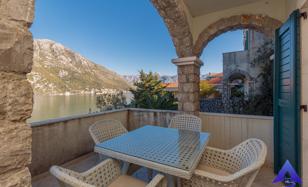 357,000 €
Total area 84 m² 2 bedrooms
 500,000 €
Total area 44 m² 1 bedroom
Bar
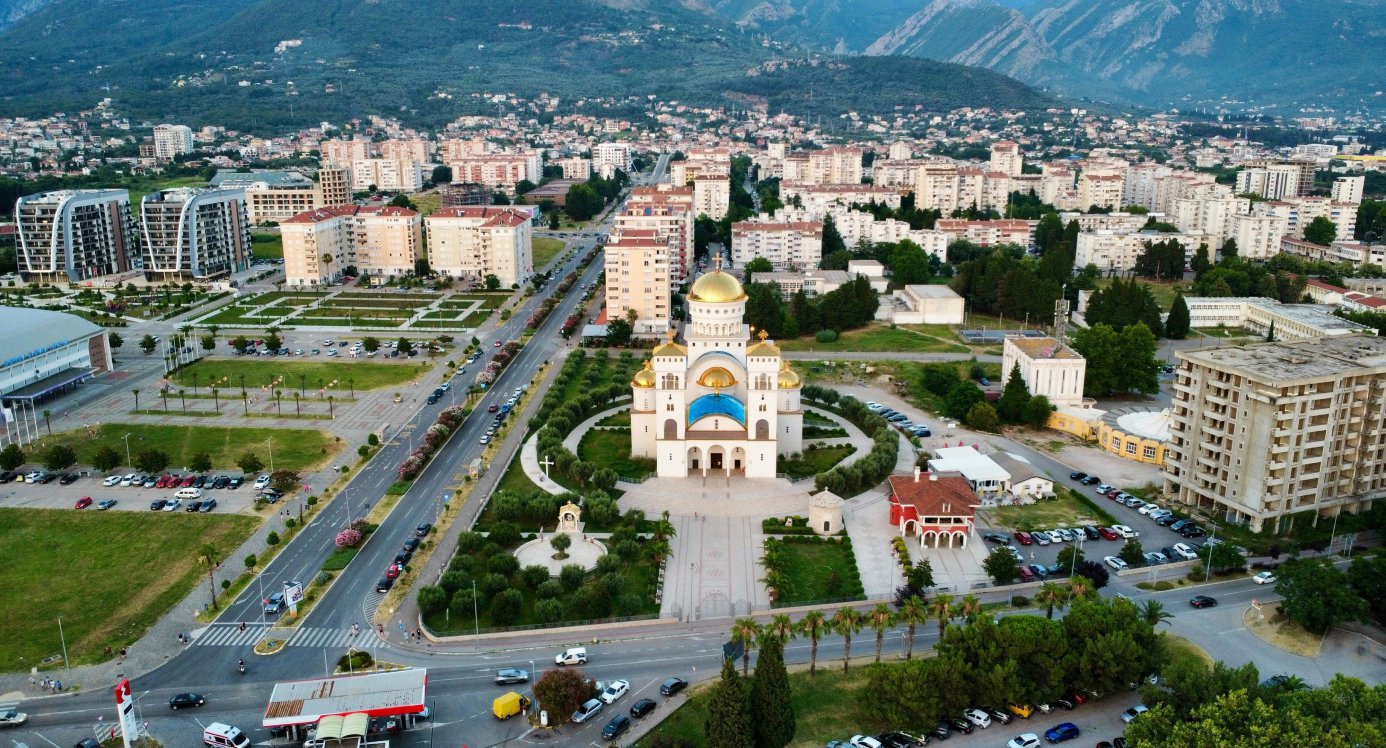
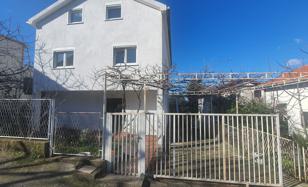
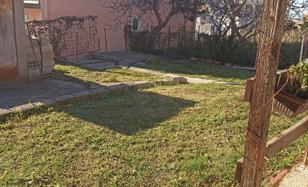
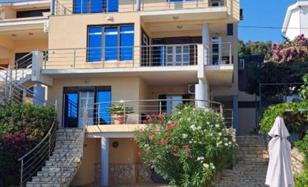
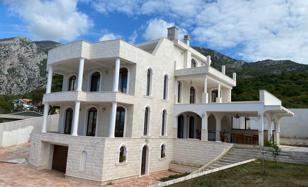
Bar is generally more residential in character than Budva and Tivat. It can appeal to buyers looking for lower entry prices on the coast and greater exposure to year-round local demand. Rather than focusing exclusively on short-term tourism, investors in Bar can consider long-term tenants, owner-occupiers and mixed rental strategies.
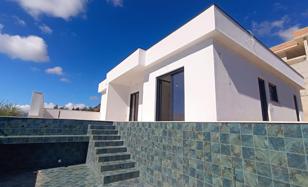 380,000 €
Total area 198 m² Land area: 600 m²
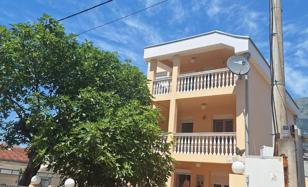 260,000 €
Total area 220 m² Land area: 400 m²
 126,000 €
Total area 170 m² Land area: 297 m²
 105,000 €
Total area 90 m² Land area: 250 m²
 650,000 €
Total area 235 m² Land area: 400 m²
 990,000 €
Total area 330 m² Land area: 803 m²
 2,325,000 €
Total area 522 m² Land area: 1,660 m²
 3,400,000 €
Total area 480 m² Land area: 1,430 m²
Podgorica
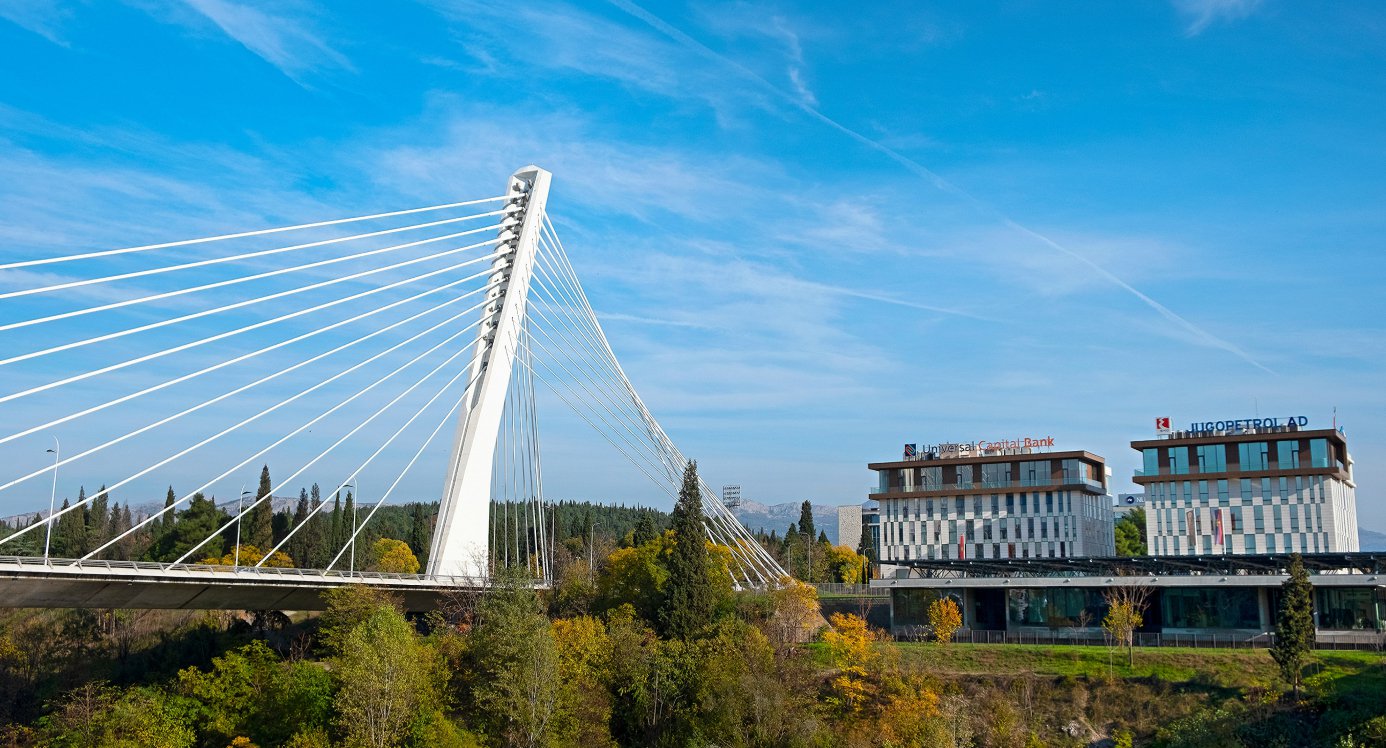
Podgorica offers a fundamentally different investment case. As the capital and main business centre, its rental demand is less dependent on summer tourism. Apartments close to employment centres, universities, public services and transport can be suitable for longer-term rental strategies. Investors seeking predictable occupancy rather than maximum peak-season rental rates may therefore prefer Podgorica to the coastal resorts.
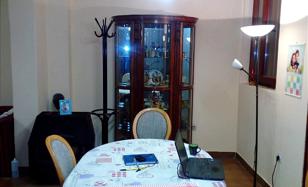 1,165,000 €
Total area 550 m² Land area: 1,385 m²
 1,300,000 €
Total area 293 m²
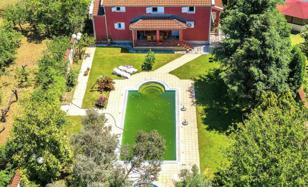 485,000 €
Total area 250 m² Land area: 2,500 m²
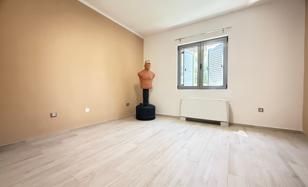 788,000 €
Total area 320 m² Land area: 750 m²

 173,000 €
Total area 46 m² 1 bedroom
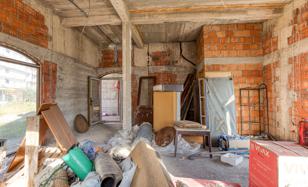 1,667,000 €
Total area 400 m² 6 bedrooms
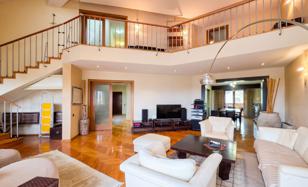 651,000 €
Total area 281 m² 4 bedrooms
Montenegro Investment Opportunities by Strategy
There is no single best form of Montenegro investment property. The appropriate choice depends on the investor’s objective.
Buy-to-Let Property
A buy-to-let investor can choose between long-term and short-term rentals. Long-term renting can offer more predictable occupancy and lower turnover costs. It is particularly relevant in Podgorica and locations with a permanent residential population.
Holiday letting can produce higher nightly rates in popular coastal destinations, but income is more seasonal and management-intensive. Cleaning, guest communication, booking platform charges and periods of vacancy all need to be included in return calculations.
Capital Appreciation
Investors seeking appreciation generally focus on locations where demand is increasing, infrastructure is improving or new high-quality projects are changing the local market. Buying at an early stage of construction can sometimes provide favourable pricing, but it adds developer and completion risk. Capital growth should therefore be treated as a potential return rather than a guaranteed outcome.
Luxury and Resort Real Estate
Luxury developments are an increasingly visible part of Montenegro investment opportunities. Their advantages may include:
- professional property management;
- concierge and hospitality services;
- pools, gyms, marinas or private beaches;
- stronger international marketing;
- easier hands-off ownership.
The disadvantages are typically higher acquisition prices and recurring service charges. An investor should calculate returns after these costs rather than comparing headline rental revenue alone.
From 3,200,000 €
Completion in: 2027.I 5 units in total
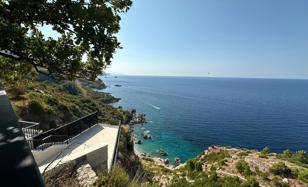 2,900,000 €
Total area 443 m² Land area: 1,500 m²
2,200,000 €
Total area 472 m² Land area: 597 m²
2,400,000 €
Total area 351 m² Land area: 411 m²
1,590,000 €
Total area 146 m² 2 bedrooms
1,950,000 €
Total area 125 m² 3 bedrooms
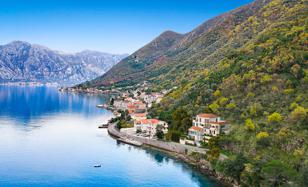 1,500,000 €
Total area 400 m² Land area: 370 m²
 2,521,000 €
Total area 288 m² 3 bedrooms
Land and Development Opportunities
Building plots and development sites offer a different risk-return profile. Potential returns can be higher because value may be created through planning, construction or subdivision.
At the same time, investors need to analyse zoning, road access, utilities, building parameters and title documentation before acquisition. Foreign ownership restrictions can also be more relevant when buying land than when purchasing a conventional apartment.
How Much Does It Cost to Invest in Montenegro Property?
Investment budgets vary widely by location and property type. As a broad market reference, MONSTAT reported an average new-build price of €2,557 per m² nationally in Q2 2026 and €2,838 per m² for the coastal region.
Individual developments in prime parts of Budva, Kotor and especially Tivat can be substantially above regional averages. Buyers should budget for more than the advertised purchase price.
Additional costs can include:
- property transfer tax where applicable;
- notary fees;
- cadastral and registration charges;
- legal due diligence;
- translations;
- agency fees where payable by the buyer;
- furnishing and fit-out;
- annual property tax;
- building or resort service charges.
The treatment also differs between new construction and resale property. The first transfer of a newly constructed property is generally subject to VAT rather than real estate transfer tax.
Expected Returns from Montenegro Property Investment
Returns depend on location, purchase price, rental model and operating costs. There is no meaningful national rental-yield figure that applies equally to the coast, Podgorica and luxury developments.
Rental Yields
Short-term coastal rentals can benefit from strong summer demand, but investors need to calculate annual rather than peak-season returns. A useful formula is:
- Gross rental yield = annual rental revenue ÷ purchase price × 100
For investment decisions, however, net yield is more informative:
- Net rental yield = annual rental income after operating expenses ÷ total acquisition cost × 100
Expenses may include property management, utilities, maintenance, insurance, service charges, taxes, cleaning and vacancy.
Capital Growth
Potential appreciation depends on factors including:
- scarcity of comparable properties;
- construction quality;
- infrastructure improvements;
- international demand;
- availability of new supply;
- property management;
- accessibility and surrounding development.
Official new-build data indicate that prices have risen in recent periods, but past price increases should not be assumed to continue at the same rate.
Costs that Affect Net Returns
A property generating attractive gross rent can still produce a modest net return if management and service costs are high. This is particularly important for resort properties, where annual maintenance charges may pay for pools, landscaping, security, reception, beach facilities and other services. Before investing, buyers should request a full annual cost estimate and calculate returns under conservative occupancy assumptions.
Can Foreigners Buy Property in Montenegro?
Foreign nationals can generally purchase apartments, houses and many other types of property in Montenegro, but restrictions apply to certain categories of real estate. Foreign persons cannot directly acquire some categories including certain agricultural land, forests and forest land, properties of particular cultural or strategic importance and some other restricted areas.
There are limited statutory exceptions, including certain cases involving a residential building with up to 5,000 m² of associated agricultural or forest land. For a standard apartment purchase, foreign ownership is common: Montenegro’s Real Estate Administration reported approximately 50,000 buildings or individual parts of buildings held by foreign nationals in its 2025 data.
Property ownership and immigration status should nevertheless be considered separately. Owning real estate may provide a basis for applying for temporary residence under Montenegro’s immigration rules, but buyers should not assume that purchasing any property automatically provides permanent residence or citizenship.
Property Buying Process in Montenegro
A typical purchase involves several stages.
1. Define the Investment Strategy
The investor should first determine whether the priority is rental income, capital appreciation, personal use, diversification or a combination of these objectives. This decision affects almost every subsequent choice, including location, property size and whether a new-build or resale property is more suitable.
2. Select a Location and Property
Compare properties based on total investment cost rather than asking price alone. For rental investments, consider seasonality, walking distance to amenities, parking, views, property management and realistic occupancy.
3. Conduct Legal Due Diligence
Before committing significant funds, the buyer should verify:
- registered ownership;
- mortgages and other encumbrances;
- cadastral information;
- building and planning status;
- outstanding utility and communal obligations;
- legal access to the property;
- any existing leases or third-party rights.
These checks are especially important for older houses, land and properties that have undergone extensions or reconstruction.
4. Sign the Purchase Agreement
Real estate transfer agreements in Montenegro must be notarised. The contract should clearly define the property, price, payment schedule, handover conditions and obligations of the parties.
5. Complete Payment and Registration
Legal ownership is acquired through registration in the real estate cadastre. The notary normally submits the relevant documents following notarisation. Applicable purchase taxes and administrative costs also need to be settled.
6. Arrange Property Management
For overseas investors, management can materially affect profitability. Depending on the strategy, services can include finding tenants, marketing holiday accommodation, check-ins, cleaning, maintenance, utility administration and financial reporting.
Taxes on Real Estate Investment in Montenegro
Tax should be included in the investment model from the beginning. For property transactions subject to real estate transfer tax, the current progressive rates are:
Property value | Real estate transfer tax |
Up to €150,000 | 3% |
€150,000.01—€500,000 | €4,500 + 5% of the amount above €150,000 |
Above €500,000 | €22,000 + 6% of the amount above €500,000 |
The first transfer of a newly constructed property is generally subject to VAT rather than transfer tax. The standard VAT rate is 21%. Changes introduced in 2026 also brought supplies of construction land within the VAT framework in relevant cases.
Owners also pay annual property tax. The statutory rate generally ranges from 0.25% to 1% of the property’s market value, with the actual liability depending on local rules and the characteristics of the property.
For individuals, rental income is generally taxed at 15% after allowable expenses. Standard expense deductions may apply when actual expenses are not documented. Capital gains from the sale of real estate are also generally taxed at 15%, subject to exemptions and the taxpayer’s circumstances.
For international investors, tax residency and applicable double-taxation treaties can affect the final tax position.
Financing a Property Investment in Montenegro
Bank financing is available in Montenegro, but foreign buyers should not assume that mortgage conditions will be identical to those in their home country. Banks assess applications individually, taking into account factors such as:
- residency;
- income source;
- employment or business history;
- creditworthiness;
- property valuation;
- size of the down payment;
- documentation supporting the source of funds.
Cash purchases remain common, particularly among international buyers. Market observers note that foreign equity and traditional bank lending remain the dominant financing sources for real estate transactions.
For investors comparing cash and leveraged purchases, the key question is whether the expected net return on the property comfortably exceeds the cost and additional risk of borrowing.
Risks of Investing in Montenegro Real Estate
Investing in Montenegro real estate offers opportunities, but investors should evaluate several risks:
- Seasonality. Coastal holiday rentals can be strongly concentrated around the summer period.
- Liquidity. A property in a narrow premium segment may take longer to resell than a conventional apartment aimed at a broader buyer base.
- Developer risk. Off-plan purchases depend on construction progress, financing and the developer’s ability to deliver the promised specification.
- Legal status. Title, planning and construction documentation require careful checking, particularly for older buildings and land.
- Operating costs. Resort service charges and professional management can significantly reduce net returns.
- Future supply. Large numbers of competing new units can limit rental growth and resale appreciation.
- Regulatory change. Montenegro is reforming a number of areas of law as part of its EU accession process, so tax, planning, immigration and property regulations can evolve.
The best protection against these risks is to purchase a property whose investment case still works under conservative assumptions rather than relying on maximum occupancy or rapid price appreciation.
New-Build vs Resale Property: Which is Better for Investors?
Factor | New build | Resale |
Entry price | Often higher in prime projects | Can offer lower-cost opportunities |
Rental potential | Strong for modern, well-located units | Depends heavily on condition and location |
Maintenance | Usually lower initially | Renovation may be required |
Payment terms | Instalments may be available during construction | Usually shorter payment period |
Capital appreciation potential | Can benefit from early-stage pricing | Value may be created through renovation |
Main risks | Developer and completion risk | Hidden defects and legal or renovation issues |
Neither option is automatically superior. A new development may suit an overseas investor seeking modern construction and professional management. A resale apartment may be preferable for a buyer looking for immediate rental income, an established location or an opportunity to add value through renovation.
How to Choose an Investment Property in Montenegro
A good investment property in Montenegro should be selected according to measurable investment criteria rather than appearance alone:
- Start with location. Analyse the area’s tenant profile, infrastructure and accessibility.
- Then assess rental demand. Determine whether tenants are primarily tourists, professionals, families, students or second-home residents.
- Review developer reputation and construction quality when buying new property.
- Calculate all recurring costs, particularly management and service charges.
- Consider exit liquidity. Ask who is likely to buy the property from you in five or ten years.
Finally, calculate returns using conservative assumptions. A property should ideally remain financially viable even if occupancy, rents or resale growth are below optimistic forecasts.
Is Montenegro a Good Place to Invest in Property?
Montenegro can be attractive for investors who want exposure to a relatively small European property market with strong tourism appeal, euro-denominated transactions and a significant international buyer base. The main advantages include:
- Adriatic coastal locations;
- established tourism destinations;
- use of the euro;
- access for foreign property buyers;
- a range of mainstream and premium developments;
- opportunities for both holiday and long-term rentals;
- Montenegro’s continuing integration with European institutions.
At the same time, the market has limitations. It is small, rental demand in many coastal locations is seasonal, liquidity differs considerably between projects and strong recent price growth means investors need to be increasingly selective.
The answer to why invest in Montenegro therefore depends on the strategy. For a lifestyle investor who also wants rental income, a well-located coastal apartment may work well.
A yield-focused investor may prefer a property with year-round demand in Podgorica. A buyer seeking long-term appreciation may focus on scarce waterfront locations or high-quality developments with limited competing supply.
Frequently Asked Questions
It can be, particularly for investors seeking a combination of tourism exposure, rental income and long-term capital appreciation. Results depend heavily on property selection, purchase price and operating costs.
Budva is popular for holiday rentals, Tivat for premium and luxury real estate, Kotor and the Bay of Kotor for scarce historic and waterfront property, and Podgorica for year-round residential rental demand. Bar and Herceg Novi can offer alternatives at different price points.
Yes. Foreigners can generally purchase apartments, houses and many commercial properties. Restrictions apply to certain types of land and strategically protected property.
There is no statutory minimum investment for a standard property purchase. Prices vary substantially between regions and developments. As a benchmark, the average price of newly built residential property was €2,557 per m² nationally and €2,838 per m² on the coast in Q2 2026.
Returns vary too widely for a single national figure to be reliable. Investors should calculate net yield for the individual property using realistic annual occupancy, rental rates, taxes, service charges and management costs.
Depending on the transaction, investors may face real estate transfer tax or VAT at acquisition, annual property tax, tax on rental income and capital gains tax when selling. Individual circumstances and tax treaties can change the final liability.
Budva tends to provide a broad holiday-rental market. Kotor offers scarcity and historic character. Tivat has a stronger concentration of premium marina and resort developments. The best choice depends on budget, expected returns and the intended tenant or future buyer.
Financing may be available, although approval and terms vary by bank and applicant. International buyers should compare financing costs with projected net investment returns before deciding to use leverage.
The main risks include seasonal rental demand, excessive purchase prices, limited resale liquidity in some segments, developer risk, legal or cadastral problems and underestimated property-management costs.
New builds can offer modern specifications, lower initial maintenance and professional management. Resale properties may provide better entry prices, immediate rental history and opportunities to increase value through renovation. Both can be attractive when purchased at the right price.
We will send you a content digest not more than once a week
Apartments for sale in Montenegro
Cheap property for sale Montenegro under 100k
Waterfront property for sale Montenegro