Montenegro Real Estate Market: Trends, Prices and Outlook in 2026
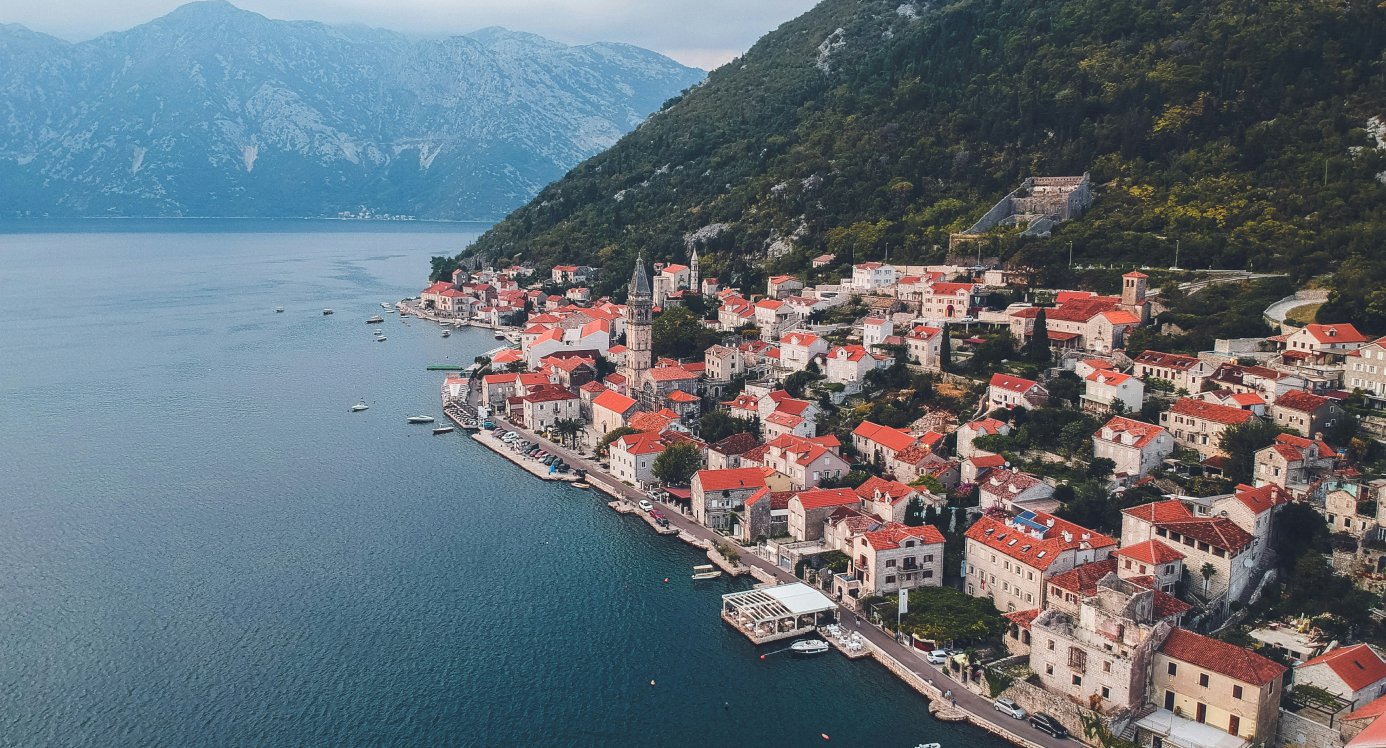
The Montenegro real estate market has experienced substantial growth in recent years, supported by rising property prices, foreign demand, tourism and continued development along the Adriatic coast. The market is relatively small, but it includes several distinct segments, from luxury resort residences in Tivat and Kotor Bay to holiday apartments in Budva and year-round residential property in Podgorica.
As of 2026, official statistics indicate that new-build prices are continuing to rise. At the same time, the gap between locations has become increasingly pronounced: premium coastal markets command substantially higher prices than more affordable cities and inland areas.
For buyers, this means that the Montenegro property market should not be assessed as a single national market. Location, property type, construction quality, rental demand and the target buyer segment can all have a major impact on pricing and resale potential.
Montenegro Real Estate Market Overview
Montenegro’s residential market can broadly be divided into two areas: the Adriatic coast and the country’s inland urban markets. Coastal real estate is more internationally oriented. Budva, Tivat, Kotor, Herceg Novi and Bar attract foreign investors, holiday-home buyers and people looking to relocate to Montenegro. Tourism and second-home demand therefore play a particularly important role in determining prices.
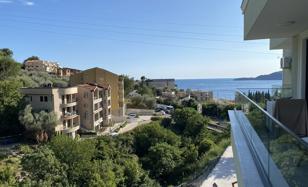 189,000 €
Total area 54 m² 1 bedroom
 871,000 €
Total area 136 m² 3 bedrooms
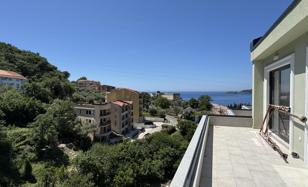 97,000 €
Total area 28 m² 1 bathroom
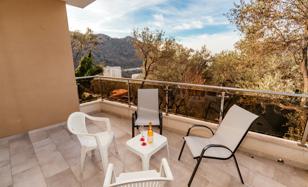 104,000 €
Total area 45 m² Studio
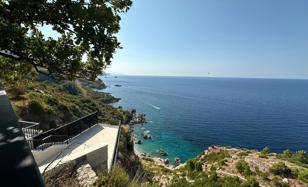 2,900,000 €
Total area 443 m² Land area: 1,500 m²
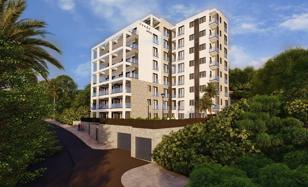 132,000 €
Total area 39 m² 1 bathroom
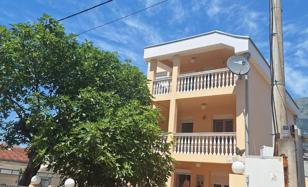 260,000 €
Total area 220 m² Land area: 400 m²
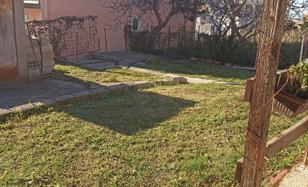 105,000 €
Total area 90 m² Land area: 250 m²
Podgorica has a different market profile. As the capital and largest business centre, it relies more heavily on local residents, professionals, families and long-term tenants. Property demand is less seasonal than in the coastal resorts.
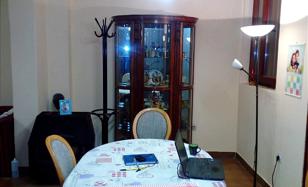 1,165,000 €
Total area 550 m² Land area: 1,385 m²
 1,300,000 €
Total area 293 m²
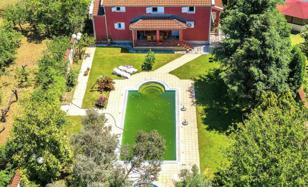 485,000 €
Total area 250 m² Land area: 2,500 m²
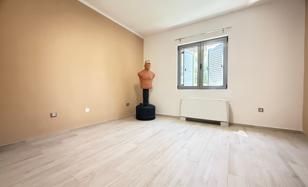 788,000 €
Total area 320 m² Land area: 750 m²
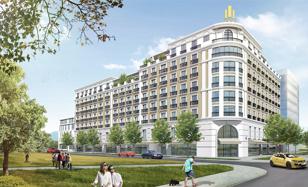
 173,000 €
Total area 46 m² 1 bedroom
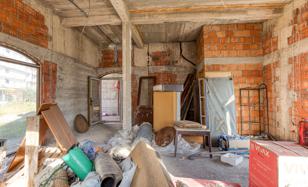 1,667,000 €
Total area 400 m² 6 bedrooms
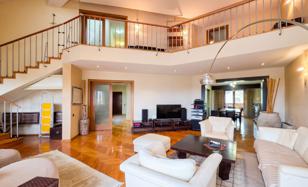 651,000 €
Total area 281 m² 4 bedrooms
Official MONSTAT figures provide a useful indication of how quickly new-build prices have been changing. In the second quarter of 2026, the average price of a newly built dwelling was €2,557 per m² nationwide, compared with €2,201 per m² in the same quarter of 2025.
In Podgorica, the figure increased from €2,108 to €2,510 per m², while the coastal-region average rose from €2,333 to €2,838 per m². This represents year-on-year increases of approximately 16%, 19% and 22%, respectively.
These statistics have an important limitation: MONSTAT’s new-build series covers dwellings sold for the first time. It does not include the existing housing stock, land or commercial property and is not designed as a complete measure of property supply and demand.
Key Trends in the Montenegro Property Market
Growing Demand from International Buyers
International capital remains an important component of Montenegro’s real estate sector. According to the Central Bank of Montenegro, foreign direct investment in real estate reached €497.4 million in 2025, an increase of 9.24% compared with 2024. Total foreign direct investment inflows exceeded €1 billion during the year.
Foreign demand is most visible in coastal markets, where buyers frequently look for apartments and villas that can combine personal use with rental income. Different buyer groups target different segments. Some buyers focus on relatively compact apartments suitable for holiday rentals, while others seek waterfront residences, villas or professionally managed homes within large resort developments.
The depth of international demand also means that coastal property prices can be influenced by factors that have less impact on the domestic housing market, including international tourism, global wealth trends and the attractiveness of competing Mediterranean destinations.
Development of Premium Real Estate
One of the most visible changes in the Montenegro real estate market has been the expansion of its premium segment. Tivat and the Bay of Kotor have become particularly associated with marina developments, waterfront homes, serviced residences and higher-end new construction. The Luštica Peninsula also contains a growing concentration of resort-oriented property.
Current asking-price data illustrate the size of this premium. In an August 2026 sample of more than 1,000 listings, the median advertised price was approximately €4,302 per m² in Tivat and €7,902 per m² in Luštica, compared with €3,400 per m² in Budva and €1,514 per m² in Bar. These figures represent asking prices from one property catalogue rather than completed transaction prices, so they should be treated as market indicators rather than official valuations.
Premium developments often differentiate themselves through waterfront locations, marinas, private beaches, security, pools, concierge services and professional property management. These features can support higher pricing but also generate substantial service and maintenance costs.
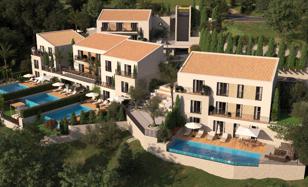 From 3,200,000 €
Completion in: 2027.I 5 units in total
2,900,000 €
Total area 443 m² Land area: 1,500 m²
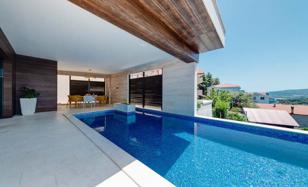 2,200,000 €
Total area 472 m² Land area: 597 m²
 2,400,000 €
Total area 351 m² Land area: 411 m²
 1,590,000 €
Total area 146 m² 2 bedrooms
 1,950,000 €
Total area 125 m² 3 bedrooms
 1,500,000 €
Total area 400 m² Land area: 370 m²
 2,521,000 €
Total area 288 m² 3 bedrooms
New-Build Activity
New residential construction remains an important part of the market. Montenegro issued 257 building permits in the second quarter of 2026, while the value of completed construction works was 6.3% higher than in the same quarter of 2025.
New-build demand is particularly visible in Podgorica and coastal municipalities. Modern apartments often appeal to international buyers because they can require less renovation and maintenance than older properties.
Off-plan sales are also common in new developments. They may give buyers access to staged payment schedules and potentially lower prices during early construction phases. However, investors need to evaluate developer experience, construction permits, completion schedules and contractual protections before committing capital.
97,000 €
Total area 28 m² 1 bathroom
 1,131,000 €
Total area 131 m² 2 bedrooms
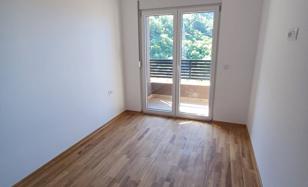 325,000 €
Total area 88 m² 2 bedrooms
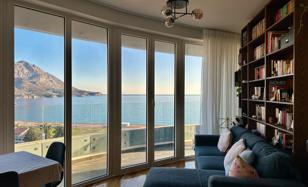 270,000 €
Total area 65 m² 2 bedrooms
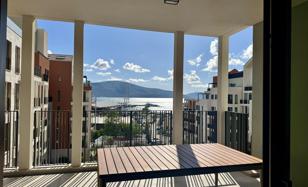 1,069,000 €
Total area 138 m² 2 bedrooms
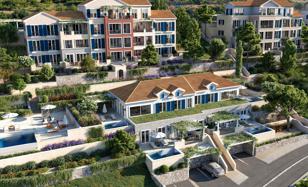 1,340,000 €
Total area 119 m² 3 bedrooms
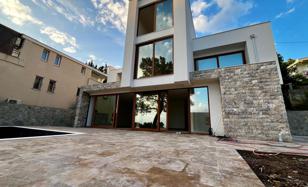 650,000 €
Total area 292 m² Land area: 400 m²
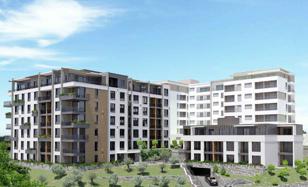 105,000 €
Total area 33 m²
Changing Buyer Preferences
Demand is increasingly concentrated around properties that are easy to use, rent and resell. For international buyers, popular characteristics often include:
- modern construction and turnkey interiors;
- sea views or proximity to the waterfront;
- parking;
- terraces and outdoor space;
- professional property management;
- proximity to restaurants, beaches and other amenities;
- good road and airport access;
- year-round infrastructure.
This can create substantial price differences even within the same municipality. A modern apartment with parking, sea views and walking access to the waterfront may trade in a very different segment from an older property several kilometres inland.
Montenegro Property Prices
Average Property Prices
Official new-build statistics show a clear upward trend.
Region | Q2 2025 | Q2 2026 |
Montenegro | €2,201/m² | €2,557/m² |
Podgorica | €2,108/m² | €2,510/m² |
Coastal region | €2,333/m² | €2,838/m² |
Central region | €1,068/m² | €2,131/m² |
Northern region | €1,547/m² | €2,145/m² |
Source: MONSTAT. The figures relate specifically to first sales of dwellings in new residential buildings.
The national figure increased from €2,445 per m² in the first quarter of 2026 to €2,557 in the second quarter. On the coast, the corresponding increase was from €2,575 to €2,838 per m².
These quarterly movements should nevertheless be interpreted cautiously. Montenegro is a relatively small market, and the mix of properties sold in a particular quarter can materially affect average prices.
Property Prices on the Coast
Prices vary dramatically between coastal locations. A 2026 catalogue analysis provides one indication of current advertised prices:
Market | Median asking price per m² |
Luštica | €7,902 |
Tivat | €4,302 |
Kotor | €3,619 |
Budva | €3,400 |
Bečići | €3,398 |
Herceg Novi | €3,178 |
Bar | €1,514 |
These are median asking prices within a particular listing database as of August 2026, not actual transaction averages. The sample also differs by location and property type.
Budva
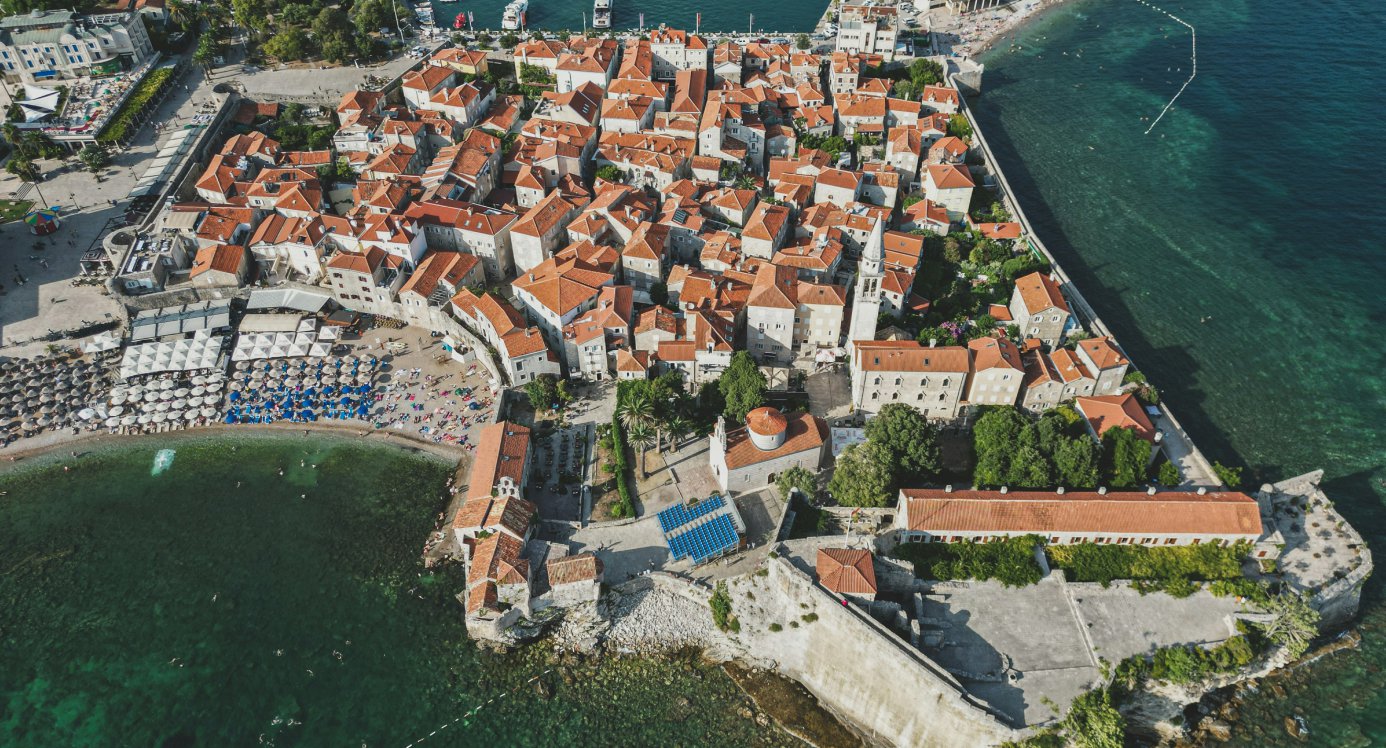
Budva has one of the deepest residential property markets on the coast. Its supply ranges from small apartments aimed at holiday buyers to luxury residences and villas.
Properties close to the Old Town, beaches and established resort infrastructure typically occupy the higher end of the market. Apartments farther inland or in older buildings can be considerably cheaper.
Budva’s relatively large property inventory gives buyers more choice, but also means investors need to compare individual buildings carefully rather than relying on city-wide averages.
189,000 €
Total area 54 m² 1 bedroom
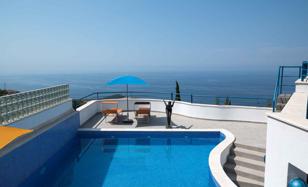 1,199,000 €
Total area 600 m²
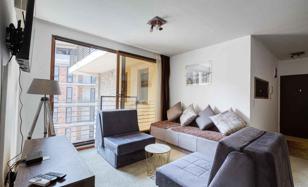 186,000 €
Total area 40 m² 1 bedroom
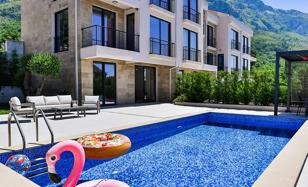 738,000 €
Total area 223 m² Land area: 379 m²
871,000 €
Total area 136 m² 3 bedrooms
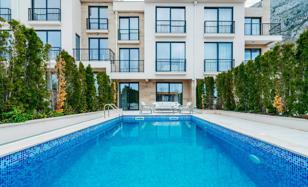 687,000 €
Total area 220 m² Land area: 262 m²
From 3,200,000 €
Completion in: 2027.I 5 units in total
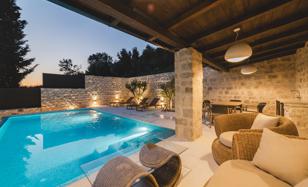 950,000 €
Total area 195 m² 2 bedrooms
Tivat
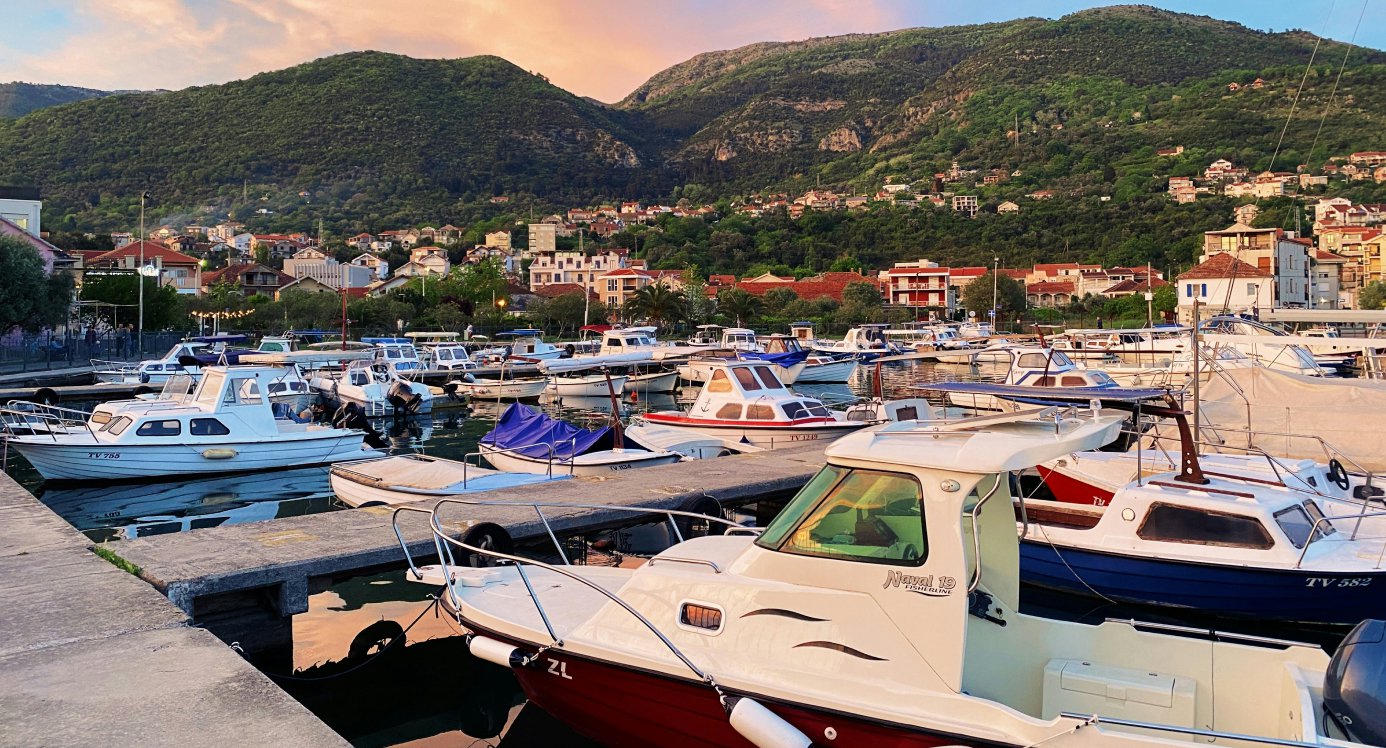
Tivat occupies a premium position in the coastal market. Large-scale marina and resort developments have helped attract international buyers and establish a substantial luxury segment.
In the August 2026 listing sample, Tivat’s median asking price reached €4,302 per m², above Budva, Kotor, Herceg Novi and Bar. Prices can be significantly higher for prime waterfront and branded residences.
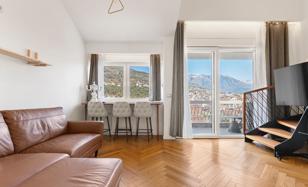 315,000 €
Total area 68 m² 2 bedrooms
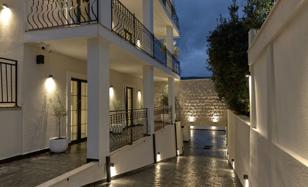 890,000 €
Total area 424 m² Land area: 465 m²
2,200,000 €
Total area 472 m² Land area: 597 m²
2,400,000 €
Total area 351 m² Land area: 411 m²
1,590,000 €
Total area 146 m² 2 bedrooms
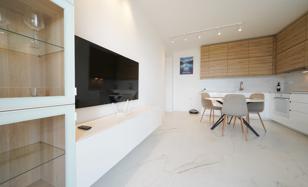 335,000 €
Total area 66 m² 2 bedrooms
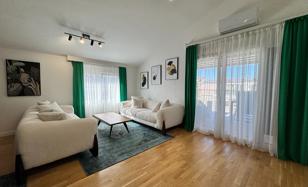 400,000 €
Total area 93 m² 2 bedrooms
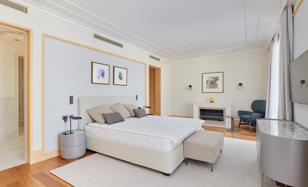 3,533,000 €
Total area 268 m² 3 bedrooms
Kotor
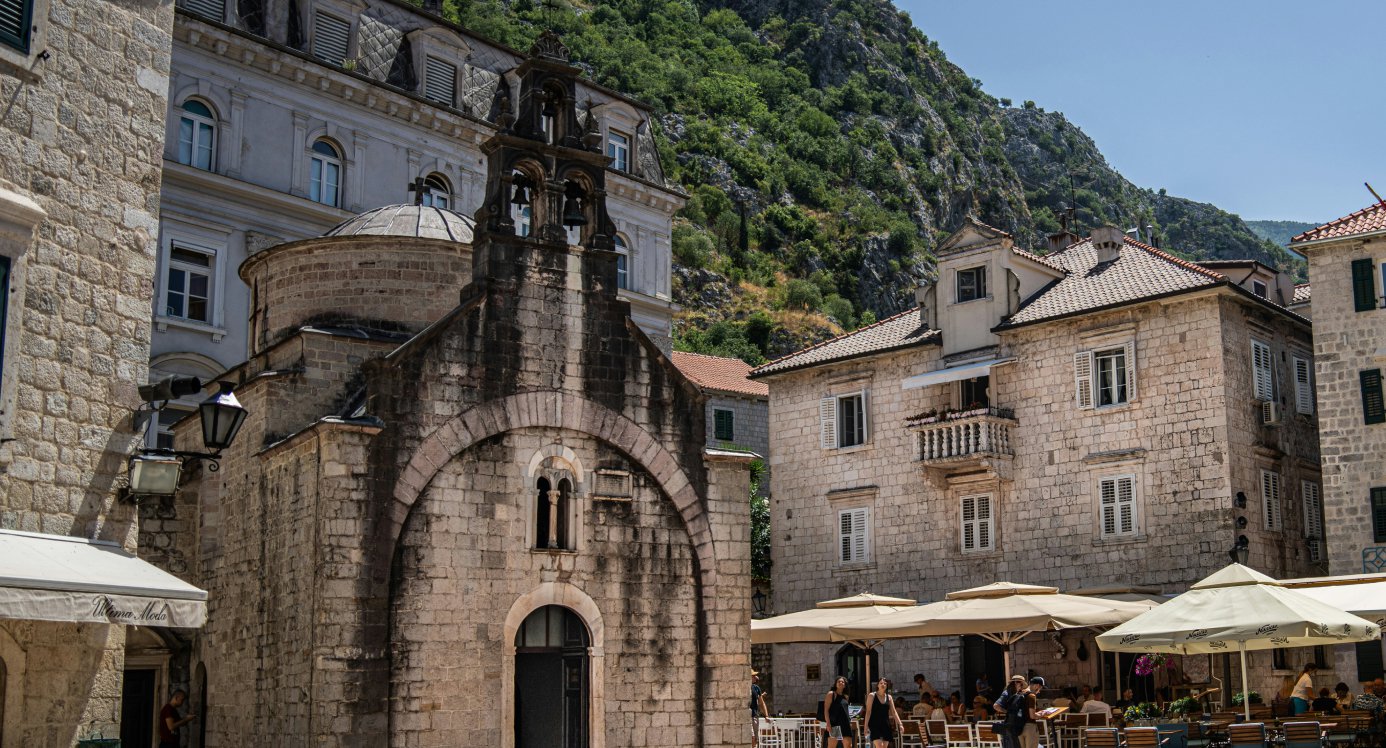
Kotor and the surrounding Bay of Kotor combine historic property, established residential areas and premium waterfront locations. Supply constraints can be particularly important here because geography, protected areas and historic urban environments restrict where new projects can be developed.
The market includes both modern apartments and older stone houses, making direct price comparisons difficult without considering condition and exact location.
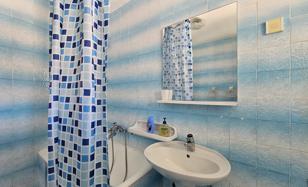
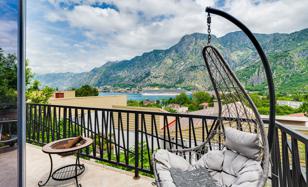 600,000 €
Total area 120 m² 4 bedrooms
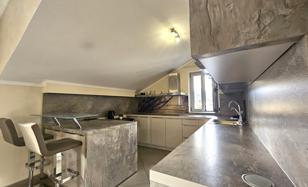
 470,000 €
Total area 149 m² Land area: 168 m²
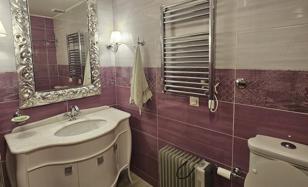
 395,000 €
Total area 95 m² 3 bedrooms
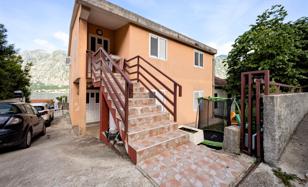
 1,350,000 €
Total area 206 m² Land area: 280 m²
 750,000 €
Total area 175 m² Land area: 241 m²
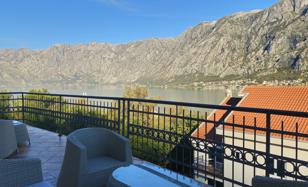 272,000 €
Total area 97 m² 2 bedrooms
1,950,000 €
Total area 125 m² 3 bedrooms
 1,325,000 €
Total area 131 m² 2 bedrooms
Herceg Novi
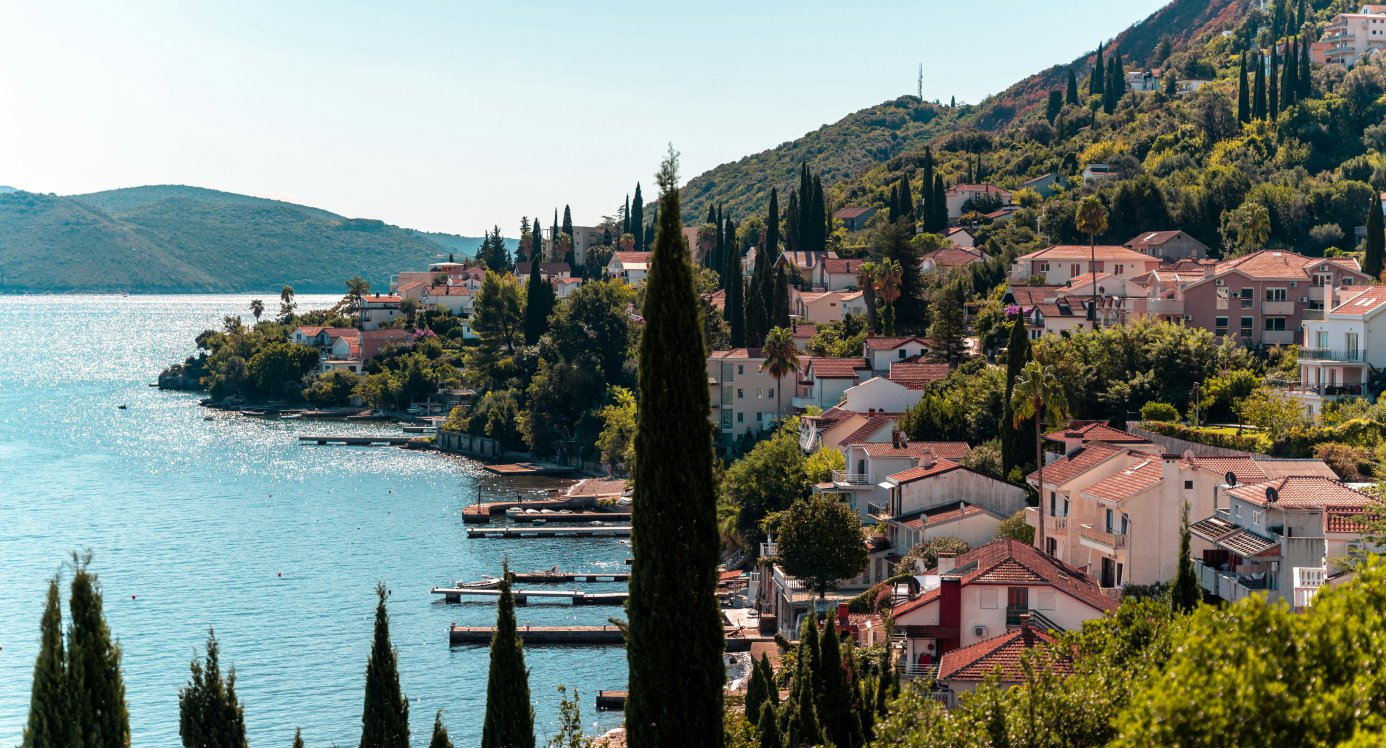
Herceg Novi provides a broad range of coastal housing, including apartments, houses and higher-end residential projects. Its market tends to be less dominated by large luxury developments than prime Tivat, although premium waterfront property can still command high prices.
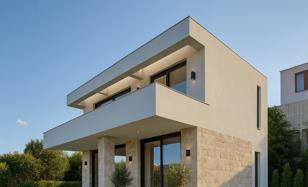 620,000 €
Total area 179 m² Land area: 616 m²
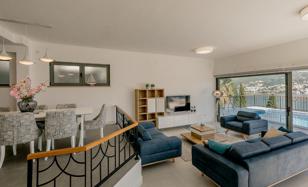 850,000 €
Total area 236 m² Land area: 427 m²
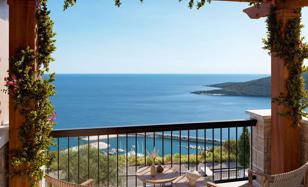 737,000 €
Total area 77 m² 1 bedroom
 299,000 €
Total area 40 m² 1 bathroom
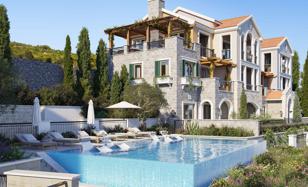 425,000 €
Total area 40 m² 1 bathroom
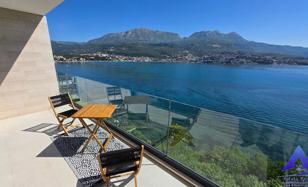 300,000 €
Total area 57 m² 2 bedrooms
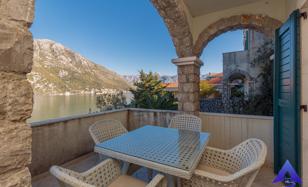 357,000 €
Total area 84 m² 2 bedrooms
 500,000 €
Total area 44 m² 1 bedroom
Bar
Bar represents a more affordable segment of the coast in many cases. In the August 2026 listing sample, Bar had the lowest median asking price per square metre among the major coastal markets included in the analysis.
The city also has a larger permanent population and less dependence on premium tourism than Tivat or Kotor, making it relevant to buyers considering long-term residential demand as well as holiday property.
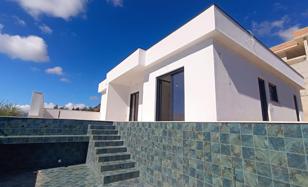 380,000 €
Total area 198 m² Land area: 600 m²
260,000 €
Total area 220 m² Land area: 400 m²
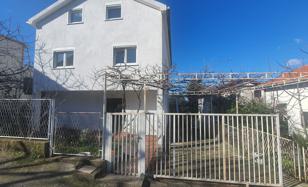 126,000 €
Total area 170 m² Land area: 297 m²
105,000 €
Total area 90 m² Land area: 250 m²
 650,000 €
Total area 235 m² Land area: 400 m²
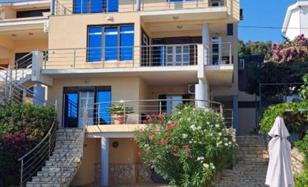 990,000 €
Total area 330 m² Land area: 803 m²
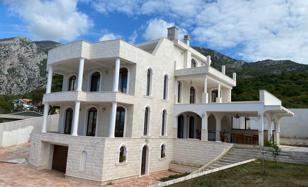 2,325,000 €
Total area 522 m² Land area: 1,660 m²
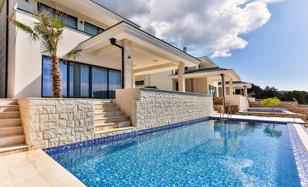 3,400,000 €
Total area 480 m² Land area: 1,430 m²
Podgorica
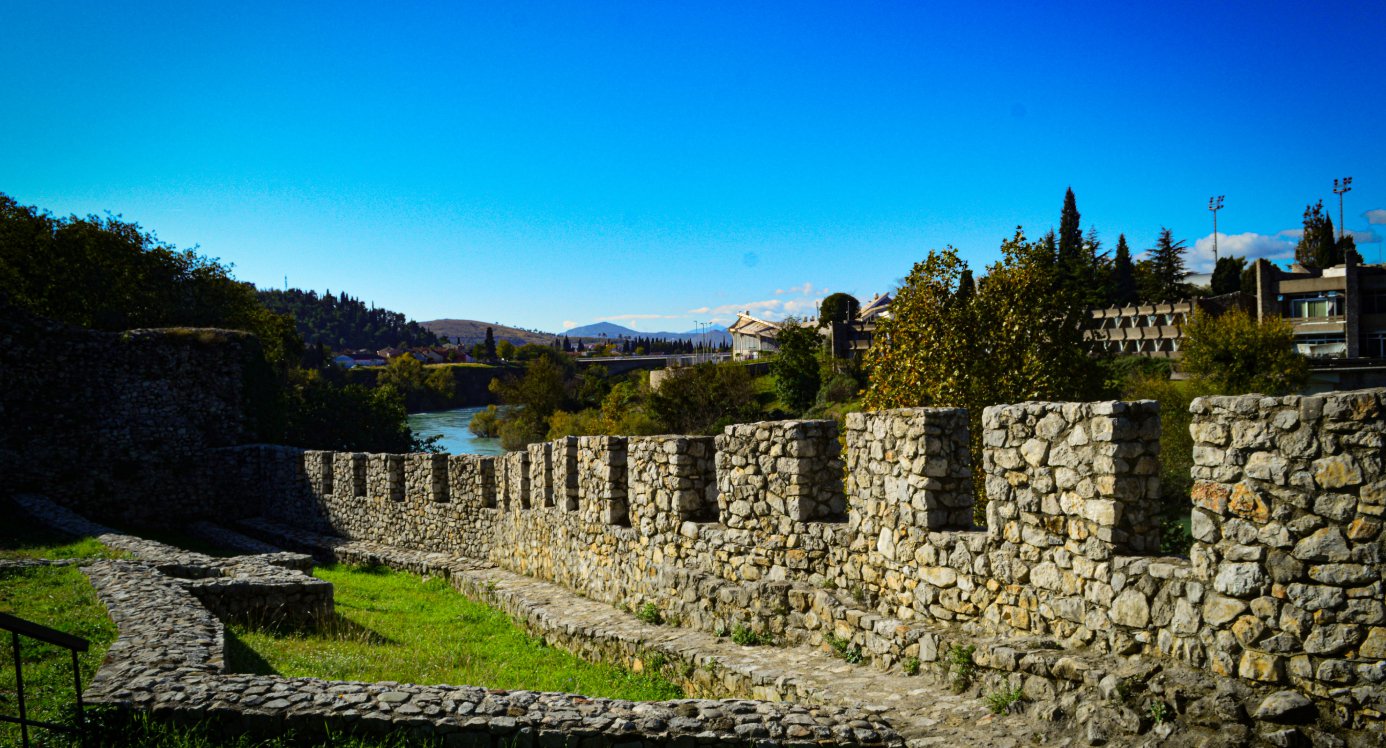
Podgorica has experienced significant price growth alongside the coast. The average price of a newly built dwelling reached €2,510 per m² in Q2 2026, compared with €2,108 per m² a year earlier.
Unlike coastal resorts, the capital’s housing market is primarily supported by year-round demand. New developments compete with established resale apartments across different neighbourhoods. Properties close to business districts, universities, retail, schools and transport connections can be attractive for long-term rental purposes.
1,165,000 €
Total area 550 m² Land area: 1,385 m²
1,300,000 €
Total area 293 m²
485,000 €
Total area 250 m² Land area: 2,500 m²
788,000 €
Total area 320 m² Land area: 750 m²
173,000 €
Total area 46 m² 1 bedroom
1,667,000 €
Total area 400 m² 6 bedrooms
651,000 €
Total area 281 m² 4 bedrooms
What Affects Property Prices in Montenegro?
Several factors can materially change the value of two otherwise similar properties:
- Location is usually the strongest factor. Waterfront property and central urban locations generally carry a premium.
- Sea views can make a major difference on the coast, particularly when the view is permanent rather than dependent on undeveloped neighbouring plots.
- Distance from the sea affects both lifestyle demand and holiday rental potential.
- Construction quality and age matter because newer projects may provide modern insulation, elevators, underground parking and contemporary layouts that older buildings lack.
- Amenities can support premium prices in resort developments, although buyers need to balance them against service charges.
- Parking is particularly valuable in densely developed coastal locations.
- Legal status can affect liquidity. Properties with clear registration and documentation are generally easier to finance, sell and transfer.
Montenegro Real Estate Market by Location
Budva Real Estate Market
Budva is strongly connected to Montenegro’s tourism industry. Its extensive accommodation sector supports demand for apartments suitable for short-term rental. The market is relatively liquid compared with smaller resort towns because there is a broad range of property types, budgets and buyers.
Competition is also substantial. Investors purchasing specifically for holiday rentals need to differentiate between properties based on walking distance to beaches, views, parking, building quality and management.
Tivat Real Estate Market
Tivat has developed one of Montenegro’s most internationally recognised premium markets. Marina-oriented developments and modern resorts attract buyers seeking high-end residences rather than simply low-cost coastal accommodation.
This can support strong resale demand for high-quality properties, but the entry price is correspondingly higher. Buyers also need to account for service charges when evaluating resort residences.
Kotor Real Estate Market
Kotor combines tourism appeal with constrained supply. Historic architecture and the dramatic landscape of the Bay of Kotor create a distinctive market in which renovated stone homes, waterfront apartments and modern residential projects can all coexist. For buyers, due diligence is especially important when considering older properties, extensions or renovations.
Herceg Novi Real Estate Market
Herceg Novi has a combination of local residential demand, holiday-home demand and tourism. It can appeal to buyers who want access to the Bay of Kotor without focusing exclusively on the premium Tivat market. Because the city is built on steep terrain, accessibility and elevation can significantly affect a property’s practical appeal and price.
Bar Real Estate Market
Bar offers a more residential alternative to Montenegro’s principal resort destinations. The market includes apartments, houses and development land and generally offers a lower entry point than prime Tivat or Kotor. Year-round infrastructure can also make Bar relevant for buyers prioritising permanent residence or longer-term rentals.
Podgorica Real Estate Market
Podgorica is the country’s principal non-tourism residential market. The city attracts local professionals, government employees, businesses, students and families, giving it a more stable long-term rental profile. Its investment proposition is therefore different from that of the coast: buyers are generally less dependent on the summer season and more exposed to Montenegro’s domestic economy.
New-Build vs Resale Market in Montenegro
New-Build Properties
New developments are particularly prominent in Podgorica, Budva, Tivat and other coastal growth areas. Their main advantages can include modern layouts, better energy efficiency, new infrastructure, lower initial maintenance requirements and staged payment plans for properties under construction.
New-build property can nevertheless come at a significant premium. Investors also face development risk when buying before completion. The buyer should examine the developer’s previous projects, construction documentation, payment schedule, completion guarantees and contractual remedies for delays.
Resale Properties
The resale market offers a wider choice of established locations. A resale apartment can provide immediate occupation or rental potential and may allow buyers to assess the building’s actual condition and surrounding neighbourhood before purchasing.
Older properties can also offer larger internal areas or locations where new construction is limited. However, renovation costs and technical issues can reduce an apparently attractive purchase-price advantage.
Supply and Demand in the Montenegro Real Estate Market
The relationship between supply and demand varies sharply by location. Prime coastal areas have a physical constraint: the most desirable land close to the water is limited. This creates scarcity in established waterfront areas, even while substantial construction continues elsewhere.
At the same time, the broader market is receiving new supply. Montenegro issued 257 building permits in Q2 2026, indicating that developers remain active. Current advertised inventory is heavily concentrated on the coast. In one August 2026 catalogue, Budva alone accounted for 278 sale listings, followed by Bar with 151, Bečići with 137, Tivat with 135 and Kotor with 130.
Liquidity is generally strongest when a property can appeal to several buyer categories. A well-located apartment that can serve as a primary residence, holiday home and rental investment has a broader potential resale audience than an unusual or highly specialised property.
Rental Market in Montenegro
Short-Term Rentals
Tourism creates substantial short-term rental demand along the coast. In July 2026, Montenegro recorded 244,754 tourist arrivals and more than 1.08 million overnight stays in collective accommodation. The comparable July 2025 figures were 234,403 arrivals and approximately 1.04 million overnight stays, indicating continued growth.
The importance of the coast is particularly clear outside the absolute peak season as well. In May 2026, 88.2% of all overnight stays in collective accommodation were recorded in seaside resorts.
For property investors, however, tourist statistics should not be treated as a direct proxy for apartment occupancy. Private accommodation competes with hotels, resorts and other rental properties.
Short-term rental performance is typically strongest for:
- centrally located apartments;
- properties within walking distance of beaches;
- units with sea views;
- modern properties with parking;
- apartments offering professional guest management.
Long-Term Rentals
Podgorica is the country’s principal long-term rental market, although year-round leasing also exists in Bar, Tivat, Budva and other coastal locations. Long-term renting reduces dependence on the summer tourism season and usually requires less intensive management than holiday accommodation. Potential tenants can include local residents, international employees, families and people relocating to Montenegro.
Rental Yields
There is no single rental yield that accurately represents the Montenegro property market. Gross yields can appear attractive in tourism destinations, but actual profitability depends on occupancy and expenses.
A realistic calculation should include:
- property management;
- booking-platform fees;
- utilities;
- cleaning;
- maintenance;
- insurance;
- taxes;
- service charges;
- vacancies.
Prime properties can also produce relatively low percentage yields despite high rental rates because their purchase prices are significantly higher. For this reason, investors should compare net annual income with total acquisition cost, rather than relying on advertised gross yields.
Who Buys Property in Montenegro?
The buyer base is diverse:
- Foreign investors purchase property for rental income, capital preservation or diversification.
- Second-home buyers often focus on the coast and may rent the property when they are not using it.
- Lifestyle buyers may prioritise sea views, amenities and location over rental yield.
- Local residents remain particularly important in Podgorica and other year-round residential markets.
- Rental investors select properties according to tenant demand and expected net returns rather than purely personal preferences.
This diversity supports several different segments but also means that the most attractive location depends on the buyer’s objective.
Factors Influencing the Montenegro Property Market
Tourism
Tourism is fundamental to the coastal market. High visitor numbers support holiday rentals, hospitality investment and second-home demand.
Economic Growth
Employment, household income and domestic economic conditions are particularly important for Podgorica and other markets driven by local buyers.
Foreign Direct Investment
Foreign capital has a significant influence on real estate. The €497.4 million of foreign investment directed into property in 2025 illustrates the scale of international participation relative to the size of the country.
Infrastructure Development
Roads, airports, marinas, retail and tourism infrastructure can influence demand at the local level. Improved accessibility can expand the buyer pool for previously secondary locations.
Mortgage Rates and Financing
Financing conditions affect local affordability and can influence the demand for new housing. However, foreign cash buyers make some coastal segments less dependent on domestic mortgage conditions than conventional residential markets.
Construction Activity
New supply can create opportunities but may also put pressure on prices or rental occupancy if too many similar apartments enter a local market simultaneously.
EU Accession Process
Montenegro remains an EU candidate country and is currently the most advanced candidate in the accession process. All 33 screened negotiating chapters have been opened, and 16 had been provisionally closed by July 2026. The EU also began work on Montenegro’s accession treaty during 2026.
Progress toward membership can support investor confidence, but buyers should avoid assuming that EU accession will automatically produce property-price increases.
Property and Tax Regulation
Changes in taxation, construction regulation, rental rules and planning can affect both property values and investment returns. These factors should therefore be reviewed at the time of purchase rather than assumed to remain unchanged.
Is the Montenegro Real Estate Market Growing?
Current data indicate that prices in the new-build segment are rising. Nationwide new-build prices increased from €2,201 per m² in Q2 2025 to €2,557 in Q2 2026. The coastal region rose from €2,333 to €2,838 per m², while Podgorica increased from €2,108 to €2,510 per m². Construction activity remains positive, and tourist overnight stays in July 2026 were also higher than a year earlier.
However, growth is not uniform. Prime coastal property, mainstream resort apartments, affordable housing in Bar and residential property in Podgorica respond to different sources of demand. Performance should therefore be assessed at municipality, neighbourhood and property level rather than from national statistics alone.
Risks and Challenges in the Montenegro Property Market
High Prices in Prime Locations
Strong price growth has reduced the margin for error in premium markets. Investors need to ensure that the quality and scarcity of a property justify its price.
Seasonal Rental Demand
Coastal rentals can be heavily concentrated in summer. Using peak-season rates to estimate full-year returns can therefore produce unrealistic projections.
Oversupply in Individual Developments
A market can have limited overall coastal land while still experiencing oversupply of a particular property type. Large numbers of similar apartments in one area can increase competition for tenants and future buyers.
Developer and Construction Risk
Off-plan projects introduce risks relating to delays, specification changes, financing and completion.
Legal and Cadastral Issues
Buyers should verify ownership, registered property area, permits, encumbrances and planning status before completing a transaction.
Liquidity Differences Between Locations
A property being valuable does not automatically make it liquid. Large villas, unusual homes and very expensive residences may have a narrower resale market than conventional apartments.
Montenegro Real Estate Market Outlook
The outlook for the Montenegro real estate market remains supported by several structural factors, but the pace of future price growth is uncertain. The coastal market continues to benefit from tourism, international property demand and scarcity in the best locations. Current official data also show that coastal new-build prices are rising faster than the national average.
Tivat and the Bay of Kotor are likely to remain important premium markets because of their concentration of high-end developments and waterfront property. Budva should continue to play a major role in the mainstream holiday and investment market because of the breadth of its housing supply and tourism infrastructure.
Bar can remain attractive to buyers looking for a lower entry price on the coast and greater exposure to year-round residential demand. Podgorica’s outlook is more closely linked to Montenegro’s domestic economy, employment and population movements than to international tourism.
EU accession is another factor likely to remain prominent in market expectations. Progress accelerated in 2026, although the eventual impact on individual property values cannot be predicted with certainty.
The principal challenge for buyers is that rapid recent price growth has made property selection increasingly important. A rising market does not eliminate the risk of overpaying for a weak location, poor building or property with limited resale demand.
What to Consider Before Buying Property in Montenegro
The first step is to define the purpose of the purchase. A property intended primarily for holiday rental requires different characteristics from a permanent residence or long-term investment. Buyers should then compare locations rather than immediately choosing the most internationally recognised destination.
Market prices should be checked against genuinely comparable properties. Asking prices are useful but should not be confused with completed transaction values. For an investment property, rental demand needs to be assessed throughout the year, not just during the peak summer period.
Recurring expenses are equally important. Service charges, management, maintenance and taxes can significantly reduce net returns, particularly in premium resort developments. Legal due diligence should cover ownership, encumbrances, registration, building status and other documentation.
Finally, buyers should consider the eventual exit. Properties with good accessibility, practical layouts, parking and broad buyer appeal may be easier to resell than highly specialised units.
Frequently Asked Questions
It is a relatively small but highly segmented market. Coastal areas are strongly influenced by tourism and international buyers, while Podgorica is more dependent on year-round domestic residential demand.
Yes, official new-build data show substantial increases. The national average reached €2,557 per m² in Q2 2026, compared with €2,201 per m² a year earlier.
For newly built dwellings sold for the first time, the national average was €2,557 per m² in Q2 2026. The coastal-region average was €2,838 per m² and Podgorica averaged €2,510 per m². These figures do not cover the resale market.
Premium coastal destinations generally have the highest prices. Current advertised-property data place Luštica and Tivat among the most expensive markets, while prime waterfront and branded developments can cost considerably more than municipality-wide averages.
Budva has a broad tourism-oriented market, Tivat has a strong premium segment, Kotor benefits from scarce historic and waterfront supply, and Podgorica has substantial year-round residential demand.
Foreign demand is significant. Real estate attracted €497.4 million of foreign direct investment in 2025, up 9.24% from the previous year.
It can offer opportunities for rental income and long-term property ownership, but returns vary significantly between locations. Investors should evaluate acquisition price, realistic rental demand, operating expenses and resale liquidity.
Key risks include overpaying in rapidly appreciating locations, seasonal rental demand, local oversupply, construction delays, legal issues and limited liquidity for highly specialised properties.
Neither is universally better. New builds offer modern specifications and lower initial maintenance but may carry developer risk and higher prices. Resale property provides access to established locations and immediate use but may require renovation.
The market continues to benefit from foreign investment, tourism, construction activity and Montenegro’s progress toward EU membership. However, after significant price increases, future performance is likely to depend increasingly on property quality and location rather than broad market growth alone.
We will send you a content digest not more than once a week
Montenegro apartments for sale
Cheap property for sale Montenegro under 100k