Buying property in Dubai, UAE for expats in 2026
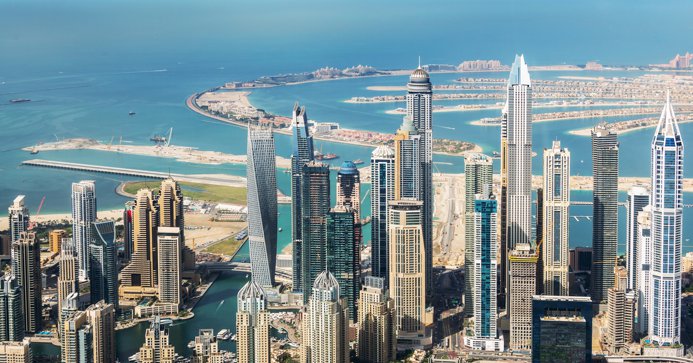
Foreign investors are permitted to purchase freehold property in designated zones across Dubai. These areas encompass some of the city’s most sought-after districts, including Dubai Marina, Downtown Dubai, Jumeirah, Dubai Creek Harbour, as well as numerous other neighbourhoods, extending to green suburban enclaves.
For properties valued at a minimum of 205,000 dollars, investors become eligible for a two-year residency visa in Dubai, renewable for as long as the property remains under ownership. For larger-scale investments, foreign nationals may qualify for the UAE’s Golden Visa, granting residency for up to a decade.
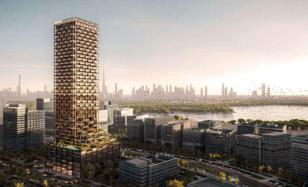 From $505,000
Completion in: 2029.II Total of 1097 apartments

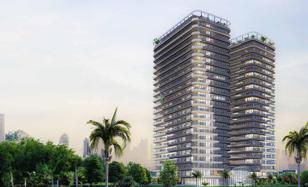 From $213,000
Completion in: 2027.IV Total of 210 apartments
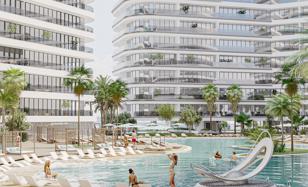
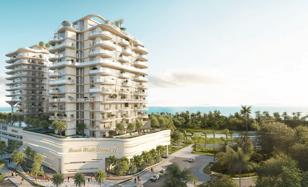 From $743,000
Completion in: 2027.IV 108 units in total
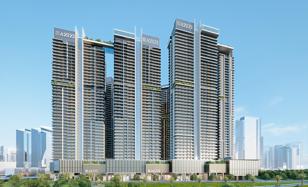 From $157,000
Completion in: 2028.II Total of 5800 apartments
 From $272,000
Completion in: 2029.II Total of 726 apartments
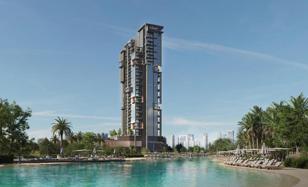 From $589,000
Completion in: 2027.IV Total of 291 apartments
Best Place to Buy Property in Dubai
In the UAE, there are three primary types of property ownership:
- Freehold: Complete and unconditional ownership of a property.
- Leasehold: Rights to occupy or use the property on a lease basis, typically for a period ranging from 10 to 99 years.
- Commonhold: Ownership of an individual unit within a development, coupled with shared responsibility — through a tenant association — for the maintenance of common areas. There is no time limit on ownership under this model.
Non-GCC (Gulf Cooperation Council) nationals may purchase freehold properties only within designated zones in Ajman, Dubai, Ras Al Khaimah, Abu Dhabi, and Umm Al Quwain. In other emirates or zones, land and buildings are generally only available on a leasehold basis.
On April 17, 2019, the Abu Dhabi government amended its property laws, allowing foreign investors to acquire freehold properties in specially designated zones.
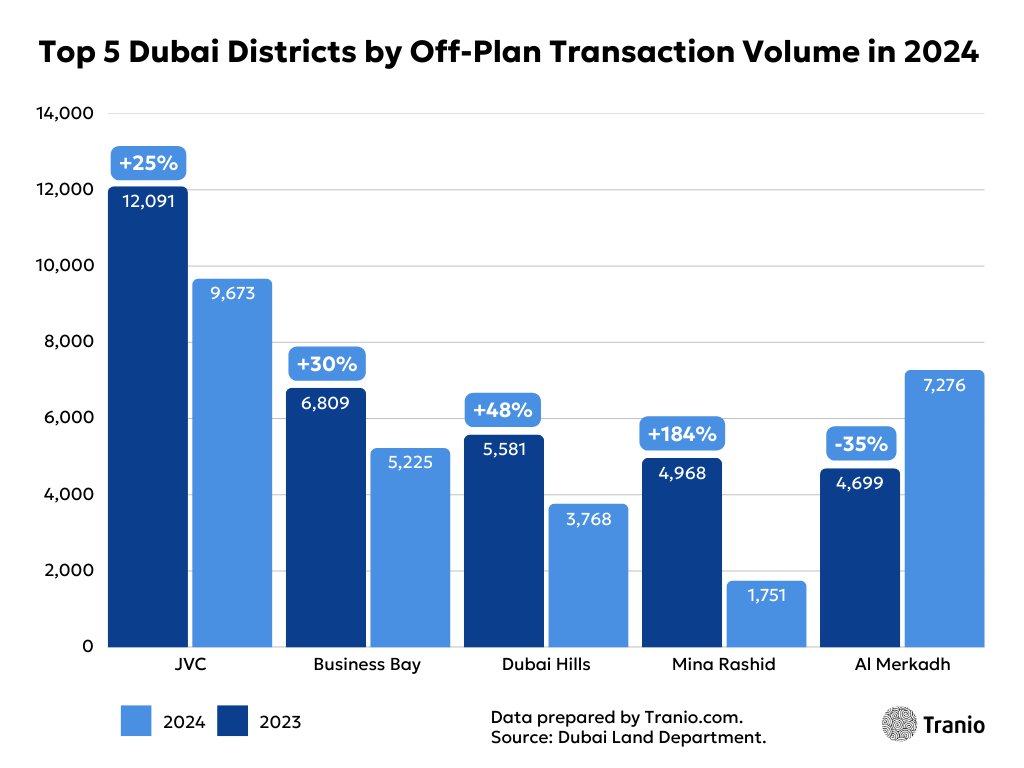
According to recent data, the most popular districts for new-build apartment transactions in Dubai include Jumeirah Village Circle, Business Bay, Dubai Hills Estate, Mina Rashid, and Al Merkadh.
Tranio’s data highlights that in 2024, demand for property outside Dubai — particularly in Abu Dhabi — has surged. Inquiries for Abu Dhabi properties rose by 48%, and interest in non-Dubai emirates more than doubled compared to previous years.
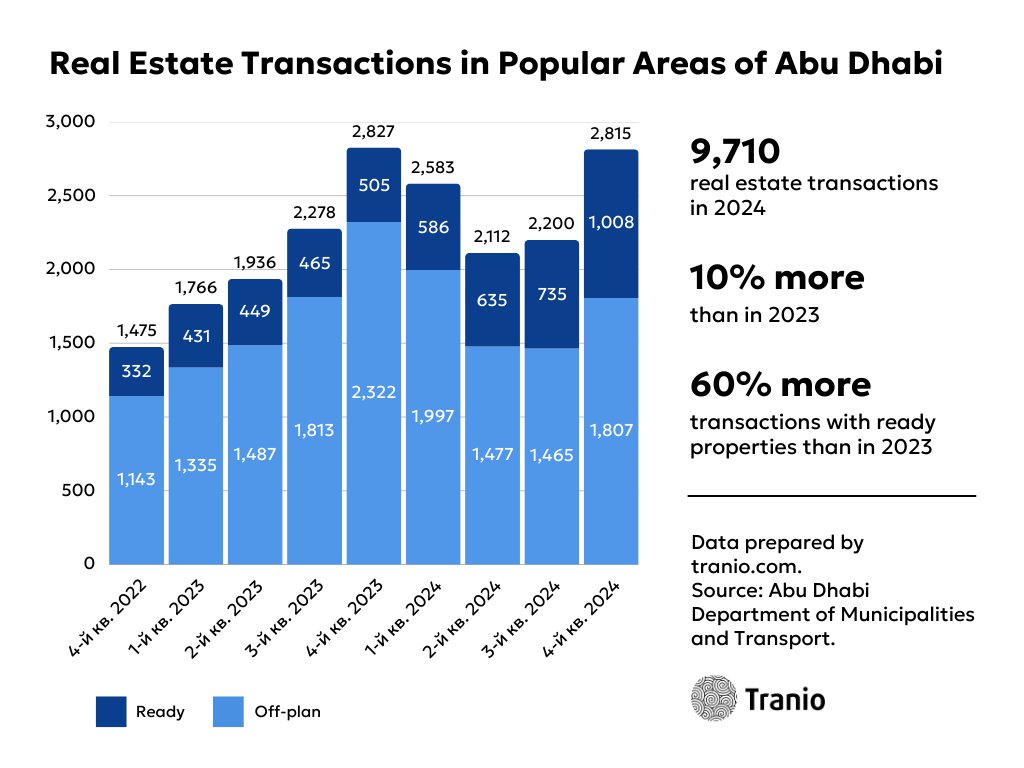
Property transaction volumes in key Abu Dhabi districts — Saadiyat Island, Yas Island, and Reem Island — reached a five-year-high, with 9,710 registered sales agreements. Notably, Saadiyat Island saw an 18.3% increase in transactions compared to 2023, reinforcing its status as Abu Dhabi’s most sought-after investment destination.
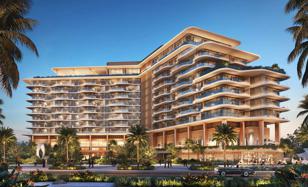 From $3,996,000
Completion in: 2028.II Total of 281 apartments

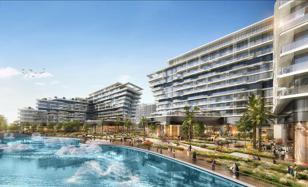 From $626,000
Completion in: 2026.III Total of 200 apartments
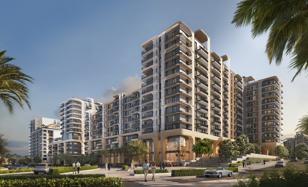 From $286,000
Completion in: 2028.II Total of 400 apartments
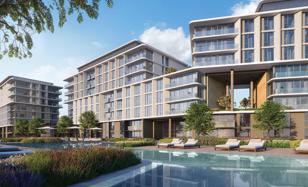 From $477,000
Completion in: 2028.II Total of 212 apartments
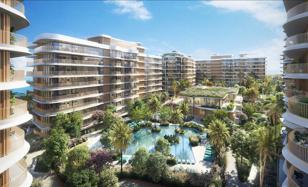 From $1,960,000
Completion in: 2028.II Total of 493 apartments
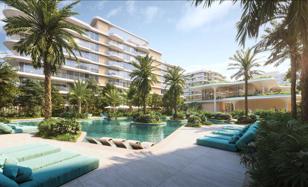 From $2,505,000
Completion in: 2028.II 493 units in total
 $1,849,000
Total area 168 m² 2 bedrooms
Gain expert insights into the latest market trends in the UAE and explore high-demand properties for 2025. Tranio’s team is here to provide tailored guidance and help you navigate the dynamic real estate landscape of Dubai and beyond.
Submit an Inquiry
Documents Required for Buying Property in Dubai
For individual buyers, the primary document required to complete a property transaction is a valid passport. In cases where the property is being acquired by a legal entity, the following documents are necessary:
- Incorporation documents.
- Registration certificate.
- Board resolution approving the investment.
- Passport of the company’s authorised representative.
When acquiring an off-plan property, which refers to a purchase made prior to the completion of construction, developers are required to furnish the buyer with essential documentation. This includes proof of land ownership, escrow account details, approval from the Ministry of Land and Properties, and the agreement with the contractor.
 $608,000
Total area 121 m² 1 bedroom
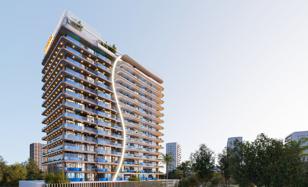

 $193,000
Total area 42 m² 1 bedroom
 $254,000
Total area 34 m² 1 bathroom
To ensure a secure and transparent transaction, buyers are encouraged to utilise trusted platforms such as the Dubai Land Department (DLD) or Dubai REST. These resources enable buyers to verify ownership rights, review the property’s transaction history and current status, and access up-to-date information on market value, rental yields (rental index), and any encumbrances.
Buyers in Dubai can also verify their broker’s license through the DLD website by searching with the broker’s name or license number.
Three Key Documents for Property Ownership in Duba
OQOOD (DLD Pre-Registration Certificate)
The OQOOD certificate provides proof of a preliminary registration of ownership rights with the Dubai Land Department (DLD). Its primary role is to safeguard buyers’ interests in off-plan developments by ensuring transparency and legal protection during the construction phase.
Key Functions of OQOOD:
- Confirms the buyer’s registration as the rightful owner of a specific unit within the DLD framework during the construction stage.
- Protects against double-selling practices, where developers might attempt to sell the same unit to multiple buyers.
- Acts as a temporary ownership document until the project’s completion, at which point it is replaced by the Title Deed.
OQOOD is registered once the initial or full payment is made. Upon resale, the seller must transfer this certificate to the new buyer.
Pre-Title Deed
Applicable to completed properties still under a post-handover payment plan, this document allows the buyer to reside in or use the property before full ownership is attained.
Title Deed
This is the final, definitive proof of ownership issued by the DLD after full payment.
Key Functions of the Title Deed:
- Confirms that all payments have been settled, granting the owner unrestricted rights to the property.
- Serves as the primary document for any subsequent transactions, including sales, leases, or mortgage arrangements.
DLD issues the Title Deed upon project completion and full payment, either directly to the buyer or through the developer. This document is essential for establishing legal ownership and facilitating future dealings involving the property.
The Title Deed can be verified through the Dubai REST platform or the Dubai Land Department (DLD) website. This verification process confirms the document’s authenticity and ensures the property is free from mortgages, liens, or other encumbrances.
When purchasing real estate in Dubai, the seller is required to provide a No Objection Certificate (NOC). This critical document serves to protect the buyer by confirming that:
- The property is genuine and not fraudulent.
- All outstanding payments, including utility bills, penalties, and debts, have been fully settled.
- The property is free from any financial claims, such as mortgages or legal restrictions.
How to Buy Property in Dubai as a Foreigner
Dubai has become one of the world’s most attractive real estate markets for international investors. Below is a simplified guide outlining the property purchase process:
Step 1: Selection of Property
Up to 1 Week
Foreign buyers can purchase freehold properties in designated areas of Dubai. Popular investment districts include Dubai Marina, Downtown Dubai, Palm Jumeirah, Emaar Towers, The Greens, International City.
Receive a curated portfolio of properties tailored to your investment objectives. Our team will help you identify opportunities aligned with your financial goals.
Submit an Inquiry
Step 2: Reservation of the Property
3 Days to 2 Weeks
Once a property is selected, a reservation deposit is paid. This amount is deducted from the final purchase price and locks in both the property and the agreed price.
Most reservations and payments in Dubai are securely processed online via electronic systems linked to the Dubai Land Department (DLD).
Step 3: Payment & Signing of the Sales Purchase Agreement (SPA)
1–3 Days
At this stage, both parties sign the Sales and Purchase Agreement (SPA), which includes key property details such as the property’s size, price, location, and other relevant terms.
If the property is being resold during construction, the seller must present their original SPA to the developer to obtain a No Objection Certificate (NOC).
Payment terms vary based on mutual agreement. Buyers can pay the full amount upfront or opt for a payment plan, with the initial instalment typically due at this point.
Step 4: Issuance of Title Deed
2–3 Weeks After Completion
Once the transaction is registered with the Dubai Land Department (DLD), the Title Deed is issued — serving as the definitive proof of ownership.
This document is essential for applying for a residency visa and is only issued for completed properties.
Taxes and Fees for Buying Property in Dubai
1. DLD property transfer fee:
4% of the sale price, usually paid by the buyer, although the parties may agree to split it.
2. Service-centre fee:
AED 2,000 (about $545) plus VAT for a property priced below AED 500,000, or AED 4,000 (about $1,090) plus VAT at AED 500,000 or more.
3. Electronic Title Deed fee:
AED 250 (about $68).
4. Real Estate Agent Fees:
For new developments, the seller typically pays the agent’s commission. For secondary market transactions, the buyer is responsible for a 2% commission fee.
While UAE law does not require legal representation for property transactions, hiring a lawyer can provide added security.
We will send you a content digest not more than once a week