Phuket Districts: Best Areas to Stay, Holiday and Invest in 2026
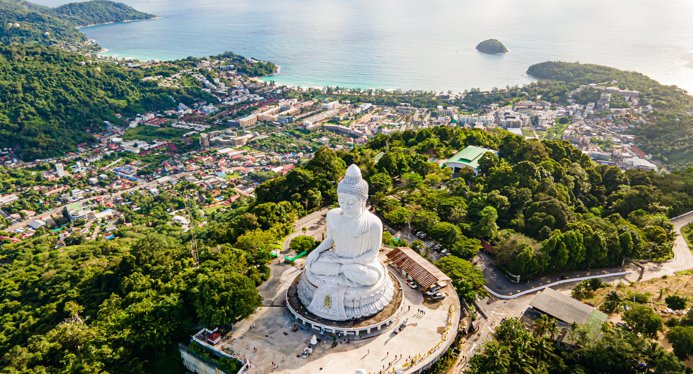
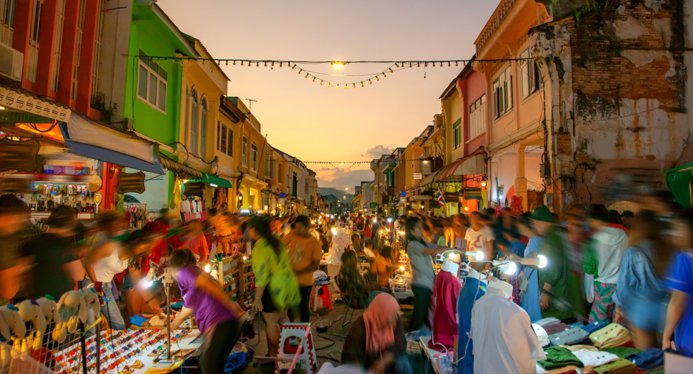
Phuket is the largest island in Thailand and one of the most developed resort regions of the country. After the pandemic, it became a flagship for the recovery of the tourism industry: a pilot programme to welcome foreign tourists was launched here in 2021. In 2025, there are dozens of direct flights to Phuket from Russia, the EU, China, South Korea, and the Middle East, with no need to connect via Bangkok. The island has consolidated its status as a year-round destination, with well-developed infrastructure, international schools, hospitals, and investment-grade real estate.
Approximately 40 million tourists visit Thailand every year, making it a world leader in tourism arrivals. Of these, about 15 million people come to Phuket each year. 70% of the properties on the island are owned by foreigners who live there either permanently or for several weeks or months per year. The majority of transactions in the real estate market involve foreigners in both renting and sales.


Phuket is approximately 50 km long from north to south and 20 km wide from west to east. However, it is the southern part of the island that is predominantly developed and urbanised. As a result, the island is divided into a developed south and a quiet north, offering different options for living, investment, and recreation. Living in a two-storey house with a pool and garden in Pa Klok is very different from holidaying in a hotel near Karon Beach or wintering in a townhouse next to a golf club in Laguna Phuket. The island offers a unique advantage over other resorts in Thailand because it caters to a diverse range of interests and preferences.
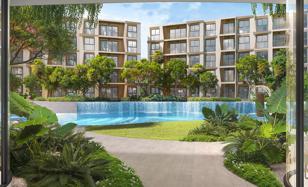 From $128,000
Completion in: 2027.IV 295 units in total
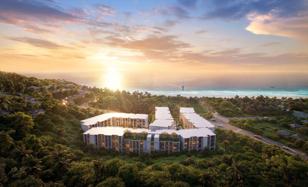 From $171,000
Completion in: 2029.I 350 units in total
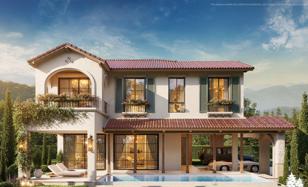 From $351,000
Completion in: 2029.I 37 units in total
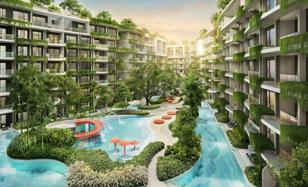 From $142,000
Completion in: 2027.I 859 units in total
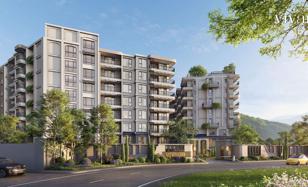 From $123,000
Completion in: 2028.III 363 units in total
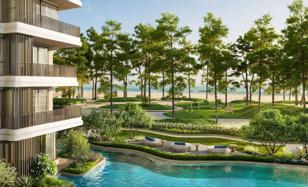 From $160,000
Completion in: 2028.I 542 units in total
 From $140,000
Completion in: 2028.I 564 units in total
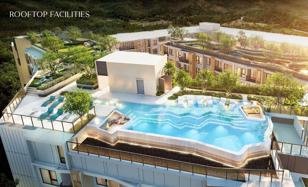 From $87,000
Completion in: 2028.II 452 units in total
Phuket’s renowned sandy beaches are located on the west coast of the island, facing the Indian Ocean, while the mangrove-covered east coast faces Phang Nga Bay with its pronounced ebb and flow.
Tourist infrastructure, including hotels, restaurants, and nightclubs, is concentrated in the western part of the island. On the opposite side of the island, there are yacht marinas.
In the eastern part of Phuket, small islands and karst rocks rising directly from the water are the main attraction in the local waters, while in the west the ocean stretches out far and wide.
Phuket International Airport is situated in the northern part of the province. However, even the southernmost point of the island can be reached within an hour’s drive of the airport.
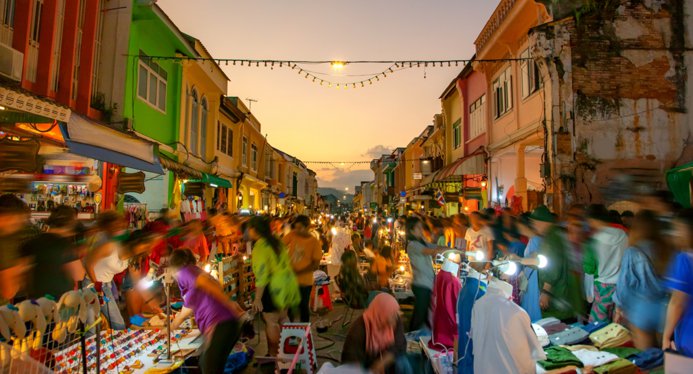
Phuket Town is located in the southern part of the island and serves as the administrative centre of Phuket. It now forms a single conurbation with Chalong, Wichit, and Rassada. This area is popular with foreigners who prefer to live away from the beaches but closer to infrastructure such as cinemas, shopping centres, international schools, hospitals, and co-working spaces for comfortable work. The beaches can be reached by car in approximately 15 minutes.
The west coast, which is primarily a tourist destination, is separated from the island’s interior by a ridge of hills, with several passes that connect it to the rest of Phuket. Each beach on the west coast has unique characteristics. However, essential tourist infrastructure (hotels, restaurants, massage parlours, etc.) is ubiquitous, and the area is always bustling with activity.
A coastal road connects all beaches on the west coast, with a convenient bus service running along it. In the island’s interior, the road network is more developed, but most residents rely on their own transport rather than public transport.
The areas of Choeng Thale (Bang Tao and Surin beaches, the Laguna Phuket complex), Rawai (Rawai and Nai Harn beaches), and Kamala are becoming increasingly attractive for both tourism and permanent living. Karon and Patong, on the other hand, are solely dedicated to the tourism industry.
Phuket is administratively divided into three large districts, known as “amphoes”: Thalang, Kathu, and Mueang Phuket. These are further divided into 17 sub-districts known as “tambons”, such as Chalong, Kathu, Rawai, and others.
Some parts of sub-districts are further subdivided into smaller areas called “mubans”, such as Bang Tao, Surin, Nai Harn, and Cape Panwa.
Phuket Districts and Their Respective Areas
- Talat Yai (Phuket Town)
- Talat Noi (Phuket Town)
- Rassada
- Koh Kaew
- Wichit
- Karon
- Chalong
- Rawai
Kathu
- Choeng Thale
- Pa Klok
- Mai Khao
- Si Sunthon
- Thep Krasatti
- Sakhu
Best Areas in Phuket for Holidays
Choosing the best area for a holiday in Phuket largely depends on your preferred activities, beyond the universally available options of sunbathing, swimming, and exploring Thai cuisine. Any beach on the west coast offers the chance to indulge in local gastronomy and top up your “vitamin Sea” levels (Sea, Sun, and Sand).
- Patong has the liveliest nightlife.
- Karon and Kata offer comfortable family holidays with nightlife options.
- Nai Harn also offers comfortable family holidays with an expatriate ambience.
- Laguna Phuket is a luxurious option for both romantic getaways and family holidays.
- Kamala and Surin are ideal for family holidays and luxury villa stays.
- The northern region of Phuket offers a tranquil, beach-focused holiday experience.
- Chalong, Kathu, and Wichit are perfect for exploring Phuket and sampling the expat atmosphere.
Best Areas to Live in Phuket
Most Phuket residents eventually realise that it is better to live in areas designed for residential purposes rather than for tourism. The allure of the sea outside the window gradually fades into the background, while transport links, essential infrastructure, and personal factors such as an established circle of friends or a new hobby become priorities. Proximity to schools is also an important factor for families with children.
The most popular locations for expats living permanently in Phuket are as follows:
- Laguna Phuket and its surrounding areas;
- Kamala;
- Rawai;
- Chalong;
- Wichit;
- Kathu;
- Koh Kaew.
The last four or even five items on this list are areas that provide convenient access to several international or high-quality Thai schools and kindergartens. Moreover, the presence of children indirectly affects the overall appeal of the area for expats, as well as for those without children. This is because a community formed in a particular location will often develop supporting infrastructure and amenities, such as cafés, hairdressers, gyms, and leisure and recreation centres, which, in turn, can attract those without children.
Currently, a large share of tourist arrivals to Phuket is made up of repeat visitors. Over the past 20 years, many well-travelled tourists have visited Vietnam, the Philippines, and Indonesia, but ultimately many have returned to Thailand. It appears that there is a formula for happiness in Thailand: it is affordable, flavoursome, and easy to navigate, thanks to the widespread use of English. Additionally, the scenery is beautiful, and the locals are hospitable and considerate hosts, providing excellent service with a smile.
Elite Locations in Phuket
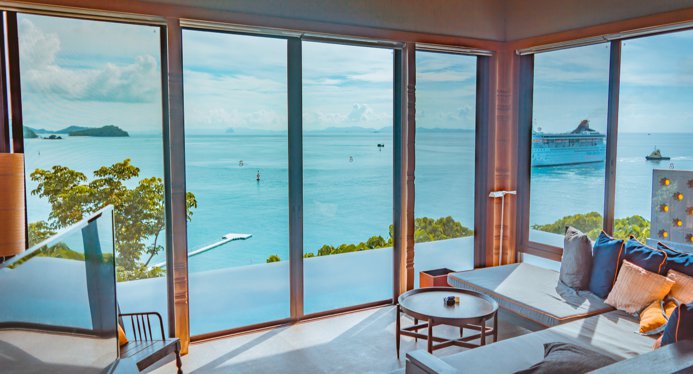
One of the fundamental principles of the Phuket real estate market is that a property’s value is heavily influenced by the view from its windows. This concept encapsulates the various factors that contribute to the cost of housing on the island and, as a result, affect the level of infrastructure in the surrounding area and the social characteristics of the community.
Tranio has a representative office in Phuket. Our managers and lawyers will organise a turnkey transaction without increasing the purchase price.Leave a request
Luxury housing in Phuket consists of hillside villas where the breeze from the Andaman Sea dissipates the heat as the sun slowly sets, turning the sky crimson. These include houses on a hill in the southern part of Surin, the Millionaire’s Mile in Kamala, some of the developments around Kata and Karon beaches, the cape north of Bang Tao, and the hills near Nai Yang. New projects in locations of this calibre are extremely rare.
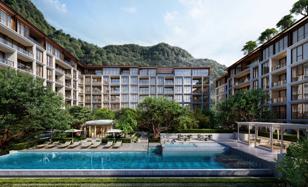 From $405,000
Completion in: 2028.I Total of 111 apartments
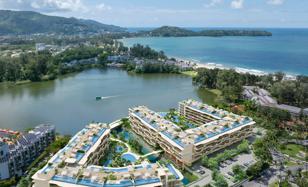 From $867,000
Completion in: 2028.IV 237 units in total
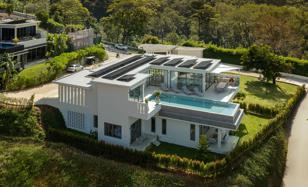
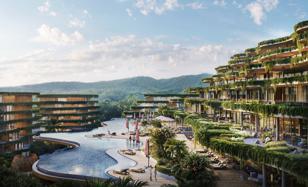 From $227,000
Completion in: 2029.II 875 units in total
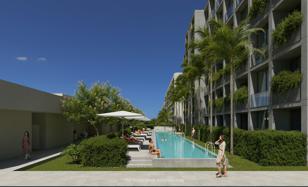 From $248,000
Completion in: 2027.I Total of 128 apartments
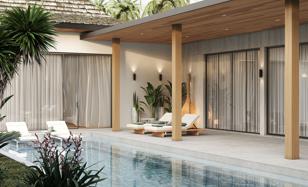 From $1,350,000
Completion in: 2026.III 18 units in total
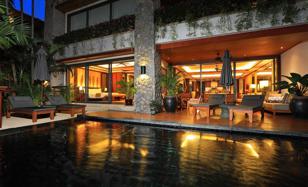 $1,800,000
Total area 311 m² 3 bedrooms
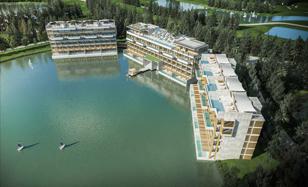 From $1,749,000
Built in 2025 Total of 72 apartments
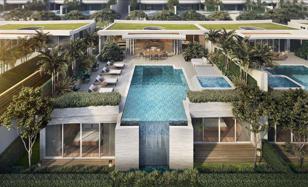
The second category of luxury housing is the master-planned developments, which take a good location to a new level through the efforts of designers, architects, and those who ensure that the plan remains unchanged day after day. Villas and mansions located near golf courses in Kathu and Thalang, as well as those near marinas such as Royal Phuket Marina, are always in high demand.
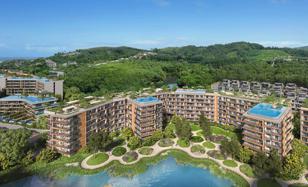 From $255,000
Completion in: 2027.IV 220 units in total
From $1,749,000
Built in 2025 Total of 72 apartments
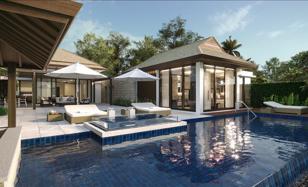
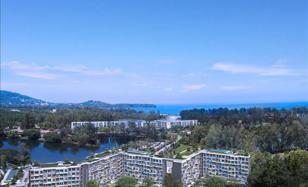
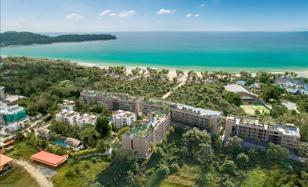 From $817,000
Total of 185 apartments
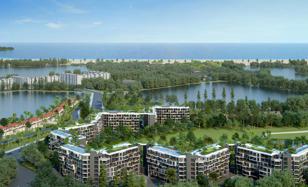 From $161,000
Built in 2026 Total of 420 apartments
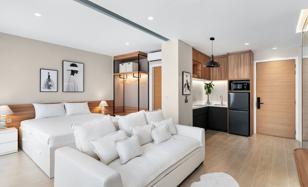 $262,000
Total area 40 m² 1 bedroom
Finally, on the east coast, including Cape Panwa and Cape Yamu, there are prestigious complexes that are highly regarded but not well known to the general public. The windows in these buildings offer views of the sunrise rather than the sunset. In addition, the level of privacy and seclusion is truly unique in this part of the island.
Phuket Property Prices
In 2025, prices for completed condominiums in Phuket start at 4,000 US dollars per sq. metre, while purchases at the earliest stage of construction, or before ground-breaking, can attract discounts of up to 30%.
Studios and one-bedroom apartments of 30–35 sq. metres are the most popular for renting; many developments are managed by hotel operators and operate under well-known hotel brands. You can focus on the amount of 120,000 US dollars for a studio apartment, at the same time developers often offer a guaranteed rental yield of 7–12% per annum.
From $128,000
Completion in: 2027.IV 295 units in total
From $171,000
Completion in: 2029.I 350 units in total
From $351,000
Completion in: 2029.I 37 units in total
From $142,000
Completion in: 2027.I 859 units in total
From $123,000
Completion in: 2028.III 363 units in total
From $160,000
Completion in: 2028.I 542 units in total
From $140,000
Completion in: 2028.I 564 units in total
From $87,000
Completion in: 2028.II 452 units in total
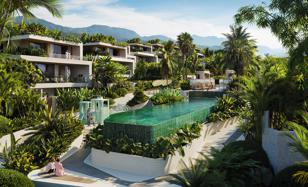
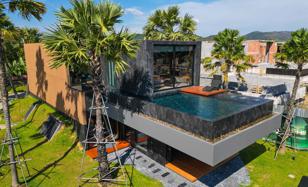
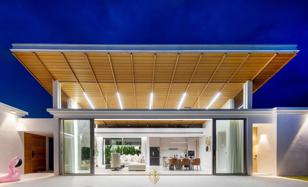
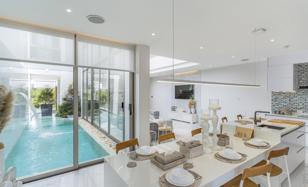
Villa prices start at 2,000 US dollars per sq. metre, with a minimum floor area of 250 sq. metres. Compared with apartments, this segment offers a wider price range and a more varied selection. A villa can be a typical house in a village or a mansion on a hillside with seven bedrooms and an infinity pool, where the water’s surface merges with the sky.
From $351,000
Completion in: 2029.I 37 units in total
 From $593,000
Completion in: 2027.II 37 units in total
 From $1,238,000
Built in 2026 45 units in total
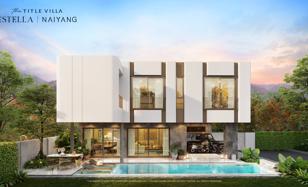 From $668,000
Completion in: 2027.III 26 units in total
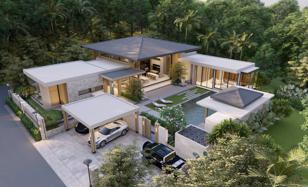 From $954,000
Built in 2024 21 units in total
Prices for village homes start at 500,000 US dollars, while a fully fledged villa by the sea starts at 1 million US dollars. It is important to note that the price per sq. metre can vary between different projects and, in some cases, may double, even where projects are developed by the same company.
The main advantage of Phuket’s property market is its diversity. Firstly, although prices for new resort developments have gone up since the pandemic, there is still room for growth. The primary group of foreign investors from China is just beginning to return to the market following the lockdowns.
Secondly, developers are international. Phuket is attracting the big players from as far afield as Bangkok, Australia, and Europe. Thirdly, tourist arrivals still have significant potential for growth, particularly due to the increasing number of visitors from China and rising demand from other countries.
We will send you a content digest not more than once a week