
Houses & villas for sale in Thailand
- more ...
- Thailand
- Thailand ×
- Phuket ×
- Pattaya ×
- Koh Samui ×
- Patong ×
- Bangkok ×
- Rawai Beach ×
- Choeng Thale ×
- Karon ×
- Surat Thani ×
- Jomtien ×
- Chonburi ×
- Kamala ×
- All locations in Thailand ×
- Apartments
- Houses, villas, cottages
- Terraced houses
- Show all types
- Apartments
- Buy-to-let apartments
- Condos
- New homes
- Penthouses
- Houses, villas, cottages
- Castles
- Chalets
- Terraced houses
- Islands
- Development land
- Show popular
- 100k
- 10M
- 300k
- 30M
- 500k
- 50M
- 700k
- 70M
- 1M
- 100M
- 2M
- 200M
- 3M
- 300M
- 100k
- 10M
- 300k
- 30M
- 500k
- 50M
- 700k
- 70M
- 1M
- 100M
- 2M
- 200M
- 3M
- 300M
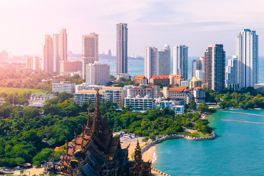

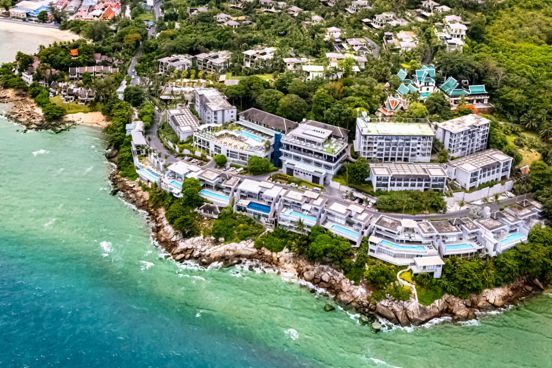

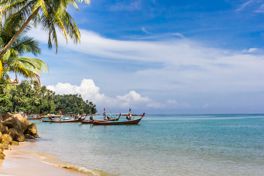
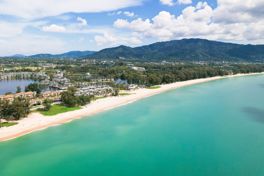
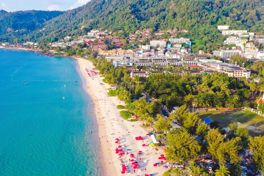
Profitable real estate in Thailand with yields of up to 12% per annum
-
Apartments from $90,000 and villas from $300,000
-
Resort properties in Phuket, Samui, and Pattaya
-
Remote transaction
-
Access to projects that are sold out during pre-launch sales

We have selected the most reputable and experienced developers in Phuket with promising projects
- Local team on the ground
- Wide selection of properties
- Costs reimbursed when you close a deal
- Buy remotely — we handle everything
- We stay in touch after the deal


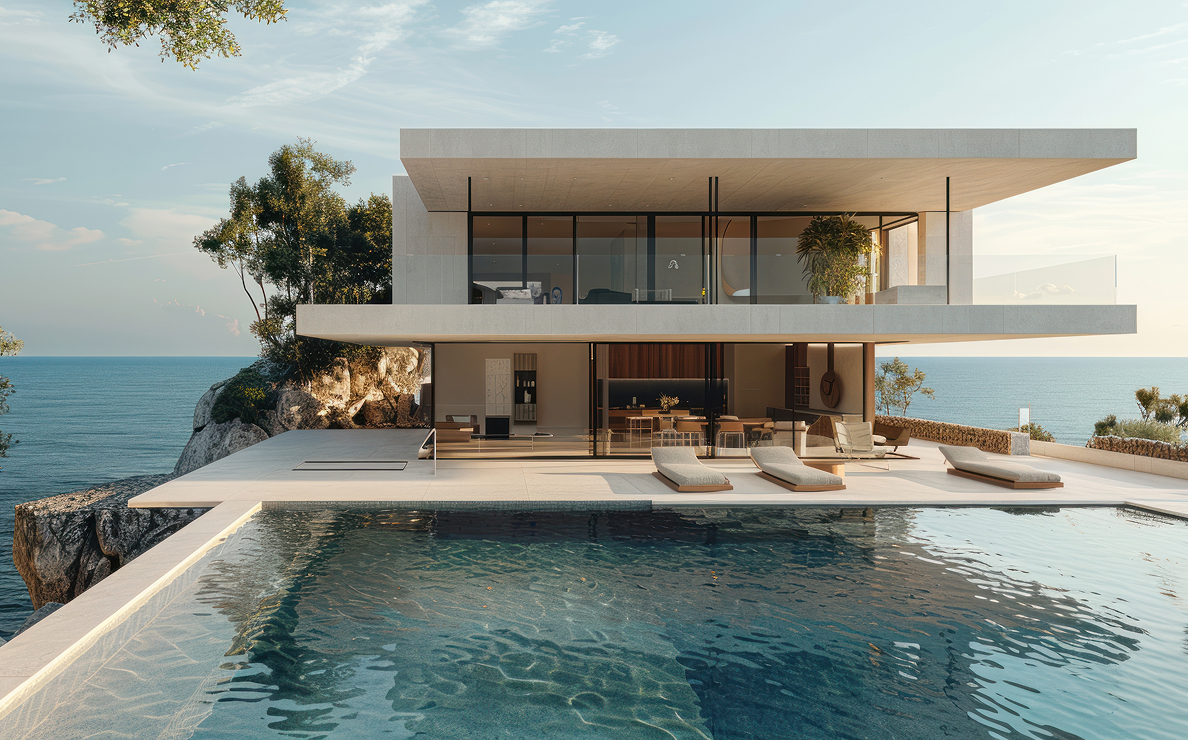
- in Koh Samui
- from $300,000
- in Phuket
- from $500,000
- in Pattaya
- from $350,000
-
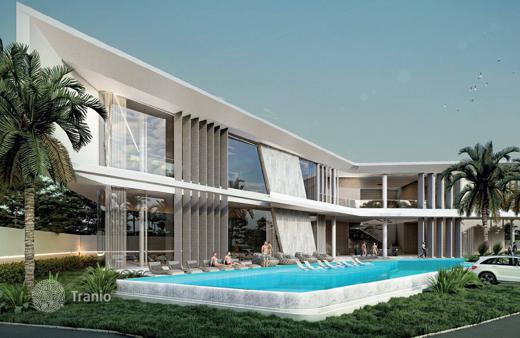
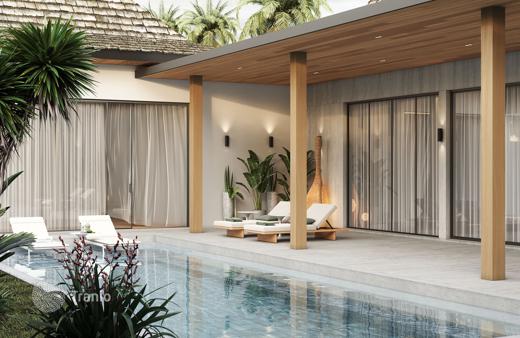
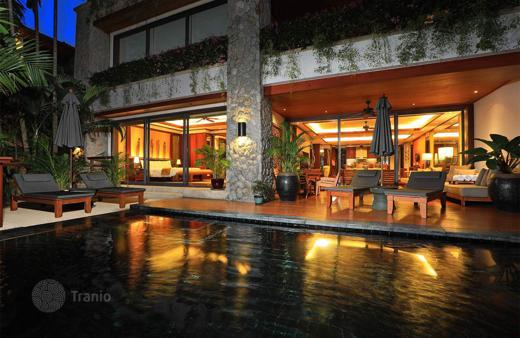
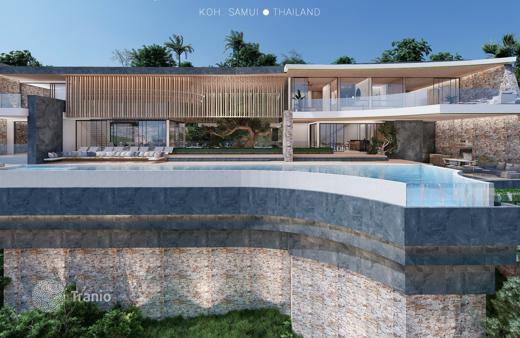
 Exclusive residential complex of villas with swimming pools and sea views within walking distance of Nai Thon Beach, Phuket, Thailand
Sea views
From $1,155,000Built in 202420 units in totalResidential complex -
Complex of villas with a swimming pool, a park and a lake near the beach and a yacht club, Pattaya, Thailand
From $292,000Built in 2024150 units in totalResidential complex
-
New villas with swimming pools and lounge areas, Phuket, Thailand
From $1,352,000Completion in: 2026.III18 units in totalResidential complex
-
Three-storey villa with swimming pool, gym, cinema room, balconies, barbecue area, Koh Samui, Thailand
Lots of amenities!
Price on requestTotal area 1,203 m²4 bedrooms -
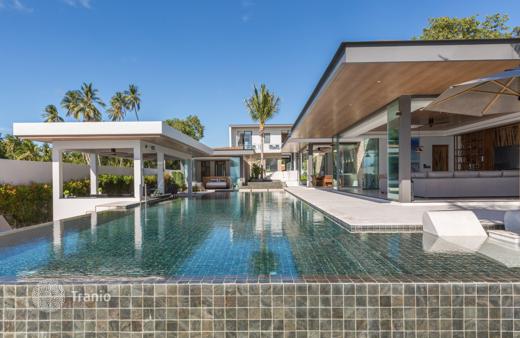
Exquisite villa with a pool, a cinema, a spa on the ocean front, Samui, Thailand
Sea view
$3,132,000Total area 1,720 m² · Land 1,692 m²7 bedrooms
-
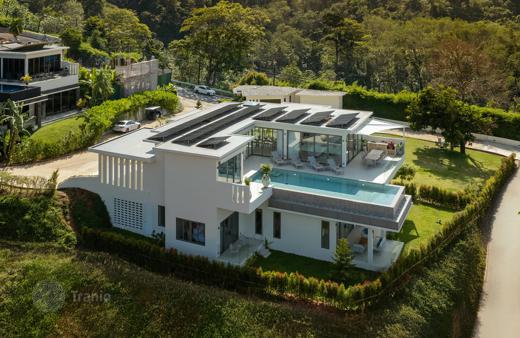
Exclusive residential complex of villas with swimming pools and sea views within walking distance of Nai Thon Beach, Phuket, Thailand
Sea views
From $1,155,000Built in 202420 units in totalResidential complex -
New villas with swimming pools and lounge areas, Phuket, Thailand
From $1,352,000Completion in: 2026.III18 units in totalResidential complex
-
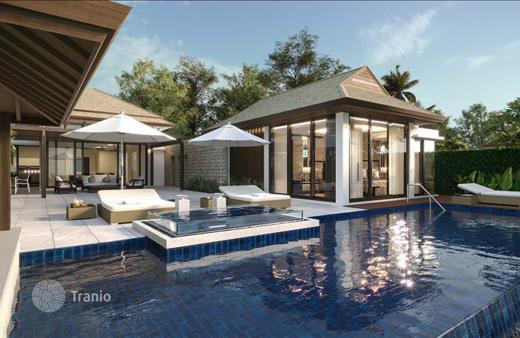
Complex of villas with swimming pools and jacuzzis directly on Bang Tao Beach, Phuket, Thailand
From $2,493,00019 units in totalResidential complex
-
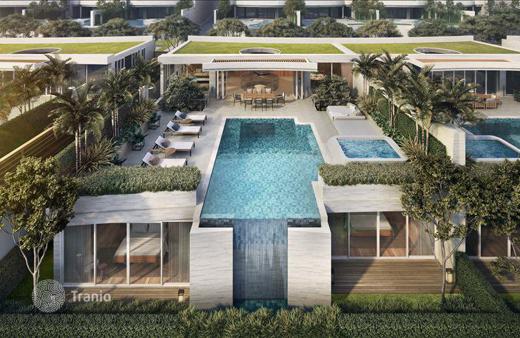
New complex of villas with swimming pools and gardens on the first sea line, Phuket, Thailand
From $7,906,00010 units in totalResidential complex
-
Complex of villas with swimming pools and jacuzzis directly on Bang Tao Beach, Phuket, Thailand
From $2,493,00019 units in totalResidential complex
-
New complex of villas with swimming pools and gardens on the first sea line, Phuket, Thailand
From $7,906,00010 units in totalResidential complex
-
Renovated furnished villa in a luxury residence with a tennis court and around-the-clock security, close to beaches, Phuket, Thailand
$3,272,000Total area 823 m² · Land 1,312 m²5 bedrooms
-
New complex of villas with swimming pools and green areas close to bang Tao Beach, Phuket, Thailand
From $866,000Yield 8.0%Completion in: 2027.IIResidential complex
-
New villas with pools in a residential complex just 300 m from Bang Tao Beach, Phuket, Thailand
From $1,914,000Completion in: 2026.IV17 units in totalResidential complex
-
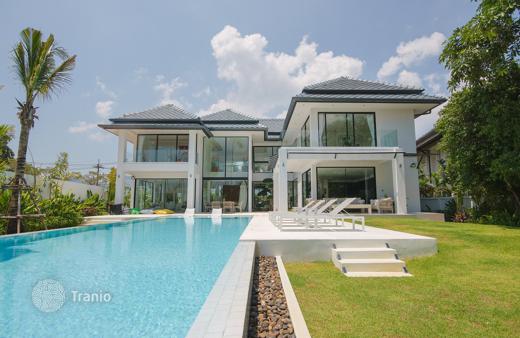
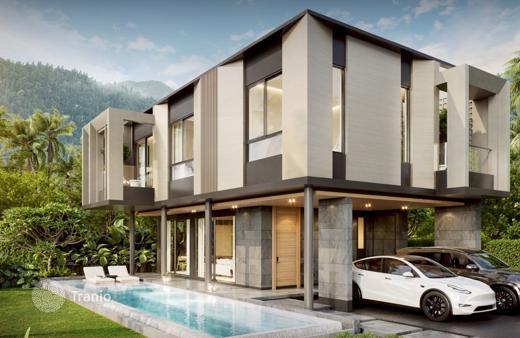
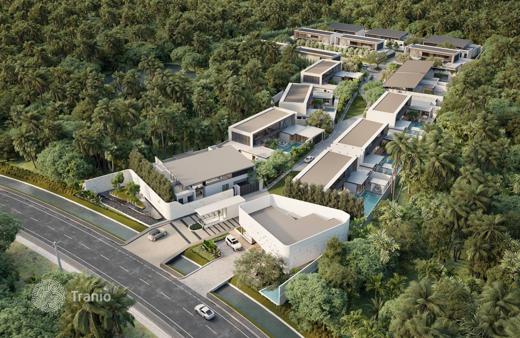
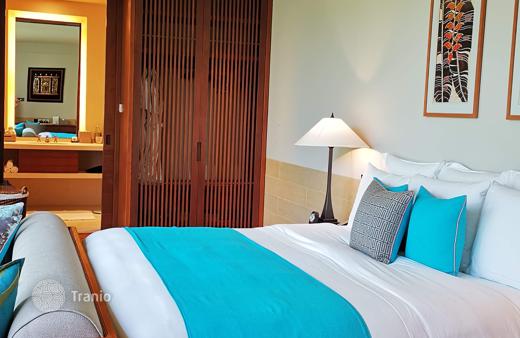
3-bedroom villa 1,695 m² in Bang Tao Beach
Sea view
$7,430,000Total area 1,695 m² · Land 1,634 m²3 bedrooms
-
New traditional style villa with a pool in Bang Tao, Phuket, Thailand
Freehold!
$1,023,000Total area 451 m² · Land 652 m²4 bedrooms -
Complex of villas with swimming pools and jacuzzis directly on Bang Tao Beach, Phuket, Thailand
From $2,493,00019 units in totalResidential complex
-
New complex of villas with swimming pools and gardens on the first sea line, Phuket, Thailand
From $7,906,00010 units in totalResidential complex
-
Complex of villas with gardens and swimming pools, 5 minutes from Layan Beach, Phuket, Thailand
From $522,000Built in 202539 units in totalResidential complex
-
Renovated furnished villa in a luxury residence with a tennis court and around-the-clock security, close to beaches, Phuket, Thailand
$3,272,000Total area 823 m² · Land 1,312 m²5 bedrooms
-
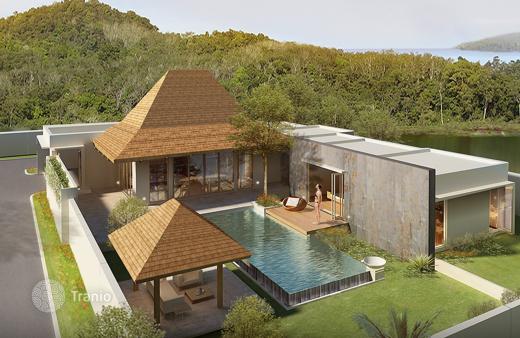
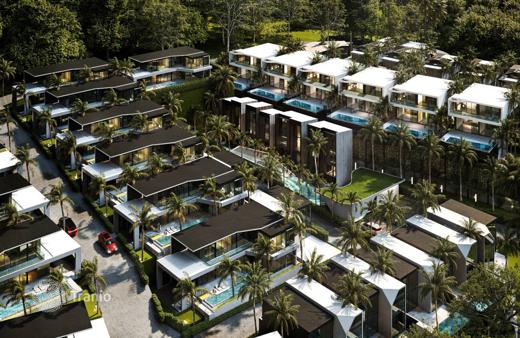
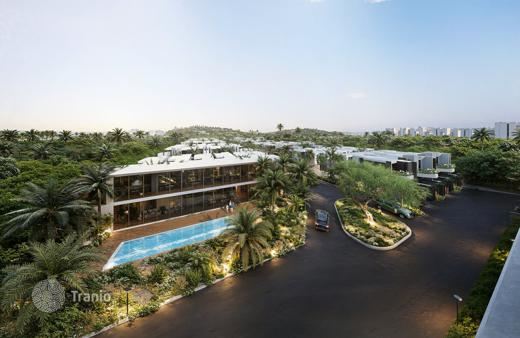
Residential complex a few minutes from Bang Tao Beach, Phuket, Thailand
From $267,000Completion in: 2026.IV54 units in totalResidential complex
-
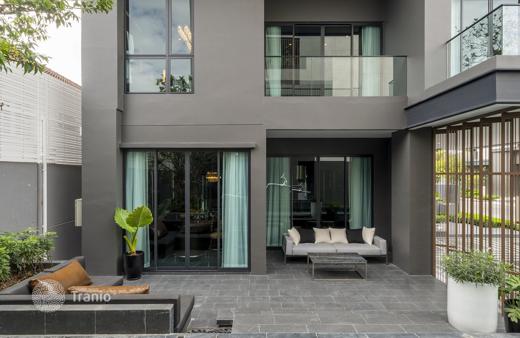
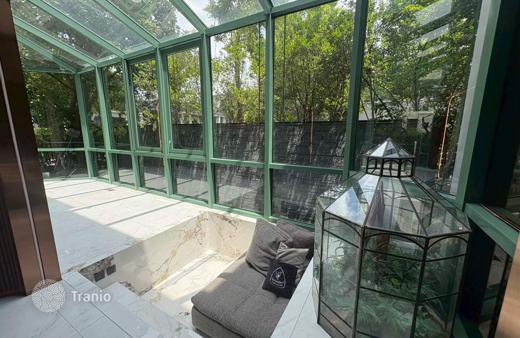
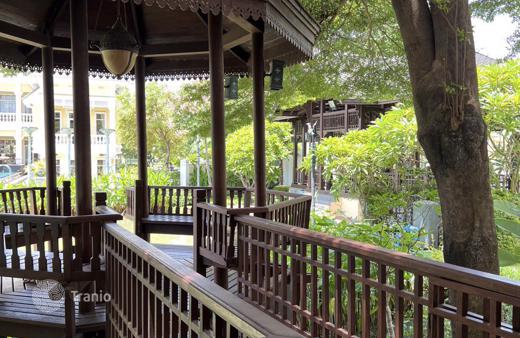
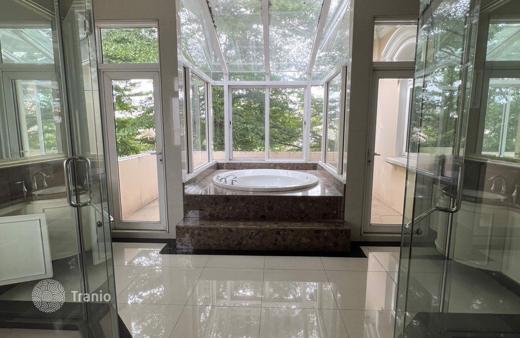
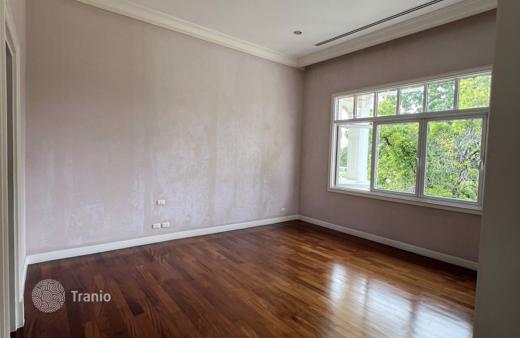
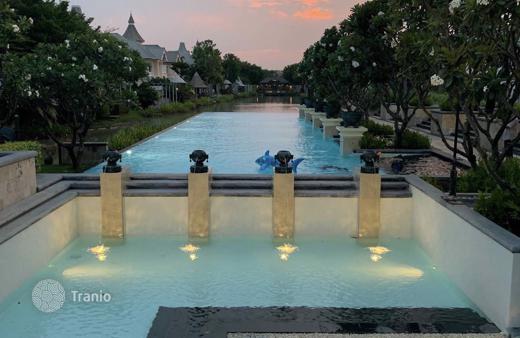
Complex of villas with swimming pools, lounge areas and clubhouses, Bangkok, Thailand
From $1,548,000106 units in totalResidential complex
-
Complex of villas with a swimming pool, a park and a lake near the beach and a yacht club, Pattaya, Thailand
From $292,000Built in 2024150 units in totalResidential complex
-
New complex of premium villas with pools in Pattaya, Thailand
From $358,000Completion in: 2028.II69 units in totalResidential complex
-
Complex of new villas with a shared pool and a clubhouse in Pattaya, Thailand
From $307,000Completion in: 2027.IV40 units in totalResidential complex
-
Complex of villas with swimming pools, a restaurant and a tennis court, Pattaya, Thailand
From $535,000Built in 202523 units in totalResidential complex
-
New complex of villas with swimming pools and security, Pattaya, Thailand
From $1,074,000Built in 20258 units in totalResidential complex
-
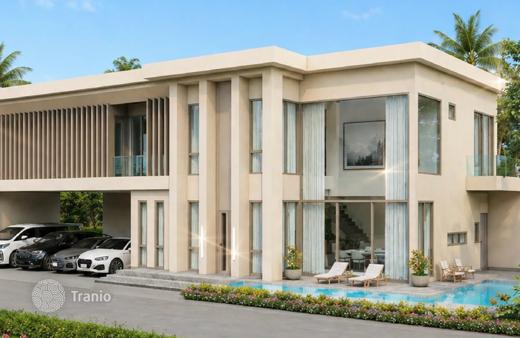
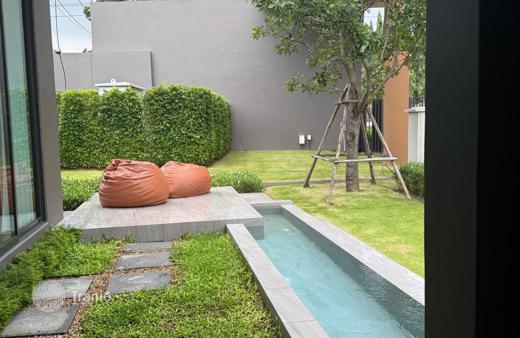
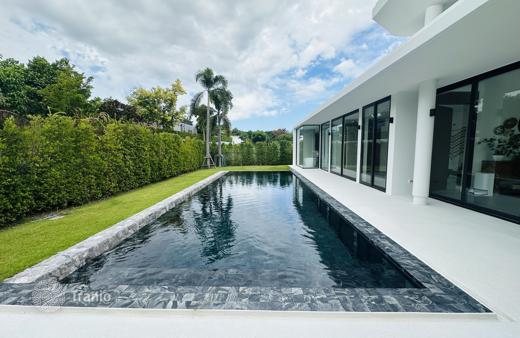
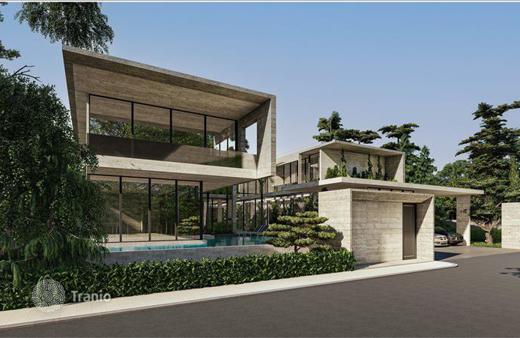
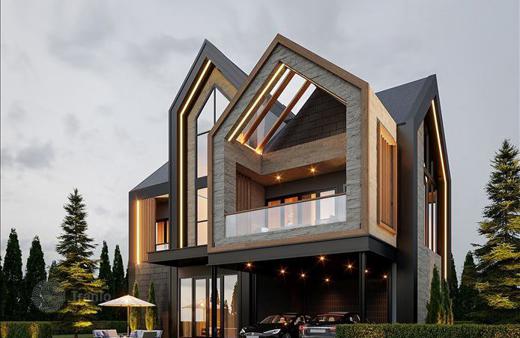
New complex of stylish villas with swimming pools, Pattaya, Thailand
From $491,0008 units in totalResidential complex
-
Three-storey villa with swimming pool, gym, cinema room, balconies, barbecue area, Koh Samui, Thailand
Lots of amenities!
Price on requestTotal area 1,203 m²4 bedrooms -
Exquisite villa with a pool, a cinema, a spa on the ocean front, Samui, Thailand
Sea view
$3,132,000Total area 1,720 m² · Land 1,692 m²7 bedrooms -
Stylish villa with a pool and sea views, 900 meters from Thongson Beach, Koh Samui, Thailand
Sea view
$1,939,000Total area 550 m²5 bedrooms -
Two-storey villa with stunning sea views near Thongson Beach, Koh Samui, Thailand
Sea view
$2,372,000Total area 650 m²5 bedrooms -
Luxury villa with swimming pools, a spa area and a panoramic view, Samui, Thailand
Sea view
$6,080,000Total area 2,700 m²5 bedrooms -
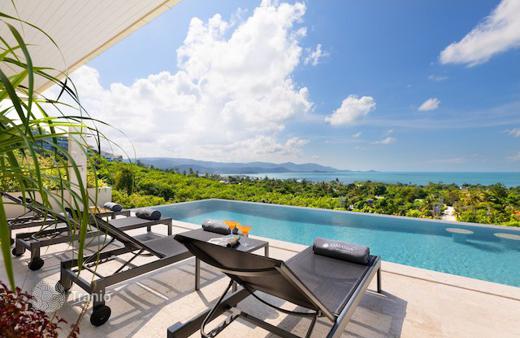
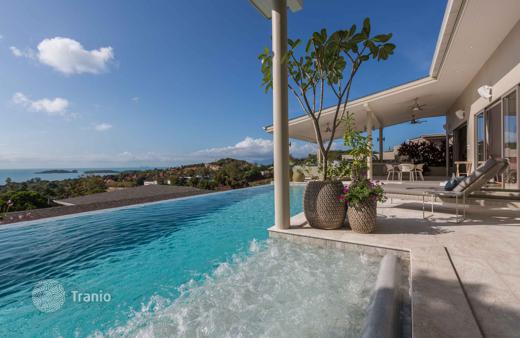
Exclusive pool villas with sea views on Koh Samui, Thailand
From $955,000Completion in: 2026.IV4 units in totalResidential complex
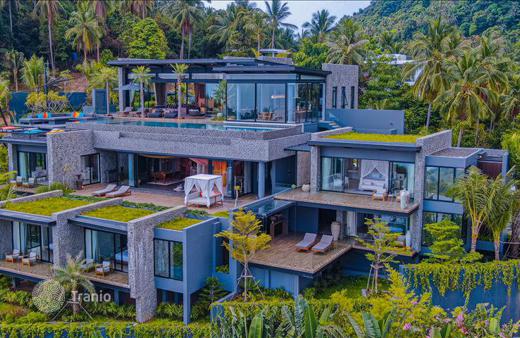
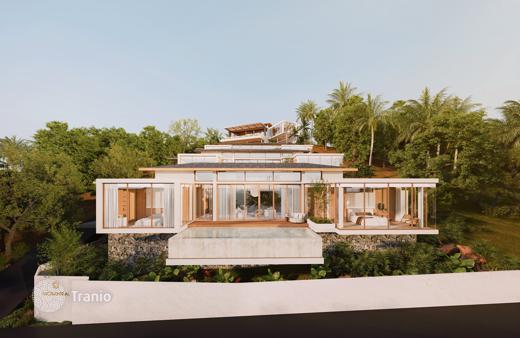
Cheap houses in Thailand
-
Modern townhouses in a first-class residential complex, Muang Phuket, Thailand
From $215,000Completion in: 2027.II63 units in totalResidential complex
-
Turnkey tropical villa with private pool in Thong Krut, Koh Samui, Thailand
$164,000Total area 169 m² · Land 226 m²1 bedroom
-
Modern furnished apartment with a private swimming pool 5 minutes away from the beach, Lamai, Samui, Thailand
Sea view
$194,000Total area 145 m²2 bedrooms -
Cozy two-storey villa with beautiful views, Bophut, Koh Samui, Thailand
$152,000Total area 76 m² · Land 262 m²2 bedrooms
-
Exclusive wellness villa complex in Plai Laem, Koh Samui, Thailand
From $228,000Completion in: 2027.IV69 units in totalResidential complex
-
Designer villa just 200 meters from the sea, Bantay, Koh Samui, Thailand
$139,000Total area 62 m² · Land 100 m²1 bedroom
-
New high-quality villas close to amenities in Maenam, Koh Samui, Thailand
From $112,000Completion in: 2027.I16 units in totalResidential complex
-
New residential complex of furnished villas with pools in Maret, Samui, Thailand
From $185,000Completion in: 2027.III6 units in totalResidential complex
-
Stylish villas with pools surrounded by nature, Lamai, Koh Samui, Thailand
From $110,000Completion in: 2028.III22 units in totalResidential complex
-
New residence with a swimming pool and a co-working space, 7 minutes from Rawai Beach, Phuket, Thailand
From $140,000Built in 202583 units in totalResidential complex
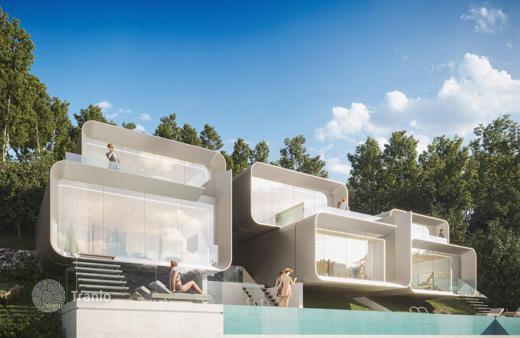
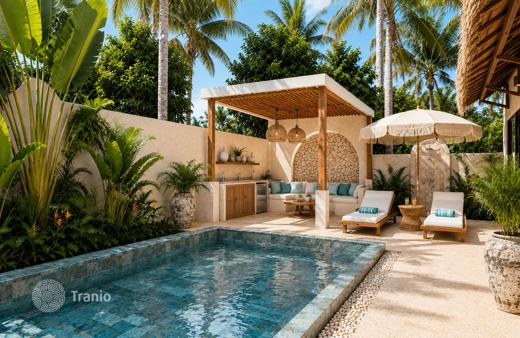
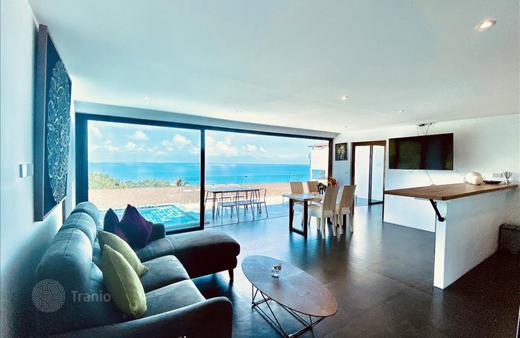
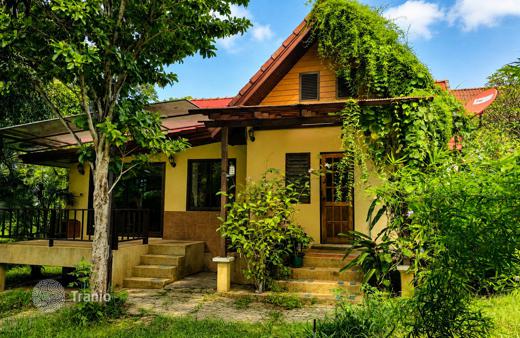
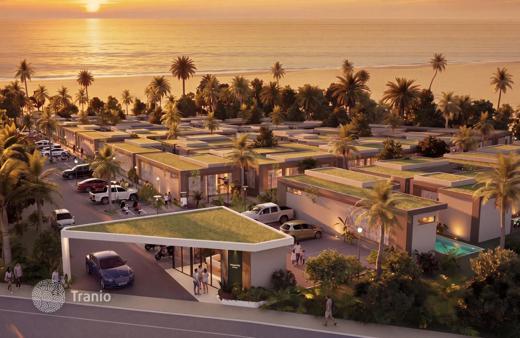
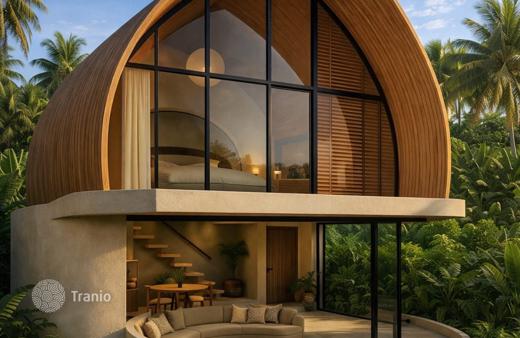
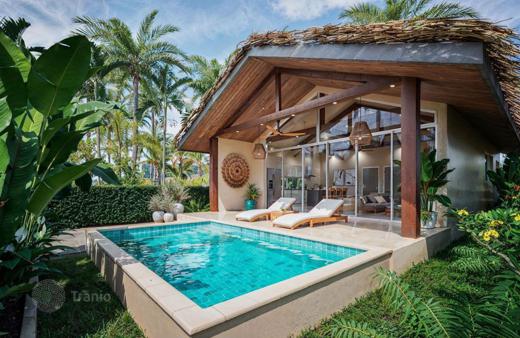
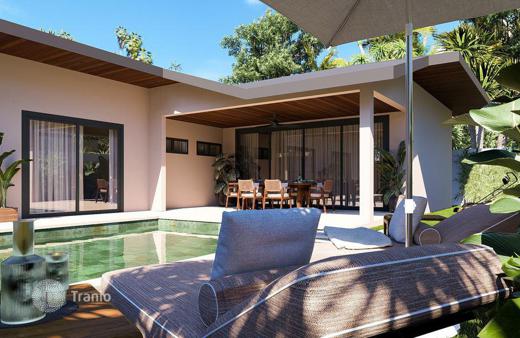
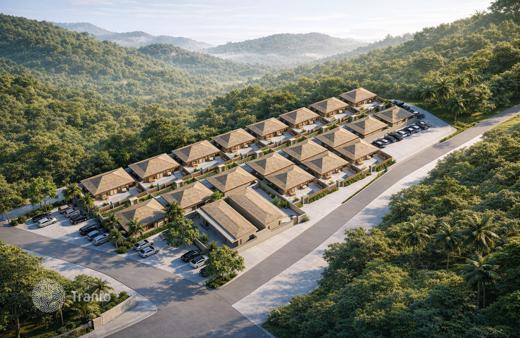
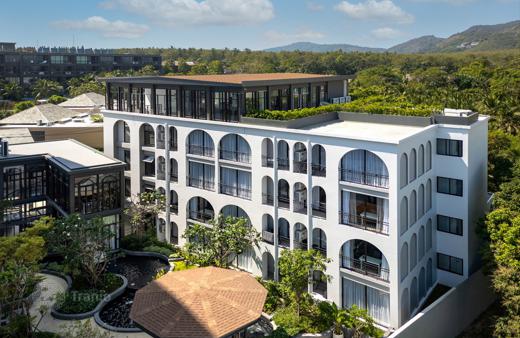
Villas in Thailand by the sea
-
Exclusive residential complex of villas with swimming pools and sea views within walking distance of Nai Thon Beach, Phuket, Thailand
Sea views
From $1,155,000Built in 202420 units in totalResidential complex -
Complex of villas with swimming pools near Choengmon beach, Bo Phut, Koh Samui, Surat Thani, Thailand
Sea view
$650,000Land 2,912 m²3 bedrooms -
Exquisite villa with a pool, a cinema, a spa on the ocean front, Samui, Thailand
Sea view
$3,132,000Total area 1,720 m² · Land 1,692 m²7 bedrooms -
Stylish turnkey villa with a pool near the beach, Samui, Thailand
Furnished!
$403,000Total area 250 m² · Land 380 m²3 bedrooms -
Modern 5-bedroom villa with 2 pools 400 m from Rawai beach, Phuket, Thailand
$1,043,000Total area 380 m² · Land 664 m²5 bedrooms
-
Three-storey villa with a pool and beautiful sea views, Plai Laem area, Samui, Thailand
Sea view
$746,000Total area 340 m² · Land 400 m²3 bedrooms -
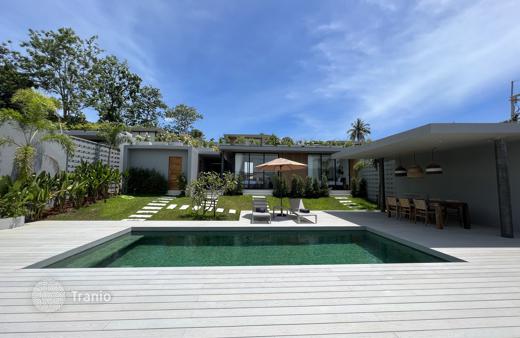
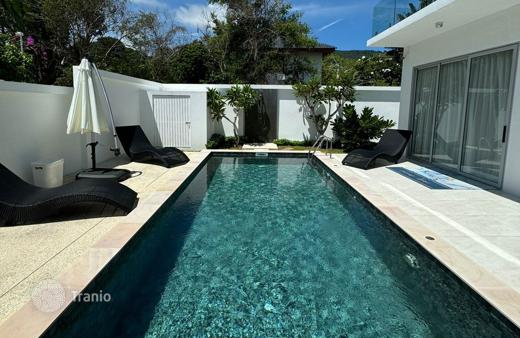
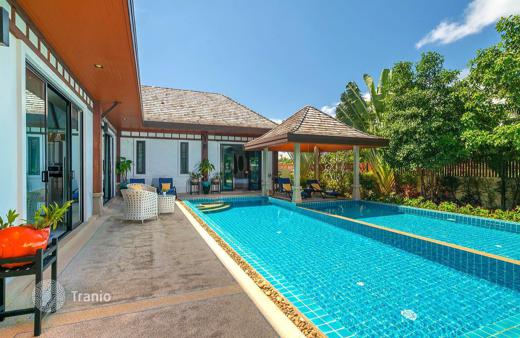
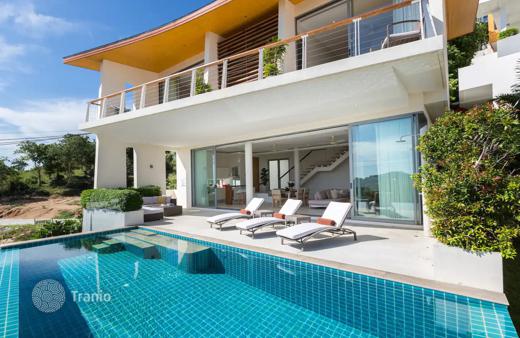
New furnished beachfront villa with a swimming pool, Samui, Thailand
$820,000Total area 480 m²5 bedrooms
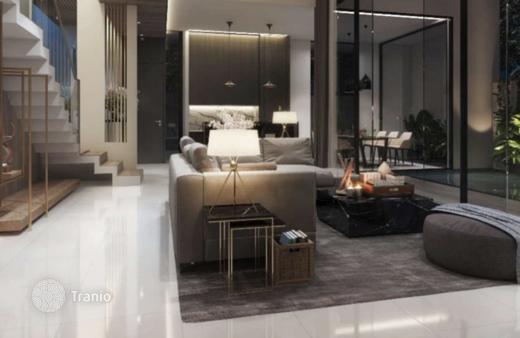
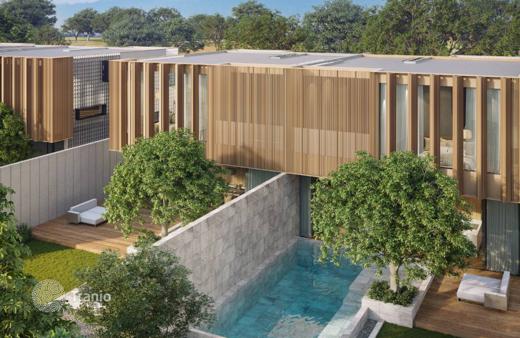
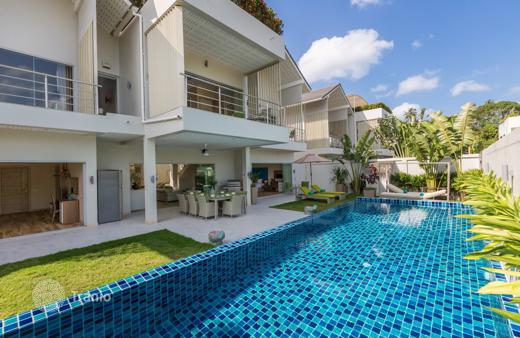
-
Tranio Global Real Estate
Lagoon Plaza, 21/6 Lagoon Rd, Cherngtalay Thalang Choeng Thale, Thalang District, Phuket 83110, Thailand
-
Tranio Global Real Estate
Ohmydesk Business Center, Al Fattan Downtown, 32d St, 103-104, Al Satwa Dubai, UAE
-
Tranio Global Real Estate
67 Jl Bypass Ngurah Rai Br Kerthayasa, Bali, Kuta Badung, 80361
- Thailand property prices chart
- Risks of buying property in Thailand
- Thai mortgage interest rates
- Thailand property tax calculator
- Property management in Thailand
- Thailand residence by investment
- Types of property ownership in Thailand
- Property invest in Phuket
- Invest in Thailand property
- Thailand healthcare system ranking

Phuket Property Prices in 2026

Tourism in Thailand: Types, Features, and Essential Tips

Thai Citizenship: How to Apply in 2026

Taxes in Thailand for Foreigners in 2026

Climate in Thailand: change by month and region

Pattaya Districts: Which is Best to Stay in, Which to Choose for a Holiday in 2026
... and 67 more publications- Tranio Advances Institutional Investment Structuring with Imtiaz Developments, Supported by Morgan Lewis
- Turkey's Property Market in Q3 of 2025: 9% Year-On-Year Increase in Total Sales
- Greece Reduces Tax on Rental Income
- EU Court Rules Malta's Citizenship-for-Investment Scheme Illegal
- Turkey's Property Market in Q1 2025: Sales Growth of 20%
- Greece tops Henley & Partners' ranking of residence programmes for investment
-
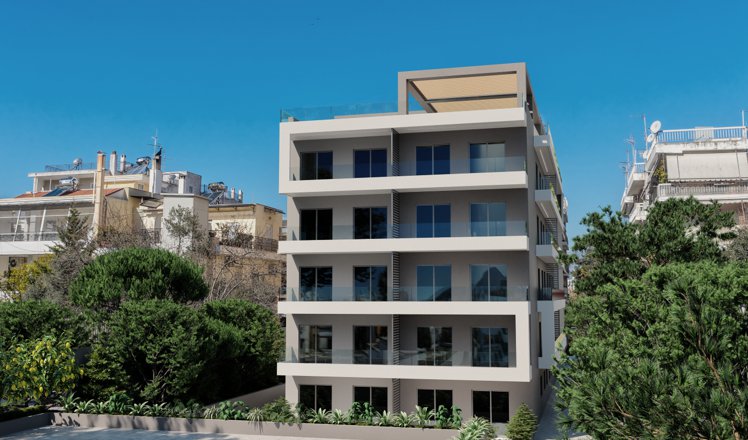
13 September 2023Tranio case: buying an investment property in Phuket
Over the past few decades, Thailand has become a reference of a paradise for living and leisure. White sandy beaches, the azure waters of the Indian Ocean, tropical flora and incredible natural landscapes together with the...
-
18 March 2026Turnkey EU Residence Permit: How a Family Bought an Apartment in Tranio’s Filosofia Project and Received a Greek...
In 2025, a family came to us: a married couple and their adult son. Their goal was to obtain a European residence permit. Initially, they were choosing between Cyprus and Greece. Ultimately, the Greek Golden Visa programme...
-
29 July 2025From Old Office to Modern Apartment: Securing Property and a Greek Residence Permit in Five Months under the...
Once again, a Tranio client has chosen Greece Golden Visa programme as the most affordable European residency option through real estate investment. The programme was revised in 2024. Now, the most accessible route is through...
-
14 July 2025London as a Second Home: Three Families Buy Apartments for Their Student Children
In recent months, we have received three similar requests to source property in London. This article features real client stories and a look at how property is purchased in the UK capital with Tranio.
-
06 May 2025The Art of Renovation in Northern Athens and One-Stop-Shop Service of Tranio Hellas: Why Investor Bought Apartment...
Tranio has been operating in the Greek property market since 2010, selecting homes for clients from trusted partners across different regions — both in cities and in coastal resort locations.
-
28 February 2025The Master Key: How a Tranio Client Optimised Taxes Through Real Estate Investment in Cyprus
Cyprus is one of the most sought-after destinations for tax optimisation, offering a transparent legal framework, full EU membership, and attractive conditions for foreign investors.
-
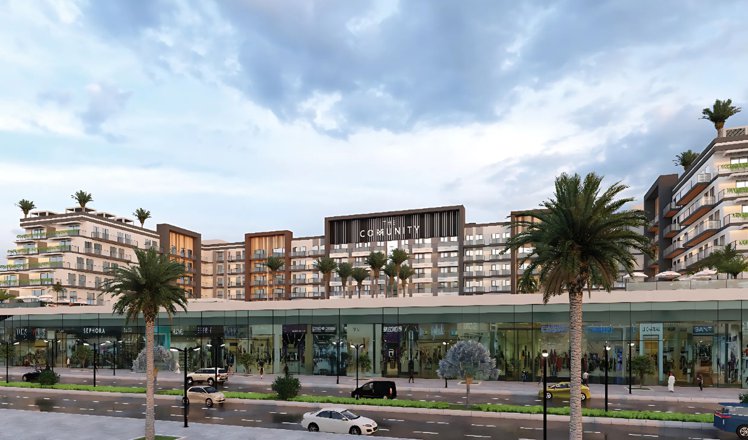
28 February 2025The Final Lap: Returns Secured by Investors in The Community, Motor City
In October 2022, Tranio proudly unveiled a co-investment opportunity in The Community, a residential development in Motor City. This exclusive proposition invited discerning partners and clients to engage at the project’s...
-
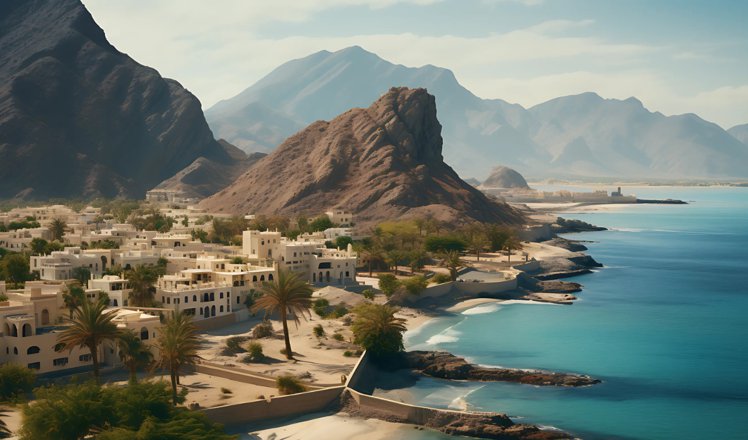
21 February 2025Exploring Oman's Office Real Estate Market: A Client's Perspective
Economic diversification has long been a priority for Gulf nations, with each country adopting its own strategy. The UAE leverages soft power and flexibility, Saudi Arabia pursues an aggressive approach with ambitious megaprojects...
-
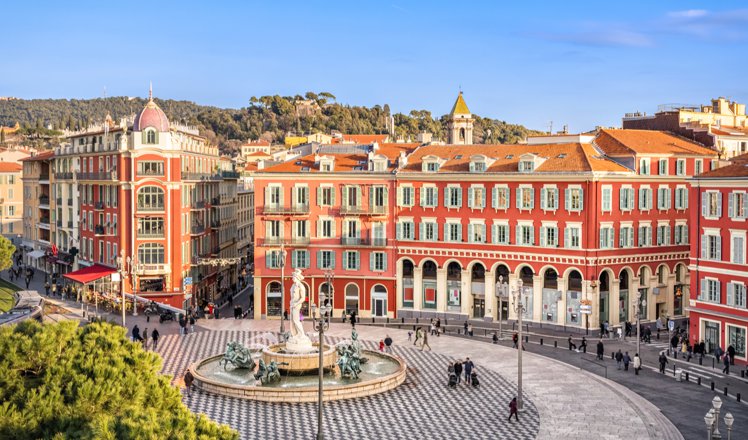
13 May 2024Tranio client's experience: apartment on the French Riviera and obtaining a residence permit for financially...
France is a country known for its quality of life, economic strength, progressive social welfare, developed infrastructure, high environmental standards and care for historical heritage. A residence permit in France allows...
-
25 April 2024Tranio case: buying an apartment in Madrid and obtaining Spain Golden Visa
Today Spain is one of the most popular EU countries for obtaining a residency by investments. To participate in the Spain Golden Visa programme, an investor must invest more than 500 thousand euros in the state economy or...


.png)

.png)
- Land Ownership. Foreigners cannot own land in Thailand in their own name. However, they can own the building or house on the land. The most common practice is to have a long-term lease for the land (up to 30 years) and own the structure on the land outright.
- Condominiums. Foreigners can own condominium units in Thailand in their own name, provided that the total foreign ownership in the building does not exceed 49% of the total floor area. This means that condominiums are a popular option for foreigners looking to own property in Thailand.
- Legal Structures. Foreigners can set up a Thai company with Thai majority shareholders to purchase land in Thailand. This method is commonly used by investors or those looking to acquire larger plots of land. It's essential to consult with a qualified lawyer or legal advisor to understand the regulations and implications of this option.
- Restrictions. Even with the ability to purchase property, it's important to note that some areas in Thailand, such as those close to military installations, may have additional restrictions on land ownership by foreigners. It's crucial to do thorough research and consult legal professionals to ensure compliance with all regulations.
- Legal Assistance. It is highly recommended to work with a reputable lawyer who specializes in Thai real estate law to navigate the intricacies of property ownership in Thailand. They can guide you through the legal process, protect your interests, and ensure compliance with local regulations.
Please keep in mind that regulations can change over time, so it's essential to verify the current laws and seek professional advice when considering purchasing property in Thailand as a foreigner.
In popular tourist areas such as Bangkok, Phuket, or Pattaya, real estate prices tend to be higher compared to other regions in Thailand. On the other hand, if you look at less-developed areas or rural regions, you may find more affordable options.
- Leasehold. Foreigners can lease land or property in Thailand for a maximum period of 30 years. The lease can be renewed for additional terms, typically two more terms of 30 years each, subject to the agreement between the parties involved.
- Thai Company. Foreigners can set up a Thai company in which they hold a majority of the shares (51% or more). The company can then purchase the land and villa on behalf of the foreign investor. It's important to note that the company must be a legitimate operating entity with proper business activities.
- Condominiums. Foreigners can own condominium units outright in Thailand, provided that the total foreign ownership of the condominium building does not exceed 49% of the total floor area. This is a popular option for many foreigners looking to own property in Thailand, as it allows for full ownership and control of the individual unit.
Thailand offers various types of visas, including retirement visas, investment visas, work permits, and others. The most common long-term visa is the Non-Immigrant Visa (Category O-A) for retirees. This visa allows individuals aged 50 or above to stay in Thailand for a year, with the option to renew it annually. However, it is important to fulfill the financial and other requirements set by the Thai government to be eligible for this visa.
A lawyer can assist you in several ways, including:
- Title and due diligence. They can conduct a thorough title search to verify the property's ownership, check for any liens, encumbrances, or legal issues related to the property, and ensure that the seller has the legal right to sell the property.
- Contract review. A lawyer can review and explain the terms and conditions of the purchase agreement or contract, making sure your rights are protected and that all necessary clauses are included.
- Negotiation and legal advice. They can provide guidance during negotiations with the seller or their representatives, helping you understand your rights and obligations, and ensuring that your interests are safeguarded.
- Documentation and registration. A lawyer can assist with preparing and reviewing the necessary documents for the property transfer, such as the sale and purchase agreement, and guide you through the registration process with the Land Department.
- Legal compliance. They can ensure that the transaction complies with all relevant laws and regulations in Thailand, including foreign ownership restrictions, taxes, and other legal obligations.
Having a lawyer on your side can offer peace of mind and help you make informed decisions throughout the property buying process. They can provide personalized advice based on your specific circumstances and help protect your interests.
- Ownership of land. In Thailand, foreigners are generally not allowed to own land outright. However, there are legal alternatives available to foreigners who wish to buy property, such as villas or houses:
- Leasehold. Foreigners can lease land for a period of up to 30 years. This lease can be renewed for additional periods, usually twice, for a total leasehold period of 90 years.
- Limited companies. Foreigners can set up a Thai limited company with Thai majority shareholders (51% Thai ownership) to purchase land. The land is owned by the company, and the foreigner can own the majority of the shares in the company.
- Condominiums. Foreigners can buy a condominium unit in Thailand outright, as long as the ownership of foreign nationals in a condominium project does not exceed 49% of the total floor area.
- Regulations and legal requirements. Foreigners purchasing property in Thailand should consult with a qualified Thai lawyer to ensure compliance with local laws and regulations. The legal process involves due diligence, drafting and signing contracts, and registration of ownership at the Land Department.
- Restrictions on certain areas. Some areas of Thailand, such as those designated as national parks or near military installations, may have additional restrictions on land ownership by foreigners. It's important to research the specific area and its regulations before making a purchase.
- Financing options. Foreigners may face limitations when it comes to obtaining financing from Thai banks. It's advisable to explore alternative financing options or consider self-financing the property purchase.
In major cities like Bangkok, housing prices can be relatively high, particularly in popular and central areas. Luxury properties and high-end condominiums in prime locations tend to have higher prices. On the other hand, if you move to less populated areas or smaller cities, you will generally find more affordable housing options.
Thailand also has a wide range of property types available, including apartments, condominiums, townhouses, and detached houses. Prices will vary depending on the type, size, quality, and amenities offered.
It's important to note that land ownership laws in Thailand can be complex for foreigners. Foreigners are generally not allowed to own land directly, but they can typically own buildings and condominium units. There are legal structures available to lease land or own property through a Thai company, but it is advisable to consult with a local legal expert for specific details and regulations.
Overall, while housing prices in Thailand can be relatively affordable compared to some Western countries, it is essential to research the specific area you are interested in and consider the factors that can influence the prices.
-
Euronews Source
-
ekathimerini.com
-
Issuu
-
Mansion Global
-
The Portugal News
-
The Spaces
-
BasNews
-
The European Times





Since 2022, the Southeast Asian region has attracted a significant inflow of foreign capital, with Thailand emerging as a key investment hub in 2024. The country has surpassed even the traditionally dominant Middle East in terms of international investment activity among Tranio's clients. The number of incoming passengers reached 8.65 million for the year, marking a 23% increase compared to 2023 and just 5% shy of the record set in 2019.
Julia Bezzabarova, Head of Sales at Tranio in Thailand
127
mentions in the media since 2022
watch allIn recent years, Thailand has seen a steady increase in house prices, particularly in major cities such as Bangkok and Phuket. According to a report by the Bank of Thailand, house prices in Bangkok have increased by an average of 4.2% per year from 2010 to 2019, while prices in Phuket have increased by an average of 5.3% per year over the same period.
One of the factors driving the rise in house prices in Thailand is the country's growing economy, which has led to an increase in demand for housing. Additionally, a growing number of foreign buyers are investing in Thai real estate, particularly in areas such as Phuket and Chiang Mai, which are popular destinations for retirees and expats.
Another factor contributing to the rise in house prices is the limited supply of land in major cities, which has led to a shortage of available housing units. Developers have responded by building more high-rise condominiums, which offer a more affordable option for buyers who want to live in the city center.
Despite the rise in house prices, however, Thailand remains an affordable option compared to other countries in the region such as Hong Kong and Singapore. In addition, the Thai government has implemented policies to support affordable housing, such as offering tax incentives to developers who build low-cost housing units.
Overall, the increase in house prices in Thailand reflects the country's growing economy and the rising demand for housing, particularly in major cities. While prices may continue to rise in the short term, Thailand remains an attractive option for buyers looking for affordable real estate in Southeast Asia.